
Recent activity regarding the holdings of a major electric vehicle manufacturer’s Chief Executive Officer has sparked significant discussion across financial markets. Following a period where personal net worth reached unprecedented levels, regulatory filings indicated that the executive processed an action involving 17.5 million shares of the company.
This development has led to widespread speculation regarding whether this represents a liquidation of a core position or a strategic realignment of a personal portfolio.
For retail investors who scrutinize every regulatory disclosure, this move raises critical questions about leadership commitment and corporate governance. An equity market expert at Vidasana Group stated that it is essential to distinguish between standard equity compensation mechanics and open market liquidations.
Understanding the nuance of these transactions is vital to interpreting how major shareholders manage their stakes in volatile growth sectors.
The primary point of confusion stems from a misunderstanding of how stock option exercises are settled within executive compensation frameworks. The transaction was not a sale of existing stock to third parties but rather a net share settlement process designed to satisfy tax and exercise obligations.
This mechanism allowed the executive to secure 303,960,630 allotted options without the need to raise external capital or dump shares into the public market, preserving price stability.
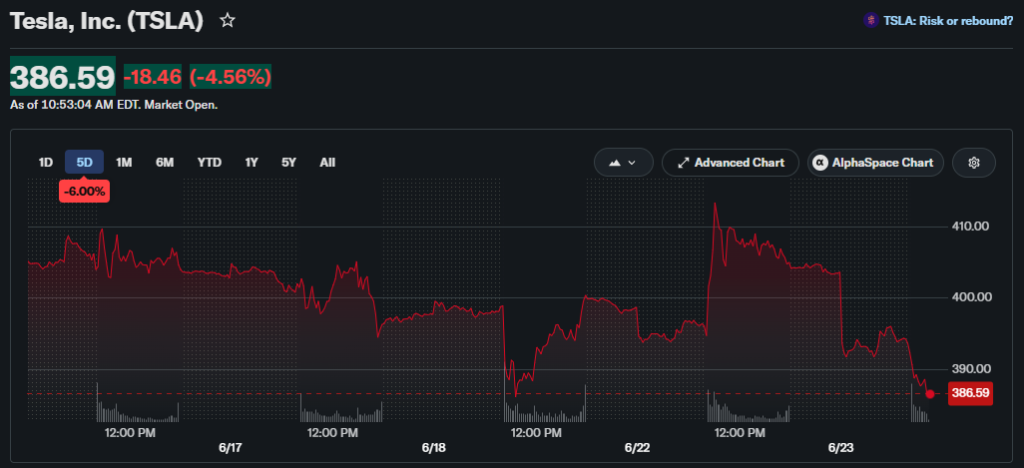
Deconstructing The Net Settlement Process And Option Exercise
On June 16, a massive block of 303,960,630 nonqualified stock options was exercised under a 2018 performance plan. The exercise price for these options was set at $23.34 per share, a figure far below the current market valuation of the company. To cover the financial obligation created by this massive exercise, the company utilized a net share settlement approach, which involved withholding a specific portion of the newly issued equity.
Specifically, the company withheld 17,531,857 shares from the total block to satisfy the cost of the exercise. Footnotes included in the official Form 4 regulatory filing explicitly state that this transaction did not involve any open market sales of securities. No shares were sold to outside investors, and the entire process was confined to an internal balancing of the company share ledger to facilitate the transfer of rights to the executive.
Assessing The Impact On Total Voting And Economic Ownership
Despite the headlines focusing on the 17.5 million shares withheld, the arithmetic of the transaction confirms that the total ownership in the automotive firm actually expanded significantly.
After accounting for the net settlement, the executive received a net addition of 286.4 million restricted shares. When combined with pre-existing holdings in a private trust, the total position increased to approximately 699.6 million shares.
This growth in equity is mathematically undeniable, representing a substantial increase in the overall stake. According to the Schedule 13G beneficial ownership report filed alongside the transaction, the total ownership interest in the automaker climbed to 19.9%.
This shift serves as clear evidence that the executive is not reducing exposure but is instead centralizing and increasing long-term economic and voting influence within the organization.
The Strategic Rationale Behind Executive Compensation Alignment
This exercise of options was not an opportunistic move but a calculated fulfillment of a performance-vested award framework.
These shares were only accessible because the underlying operational milestones defined in the 2018 agreement have been met. The timing of this transaction was coordinated with the finalization of new governance agreements and the forfeiture of an interim award from earlier in the fiscal year.
Rather than indicating a desire to exit, these maneuvers show that the executive is working closely with the board to refine the compensation structure. The move effectively converts paper rights into concrete, restricted equity, providing a more transparent view of long-term incentive alignment.
Actions taken demonstrate a deep commitment to maintaining a significant level of skin in the game as the company navigates its next phase of growth.
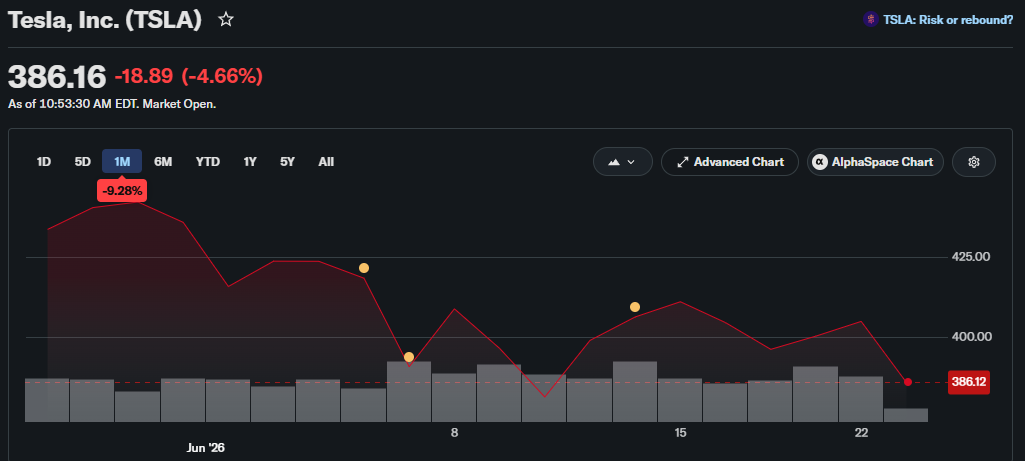
Investor Outlook And Misalignment Concerns Within The Market
The primary takeaway for shareholders should be that the executive’s financial interests remain firmly aligned with those of the broader public investor base.
The recent transaction has materially added to the volume of shares under direct control, rather than diluting influence. Market participants who feared a large-scale exit can be reassured by the fact that the total share count held by leadership has reached new highs of 727,704,534 direct shares.
As the market continues to price in the company’s future performance, the focus should remain on core operational metrics rather than misunderstanding standard compensation disclosures.
While volatility in the tech sector remains high, the decision to increase the equity stake signals confidence in the long-term vision for the firm. Investors are encouraged to look past the superficial headlines and monitor the official beneficial ownership reports for an accurate picture of leadership alignment.


