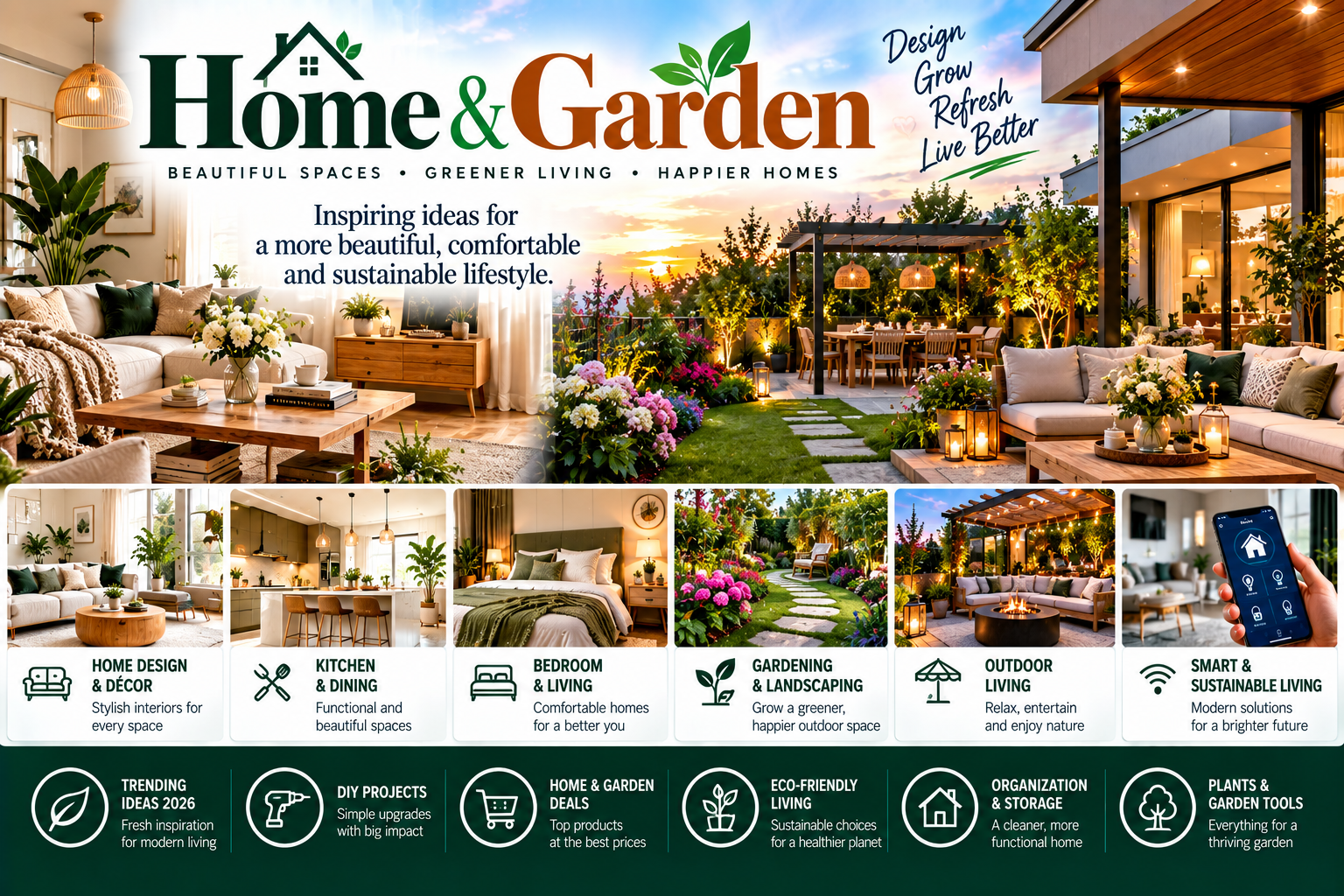
The modern home is no longer simply a place to live. It is a space for relaxing, working, entertaining, growing plants, enjoying nature, and expressing personal style. At the same time, gardens and outdoor areas are increasingly being treated as extensions of the indoor living environment.
The Home & Garden category brings together interior design, furniture, home organization, gardening, landscaping, outdoor entertaining, smart-home technology, sustainable living, and everyday products that make residential spaces more comfortable and functional.
In 2026, several trends are shaping the way people approach their homes and gardens. Designers are emphasizing personality, nostalgia, natural materials, comfortable spaces, and rooms that reflect how people actually live. In gardens, naturalistic planting, edible gardening, pollinator-friendly plants, climate-resilient landscaping, and outdoor living are receiving increasing attention.
What Does Home & Garden Include?
Home & Garden is a broad lifestyle category covering virtually every part of residential living.
It includes:
Home furniture
Interior decoration
Kitchen products
Bedroom furniture
Living room design
Home organization
Storage solutions
Lighting
Smart-home products
Home improvement
DIY projects
Gardening
Landscaping
Outdoor furniture
Patio design
Garden tools
Houseplants
Vegetable gardening
Sustainable gardening
Outdoor entertaining
The category appeals to homeowners, renters, gardeners, interior-design enthusiasts, DIY users, families, and consumers searching for practical ways to improve their living spaces.
Home Design in 2026
Home design in 2026 is moving toward spaces that feel personal rather than overly staged.
Designers are highlighting interiors that reflect everyday life, personality, nostalgia, and comfort instead of spaces that look perfectly curated.
This approach can be seen in several areas.
Comfortable Living Spaces
Living rooms are increasingly designed around comfort and flexibility.
Large sofas, soft textiles, layered lighting, natural materials, practical storage, and multifunctional furniture can create spaces suitable for relaxing, working, reading, or entertaining.
Instead of designing a room around one purpose, homeowners can create flexible zones that adapt throughout the day.
Natural Materials
Wood, stone, rattan, linen, ceramic, and other tactile materials continue to influence interiors and outdoor spaces.
Natural materials can introduce warmth and texture while creating visual connections between indoor and outdoor areas.
Nostalgic Design
Nostalgia is another noticeable theme in 2026 home design.
Vintage furniture, traditional patterns, antique-inspired accessories, older architectural details, and classic decorative pieces can be combined with modern technology and contemporary layouts.
The result is a home that feels established rather than completely new.
Personalized Interiors
One of the strongest design themes is personalization.
Instead of following one specific aesthetic, homeowners can combine furniture, artwork, colors, family objects, plants, photographs, and accessories that reflect their individual preferences.
This makes the home feel more connected to the people who live there.
Home Organization and Storage
Organization remains an important part of home improvement.
Efficient storage can make small homes feel more spacious while helping larger homes remain functional.
Popular solutions include:
Modular shelving
Under-bed storage
Kitchen organizers
Built-in cabinets
Entryway storage
Multipurpose furniture
Drawer organizers
Wall-mounted systems
Closet organization
Hidden storage
The goal is not simply to remove clutter. Good organization allows frequently used items to remain accessible while maintaining a cleaner visual environment.
Kitchen Trends
The kitchen continues to function as one of the most important areas of the home.
Modern kitchens often combine cooking, dining, socializing, storage, and sometimes working.
Popular features include:
Large islands
Efficient storage
Integrated appliances
Open shelving
Natural wood
Stone surfaces
Under-cabinet lighting
Pantry organization
Smart appliances
Multifunctional workspaces
In 2026, design conversations are also emphasizing warmer and more lived-in kitchens rather than spaces that feel purely utilitarian.
Bedroom Design
Bedrooms are increasingly treated as personal relaxation spaces.
A comfortable bedroom can combine:
Supportive bedding
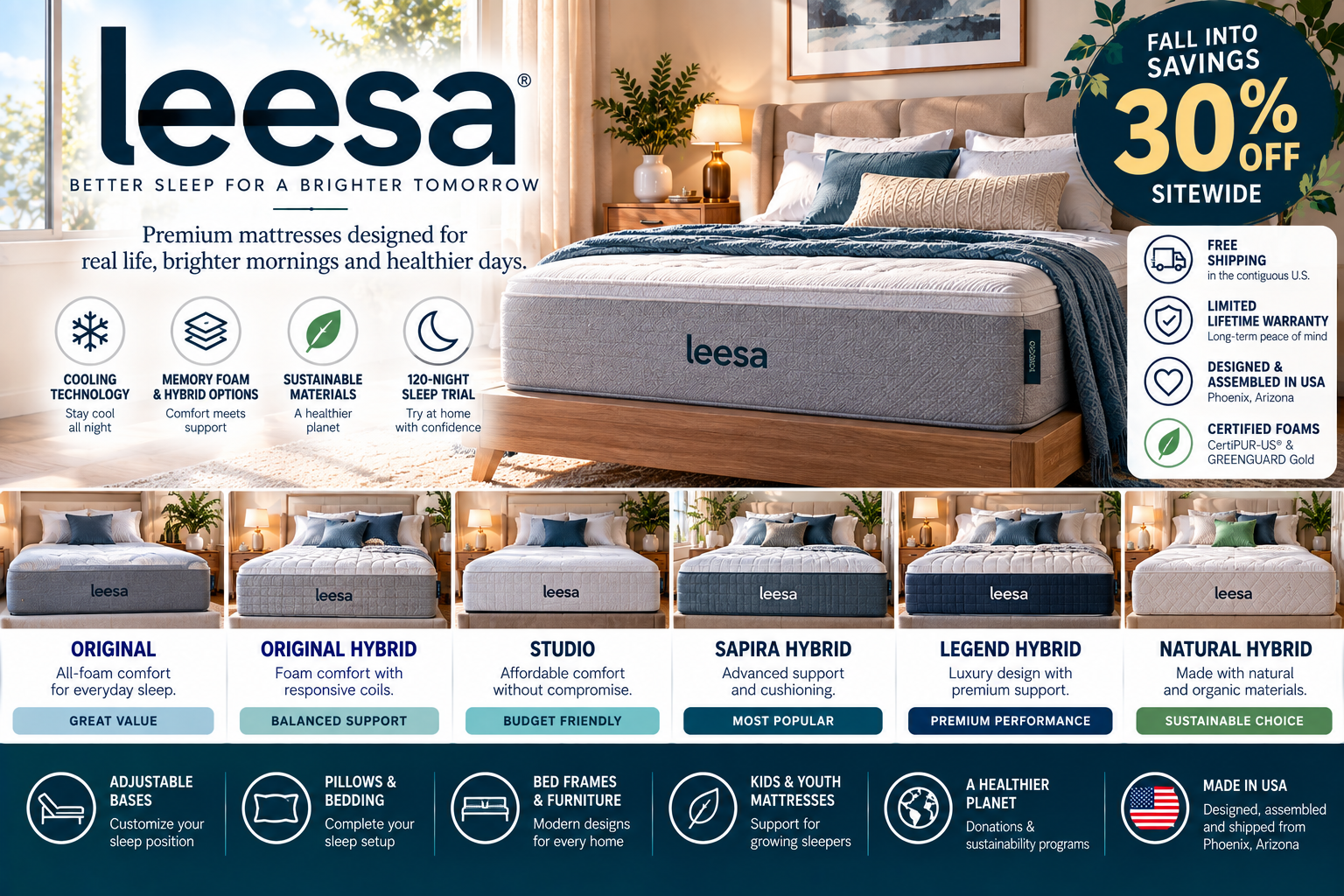
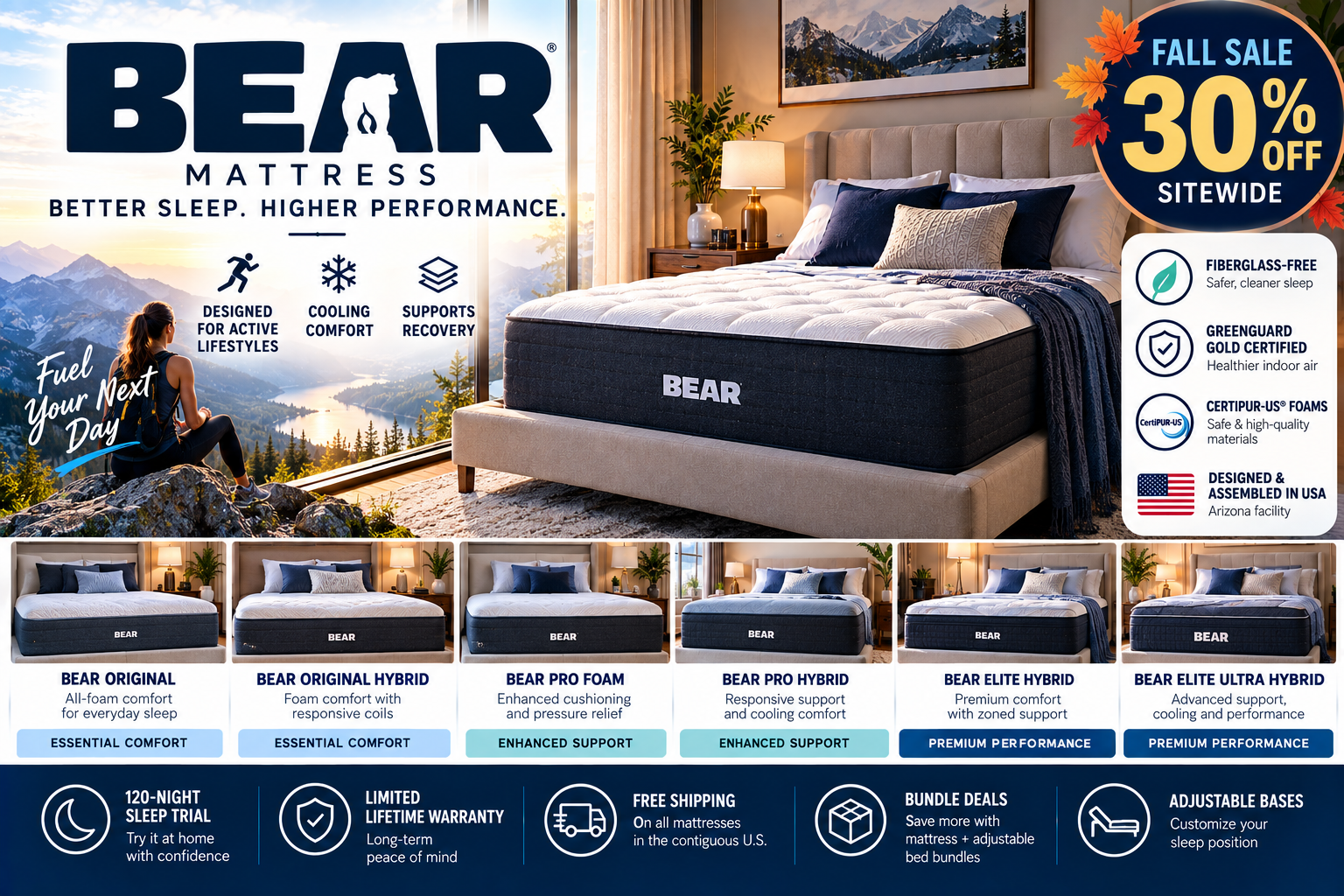
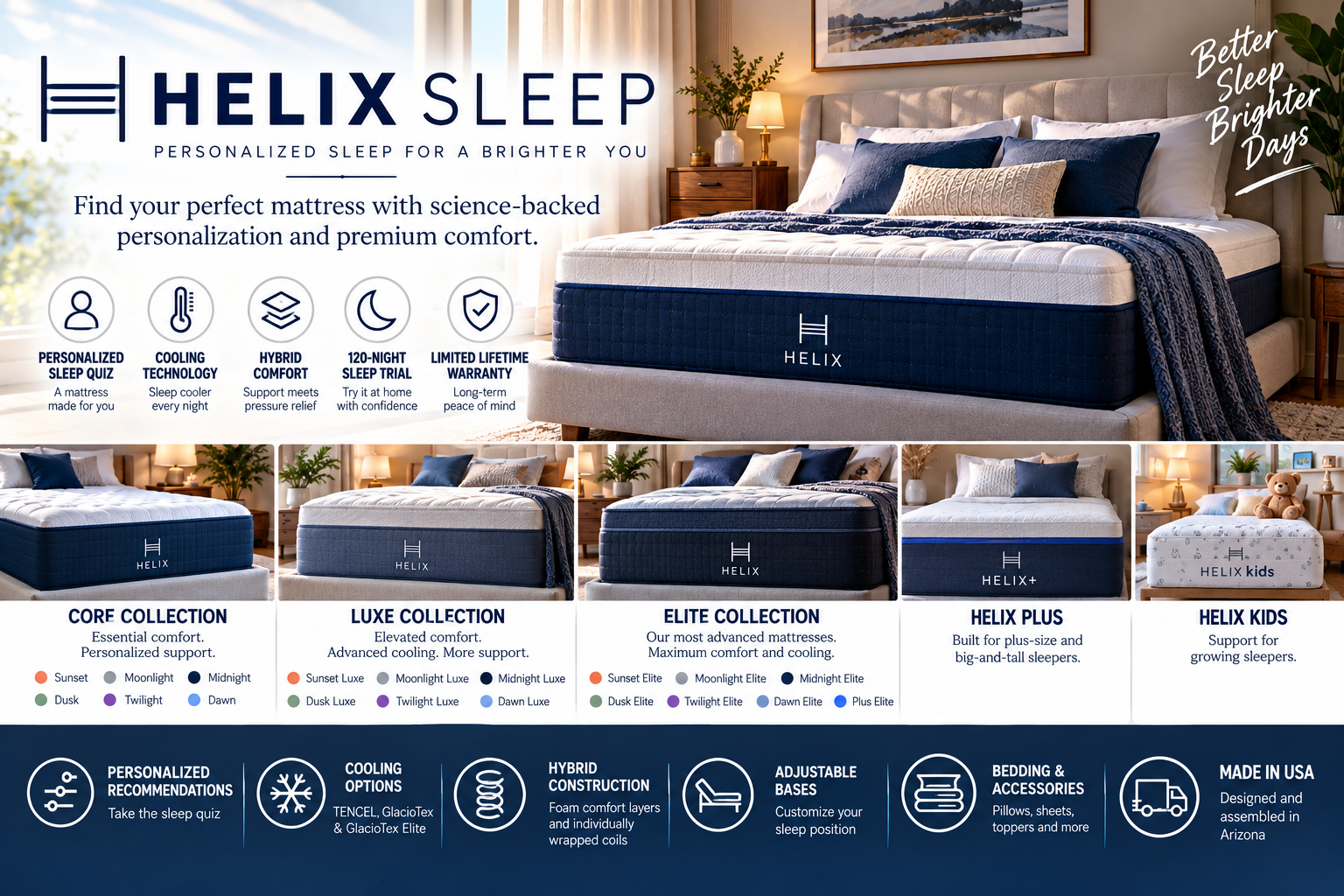
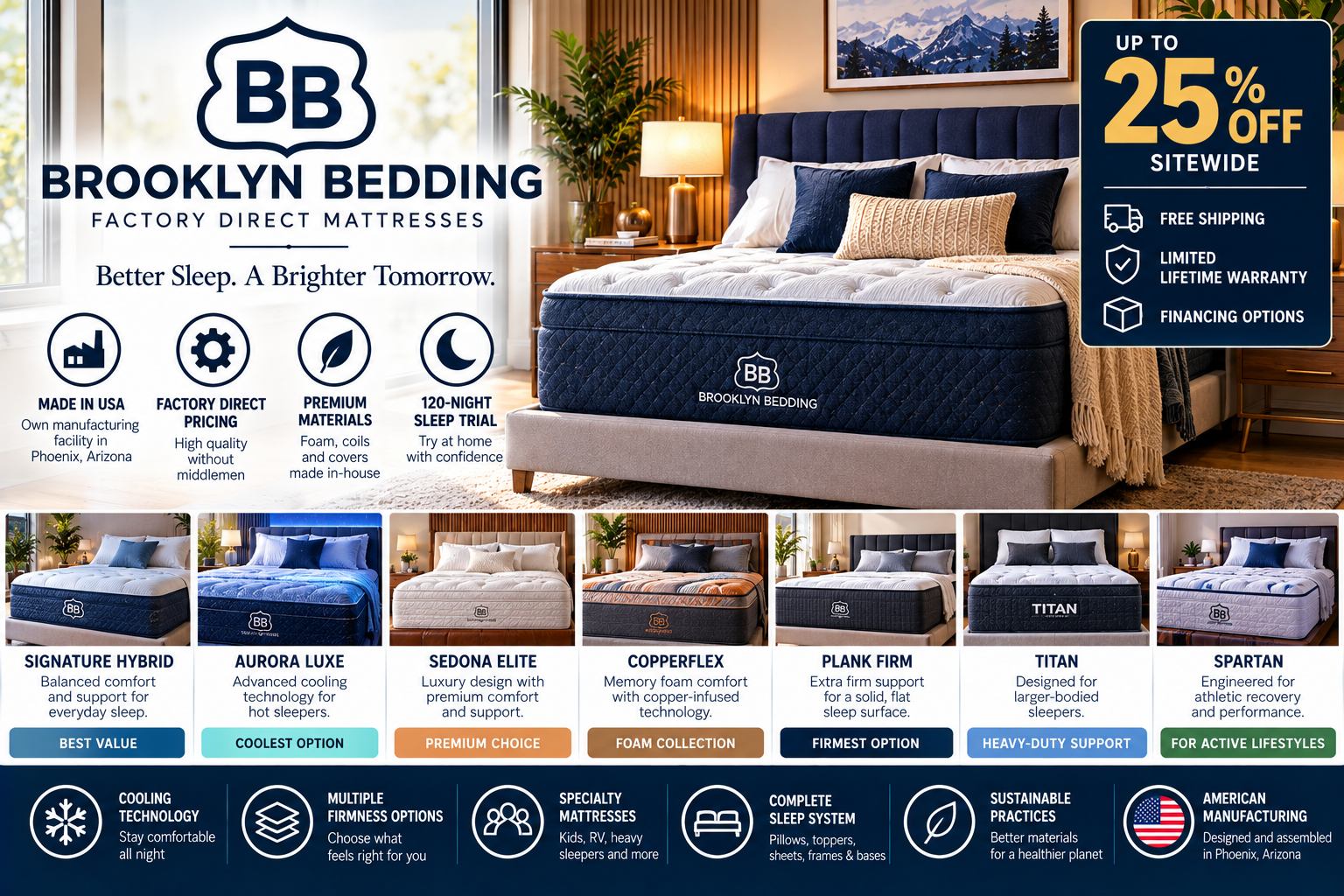
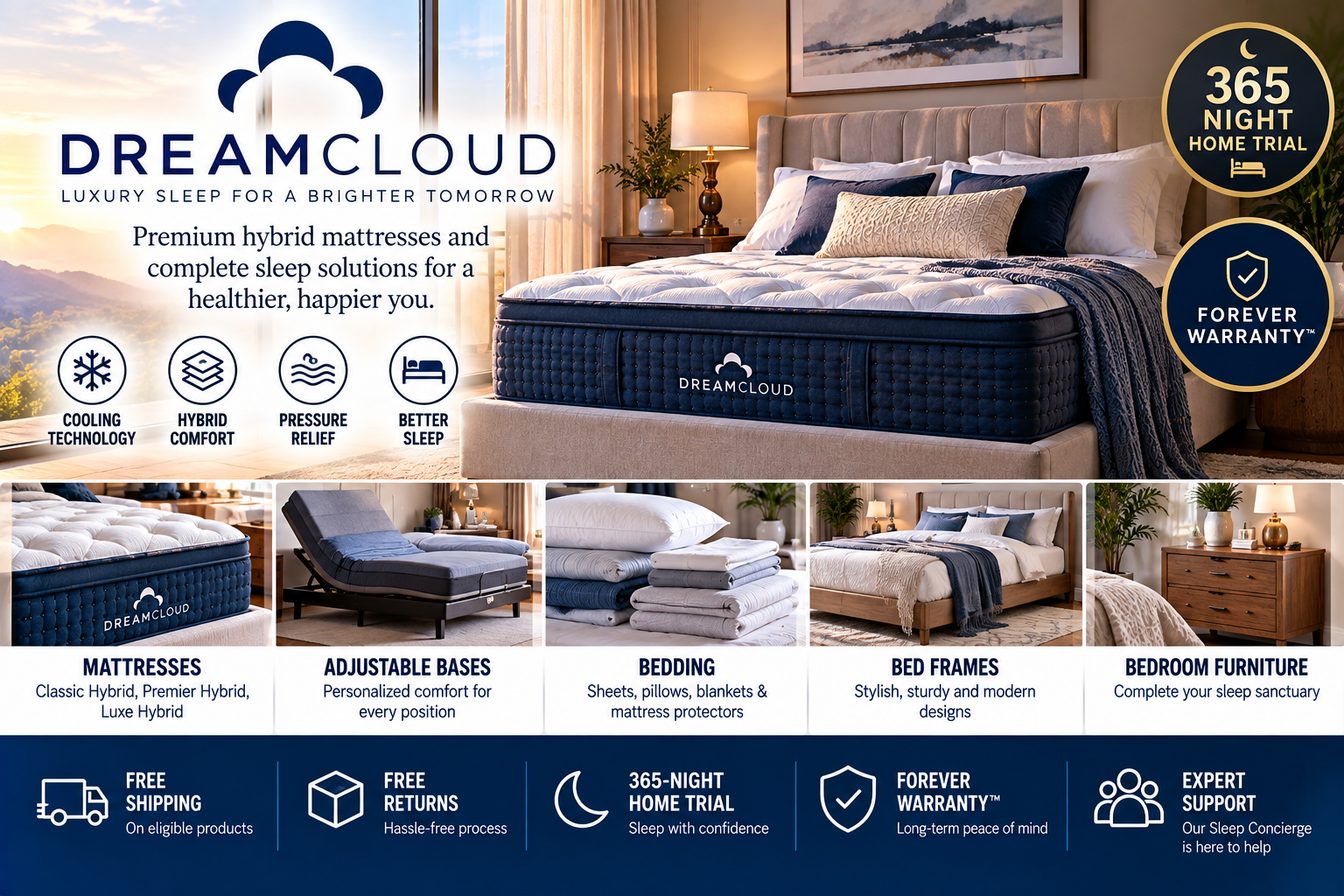
Quality mattresses
Soft lighting
Blackout curtains
Natural fabrics
Organized storage
Minimal clutter
Decorative artwork
Indoor plants
Color choices can also influence the atmosphere of the room. Warm neutrals, earthy shades, muted greens, and other nature-inspired colors can create a calm environment.
Lighting and Home Ambience
Lighting can dramatically change how a home looks and feels.
Rather than relying on a single overhead light, many interiors use multiple lighting layers.
These can include:
Ambient Lighting
General illumination for the room.
Task Lighting
Focused lighting for activities such as reading, cooking, studying, or working.
Accent Lighting
Lighting used to highlight artwork, shelves, architectural features, or decorative objects.
The same principle increasingly applies outdoors. In 2026, garden lighting trends include organic forms, warm illumination, and strategically layered lighting designed to create atmosphere without overwhelming the landscape.
The Rise of Indoor Plants
Houseplants remain an important part of home decoration.
Plants can add:
Color
Texture
Natural shapes
Visual interest
A connection with nature
Popular houseplant categories include tropical foliage plants, succulents, flowering plants, hanging plants, and low-maintenance varieties.
The RHS reported that houseplant sales increased by 15% in its retail data over the previous year, with plants such as Monstera and Dracaena among notable performers.
Creating an Indoor Plant Corner
A dedicated plant corner can transform an unused part of a room.
A simple arrangement might include:
A large floor plant
Several medium-sized plants
Smaller plants on shelves
Decorative pots
A nearby window
Appropriate lighting
Plant selection should always consider the available light, humidity, temperature, and maintenance requirements.
Gardening in 2026
Gardening is evolving beyond traditional flower beds.
Modern gardeners are increasingly interested in gardens that combine beauty, food production, wildlife support, sustainability, and practical maintenance.
The RHS identified climate resilience and nature-friendly gardening as major forces influencing its 2026 gardening predictions.
Naturalistic Gardens
Highly symmetrical landscapes are increasingly being complemented by more natural-looking planting schemes.
Naturalistic gardens can include:
Native plants
Wildflowers
Grasses
Pollinator-friendly flowers
Informal pathways
Shrubs
Trees
Water features
Wildlife habitats
The objective is to create an environment that feels connected to nature while still being intentionally designed.
Pollinator-Friendly Gardening
Pollinator gardens are becoming increasingly popular.
Flowers that attract bees, butterflies, and other beneficial insects can add both beauty and ecological value.
Gardeners can support pollinators by providing:
Flowering plants
Diverse plant species
Long flowering periods
Water sources
Shelter
Avoiding unnecessary pesticide use
The RHS has highlighted growing interest in plants that benefit wildlife and pollinators.
Edible Gardening
Growing food at home continues to attract gardeners.
Vegetables, herbs, fruits, and edible flowers can be grown in:
Backyards
Raised beds
Containers
Balconies
Terraces
Window boxes
Small urban gardens
The 2026 gardening trend toward edible plants is not limited to traditional vegetable patches. Compact varieties can be incorporated into ornamental gardens and containers.
Small-Space Vegetable Gardening
Limited space does not necessarily prevent people from growing food.
Container gardening can support plants such as:
Tomatoes
Chilies
Herbs
Lettuce
Cucumbers
Strawberries
Compact vegetables
The RHS has specifically identified compact edible plants and tabletop vegetables as part of its 2026 predictions.
Climate-Resilient Gardening
Weather conditions are becoming an increasingly important consideration when selecting plants.
Gardeners are looking for plants that can tolerate:
Heat
Drought
Heavy rain
Poor soil
Changing seasonal conditions
House Beautiful's 2026 garden trend coverage identifies heat- and drought-tolerant plants as an important direction, particularly for gardeners seeking attractive plants that require less intensive care.
Choosing appropriate plants for a local climate can reduce maintenance and improve garden resilience.
Outdoor Living
One of the biggest connections between home and garden is the expansion of living space outdoors.
Backyards, balconies, terraces, patios, and gardens can function as additional rooms.
Outdoor areas can be designed for:
Dining
Relaxing
Reading
Entertaining
Cooking
Gardening
Family activities
The 2026 trend toward “gardenscaping” emphasizes treating outdoor areas with the same planning and attention normally given to interiors.
Outdoor Furniture
Outdoor furniture has become more sophisticated, with products designed to combine comfort, durability, and style.
Common choices include:
Outdoor sofas
Dining tables
Lounge chairs
Benches
Daybeds
Outdoor rugs
Umbrellas
Shade structures
Fire pits
Decorative tables
Weather-resistant materials can help furniture withstand outdoor conditions.
Creating an Outdoor Living Room
A simple outdoor living room can include:
Seating: Comfortable sofas or lounge chairs.
Table: A central coffee or dining table.
Lighting: Warm outdoor lighting.
Plants: Containers, shrubs, or climbing plants.
Shade: Umbrellas, pergolas, or covered areas.
Accessories: Outdoor cushions, rugs, lanterns, and decorative objects.
This approach effectively extends the usable living area beyond the walls of the house.
Backyard Design
A backyard does not need to be enormous to become useful.
Good design starts by identifying how the space will be used.
A small backyard could include:
A compact dining area
Vertical gardening
Container plants
A small lawn
Built-in seating
Outdoor lighting
A larger backyard might accommodate:
Multiple seating zones
Dining space
Vegetable gardens
Trees
Fire features
Water features
Play areas
Outdoor kitchens
Designers are also exploring outdoor conversation areas that encourage people to sit together and socialize. Outdoor conversation pits have been identified as a notable 2026 design trend.
Sustainable Home & Garden
Sustainability is becoming an increasingly important consideration for both homes and gardens.
At home, sustainability can involve:
Energy-efficient appliances
LED lighting
Durable furniture
Repairing instead of replacing
Reducing unnecessary consumption
Efficient insulation
Water-saving fixtures
In gardens, sustainable approaches can include:
Composting
Rainwater collection where appropriate
Native plants
Pollinator gardens
Organic matter improvement
Reduced pesticide use
Drought-tolerant plants
Reusing materials
Sustainable design does not necessarily require expensive renovations. Small improvements can accumulate over time.
Smart Home Technology
Technology continues to become integrated into everyday residential life.
Smart-home products can include:
Smart lighting
Security cameras
Smart locks
Thermostats
Automated blinds
Smart speakers
Robot vacuum cleaners
Smart appliances
Energy monitoring systems
Irrigation controllers
The most useful smart-home technology is generally technology that solves a practical problem rather than simply adding another connected device.
Home Improvement and DIY
DIY projects remain an accessible way to refresh a home.
Small projects can include:
Painting a room
Installing shelves
Updating cabinet hardware
Creating a gallery wall
Refinishing furniture
Organizing a closet
Building raised garden beds
Installing garden lighting
Creating container gardens
More complex projects involving electrical, structural, plumbing, or gas systems should be handled by qualified professionals where required.
Home & Garden Shopping
The growth of online shopping has made it easier to compare home and garden products.
Consumers can research:
Furniture
Mattresses
Appliances
Garden tools
Plants
Lighting
Outdoor furniture
Storage products
Home décor
Smart-home devices
Before purchasing, shoppers should consider dimensions, materials, warranties, shipping costs, maintenance requirements, return policies, and product reviews.
How to Shop for Home Products
A useful shopping process is:
1. Identify the problem
Determine what you actually want to improve.
2. Measure the space
Measurements are especially important for furniture, appliances, rugs, shelving, and outdoor products.
3. Compare materials
Consider durability, maintenance, appearance, and intended use.
4. Compare prices
Look beyond the advertised price and consider shipping, installation, accessories, and maintenance.
5. Check policies
Review warranty and return conditions before purchasing.
6. Consider long-term value
The cheapest product is not always the least expensive option over its useful life.
Home & Garden Trends to Watch in 2026
Several themes stand out across current home and garden coverage.
1. Indoor-Outdoor Connection
The boundary between interior and exterior living spaces continues to become less distinct.
2. Naturalistic Landscaping
Gardens are becoming more relaxed, biodiverse, and connected to local ecosystems.
3. Edible Ornamentals
Food-producing plants are increasingly being incorporated into decorative gardens.
4. Climate-Ready Plants
Heat- and drought-tolerant varieties are gaining attention as gardeners respond to changing conditions.
5. Personalized Interiors
Homeowners are choosing designs that reflect their personalities rather than following a single standardized aesthetic.
6. Outdoor Entertainment
Patios and gardens are increasingly designed around dining, socializing, and relaxation.
7. Small-Space Gardening
Balconies, terraces, window boxes, and containers allow people without large yards to participate in gardening.
8. Warm Outdoor Lighting
Layered, softer lighting is being used to make outdoor spaces more comfortable after sunset.
How to Refresh Your Home and Garden on a Budget
A complete renovation is not always necessary.
Affordable improvements can include:
Rearranging furniture
Adding plants
Repainting a feature wall
Changing cabinet handles
Adding outdoor cushions
Installing simple lighting
Creating a small herb garden
Decluttering storage areas
Adding decorative planters
Refreshing an entrance area
Creating a small outdoor seating zone
Even small improvements can change how a space looks and functions.
The Future of Home & Garden
The future of home and garden design is likely to combine technology with natural living.
Smart products can make homes more efficient and convenient, while plants, natural materials, outdoor spaces, and sustainable practices can create stronger connections with nature.
Rather than chasing a single design trend, homeowners increasingly have the opportunity to create spaces based on how they actually live.
The most successful home and garden projects may therefore be those that combine comfort, functionality, personality, sustainability, and adaptability.
Frequently Asked Questions
What is Home & Garden?
Home & Garden is a broad lifestyle category covering home décor, furniture, organization, improvement, gardening, landscaping, outdoor living, plants, tools, and related products.
What are the biggest garden trends in 2026?
Current 2026 coverage highlights naturalistic planting, pollinator-friendly gardens, edible gardening, climate-resilient plants, small-space growing, and gardens designed as outdoor living spaces.
Is indoor-outdoor living still popular in 2026?
Yes. Current design coverage shows continued interest in treating gardens, patios, and terraces as extensions of indoor living spaces.
What are good plants for a small garden?
Compact vegetables, herbs, container plants, dwarf varieties, and plants suited to the local climate can work well in smaller spaces.
How can I make my garden more sustainable?
Consider climate-appropriate plants, pollinator-friendly planting, composting, water-conscious gardening, reduced pesticide use, and reusable or durable materials.
How can I improve my home without spending a lot?
Decluttering, rearranging furniture, adding plants, changing lighting, repainting, improving storage, and refreshing outdoor areas can make noticeable differences without a complete renovation.
Conclusion
Home & Garden has evolved into a lifestyle category centered on creating spaces that are comfortable, practical, attractive, and personal.
In 2026, home design is increasingly focused on personality and lived-in comfort, while gardening is moving toward naturalistic planting, edible crops, pollinator support, climate resilience, and outdoor experiences.
Whether the project involves redesigning a living room, creating a balcony garden, upgrading a backyard, adding smart-home technology, or simply organizing a kitchen, thoughtful improvements can make everyday spaces more enjoyable.
The strongest Home & Garden approach is not necessarily about following every trend. It is about choosing ideas, products, plants, and design solutions that fit the space, climate, lifestyle, and people who use it.