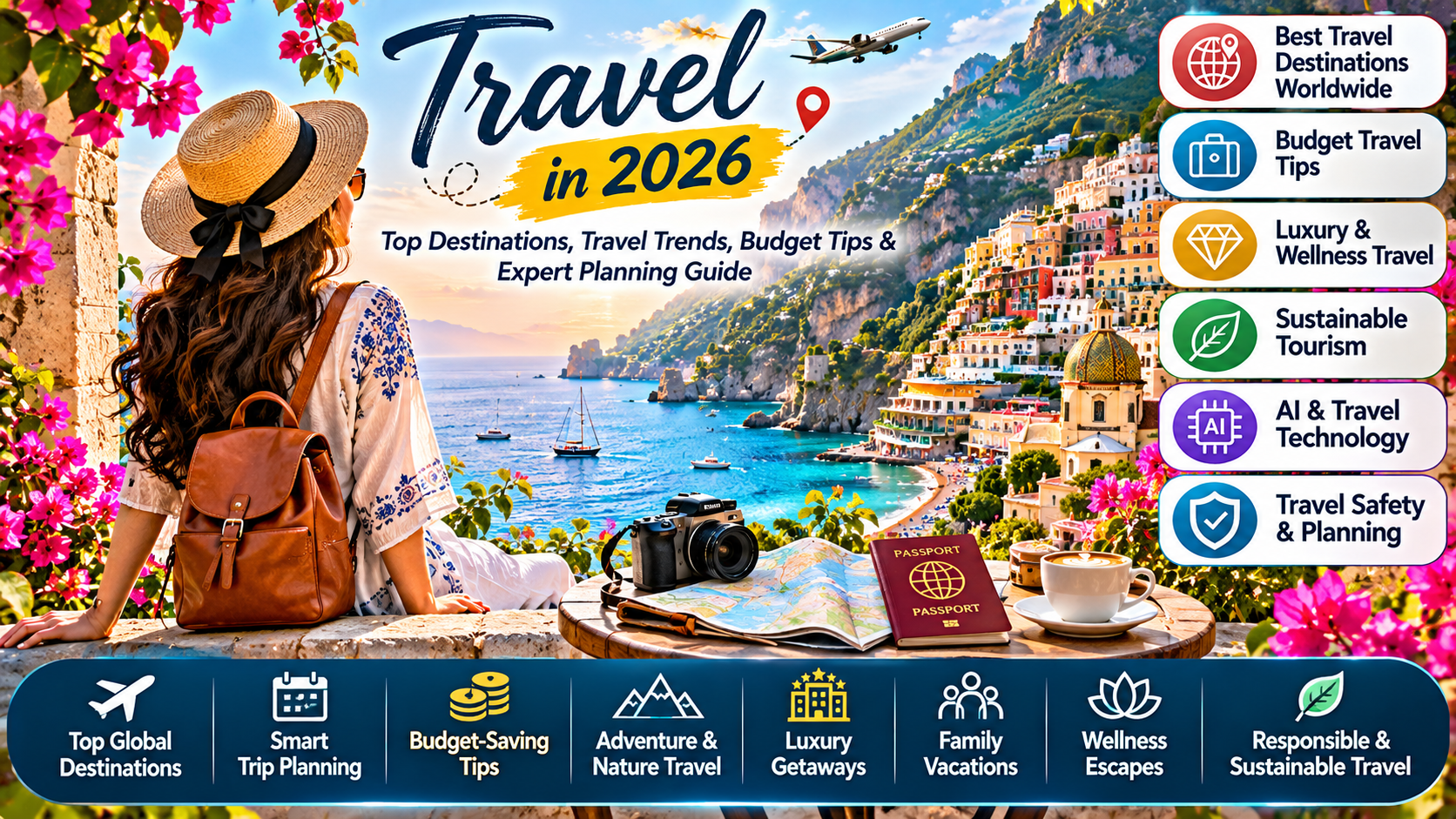
Travel is more than moving from one destination to another. It is an opportunity to discover new cultures, experience different lifestyles, explore natural landscapes, enjoy local cuisine, and create unforgettable memories. Whether someone is planning a relaxing beach vacation, an adventurous mountain expedition, a family holiday, or an international business trip, travel offers experiences that can enrich everyday life.
In 2026, the global travel industry continues to evolve through digital innovation, changing consumer preferences, improved transportation, and growing interest in personalized experiences. Travelers increasingly use online platforms and artificial intelligence tools to research destinations, compare accommodation, build itineraries, and discover activities.
According to the World Economic Forum's 2026 Travel & Tourism Development Index, tourism infrastructure, air connectivity, and digital readiness have improved across much of the world. However, affordability and sustainability remain important challenges for the industry.
This guide explores the different types of travel, popular destinations, planning strategies, tourism technology, sustainable tourism, and the trends shaping the future of travel.
1. What Is Travel?
Travel refers to moving from one location to another for leisure, business, education, family visits, adventure, or other personal and professional purposes.
People travel within their own countries as well as internationally. Some prefer short weekend trips, while others plan extended holidays lasting several weeks or months.
Travel can provide several benefits:
Cultural experiences: Discover traditions, languages, food, and lifestyles.
Personal development: Build independence, confidence, and adaptability.
Relaxation: Take a break from everyday responsibilities.
Education: Learn about history, geography, architecture, and different communities.
Professional opportunities: Attend conferences, meetings, exhibitions, and international events.
Social connections: Spend quality time with friends, relatives, and other travelers.
2. Different Types of Travel
Travel experiences vary depending on individual interests, budgets, and objectives. Understanding the different travel categories can help people choose the right type of vacation.
Leisure Travel
Leisure travel is undertaken primarily for relaxation and entertainment. It includes beach holidays, sightseeing, shopping trips, resort stays, and visits to popular tourist attractions.
Adventure Travel
Adventure travel focuses on outdoor activities and exciting experiences. Popular examples include:
Mountain climbing
Hiking and trekking
Scuba diving
Wildlife exploration
Desert safaris
Skiing and snowboarding
Camping and nature exploration
Luxury Travel
Luxury travel emphasizes premium accommodation, personalized services, exclusive experiences, fine dining, private transportation, and high-end resorts.
Budget Travel
Budget travel allows people to explore destinations while controlling expenses. Travelers may choose affordable hotels, hostels, public transportation, local restaurants, and flexible travel dates.
Family Travel
Family travel involves vacations planned around the needs of parents, children, and other relatives. Family-friendly hotels, safe transportation, entertainment, and convenient facilities are important considerations.
Business Travel
Business travel includes professional trips for meetings, conferences, exhibitions, corporate events, and client relationships.
Cultural and Historical Travel
Cultural travel focuses on historical landmarks, museums, religious sites, architecture, traditional festivals, and local communities.
Wellness Travel
Wellness travel includes vacations designed around relaxation and personal well-being. Examples include spa retreats, yoga holidays, nature escapes, and wellness resorts.
3. Popular Travel Destinations Around the World
Different destinations attract visitors for their scenery, cultural heritage, entertainment, shopping, and unique experiences.
Europe
Europe offers historical cities, architectural landmarks, museums, countryside landscapes, and diverse cultural experiences.
Popular destinations include:
Paris, France: Known for the Eiffel Tower, museums, fashion, and romantic experiences.
Rome, Italy: Famous for ancient Roman architecture, historical monuments, and Italian cuisine.
Barcelona, Spain: Recognized for its architecture, beaches, art, and lively atmosphere.
Zurich, Switzerland: Popular for its lakes, mountain scenery, and organized urban environment.
London, United Kingdom: Offers historic attractions, shopping, entertainment, and cultural institutions.
Asia
Asia combines modern cities, traditional cultures, tropical islands, historical sites, and diverse culinary experiences.
Popular destinations include:
Tokyo, Japan: Known for technology, shopping, food, and traditional neighborhoods.
Bali, Indonesia: Popular for beaches, resorts, temples, and nature.
Bangkok, Thailand: Famous for street food, shopping, temples, and nightlife.
Singapore: Recognized for modern architecture, gardens, shopping, and urban attractions.
Seoul, South Korea: Offers contemporary culture, entertainment, fashion, and historical landmarks.
Middle East
The Middle East attracts travelers through religious tourism, luxury hospitality, desert landscapes, modern architecture, and historical destinations.
Popular destinations include:
Dubai, UAE: Known for luxury shopping, modern attractions, beaches, and entertainment.
Abu Dhabi, UAE: Offers cultural landmarks, museums, beaches, and impressive architecture.
Makkah, Saudi Arabia: A major destination for Islamic pilgrimage and religious travel.
Madinah, Saudi Arabia: An important destination for Islamic history and religious visits.
Doha, Qatar: Known for modern architecture, museums, shopping, and cultural experiences.
North America
North America offers major cities, national parks, beaches, entertainment, and road-trip opportunities.
Popular destinations include New York, Los Angeles, Toronto, Vancouver, Las Vegas, and the Canadian Rocky Mountains.
South America
South America attracts travelers interested in biodiversity, cultural heritage, mountains, rainforests, and historical civilizations.
Popular destinations include Rio de Janeiro, Buenos Aires, Cusco, Patagonia, and the Amazon region.
4. How to Plan a Successful Trip
A well-planned trip can reduce unnecessary expenses, avoid last-minute problems, and make the overall experience more enjoyable.
Step 1: Choose Your Destination
Start by identifying the purpose of your trip. Decide whether you want relaxation, adventure, sightseeing, shopping, religious travel, or a combination of experiences.
Research the destination's climate, local customs, transportation, safety conditions, and entry requirements.
Step 2: Set a Travel Budget
Calculate the approximate cost of transportation, accommodation, meals, activities, insurance, and additional expenses.
A basic travel budget may include:
Expense | What to Consider |
|---|---|
Flights | Return tickets, baggage, and additional fees |
Accommodation | Hotels, resorts, hostels, or apartments |
Transportation | Public transport, taxis, car rentals |
Food | Restaurants, groceries, and local cuisine |
Activities | Tours, attractions, and entertainment |
Documentation | Visas, permits, and travel documents |
Emergency funds | Unexpected costs and changes |
Step 3: Research Flights and Accommodation
Compare different airlines, routes, hotels, and booking platforms. Check baggage allowances, cancellation conditions, location, customer reviews, and additional charges before confirming a reservation.
Step 4: Check Travel Documents
International travelers should check passport validity, visa requirements, entry conditions, transit regulations, and any required health documentation.
Requirements vary by nationality and destination, so use official government and embassy websites for the latest information.
Step 5: Create an Itinerary
Organize your trip into daily activities while leaving enough flexibility for unexpected opportunities.
Avoid scheduling too many activities in one day. Allow time for transportation, meals, rest, and exploring local neighborhoods.
Step 6: Arrange Travel Insurance
Travel insurance may provide protection for eligible medical emergencies, trip cancellations, lost baggage, and other covered incidents. Compare policy limits and exclusions before purchasing.
5. Budget Travel: How to Explore More for Less
Travel does not always require a large budget. With careful research and flexible planning, travelers can discover attractive destinations without spending excessively.
Here are practical ways to reduce travel expenses:
Compare flights across different dates and departure times.
Consider alternative airports when transportation costs make sense.
Book accommodation based on location, reviews, and total cost.
Use public transportation where it is reliable and practical.
Explore local restaurants and traditional food markets.
Look for free museums, walking tours, parks, and cultural attractions.
Travel outside peak tourist periods when possible.
Check baggage fees and other additional charges before booking.
Use legitimate travel discounts and loyalty programs.
Keep an emergency budget separate from planned spending.
Important: The cheapest option is not always the best option. Consider convenience, safety, reliability, and cancellation policies when comparing travel deals.
6. Travel Technology: How Digital Innovation Is Changing Tourism
Technology has transformed how travelers discover destinations, book trips, navigate cities, and communicate with service providers.
Artificial Intelligence in Travel
Artificial intelligence can help travelers:
Generate personalized travel itineraries.
Discover destinations based on preferences.
Compare accommodation and activities.
Translate languages.
Find local attractions.
Organize trip information.
AI can make research more efficient, but travelers should independently verify prices, booking conditions, opening hours, and entry requirements.
Online Booking Platforms
Digital platforms allow travelers to compare flights, hotels, rental cars, and holiday packages. They also provide customer reviews, photographs, and booking information.
Digital Payments
Contactless payments, mobile wallets, and digital banking services make transactions more convenient in many destinations. Travelers should still carry an alternative payment method.
Navigation Applications
Digital maps and navigation applications help travelers locate attractions, restaurants, hotels, public transportation, and nearby services.
Virtual Travel Experiences
Virtual tours allow people to explore museums, landmarks, and destinations online before deciding where to visit.
7. Sustainable Tourism: Traveling Responsibly
Sustainable tourism focuses on reducing negative environmental and social impacts while supporting local communities and economies.
As global travel expands, destinations face challenges involving waste management, natural resource consumption, emissions, and overcrowding.
Travelers can make more responsible choices through simple actions:
Choose accommodation with credible environmental practices.
Avoid littering and reduce single-use plastic.
Respect wildlife and natural habitats.
Support locally owned restaurants and businesses.
Respect local traditions, customs, and religious practices.
Follow designated trails and protected-area regulations.
Consider trains, buses, or other lower-impact transportation when practical.
Avoid activities that exploit animals or damage ecosystems.
Responsible travel benefits destinations by encouraging tourism that respects local communities and natural environments.
8. Important Travel Safety Tips
Safety should be a priority before and during every trip.
Consider these recommendations:
Keep digital and physical copies of important travel documents.
Research local laws and cultural expectations.
Use licensed transportation providers.
Keep valuables secure in crowded locations.
Avoid sharing sensitive travel details publicly in real time.
Check official weather and travel advisories.
Keep emergency contact information accessible.
Use secure internet connections when accessing financial accounts.
Inform a trusted person about your itinerary.
Follow local authorities' instructions during emergencies.
Travelers should also research healthcare facilities and emergency services at their destination.
9. Travel Trends Shaping the Industry in 2026
The travel industry is evolving as consumers seek better experiences, convenience, value, and more personalized services.
AI-Powered Trip Planning
AI-based tools are increasingly influencing destination discovery, itinerary creation, customer support, and travel recommendations.
Experience-Focused Travel
Many travelers prioritize memorable experiences, cultural connections, food, nature, and activities rather than simply visiting famous landmarks.
Sustainable Travel
Environmental awareness is encouraging travelers and tourism businesses to consider responsible transportation, accommodation, and destination management.
Personalized Accommodation
Hotels and hospitality companies are exploring more customized guest experiences, including personalized services, digital check-in, and technology-enabled facilities.
Wellness Tourism
Nature retreats, wellness resorts, relaxation holidays, and health-focused experiences continue to attract travelers seeking breaks from demanding routines.
Pet-Friendly Travel
More tourism providers are considering the needs of travelers who want to bring their pets on holiday, including pet-friendly accommodation and transportation options.
Value-Conscious Travel
Rising costs are encouraging many consumers to compare prices carefully, adjust trip lengths, and prioritize the experiences that matter most.
The World Economic Forum and other industry research organizations identify digital readiness, affordability, connectivity, and sustainability as important factors influencing tourism development in 2026.
10. The Economic Importance of the Travel Industry
Travel and tourism contribute to economic activity across many countries. The industry supports airlines, hotels, restaurants, tour operators, transportation providers, retailers, and entertainment businesses.
Its economic importance includes:
Employment: Creates jobs in hospitality, transportation, tourism services, and related sectors.
International business: Supports global conferences, professional events, and commercial relationships.
Local development: Generates income for restaurants, shops, guides, and small businesses.
Infrastructure investment: Encourages improvements in airports, roads, accommodation, and public facilities.
Cultural exchange: Creates opportunities for visitors and local communities to interact.
The World Travel & Tourism Council projected that global Travel & Tourism would contribute approximately $12 trillion to the world economy in 2026 and support around 376 million jobs worldwide. These are industry forecasts, not final year-end results.
11. The Future of Travel
The future of travel will likely be shaped by technology, changing consumer expectations, environmental considerations, and improvements in transportation.
Several developments may influence the industry over the coming years.
Smarter travel planning: AI-powered services may increasingly combine destination discovery, accommodation research, transportation, and itinerary management.
Improved digital experiences: Biometric systems, digital identity solutions, and online services may make some airport and hotel processes more efficient, subject to local regulations and adoption.
More personalized holidays: Travel companies may offer increasingly customized packages based on budgets, interests, accessibility needs, and travel history.
Sustainable infrastructure: Investment in energy-efficient buildings, public transport, and environmental protection may become more important for tourism destinations.
Emerging destinations: Improved connectivity and tourism investment may create opportunities for less-visited regions to attract international visitors.
The long-term success of tourism will depend on balancing economic growth with affordability, environmental protection, and benefits for local communities.
12. Frequently Asked Questions About Travel
What are the most popular types of travel?
Popular types include leisure, adventure, luxury, budget, family, business, cultural, and wellness travel.
How can I plan a trip on a limited budget?
Compare transportation and accommodation prices, travel during less busy periods, use public transport, explore affordable dining options, and plan your expenses in advance.
What documents are required for international travel?
Requirements depend on the destination and the traveler's nationality. Common documents include a valid passport, visa where required, travel bookings, and any additional documents specified by immigration authorities.
How does AI help with travel planning?
AI can assist with destination research, personalized itineraries, activity suggestions, translation, and organizing travel information. Important details should always be verified through reliable sources.
What is sustainable tourism?
Sustainable tourism aims to reduce negative environmental and social impacts while supporting local communities, cultural heritage, and long-term economic development.
What should I consider before booking a hotel?
Check its location, total price, guest reviews, available facilities, cancellation policy, safety, and transportation access.
Is travel insurance necessary?
Travel insurance is not mandatory for every trip, but it can provide valuable financial protection against eligible unexpected events. Some destinations or visa categories may require specific coverage.
What are the major travel trends in 2026?
Major trends include AI-powered trip planning, personalized travel experiences, sustainable tourism, wellness holidays, pet-friendly accommodation, and value-conscious travel.
Conclusion
Travel in 2026 offers more opportunities than ever to explore destinations, experience different cultures, and discover new ways of enjoying the world. Digital platforms, artificial intelligence, improved connectivity, and personalized services are transforming how people plan and experience their journeys.
However, successful travel still depends on thoughtful preparation. Choosing suitable destinations, managing expenses, checking official travel requirements, prioritizing safety, and respecting local communities can make every journey more rewarding.
Whether planning a short weekend escape, a family holiday, an international adventure, or a business trip, informed decisions can help travelers make the most of their time and budget.
As the global tourism industry continues to develop, the most meaningful travel experiences will combine convenience, discovery, responsible choices, and authentic connections.