
The Bank of Japan (BOJ) took another significant step toward monetary policy normalization on June 16, 2026, raising its benchmark interest rate by 25 basis points to 1.00%, the highest level seen in more than three decades. While the move was widely anticipated by economists and financial markets, its importance extends far beyond Japan’s borders.
According to analysts at ClearSky Capital, the latest rate increase represents a structural shift in the global investment landscape, with potential implications for equities, currencies, bond markets, and international capital flows throughout the remainder of 2026.
The End of an Era for Ultra-Low Rates
For nearly three decades, Japan maintained ultra-low interest rates, making the yen a major source of inexpensive funding for global investors. The latest Bank of Japan rate hike to 1.00% signals growing confidence in the country’s economic recovery, supported by stronger wage growth, improving corporate profits, and a more stable inflation environment.
Although the increase was only 25 basis points, it marks a broader shift away from the monetary policies that have influenced global investment strategies for years, making it a development that investors worldwide are watching closely.
Why the Yen Carry Trade Matters
One of the biggest implications of higher Japanese interest rates is the potential impact on the yen carry trade, a strategy in which investors borrow yen at low rates and invest in higher-yielding assets such as U.S. stocks, Treasury bonds, and emerging-market debt.
As Japanese rates rise, the cost of borrowing increases, making the strategy less attractive and potentially encouraging investors to reduce leveraged positions. This could lead to capital flowing out of risk assets, affecting not only currency markets but also equities, bonds, and overall investor sentiment. Continued BOJ tightening may therefore have broader implications for global financial markets.
Japanese Equities Continue to Find Support
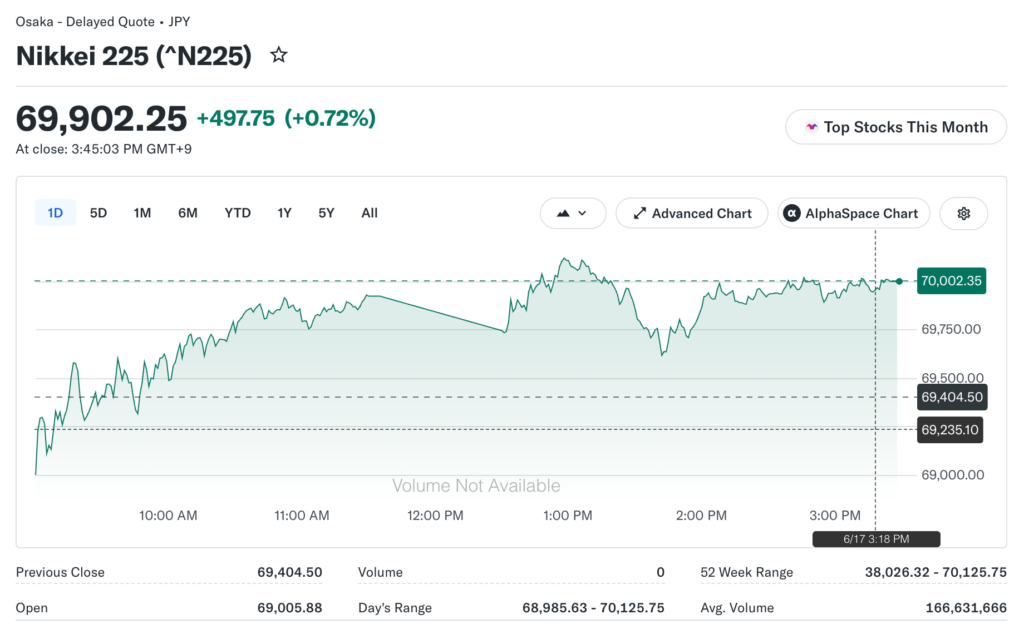
Despite the Bank of Japan’s tightening cycle, Japanese equities have remained resilient, with the Nikkei 225 reaching record highs amid improving investor sentiment. Supportive factors include corporate governance reforms, increased share buybacks, stronger capital efficiency, and rising wages that could boost domestic consumption.
Analysts also expect Japanese corporate earnings growth to accelerate in 2026, helping offset concerns about higher interest rates. However, the benefits are likely to vary by sector. Financial stocks may benefit from improved lending margins, while export-oriented companies could face pressure if a stronger yen reduces the value of overseas earnings. As a result, investors may increasingly favor sector-specific opportunities over broad market exposure.
Potential Pressure on U.S. Equities
While Japanese markets have largely absorbed the BOJ’s latest rate hike, the potential impact on U.S. equities remains an important consideration. Rising borrowing costs in Japan could trigger a carry trade unwind, where investors reduce positions financed through low-cost yen loans.
Such selling activity can create short-term market volatility, particularly in high-growth and technology stocks that have benefited from strong international capital flows. Although investors are better prepared for these risks than in previous episodes, even a partial unwind could increase market fluctuations. The combined influence of Bank of Japan policy and future Federal Reserve decisions may play a key role in shaping global investor sentiment during the second half of 2026.
Currency Markets Could Influence Corporate Earnings
Another key factor for investors is the outlook for the Japanese yen. As the interest-rate gap between Japan and the United States narrows, many analysts expect the yen to strengthen against the U.S. dollar.
A stronger yen can create challenges for multinational companies with significant exposure to Japan, including Apple, NVIDIA, and Salesforce. When the yen appreciates, revenue generated in Japan converts into fewer U.S. dollars, potentially creating earnings headwinds even if local demand remains strong. As a result, foreign exchange movements could become an increasingly important factor during the upcoming earnings seasons.
Bond Markets May Feel the Impact as Well
The impact of higher Japanese interest rates extends beyond stocks and currencies into the bond market. Following the BOJ’s decision, the yield on the 10-year Japanese Government Bond (JGB) rose above 2%, reaching levels not seen in decades.
Higher domestic yields could encourage Japanese pension funds, insurers, and asset managers to allocate more capital to local bonds rather than overseas investments. If that happens, demand for assets such as U.S. Treasuries may weaken, potentially putting upward pressure on global borrowing costs and tightening financial conditions. As a result, investors are closely monitoring Japanese bond markets for signals about future capital flows and global liquidity trends.
A New Variable for Global Investors
The Bank of Japan’s latest rate hike represents more than a routine policy move—it signals a continued shift away from the ultra-loose monetary policies that have shaped global markets for decades. While the immediate reaction has been relatively calm, the longer-term effects could be significant.
Changes in carry trade activity, currency markets, bond flows, and global investor positioning have the potential to influence financial conditions worldwide. As Japan continues its path toward policy normalization, investors will be closely monitoring how the BOJ’s decisions affect global markets throughout the second half of 2026.


