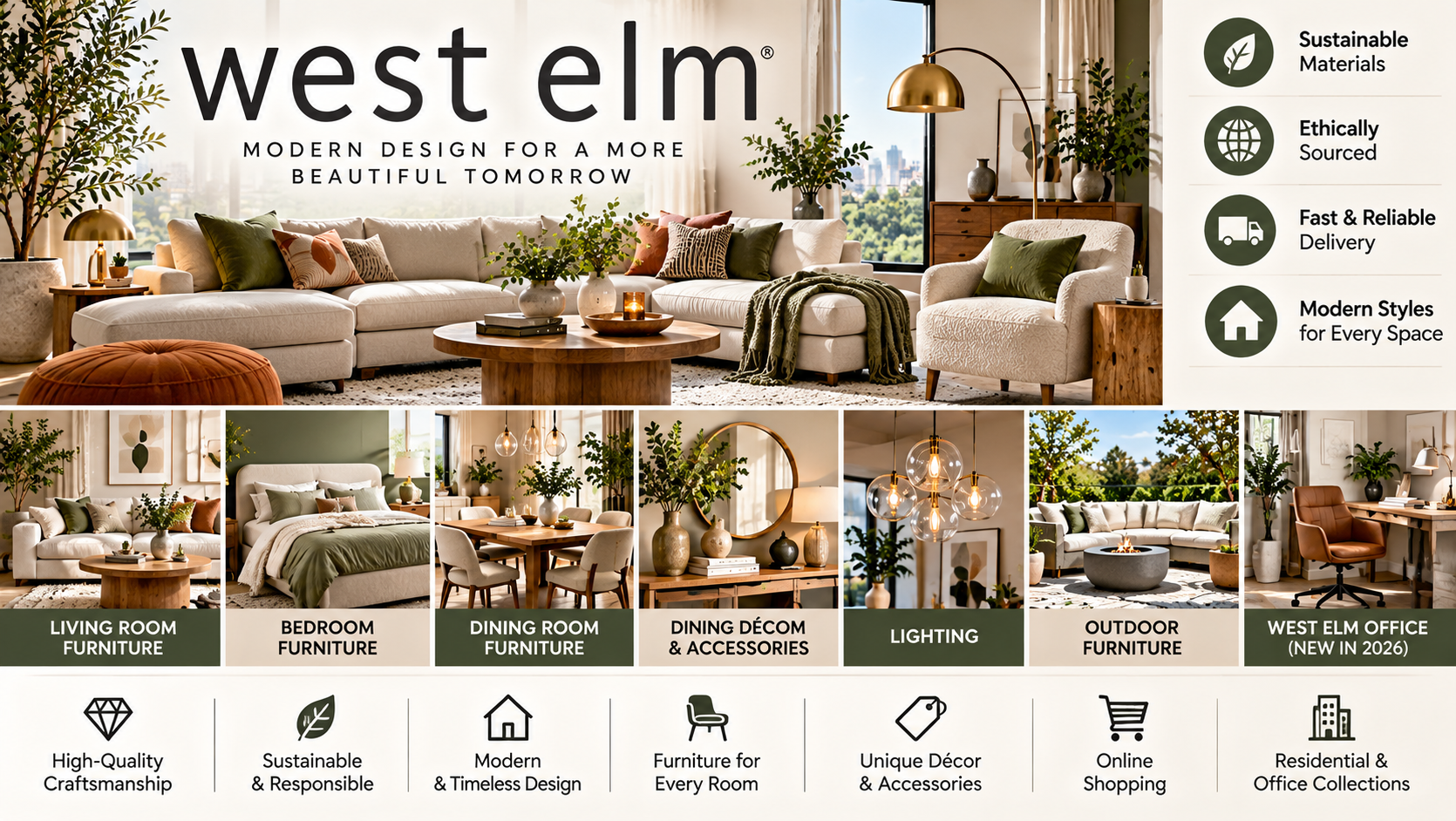
Creating a comfortable and stylish home is about more than choosing furniture. It involves combining design, functionality, quality materials, and personal taste. West Elm has established itself as a recognizable name in modern home furnishings by offering contemporary furniture, decorative accessories, lighting, bedding, and products designed to bring personality into residential spaces.
Founded in Brooklyn, New York, in 2002, West Elm operates as part of Williams-Sonoma, Inc. The brand focuses on modern design, accessible style, craftsmanship, and responsible sourcing. Its collections are available through online shopping and retail stores, serving customers looking for coordinated home furnishings and distinctive interior design.
In 2026, West Elm continues to develop its position in the home furnishings market through product innovation, digital retail, sustainability initiatives, and new business opportunities, including its West Elm Office offering.
This guide explores West Elm's history, product categories, shopping experience, design philosophy, sustainability commitments, business model, competitors, and future opportunities.
1. What Is West Elm?
West Elm is an American home furnishings and lifestyle brand specializing in modern furniture, home accessories, textiles, lighting, and decorative products. It aims to make contemporary interior design accessible through thoughtfully designed collections and collaborations with independent makers and artisans.
The brand is known for combining clean lines, natural materials, contemporary colors, and practical functionality. Its products are designed for customers who want their living spaces to feel modern, welcoming, and personalized.
West Elm is part of Williams-Sonoma, Inc., a publicly traded home furnishings retailer whose portfolio also includes Pottery Barn, Pottery Barn Kids, Pottery Barn Teen, Rejuvenation, and other brands.
West Elm's identity is built around several principles:
Modern and contemporary design.
Functional furniture for everyday living.
Distinctive decorative accessories.
Artisan-inspired craftsmanship.
Responsible material sourcing.
Online and physical retail experiences.
The company describes its design philosophy as an intersection of creativity, style, and purpose.
2. History and Development of West Elm
West Elm was established in Brooklyn, New York, in 2002. From the beginning, the brand aimed to provide modern home furnishings with a distinctive design identity.
Its development has been influenced by changing customer preferences, contemporary interior design, international craftsmanship, and the expansion of online shopping.
Important milestones
Year | Milestone |
|---|---|
2002 | West Elm was founded in Brooklyn, New York. |
2000s | The brand expanded its furniture, textiles, lighting, and home accessory collections. |
2010s | Sustainability, artisan partnerships, and Fair Trade products became increasingly important to its identity. |
2014 | West Elm became the first U.S. home retailer to carry Fair Trade Certified products. |
2020s | Digital shopping, modern collections, and responsible sourcing continued to shape its retail strategy. |
2026 | The brand expanded its business offering with the launch of West Elm Office. |
West Elm's history demonstrates how a furniture retailer can build a recognizable identity by combining product design, lifestyle branding, and a strong connection with customers.
3. West Elm Furniture Collections
Furniture is one of West Elm's most important product categories. The brand offers furnishings for different rooms, including living rooms, bedrooms, dining spaces, and home offices.
Its collections combine modern styling with practical features for everyday use.
Living Room Furniture
West Elm offers furniture designed to make living rooms comfortable, functional, and visually appealing.
Popular product categories include:
Sofas and sectional sofas.
Armchairs and accent chairs.
Coffee tables.
Side tables.
Media consoles.
Bookcases and shelving.
Ottomans and benches.
Customers can explore different upholstery materials, colors, shapes, and finishes to create coordinated living spaces.
Bedroom Furniture
Bedroom collections focus on comfort, storage, and contemporary design.
Products include:
Beds and bed frames.
Nightstands.
Dressers and wardrobes.
Bedroom benches.
Storage furniture.
Mattresses and bedding accessories.
The brand's bedroom furniture is designed to help customers create relaxing and organized environments.
Dining Room Furniture
Dining furniture combines practical everyday functionality with design suitable for entertaining guests.
The collection includes:
Dining tables.
Dining chairs.
Bar and counter stools.
Sideboards.
Dining benches.
Storage cabinets.
Customers can combine different table shapes, chair styles, and finishes to create a dining area that reflects their preferences.
Home Office Furniture
As remote and hybrid working arrangements have become more common, home office furniture has become an important category for modern households.
West Elm offers desks, office chairs, storage solutions, and accessories designed to support productive work environments.
4. West Elm Home Décor and Accessories
Home décor allows customers to add character and visual interest to their living spaces. West Elm offers decorative products that complement its furniture collections.
Important categories include:
Decorative accessories
Vases and decorative bowls.
Mirrors.
Sculptural objects.
Wall art.
Picture frames.
Decorative trays.
Textiles
Cushions and pillow covers.
Throws and blankets.
Curtains.
Area rugs.
Decorative fabrics.
Tabletop products
Dinnerware.
Glassware.
Serving accessories.
Table linens.
Decorative table pieces.
These products help customers create coordinated interiors without replacing their existing furniture.
5. West Elm Lighting Collections
Lighting plays an important role in interior design because it influences the atmosphere, functionality, and appearance of a room.
West Elm offers lighting products designed for different spaces and purposes.
Its product categories include:
Pendant lights.
Chandeliers.
Table lamps.
Floor lamps.
Wall sconces.
Decorative lighting accessories.
Modern lighting designs often combine metal, glass, wood, and other materials to complement contemporary interiors.
Customers can use layered lighting to create different environments for reading, relaxing, entertaining, and working.
6. Bedding, Bath, and Home Textiles
West Elm also offers textile products designed to improve comfort and complete bedroom and bathroom interiors.
Bedding
Bedding products include sheets, duvet covers, quilts, comforters, blankets, pillows, and related accessories.
Customers can choose from different colors, patterns, textures, and materials.
Bath Products
Bath collections include towels, bath mats, shower accessories, and other products intended to create a coordinated bathroom environment.
Rugs and Curtains
Rugs and curtains help define interior spaces, introduce texture, and complement furniture arrangements.
The brand's textile collections support its broader lifestyle positioning by giving customers options for decorating multiple areas of their homes.
7. Outdoor Furniture and Living
Outdoor living has become an important part of modern home design. West Elm offers products intended for patios, balconies, gardens, and other outdoor environments.
Examples include:
Outdoor sofas.
Patio dining tables.
Outdoor chairs.
Lounge furniture.
Outdoor cushions.
Umbrellas.
Decorative outdoor accessories.
Customers should review product descriptions and care instructions to understand the materials, weather resistance, and maintenance requirements of individual products.
Well-designed outdoor furniture can help transform a balcony or garden into an additional living and entertaining space.
8. West Elm Office: Expanding Beyond Residential Furniture
An important development in 2026 is the launch of West Elm Office.
The offering extends the brand's design identity into workplace environments, creating opportunities to serve businesses and customers seeking coordinated office furniture and workspace products.
This development reflects a wider shift in the furniture industry. Companies increasingly need workspaces that balance professional functionality, employee comfort, and attractive interior design.
The office category creates opportunities in areas such as:
Home office furniture.
Office desks and seating.
Collaborative workspaces.
Workplace storage.
Business furniture solutions.
Commercial interior design.
By extending its design expertise into office environments, West Elm can reach customers beyond traditional residential furniture shoppers.
9. West Elm Sustainability and Ethical Sourcing
Sustainability is an important part of West Elm's brand identity. Its initiatives focus on responsible materials, artisan partnerships, ethical manufacturing, and environmental considerations.
The company highlights several areas of commitment.
Fair Trade Certified Products
West Elm became the first U.S. home retailer to carry Fair Trade Certified products in 2014.
Fair Trade initiatives aim to support better working conditions, fairer compensation, and community development for participating workers.
Organic Materials
The brand offers products made with organic materials, including cotton bedding and bath textiles.
Organic sourcing can help reduce reliance on certain synthetic agricultural chemicals and support more responsible production practices.
Sustainably Sourced Wood
West Elm highlights responsibly sourced wood as part of its furniture strategy.
Customers interested in sustainable furniture can look for relevant certifications and material information in individual product descriptions.
Artisan Partnerships
West Elm works with artisans and independent makers to introduce handcrafted products and support traditional craft skills.
These partnerships help bring distinctive designs into its collections while creating opportunities for maker communities.
GREENGUARD Gold Certification
Some West Elm furniture products carry GREENGUARD Gold certification. This certification involves testing for chemical emissions and volatile organic compounds (VOCs).
Customers should check individual product listings to confirm which certifications apply.
Overall, West Elm's sustainability strategy helps distinguish its brand positioning in a competitive home furnishings market. However, sustainability claims and certifications should always be evaluated at the individual product level.
10. West Elm Online Shopping Experience
Online shopping is an important part of West Elm's retail strategy. Its digital platform allows customers to explore product collections, compare designs, and purchase home furnishings.
The online shopping experience generally includes:
Product photographs and descriptions.
Furniture dimensions and specifications.
Material and finish information.
Customer reviews where available.
Product availability information.
Delivery and shipping details.
Promotional offers and selected collections.
Shopping by Room
Customers can browse products according to the room they want to decorate.
For example, someone furnishing a living room can explore sofas, coffee tables, rugs, lighting, and decorative accessories in related categories.
Product Selection
Before purchasing furniture online, customers should review:
Product dimensions.
Available colors and finishes.
Construction materials.
Assembly requirements.
Delivery options.
Return and exchange conditions.
These details are particularly important for large furniture purchases.
Digital Inspiration
West Elm also uses lifestyle photography and styled room displays to help customers imagine how different products might look in their homes.
This approach supports the brand's position as a home design destination rather than simply a furniture retailer.
11. West Elm Business Model and Retail Strategy
West Elm operates within the broader Williams-Sonoma, Inc. business structure.
Its business model combines product design, sourcing, brand development, digital commerce, physical retail, and customer engagement.
Design-Led Product Strategy
West Elm focuses on developing original collections and maintaining a recognizable contemporary aesthetic.
Its design identity helps differentiate the brand from retailers competing primarily on low prices or mass-market product selection.
Omnichannel Retail
The company combines online shopping with physical retail locations.
This approach allows customers to discover products digitally while also having opportunities to see furniture, materials, and finishes in stores.
Brand Positioning
West Elm occupies a position in the modern home furnishings market that combines accessible contemporary design with premium-inspired styling.
Its customer proposition centers on:
Distinctive product design.
Coordinated home collections.
Functional furniture.
Artisan-inspired products.
Responsible sourcing initiatives.
Business-to-Business Opportunities
The launch of West Elm Office in 2026 illustrates the brand's potential to serve workplace and commercial customers.
Business customers can represent an additional market beyond individual residential shoppers.
12. West Elm and Its Parent Company, Williams-Sonoma, Inc.
Understanding West Elm's ownership is important when examining its business operations.
West Elm is part of Williams-Sonoma, Inc., which operates a portfolio of home and lifestyle brands.
Other brands in the portfolio include:
Brand | Main Product Focus |
|---|---|
Williams Sonoma | Cookware, kitchen products, and entertaining |
Pottery Barn | Furniture and home décor |
Pottery Barn Kids | Children's furniture and accessories |
Pottery Barn Teen | Teen furniture and lifestyle products |
West Elm | Modern furniture and home décor |
Rejuvenation | Lighting, hardware, and furniture |
Mark and Graham | Personalized gifts and accessories |
GreenRow | Home furnishings with a sustainability focus |
The parent company's multi-brand structure enables it to serve different customer groups and home furnishing preferences.
West Elm benefits from this larger retail organization while maintaining its own product identity and design direction.
13. West Elm Competitors in the Home Furnishings Market
West Elm operates in a competitive industry that includes online furniture retailers, specialty home furnishing brands, and mass-market stores.
Some notable competitors include:
Pottery Barn
Pottery Barn offers furniture, bedding, lighting, and home accessories. Its design identity often emphasizes classic, comfortable, and timeless home styling.
Crate & Barrel
Crate & Barrel focuses on modern furniture, home décor, kitchenware, and entertaining products.
CB2
CB2 offers contemporary furniture and home accessories with a more design-forward and modern aesthetic.
IKEA
IKEA is known for affordable furniture, practical storage, and accessible home furnishing solutions.
Article
Article is an online-focused furniture retailer offering modern sofas, dining furniture, bedroom collections, and home accessories.
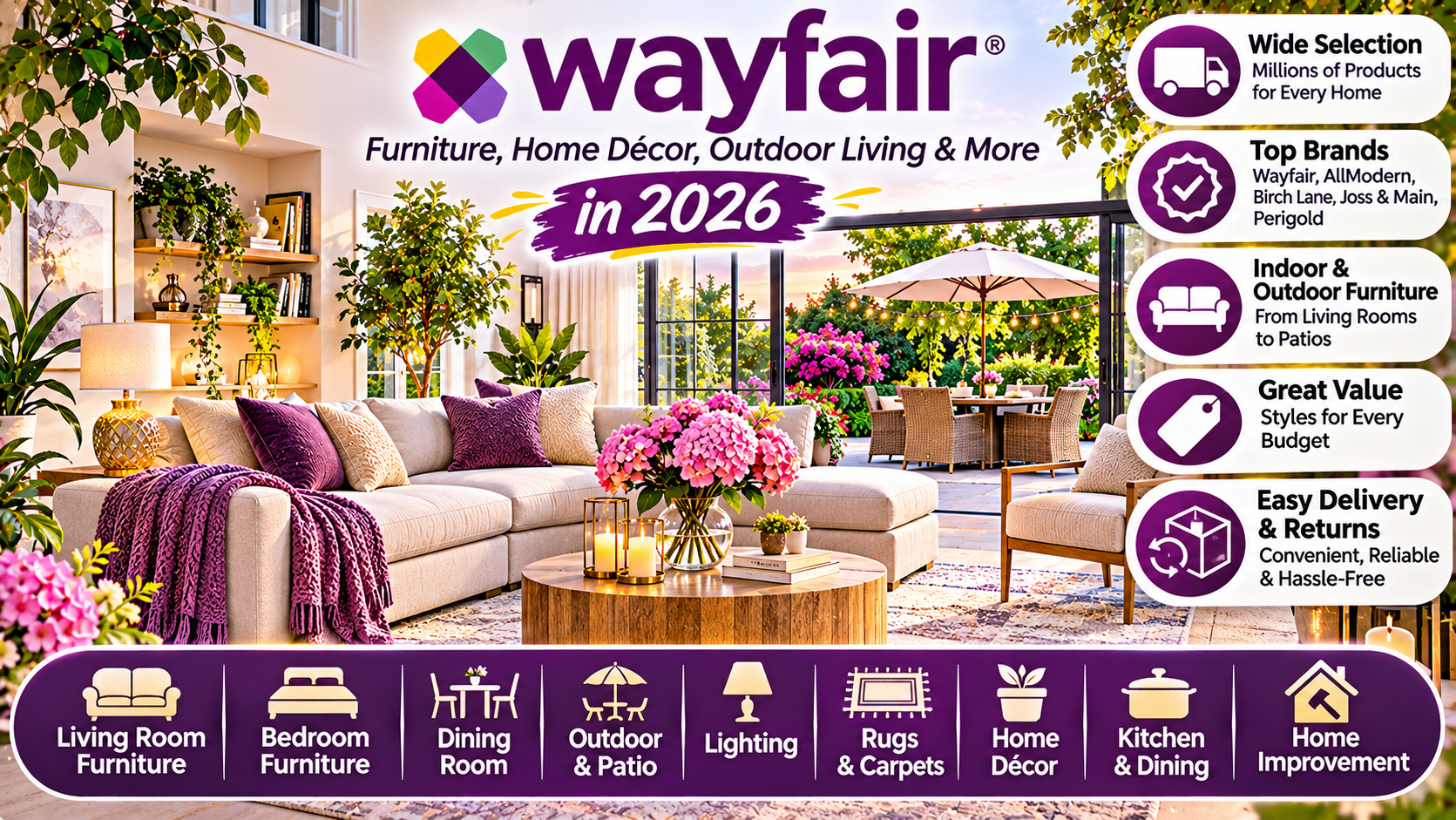
Wayfair
Wayfair operates a large online home goods marketplace with extensive furniture, décor, lighting, and household product categories.
Comparison Table
Brand | Main Positioning | Key Strength |
|---|---|---|
West Elm | Modern lifestyle furniture | Contemporary design and artisan-inspired collections |
Pottery Barn | Classic and comfortable home style | Broad residential furniture selection |
Crate & Barrel | Modern home and entertaining | Furniture and tabletop products |
CB2 | Contemporary design | Bold and modern aesthetics |
IKEA | Affordable home furnishings | Broad selection and value |
Article | Modern online furniture | Digital-first furniture shopping |
Wayfair | Online home marketplace | Extensive product assortment |
Each competitor serves different customer preferences, budgets, and design requirements.
14. Why Customers Choose West Elm
West Elm attracts customers looking for modern home furnishings and coordinated interior design.
Some of its potential advantages include:
Contemporary furniture styles.
Coordinated product collections.
Modern lighting and accessories.
Artisan-inspired decorative products.
A variety of textiles and home furnishings.
Online and in-store shopping options.
Sustainability-focused product initiatives.
Residential and office furniture opportunities.
However, customers should compare prices, product specifications, materials, delivery conditions, and reviews before making major purchases.
15. Challenges Facing West Elm
Despite its established brand identity, West Elm operates in a market with several challenges.
Intense Competition
The home furnishings industry includes established retailers, online marketplaces, and emerging furniture brands.
Customers can compare designs and prices across multiple retailers, increasing pressure on brands to differentiate their products.
Changing Consumer Spending
Furniture purchases are often influenced by household budgets, housing activity, interest rates, and broader economic conditions.
When consumers become more cautious about spending, they may delay replacing furniture or choose lower-priced alternatives.
Supply Chain Management
Furniture production involves raw materials, manufacturing partners, transportation, warehousing, and delivery.
Managing these processes efficiently is important for product availability and customer satisfaction.
Sustainability Expectations
Consumers increasingly pay attention to material sourcing, manufacturing practices, product durability, and environmental impact.
Retailers must provide transparent information and demonstrate meaningful progress rather than relying only on general sustainability messaging.
Online Delivery Expectations
Large furniture products require careful packaging, transportation, and sometimes specialized delivery services.
Delays, damage, and complicated returns can affect customer satisfaction.
16. Future Trends and West Elm's Opportunities in 2026 and Beyond
The home furnishings market continues to evolve as consumers adopt new lifestyles, technologies, and interior design preferences.
Several trends may influence West Elm's future development.
AI-Powered Interior Design
Artificial intelligence and room visualization tools can help customers explore furniture arrangements, compare styles, and imagine products in their homes.
These technologies could make online furniture shopping more interactive.
Sustainable Materials
Demand for recycled, organic, responsibly sourced, and durable materials may encourage further innovation in furniture manufacturing.
Flexible Living Spaces
Modern homes increasingly need multifunctional rooms that can support work, relaxation, and entertainment.
This creates opportunities for adaptable furniture, storage solutions, and home office products.
Growth in Outdoor Living
Consumers continue to show interest in making balconies, gardens, patios, and outdoor spaces more comfortable.
Outdoor furniture and weather-resistant accessories can remain important product categories.
Commercial and Office Furniture
West Elm Office gives the brand an opportunity to expand into workplace environments.
Businesses looking for attractive and functional workspaces may create additional demand for coordinated furniture collections.
Personalized Shopping
Digital customization, room inspiration, and product recommendations can help customers find products that better match their design preferences.
17. Tips for Buying Furniture from West Elm
Customers planning to purchase furniture can make better decisions by considering a few practical points.
Measure the space first: Check room dimensions, doorways, hallways, and staircases before ordering large furniture.
Compare materials: Review upholstery, wood types, metal finishes, and construction details.
Check product dimensions: Do not rely only on product photographs when judging size.
Read customer reviews: Look for comments about comfort, durability, assembly, and product appearance.
Review delivery terms: Confirm shipping costs, delivery arrangements, and available services.
Understand return policies: Read the applicable return and exchange conditions before purchasing.
Compare alternatives: Explore similar products from other retailers to evaluate price, design, and quality.
These steps can help customers choose products that meet their needs and fit their budgets.
18. Frequently Asked Questions About West Elm
What is West Elm known for?
West Elm is known for modern furniture, contemporary home décor, lighting, bedding, rugs, and lifestyle accessories.
When was West Elm founded?
West Elm was founded in Brooklyn, New York, in 2002.
Who owns West Elm?
West Elm is part of Williams-Sonoma, Inc., a publicly traded home furnishings retailer.
Is West Elm a luxury furniture brand?
West Elm is generally positioned as a modern, design-led home furnishings brand. It offers contemporary products that often sit above basic mass-market furniture in style and price positioning, but it is not exclusively a luxury furniture retailer.
Does West Elm sell outdoor furniture?
Yes. West Elm offers outdoor furniture and accessories for patios, balconies, gardens, and other outdoor spaces.
Does West Elm offer sustainable products?
Yes. The brand highlights initiatives involving Fair Trade products, organic materials, responsibly sourced wood, artisan partnerships, and selected certified products. Specific claims and certifications vary by item.
What is West Elm Office?
West Elm Office is a business offering launched in 2026 that extends the brand's design approach into office and workplace furniture.
Is West Elm part of Pottery Barn?
No. West Elm and Pottery Barn are separate retail brands, but both are owned by Williams-Sonoma, Inc.
Does West Elm sell products online?
Yes. West Elm operates an online shopping platform where customers can browse furniture, décor, lighting, textiles, and other home products.
Conclusion
West Elm has developed a recognizable position in the modern home furnishings industry through contemporary design, coordinated product collections, artisan-inspired craftsmanship, and sustainability-focused initiatives.
Since its founding in Brooklyn in 2002, the brand has expanded beyond basic furniture into a broader lifestyle offering that includes lighting, bedding, decorative accessories, outdoor furniture, and home office products.
Its relationship with Williams-Sonoma, Inc. provides access to a larger retail organization, while its distinctive design identity helps it compete with brands such as Pottery Barn, Crate & Barrel, CB2, IKEA, Article, and Wayfair.
In 2026, the launch of West Elm Office also demonstrates an opportunity to extend its reach into workplace environments. As shopping habits, sustainability expectations, and interior design preferences continue to change, West Elm's ability to combine thoughtful design, customer experience, and responsible sourcing will remain important to its future development.