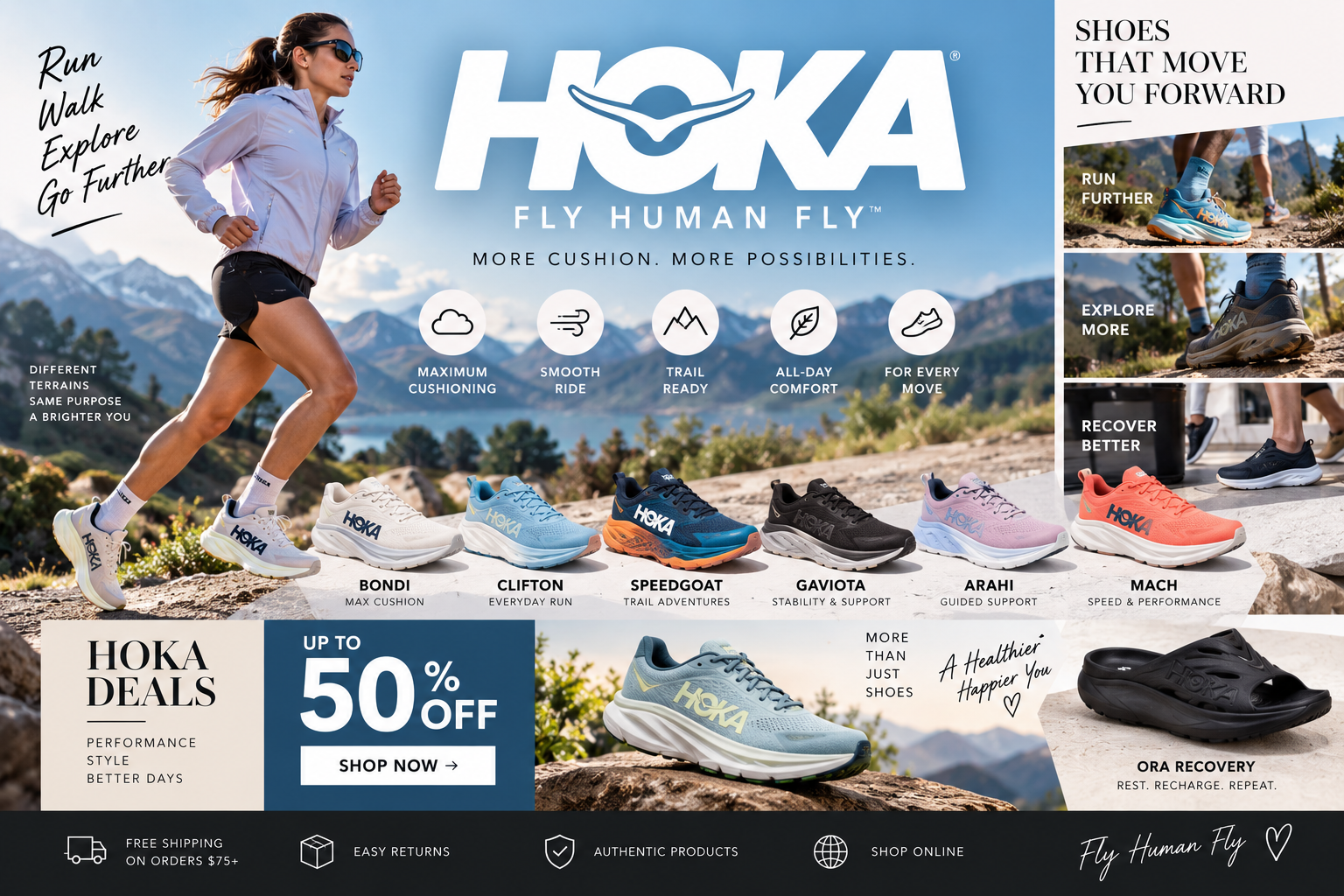

Sportswear and athletic gear have become an important part of modern active lifestyles. What was once primarily designed for professional athletes is now widely used by runners, gym-goers, outdoor enthusiasts, fitness beginners, and people who simply want comfortable clothing for everyday activities.
Modern sportswear combines performance, comfort, style, and technology. From moisture-wicking shirts and supportive sports bras to running shoes, training shorts, backpacks, fitness watches, and protective equipment, the sportswear market offers products for almost every type of physical activity.
As consumers become more interested in fitness and wellness, demand for high-quality sportswear and gear continues to grow. At the same time, brands are developing lighter materials, better cushioning, improved breathability, sustainable fabrics, and smart technology to improve the overall experience.
What Is Sportswear and Gear?
Sportswear refers to clothing specifically designed for exercise, training, sports, and other physical activities. Sports gear is a broader category that includes footwear, equipment, accessories, protective products, and technology used during sports or fitness activities.
Common sportswear products include:
T-shirts and training tops
Leggings and yoga pants
Shorts
Tracksuits
Sports bras
Jackets and hoodies
Compression clothing
Running shoes
Training shoes
Hiking footwear
Socks
Caps and hats
Sports gear can include:
Gym bags
Backpacks
Fitness watches
Water bottles
Yoga mats
Resistance bands
Dumbbells
Exercise equipment
Sports balls
Protective equipment
Cycling accessories
Outdoor equipment
The right combination depends on the activity, environment, personal preferences, and performance goals of the user.
Why Sportswear Matters
Sportswear is more than fashion. Properly designed athletic clothing can improve comfort during movement and help users manage heat, moisture, and changing weather conditions.
For example, moisture-wicking fabrics can help move sweat away from the skin, while breathable materials can improve ventilation during exercise. Stretch fabrics can provide flexibility for activities such as yoga, running, and strength training.
Footwear is equally important. Different sports require different types of support, cushioning, stability, traction, and flexibility.
A running shoe designed for road running may have very different characteristics from a hiking shoe designed for uneven trails.
Choosing sportswear based on the activity rather than appearance alone can therefore make a significant difference to the overall experience.
Running Sportswear and Gear
Running is one of the most popular fitness activities, and running-specific sportswear has developed significantly over the years.
Running clothing is generally designed to be lightweight, breathable, and comfortable over longer distances.
Popular running apparel includes:
Lightweight running shirts
Running shorts
Tights
Running jackets
Sports bras
Moisture-wicking socks
Running caps
Reflective clothing
Running shoes are one of the most important purchases for runners. Different models may emphasize cushioning, stability, responsiveness, lightweight construction, or trail traction.
Runners should consider factors such as running surface, distance, comfort, fit, and personal preferences when selecting footwear.
Additional running gear can include hydration belts, running watches, reflective accessories, headphones, and waist packs.
Gym and Training Gear
Gym clothing needs to support a wide variety of movements. Weight training, cardio workouts, functional training, and group fitness classes can all require different features.
Popular gym clothing includes:
Training shirts
Performance shorts
Leggings
Sports bras
Training shoes
Lightweight jackets
Sweatshirts
Compression clothing
For strength training, users may prioritize flexible clothing that allows a full range of movement. For cardio workouts, breathable and sweat-managing materials may be more important.
Training shoes often provide a balance between stability and flexibility. They are designed differently from specialized running shoes because gym workouts can involve lateral movements, lifting, jumping, and rapid changes in direction.
Sportswear for Women
Women's sportswear has become a major category within the athletic apparel industry.
Modern collections often combine technical performance with everyday style. Popular products include leggings, sports bras, running shorts, training tops, tennis clothing, jackets, and lifestyle sneakers.
Sports bras are available in different levels of support. Low-support designs may be suitable for activities such as yoga or walking, while higher-support options can be designed for running and high-impact workouts.
Women's leggings are also available in different fabrics and constructions, including compression styles, lightweight designs, high-waisted options, and training-focused materials.
Comfort, fit, support, breathability, and freedom of movement are important considerations when choosing women's sportswear.
Sportswear for Men
Men's athletic clothing includes products designed for running, training, outdoor activities, team sports, and everyday fitness.
Popular categories include:
Performance T-shirts
Training shorts
Running shorts
Joggers
Tracksuits
Compression tops
Training jackets
Sports socks
Athletic shoes
Men's sportswear increasingly combines technical materials with casual designs, allowing many pieces to transition from workouts to everyday activities.
Athletic Footwear
Footwear is one of the largest categories in sportswear.
Different sports and activities require different shoe characteristics.
Running Shoes
Running shoes generally focus on cushioning, comfort, responsiveness, or stability. Road-running shoes are usually designed for paved surfaces, while trail-running shoes provide additional traction and protection for uneven terrain.
Training Shoes
Training shoes are designed for gym workouts, strength training, fitness classes, and multidirectional movement.
Hiking Shoes
Hiking footwear is designed for outdoor environments and can emphasize traction, durability, protection, and weather resistance.
Basketball Shoes
Basketball footwear typically emphasizes ankle support, traction, cushioning, and stability for jumping and rapid movements.
Football and Soccer Shoes
Football and soccer footwear is designed around traction and movement on specific playing surfaces. Stud or cleat configurations vary depending on the field.
When buying athletic footwear, shoppers should focus on intended use rather than simply selecting the most popular model.
Outdoor Sportswear and Gear
Outdoor activities require clothing and equipment capable of handling changing environments.
Hiking, camping, trekking, skiing, cycling, and trail running can all require specialized gear.
Outdoor clothing may include:
Waterproof jackets
Windbreakers
Fleece layers
Hiking pants
Thermal base layers
Hiking socks
Gloves
Hats
Outdoor footwear
Layering is an important concept in outdoor clothing. Instead of relying on one heavy garment, users can combine base layers, insulating layers, and outer shells according to the weather.
Outdoor gear can also include backpacks, trekking poles, hydration systems, sleeping bags, tents, headlamps, and navigation devices.
Sportswear Technology
Technology has transformed athletic clothing and equipment.
One major development is advanced fabric technology. Modern materials can be designed to manage moisture, improve ventilation, stretch with movement, and reduce weight.
Some athletic products also use specialized construction to provide targeted support or compression.
Footwear technology has developed significantly as well. Manufacturers now experiment with advanced foams, carbon-fiber plates, stability systems, specialized rubber compounds, and lightweight upper materials.
Wearable technology is another major development. Fitness watches and smartwatches can track information such as:
Steps
Heart rate
Distance
Workout duration
Pace
Calories
Sleep
Training sessions
These devices can help users understand their activity patterns and establish fitness routines.
Sustainable Sportswear
Sustainability has become increasingly important in the fashion and sportswear industries.
Brands are exploring recycled polyester, recycled nylon, responsibly sourced materials, lower-impact manufacturing processes, and longer-lasting product designs.
Consumers can also make more sustainable decisions by purchasing durable products, caring for clothing properly, repairing items when possible, and avoiding unnecessary purchases.
Secondhand sportswear is another option for consumers who want to extend the life of existing products.
However, sustainability claims can vary significantly between products and companies. Shoppers should look for specific information about materials, manufacturing, certifications, and product durability rather than relying only on broad environmental marketing statements.
Popular Sportswear Categories
The sportswear market covers a wide range of activities.
Some of the most popular categories include:
Running
Running clothing and footwear are designed for comfort, movement, and distance.
Gym and Fitness
Training apparel and shoes support strength workouts, cardio, and general exercise.
Yoga
Yoga clothing generally emphasizes stretch, flexibility, softness, and unrestricted movement.
Cycling
Cycling apparel can include padded shorts, jerseys, gloves, helmets, and specialized footwear.
Hiking
Hiking gear focuses on durability, traction, weather protection, and carrying equipment.
Swimming
Swimwear includes swimsuits, goggles, caps, towels, and other aquatic accessories.
Team Sports
Football, basketball, volleyball, tennis, and other sports have specialized clothing and equipment designed around the movements and rules of each sport.
How to Choose the Right Sportswear
Choosing athletic clothing should begin with the activity.
A person buying clothes for running may need different features than someone shopping for weight training or hiking.
Consider the following factors:
1. Activity
Think about what you will actually be doing. Running, lifting, cycling, hiking, and yoga each have different requirements.
2. Fit
Sportswear should provide enough freedom of movement without becoming excessively loose or restrictive.
3. Material
Look for materials that match the environment and activity. Breathability can be valuable for intense workouts, while insulation and weather resistance may be more important outdoors.
4. Comfort
Comfort should remain a priority. Even technically advanced products may not be suitable if the fit causes irritation or discomfort.
5. Durability
A slightly more expensive product may offer better long-term value if it lasts considerably longer.
6. Maintenance
Check washing and care instructions before buying. Proper maintenance can extend the useful life of athletic clothing.
How to Choose Sports Shoes
Sports shoes deserve special attention because footwear requirements can vary dramatically between activities.
Before buying, consider:
What activity will you perform?
Where will you use the shoes?
How frequently will you use them?
Do they fit comfortably?
Do they provide the appropriate level of support?
Is the sole suitable for the surface?
Are they appropriate for your activity rather than simply fashionable?
Trying shoes on and walking or moving in them can help identify pressure points and fit issues.
Sportswear Brands and Competition
The global sportswear market includes major athletic brands as well as smaller specialist companies.
Large brands often offer extensive product ranges covering running, training, outdoor activities, lifestyle clothing, and accessories.
Specialist companies may focus more narrowly on categories such as trail running, cycling, climbing, yoga, or technical outdoor equipment.
Consumers can compare brands based on:
Product design
Fit
Technology
Materials
Price
Durability
Warranty
Customer reviews
Availability
Brand reputation
A recognizable brand name does not automatically mean that every product will be suitable for every individual. The best choice depends on the specific product and intended use.
Sportswear Deals and Discounts
Sportswear can become expensive when buying shoes, clothing, and equipment together. Sales can therefore be useful for shoppers looking for better value.
Common opportunities include:
Seasonal sales
End-of-season clearance
Holiday promotions
New-product launches
Outlet discounts
Brand-specific promotions
Membership rewards
Bundle offers
Online-exclusive deals
Before buying a discounted item, compare its original and current prices and check whether the product actually meets your requirements.
A low price is not necessarily a good value if the product is unsuitable or unlikely to be used.
Online Shopping for Sportswear
Online shopping has made sportswear more accessible to consumers around the world.
Shoppers can compare products, prices, sizes, materials, specifications, and customer feedback from home.
However, buying clothing and shoes online also has challenges.
Size charts should be checked carefully because sizing can vary between brands and models. Return policies are particularly important when purchasing footwear or clothing without trying it on first.
When shopping online, consumers should also verify that they are purchasing from an authorized retailer or reliable seller, especially when a price appears significantly lower than normal.
Sports Accessories
Accessories can improve convenience and organization during workouts.
Popular sports accessories include:
Gym bags
Water bottles
Towels
Caps
Sunglasses
Fitness trackers
Headphones
Phone holders
Resistance bands
Yoga mats
Foam rollers
Gloves
Accessories should be selected according to actual needs. Buying too many products can add unnecessary expense and clutter.
The Growth of Athleisure
Sportswear is no longer limited to gyms and sports fields.
Athleisure has become an important part of modern fashion, with products such as leggings, sneakers, joggers, sweatshirts, hoodies, and performance jackets being worn in everyday settings.
This trend has encouraged sportswear brands to create products that combine technical features with fashion-focused designs.
Consumers can now find athletic clothing suitable for both workouts and casual daily activities.
The Future of Sportswear and Gear
The future of sportswear is likely to combine performance, personalization, sustainability, and technology.
Smart fabrics may become more advanced, while wearable devices could provide increasingly detailed information about activity and training.
Artificial intelligence may also influence product recommendations by analyzing user preferences, measurements, activities, and purchase history.
Sustainable materials and circular business models could become more prominent as consumers and companies focus on product longevity and environmental impact.
Customization is another potential growth area. Consumers may increasingly be able to select colors, fits, materials, and product features based on personal preferences.
Smart Tips for Buying Sportswear
Before making a purchase, ask yourself:
What activity is the product designed for?
How often will I use it?
Does it fit correctly?
Is the material appropriate for my environment?
Is the product durable?
Does the price match its quality and features?
Can I find a better deal elsewhere?
What is the return policy?
Is the seller trustworthy?
Do I actually need the product?
These simple questions can help shoppers avoid impulse purchases and build a more useful sportswear collection.
Conclusion
Sportswear and gear have evolved from basic athletic clothing into a large industry combining fashion, performance, technology, and lifestyle.
Whether you are a professional athlete, regular runner, gym enthusiast, outdoor adventurer, or beginner starting a fitness routine, the right clothing and equipment can make activities more comfortable and convenient.
From running shoes and moisture-wicking shirts to hiking jackets, gym bags, fitness watches, and specialized equipment, today's market offers options for nearly every activity.
The smartest approach is to focus on the purpose of each product, choose appropriate materials and features, compare prices, consider durability, and prioritize comfort and fit. With thoughtful shopping, sportswear can become a practical investment in an active lifestyle rather than simply another fashion purchase.
Frequently Asked Questions
What is sportswear?
Sportswear is clothing designed for exercise, athletic activities, training, and active lifestyles. It includes products such as shirts, shorts, leggings, sports bras, jackets, and athletic footwear.
What is the difference between sportswear and sports gear?
Sportswear generally refers to clothing and footwear, while sports gear includes equipment and accessories such as balls, bags, protective equipment, fitness devices, and training tools.
How do I choose sportswear?
Choose sportswear based on the activity, fit, comfort, material, weather conditions, durability, and price.
Are expensive sportswear products better?
Not necessarily. Price can reflect materials, technology, brand positioning, and construction, but the most expensive product is not automatically the most appropriate choice for every user.
How often should sports shoes be replaced?
It depends on the type of shoe, frequency of use, activity, surface, and wear. Signs of significant wear, reduced cushioning, damaged soles, or discomfort can indicate that replacement should be considered.
Is sustainable sportswear worth considering?
Sustainable sportswear can be an option for consumers who want to consider material sourcing, product durability, and environmental impact when shopping.
Can sportswear be worn casually?
Yes. Many modern athletic products are designed to transition between exercise and casual everyday activities.
What should I look for in running clothes?
Look for comfortable fit, breathability, moisture management, freedom of movement, and visibility features when appropriate.
What sports accessories are useful for beginners?
Useful accessories can include a water bottle, gym bag, comfortable socks, suitable footwear, and basic equipment appropriate for the chosen activity.
How can I find sportswear deals?
Compare prices across authorized retailers, look for seasonal promotions and clearance events, and check whether brands offer membership or promotional discounts.