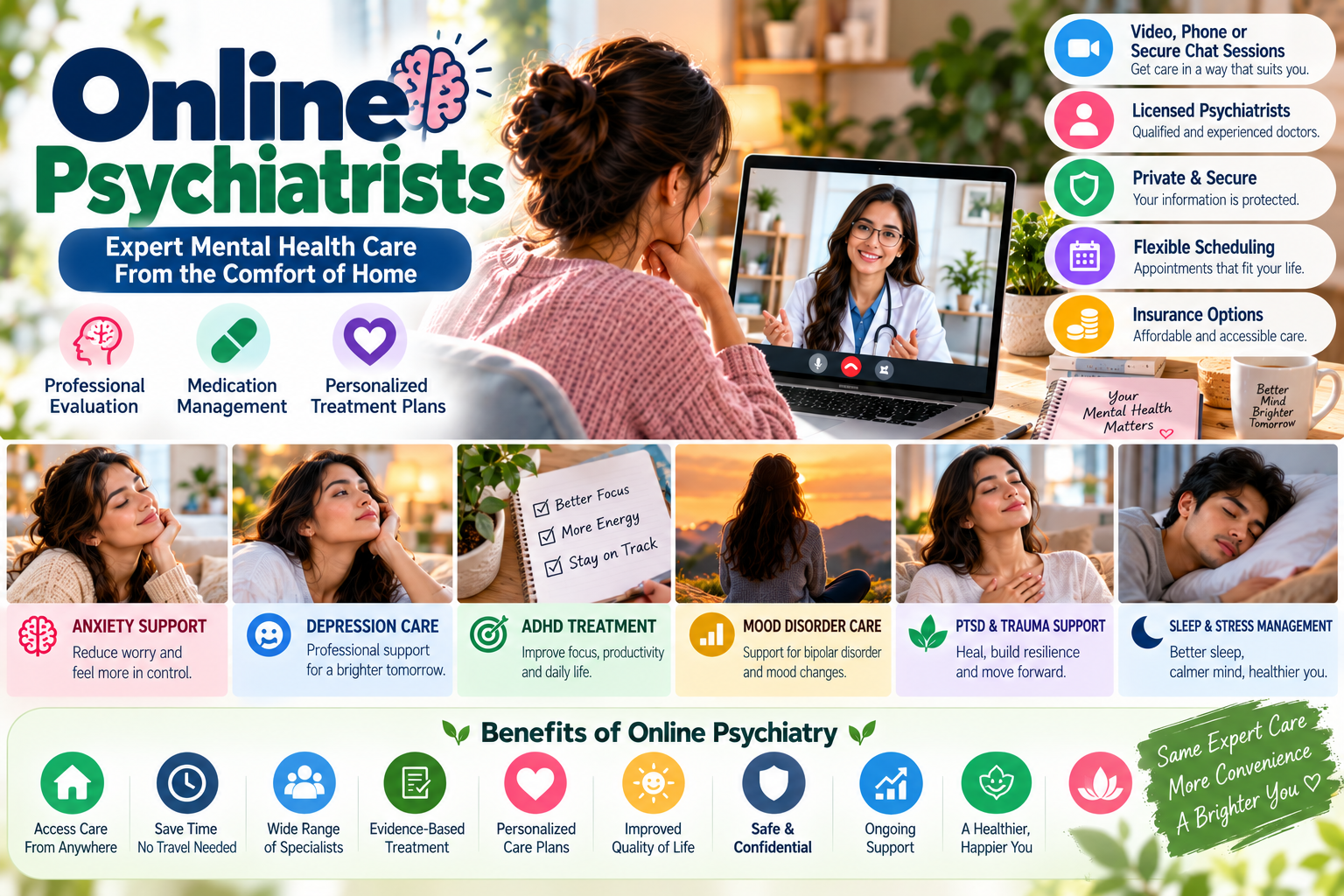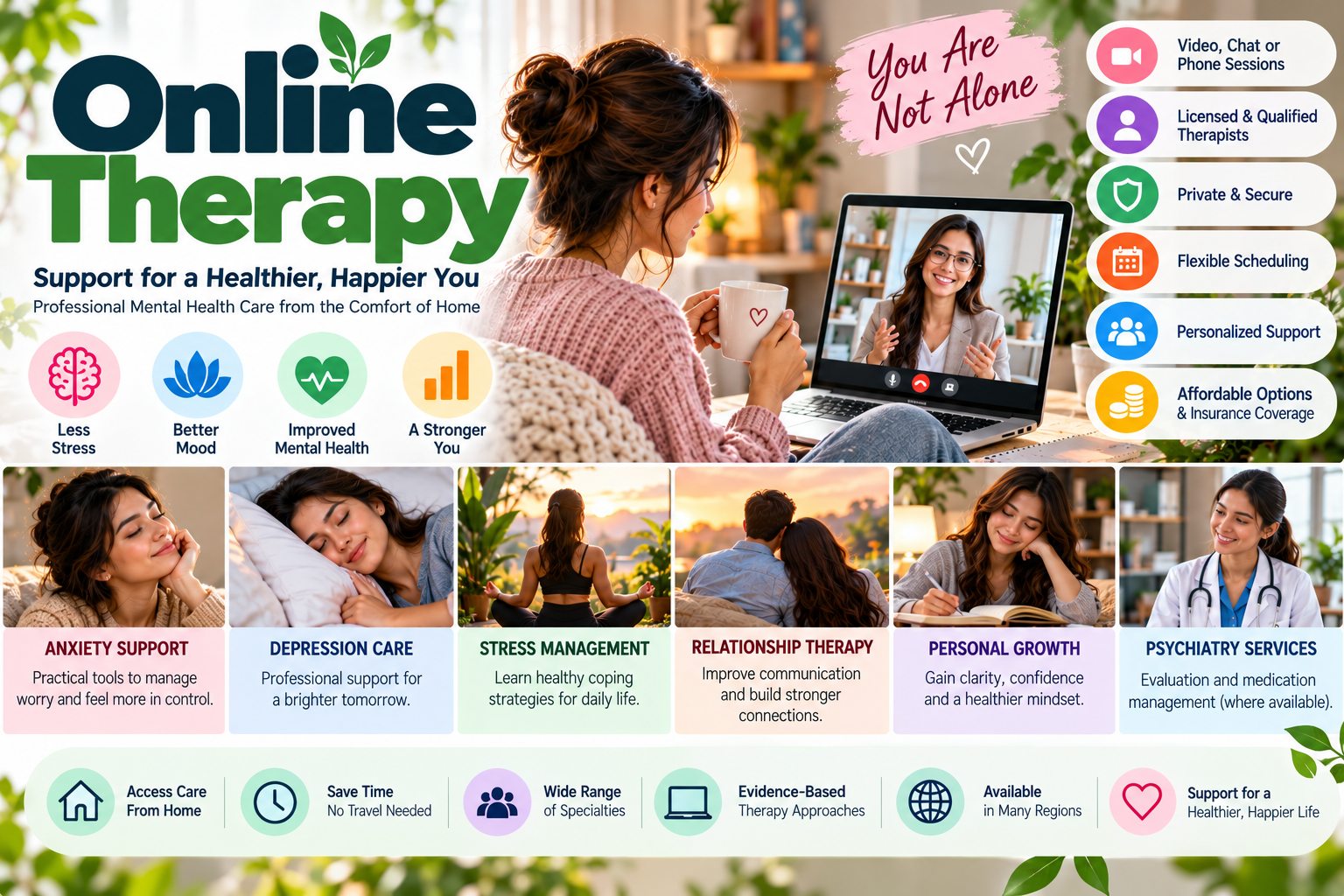
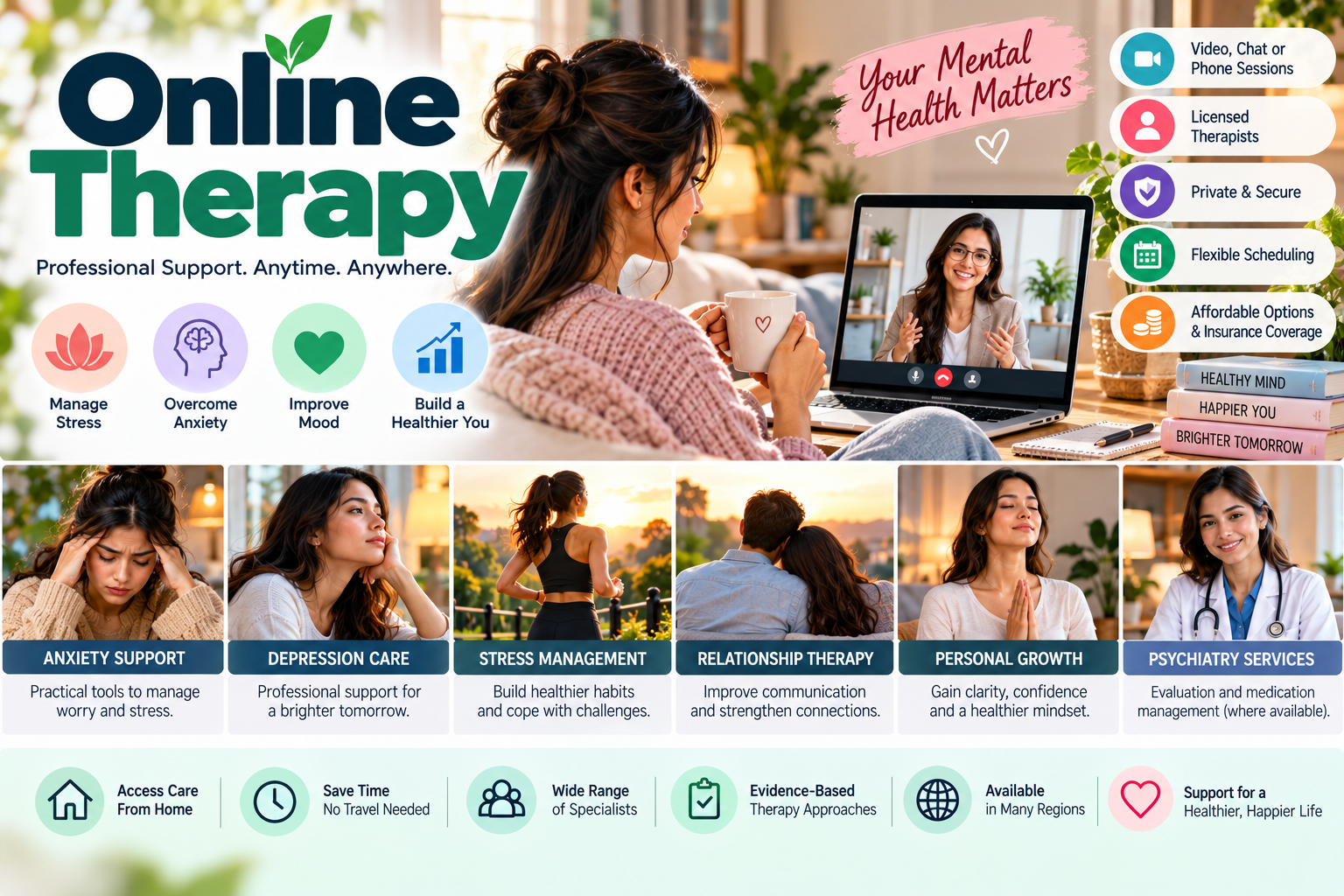
Online therapy has transformed the way many people access mental-health support. Instead of traveling to a therapist's office, people can increasingly connect with qualified professionals through video sessions, phone calls, live chats, and secure messaging.
The growing availability of virtual therapy has made mental-health services more convenient for people with busy schedules, transportation difficulties, geographic limitations, or a preference for receiving care from home. The American Psychological Association (APA) notes that teletherapy delivered through telephone or videoconferencing can have outcomes similar to traditional in-person therapy for several mental-health concerns.
However, there is no single online therapy platform that is automatically the right choice for everyone. The most suitable service depends on factors such as the therapist's qualifications, the type of therapy offered, location requirements, privacy protections, cost, insurance coverage, availability, and whether the person needs therapy, psychiatry, or a higher level of care.
What Is Online Therapy?
Online therapy, also called teletherapy or telepsychology, involves providing psychological services through digital communication technologies.
Depending on the platform and therapist, sessions may take place through:
Video calls
Telephone calls
Live chat
Secure messaging
Audio sessions
Digital psychological programs
Telepsychiatry appointments
The APA defines telepsychology as psychological services provided through telecommunications technology, including phones, mobile devices, videoconferencing, email, chat, text, and internet-based services.
Some services focus primarily on therapy, while others combine therapy with psychiatric evaluation and medication management.
Is Online Therapy Effective?
Research and professional guidance suggest that online therapy can be an effective treatment option for many people and conditions.
The APA reports that teletherapy has demonstrated similar outcomes to traditional in-person therapy for several concerns, including anxiety, depression, PTSD, and adjustment disorder.
However, effectiveness depends on the individual, the condition being treated, the treatment approach, the therapist, and the quality of the service.
Online therapy is not automatically appropriate for every person or every mental-health situation.
For example, people experiencing an immediate psychiatric emergency or who may be at imminent risk of harming themselves or another person need urgent local emergency or crisis support rather than relying on a standard online therapy appointment.
Why People Choose Online Therapy
There are several reasons online therapy has become popular.
Convenience
A person can attend a session without traveling to a therapist's office.
This can be especially useful for people with:
Busy schedules
Transportation difficulties
Limited local therapist availability
Mobility limitations
Childcare responsibilities
Long commuting distances
Flexible Communication
Some platforms offer several communication methods.
Depending on the service, these may include live video, audio, messaging, or phone sessions.
Access to More Providers
Online therapy can potentially expand the number of professionals a person can consider, although therapists generally must comply with licensing and jurisdictional rules governing where they can practice.
Familiar Environment
Some people feel more comfortable discussing personal issues from a familiar private environment rather than an unfamiliar office.
Continuity
Virtual therapy can sometimes make it easier to continue treatment when travel or other circumstances make an in-person appointment difficult.
What Makes an Online Therapy Service Worth Considering?
Instead of choosing a platform based only on advertisements or price, consumers should examine several important factors.
1. Therapist Qualifications
The therapist's credentials should be one of the first things to check.
Depending on the jurisdiction, providers may include:
Psychologists
Licensed professional counselors
Licensed clinical social workers
Marriage and family therapists
Psychiatrists
Other appropriately credentialed professionals
The APA recommends checking whether the provider is licensed and determining where that license applies.
A platform's marketing should not replace checking the actual qualifications of the individual professional providing care.
2. Therapy Specialization
Different therapists have different areas of expertise.
Someone seeking help with anxiety may want a professional experienced in anxiety disorders and evidence-based approaches such as cognitive behavioral therapy.
Someone dealing with relationship problems may prefer a therapist experienced in couples or relationship counseling.
Other specialties can include:
Depression
Trauma
PTSD
Grief
Stress
Panic disorder
OCD
Eating disorders
Family concerns
Parenting
Relationship issues
Workplace stress
Life transitions
Addiction and substance-use concerns
Finding a provider whose training matches the person's needs can be more important than simply choosing a large platform.
Popular Online Therapy Platforms
Several established companies operate online mental-health platforms. Their services, availability, prices, insurance arrangements, and geographic coverage can change, so consumers should check current terms before signing up.
BetterHelp
BetterHelp is an online therapy platform that connects users with therapists and provides multiple communication formats.
Current therapist profiles on the platform show services including:
Video
Phone
Live chat
Messaging
Profiles can also identify therapists' licenses, specialties, and therapeutic approaches.
BetterHelp can therefore be relevant for people who prefer flexible communication options and want to search for a therapist based on areas of experience.
However, users should confirm that the service and provider are available in their jurisdiction and appropriate for their specific needs.
Talkspace
Talkspace combines online therapy with psychiatric services.
Its current platform offers therapy through:
Live video
Live audio
Live chat
Ongoing messaging
Talkspace also provides psychiatry services, including evaluations and medication management for eligible users.
Insurance coverage is an important part of the Talkspace model. The company currently lists coverage from multiple major insurance providers, although eligibility and costs depend on the individual's specific plan.
Talkspace can therefore be particularly relevant for people who want to investigate both therapy and psychiatric services through one digital platform.
Insurance-Based Therapy Platforms
Another category consists of platforms and directories designed around insurance-covered care.
For people with health insurance, this can potentially reduce out-of-pocket costs.
Grow Therapy's 2026 guide, for example, discusses online therapy platforms that accept insurance and emphasizes comparing coverage, provider availability, costs, and individual needs rather than selecting a service solely by brand recognition.
Consumers should always verify coverage directly with their insurance provider and the therapy platform because benefits can differ by plan, state, provider, and treatment type.
Online Therapy vs. Online Psychiatry
Therapy and psychiatry are related but different services.
Therapy
Psychotherapy generally involves working with a trained mental-health professional to address emotional, behavioral, psychological, or relationship concerns.
Therapy can involve approaches such as:
Cognitive behavioral therapy
Psychodynamic therapy
Mindfulness-based approaches
Interpersonal therapy
Trauma-focused approaches
Family therapy
Couples therapy
Psychiatry
Psychiatry is a medical specialty focused on mental-health conditions.
A psychiatrist or other qualified psychiatric provider may assess symptoms, diagnose conditions, and prescribe medication when appropriate.
Some platforms, such as Talkspace, provide both therapy and psychiatry services.
Whether someone needs therapy, psychiatry, or both depends on their circumstances and should be determined with appropriate professional guidance.
Online Therapy for Anxiety
Anxiety is one of the common reasons people seek psychological support.
Online therapy may provide access to professionals experienced in:
Generalized anxiety
Panic attacks
Social anxiety
Phobias
Stress-related concerns
Obsessive-compulsive symptoms
Cognitive behavioral therapy, commonly known as CBT, is one evidence-based approach used for several anxiety-related conditions.
A therapist can help determine whether online therapy is appropriate and what treatment approach may be suitable.
Online Therapy for Depression
Depression can involve persistent low mood, loss of interest or pleasure, changes in sleep or appetite, low energy, difficulty concentrating, and other symptoms.
Online therapy can provide access to licensed professionals who treat depression.
The APA reports that teletherapy can be an effective treatment modality for depression among other mental-health concerns.
However, significant or worsening depression requires professional evaluation, particularly when symptoms interfere with daily functioning.
Online Therapy for Relationship Problems
Online therapy can also be used for relationship-related concerns.
Depending on the platform and therapist, services may include:
Individual relationship counseling
Couples therapy
Family therapy
Communication support
Separation and divorce counseling
Parenting support
Couples should verify that the specific therapist offers couples counseling rather than assuming every online therapist provides the service.
Online Therapy for Stress and Burnout
Work, education, financial pressures, relationships, and major life changes can all contribute to stress.
Therapy can help some people understand patterns of stress, develop coping strategies, improve boundaries, and address underlying psychological concerns.
However, burnout can also be influenced by workplace conditions.
Mental-health support is not necessarily a substitute for addressing excessive workload, unsafe working conditions, discrimination, harassment, or other structural problems.
Online Therapy for Young Adults
Young adults may face unique challenges involving:
Education
Career decisions
Relationships
Family expectations
Financial pressure
Social isolation
Identity
Major life transitions
Online therapy can provide a familiar digital format that some young adults find accessible.
When choosing a provider, users should check the therapist's experience with the relevant age group.
How Much Does Online Therapy Cost?
There is no single standard price for online therapy.
Costs can depend on:
Platform
Therapist
Location
Session frequency
Insurance
Therapy type
Psychiatry services
Membership model
Financial assistance
Some services charge directly for therapy, while others work with insurance or employer and educational programs.
Talkspace, for example, currently offers insurance coverage through numerous major plans, while its exact member cost depends on individual insurance benefits.
The APA recommends checking insurance coverage and reimbursement rules before beginning online therapy.
Privacy and Security
Privacy is one of the most important considerations when selecting an online therapy platform.
Before signing up, users should understand:
How personal information is stored
Who can access therapy records
What communication technology is used
How sessions are protected
Whether the provider follows applicable privacy requirements
How records are handled
What happens if the therapist leaves the platform
The APA recommends considering whether the service is secure and whether it provides appropriate protections for confidential health information.
Users should also choose a private location for sessions whenever possible.
Participating in therapy from a crowded workplace, public café, or shared room can create privacy risks.
How to Choose the Right Online Therapist
Finding the right therapist can take some time.
Check Credentials
Look for a properly licensed or otherwise appropriately credentialed professional.
Review Specialties
Make sure the therapist has experience with the issue you want to address.
Consider Therapy Style
Some people prefer structured approaches such as CBT, while others may prefer different evidence-based therapeutic approaches.
Consider Communication Preferences
Decide whether you prefer:
Video
Phone
Live chat
Messaging
A combination
Check Availability
Consider whether the therapist's available times fit your schedule.
Check Location Requirements
Therapists may only be authorized to provide services where they are licensed or otherwise legally permitted to practice.
Check Cost
Compare self-pay prices, insurance coverage, copays, deductibles, and cancellation policies.
Consider the Therapeutic Relationship
Even a highly qualified therapist may not be the right interpersonal fit for every person.
It is reasonable to discuss concerns about the therapy relationship and, where appropriate, ask about changing providers.
Questions to Ask Before Starting Online Therapy
Before paying for a service, consider asking:
Is the therapist licensed?
What is their area of specialization?
Which therapy approaches do they use?
Are sessions conducted by video, phone, or messaging?
How long is each session?
What does the service cost?
Does insurance cover it?
Is there a cancellation fee?
How is my information protected?
What happens if I experience a mental-health emergency?
Can I change therapists if the match is not suitable?
What happens if the therapist is unavailable?
These questions can help consumers compare services more meaningfully.
Advantages of Online Therapy
Online therapy can offer several potential advantages.
Convenience
Sessions can be conducted remotely, reducing travel requirements.
Accessibility
People who have difficulty reaching a therapist's office may find remote care easier to access.
Flexible Formats
Some services provide multiple communication methods.
Wider Provider Choice
Online platforms may offer access to therapists outside a person's immediate neighborhood, subject to licensing and service-area restrictions.
Continuity
Remote appointments can make ongoing therapy easier when attending an office is difficult.
Potential Limitations
Online therapy is not perfect for every situation.
Potential limitations include:
Technology problems
Internet connectivity
Privacy concerns
Limited availability in some regions
Licensing restrictions
Difficulty finding a suitable therapist
Insurance limitations
Lack of access to certain higher levels of care
Challenges during emergencies
The APA specifically cautions that online therapy may not be appropriate for every person or every situation.
Online Therapy and AI
Artificial intelligence is increasingly appearing in mental-health technology.
AI tools can potentially assist with:
Mental-health education
Journaling
Mood tracking
Appointment support
Administrative tasks
Guided self-help
Information access
However, AI should not automatically be treated as a replacement for a licensed mental-health professional.
A chatbot cannot necessarily perform the same assessment, clinical judgment, therapeutic relationship, crisis response, or individualized treatment planning provided by a qualified clinician.
People experiencing serious mental-health symptoms should seek appropriate professional care.
2026 Online Therapy Trends
Several developments are shaping digital mental-health services in 2026.
Hybrid Care
The APA reports that many psychologists now combine remote and in-person services. Its recent practice data indicate that hybrid practice has become common.
Insurance Integration
More digital platforms are emphasizing insurance-based care, potentially reducing costs for eligible patients.
Therapy Plus Psychiatry
Some platforms increasingly combine psychotherapy and psychiatric services.
Digital Psychological Interventions
Evidence-based psychological self-help and digitally delivered interventions are receiving increasing attention as ways to expand access to mental-health support.
Greater Focus on Privacy
As more personal health information moves through digital platforms, privacy and security remain important considerations.
Personalized Therapist Matching
Platforms increasingly use questionnaires and preferences to help users identify potential therapists based on concerns, communication preferences, specialties, and availability.
Is Online Therapy Right for Everyone?
No.
Online therapy can be useful for many people, but individual circumstances matter.
A person may benefit from in-person treatment when:
They require a higher level of care
They need a physical examination
Their symptoms are severe or rapidly worsening
They cannot maintain a private environment for virtual sessions
Their clinical situation requires services unavailable online
Their provider determines that in-person treatment is more appropriate
The decision should be made with an appropriately qualified professional when there is uncertainty.
When to Seek Urgent Help
Online therapy platforms are generally not designed to replace emergency services.
If someone is in immediate danger, has an imminent risk of suicide or serious self-harm, is experiencing severe confusion or psychosis, or may seriously harm another person, they should seek emergency assistance immediately through local emergency services or the nearest emergency medical facility.
Do not wait for a routine online therapy appointment in an emergency.
Frequently Asked Questions
What is the best online therapy?
There is no universally best platform. The appropriate choice depends on therapist qualifications, specialty, location, cost, insurance, communication format, privacy, and the person's individual needs.
Is online therapy as effective as in-person therapy?
For several mental-health concerns, APA guidance reports that teletherapy can produce outcomes similar to traditional in-person therapy. Suitability still depends on the individual and clinical situation.
Can I get a licensed therapist online?
Yes. Many online platforms connect users with licensed professionals. Consumers should independently verify the provider's credentials and licensing status.
Can online therapy prescribe medication?
Some platforms provide psychiatry services in addition to therapy. Talkspace, for example, offers online psychiatric evaluation and medication management for eligible patients.
Does insurance cover online therapy?
Some insurance plans cover online therapy, but coverage varies considerably. Users should verify their specific plan and provider before beginning treatment.
Can I change my online therapist?
Many platforms allow users to change providers, although the exact rules depend on the service.
Is online therapy confidential?
Online therapy is intended to protect patient privacy, but users should review the platform's privacy practices and conduct sessions in a private environment. The APA recommends evaluating security and confidentiality before choosing an online service.
Conclusion
The growth of online therapy has made mental-health support more accessible and flexible for many people.
Services such as BetterHelp and Talkspace demonstrate the different models available, from therapist matching and multiple communication formats to insurance-supported therapy and integrated psychiatry.
However, choosing the right online therapy service should involve more than looking for the platform with the biggest advertising campaign or the lowest advertised price.
Consumers should examine therapist qualifications, areas of specialization, treatment approaches, privacy protections, insurance coverage, costs, scheduling, communication methods, and emergency procedures.
The most important factor is ultimately the quality and suitability of the professional care being provided.
As telepsychology continues developing in 2026, online therapy is becoming an increasingly established part of mental-health care. For many people, it can provide a convenient way to connect with qualified professionals while maintaining the flexibility of receiving care remotely.