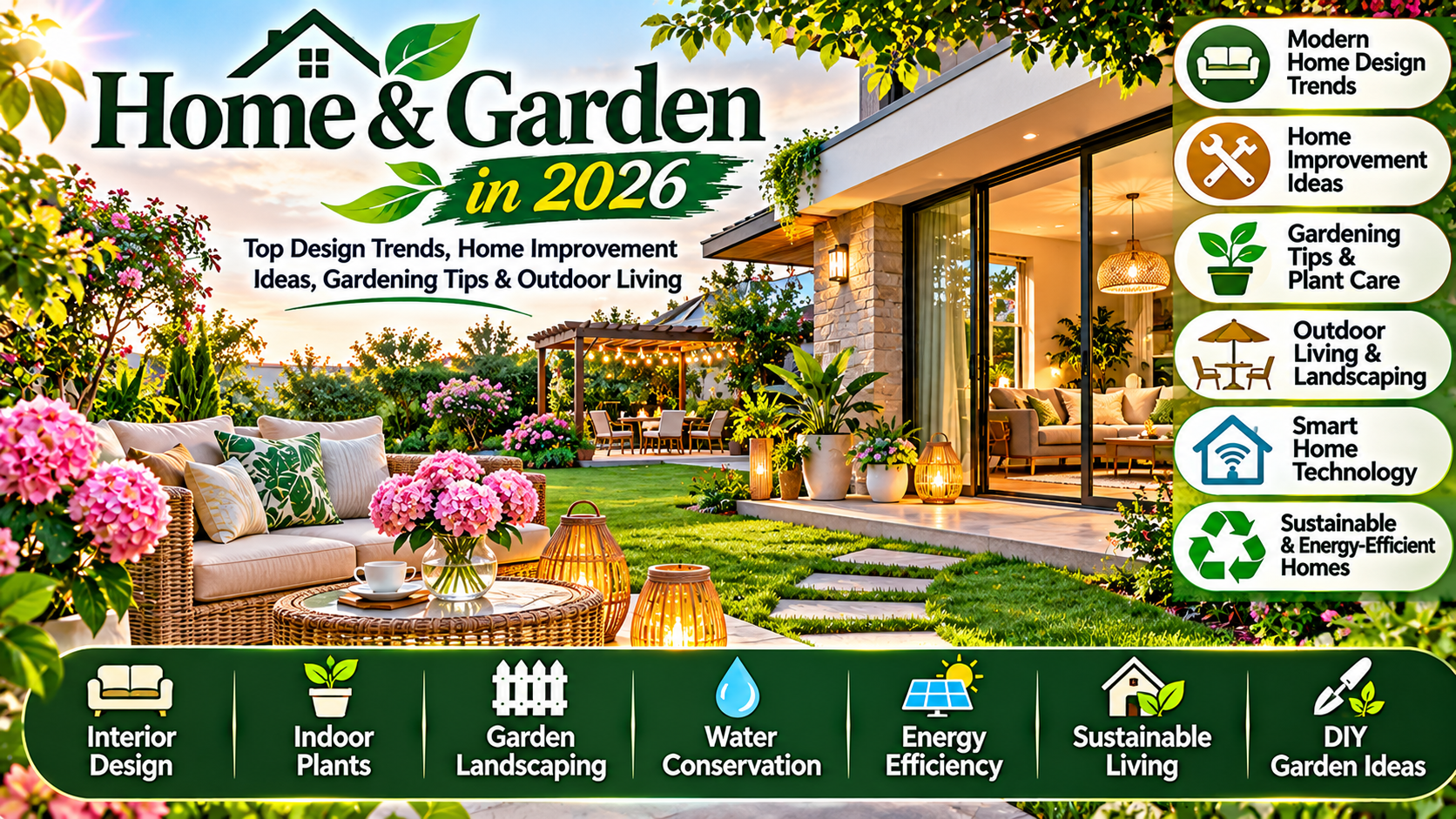
Home and garden spaces have become more than just places to live and grow plants. They represent personal style, comfort, creativity, sustainability, and modern lifestyle choices. In 2026, homeowners are increasingly focusing on creating functional, attractive, energy-efficient, and environmentally responsible living environments.
From modern interior design and smart home technology to sustainable gardening and beautiful outdoor spaces, the home and garden industry continues to evolve. Whether someone owns a large house, rents an apartment, or maintains a small balcony garden, there are countless ways to improve their surroundings.
This guide explores the latest home and garden trends, practical improvement ideas, gardening techniques, popular products, and the future of modern living spaces.
1. Understanding the Home & Garden Industry
The home and garden industry includes products, services, and solutions that help people improve their indoor and outdoor environments.
Its major categories include:
Home furniture and decorations
Interior design and renovation
Kitchen and bathroom improvements
Flooring, lighting, and wall treatments
Gardening tools and equipment
Indoor and outdoor plants
Lawn care and landscaping
Outdoor furniture and accessories
Smart home technology
Sustainable home products
The industry serves homeowners, renters, property developers, interior designers, gardeners, and professional landscaping businesses.
2. Home Design Trends in 2026
Modern home design increasingly combines visual appeal with functionality. Instead of focusing only on expensive decorations, homeowners are choosing practical designs that make everyday living more comfortable.
Natural and Organic Interiors
Natural materials continue to influence interior design. Wood, stone, linen, cotton, bamboo, and other textured materials create warm and welcoming spaces.
Popular design elements include:
Wooden furniture and flooring
Natural stone countertops
Neutral wall colors
Soft-textured fabrics
Indoor plants
Handmade decorative accessories
These elements help create comfortable interiors with a connection to nature.
Minimalist Home Design
Minimalism focuses on simplicity, organization, and functionality. It reduces unnecessary clutter while maintaining an attractive appearance.
Common features include clean furniture designs, neutral colors, open spaces, practical storage, and carefully selected decorations.
Warm Color Palettes
Warm and earthy colors are popular choices for creating inviting environments.
Examples include:
Beige and cream
Terracotta
Warm brown
Olive green
Muted yellow
Soft charcoal
These shades can work well in living rooms, bedrooms, kitchens, and other interior spaces.
Multifunctional Furniture
With urban living spaces becoming more compact, multifunctional furniture offers practical solutions.
Examples include:
Sofa beds
Extendable dining tables
Storage ottomans
Foldable desks
Wall-mounted shelves
Beds with built-in storage
These products help maximize available space without sacrificing comfort.
3. Home Improvement Ideas That Add Value
Home improvement can make a property more attractive, comfortable, and functional. Some projects also improve energy efficiency and long-term property value.
Kitchen Improvements
The kitchen is one of the most frequently used areas in a home. Upgrading cabinets, countertops, lighting, and storage can improve its appearance and usability.
Practical ideas include:
Installing modern cabinet handles
Adding under-cabinet lighting
Improving pantry organization
Replacing outdated faucets
Creating additional countertop storage
Choosing durable and easy-to-clean surfaces
Bathroom Renovation
A well-designed bathroom improves daily comfort and can make a property more appealing.
Popular improvements include walk-in showers, modern vanities, water-efficient fixtures, improved ventilation, large mirrors, and better lighting.
Flooring and Wall Upgrades
Flooring and wall treatments have a major impact on interior appearance.
Popular flooring options include:
Hardwood
Engineered wood
Ceramic tiles
Porcelain tiles
Luxury vinyl flooring
Natural stone
Wall improvements can include fresh paint, decorative panels, wallpaper, textured finishes, and carefully designed accent walls.
Lighting Improvements
Lighting affects both the appearance and functionality of a room.
A balanced lighting plan combines:
Ambient lighting: General illumination throughout a room.
Task lighting: Focused lighting for reading, cooking, or working.
Accent lighting: Decorative lighting that highlights artwork, furniture, or architectural details.
LED lighting is also a popular option because of its energy efficiency and long operating life.
4. Gardening Trends and Ideas in 2026
Gardening is becoming an important part of modern home life. It offers opportunities to improve outdoor appearance, grow fresh food, and create relaxing environments.
Home Vegetable Gardening
Growing vegetables at home can provide fresh produce and make gardening more rewarding.
Popular vegetables for home gardens include:
Tomatoes
Spinach
Lettuce
Cucumbers
Green chilies
Carrots
Radishes
Herbs such as mint and coriander
Before planting, consider sunlight, soil quality, drainage, local climate, and seasonal growing conditions.
Indoor Gardening
Indoor plants can add natural color and character to living spaces.
Popular houseplants include:
Snake plants
Pothos
Spider plants
Peace lilies
ZZ plants
Rubber plants
Plant selection should depend on available sunlight, indoor temperature, humidity, and maintenance requirements.
Balcony and Small-Space Gardening
People living in apartments can still create attractive gardens using limited space.
Useful solutions include:
Hanging planters
Vertical garden systems
Window boxes
Railing planters
Compact herb gardens
Stackable plant containers
Vertical gardening is especially useful when floor space is limited.
Sustainable Gardening
Environmentally responsible gardening focuses on reducing waste and using natural resources efficiently.
Helpful practices include:
Composting kitchen and garden waste
Collecting rainwater where practical
Choosing suitable native plants
Using mulch to retain soil moisture
Avoiding unnecessary chemical treatments
Selecting water-efficient irrigation systems
5. Landscaping and Outdoor Living
Outdoor spaces can become comfortable extensions of indoor living areas.
Modern Garden Landscaping
A well-planned garden combines plants, pathways, lighting, seating, and decorative features.
Popular landscaping elements include:
Stone walkways
Flower beds
Green lawns
Decorative shrubs
Garden borders
Water features
Outdoor lighting
The best design depends on property size, climate, maintenance requirements, and personal preferences.
Outdoor Furniture
Outdoor furniture can transform patios, balconies, terraces, and gardens into relaxing spaces.
Popular options include:
Weather-resistant chairs
Outdoor dining sets
Garden benches
Patio sofas
Hammocks
Folding tables
Materials should be selected according to local weather conditions and maintenance needs.
Outdoor Entertainment Areas
Homeowners are increasingly using outdoor spaces for family gatherings and social activities.
Ideas include outdoor dining areas, barbecue stations, shaded seating, fire features where permitted, and comfortable garden lounges.
6. Smart Home Technology
Technology is changing how people manage their homes. Smart devices can improve convenience, security, energy management, and everyday comfort.
Popular smart home products include:
Product | Main Function |
|---|---|
Smart thermostats | Manage heating and cooling |
Smart lighting | Control lights remotely |
Video doorbells | Monitor visitors |
Smart locks | Manage door access |
Security cameras | Monitor property |
Smart plugs | Control connected appliances |
Automated irrigation | Manage garden watering |
Smart home systems should be selected with attention to compatibility, privacy, cybersecurity, and installation requirements.
7. Sustainable and Energy-Efficient Homes
Sustainability has become an important consideration in home design and renovation.
Solar Energy
Solar panels can generate electricity from sunlight and may reduce dependence on conventional electricity sources. Their financial benefits depend on installation costs, energy consumption, local electricity prices, and available incentives.
Energy-Efficient Appliances
Modern appliances with strong energy-efficiency ratings can help reduce electricity consumption.
Examples include efficient refrigerators, washing machines, air conditioners, LED lighting, and induction cooking equipment.
Water Conservation
Water-saving fixtures and responsible usage practices can reduce household water consumption.
Useful options include low-flow showerheads, efficient taps, dual-flush toilets, rainwater collection systems, and drip irrigation.
Sustainable Building Materials
Materials such as responsibly sourced wood, recycled materials, bamboo, and low-emission paints can support more environmentally conscious construction and renovation decisions.
8. Essential Home & Garden Products
Choosing suitable products can improve comfort, appearance, and maintenance efficiency.
Category | Popular Products |
|---|---|
Furniture | Sofas, beds, dining tables, cabinets |
Decoration | Mirrors, rugs, artwork, cushions |
Kitchen | Cookware, organizers, faucets |
Bathroom | Vanities, shower fixtures, storage |
Gardening | Pots, soil, seeds, fertilizers |
Garden tools | Pruners, shovels, hoses, gloves |
Outdoor living | Patio furniture, umbrellas, grills |
Smart home | Cameras, sensors, smart lighting |
Cleaning | Vacuums, mops, storage systems |
Buyers should compare product quality, warranties, materials, safety information, and long-term maintenance requirements before purchasing.
9. Popular Home & Garden Retailers and Brands
Several retailers and brands serve different areas of the home improvement and gardening market.
Home Depot
The Home Depot is a major home improvement retailer offering building materials, tools, appliances, flooring, paint, garden products, and renovation supplies.
Lowe's
Lowe's provides home improvement products, appliances, tools, outdoor equipment, and gardening supplies.
IKEA
IKEA is known for furniture, home accessories, storage systems, kitchen products, and space-saving interior solutions.
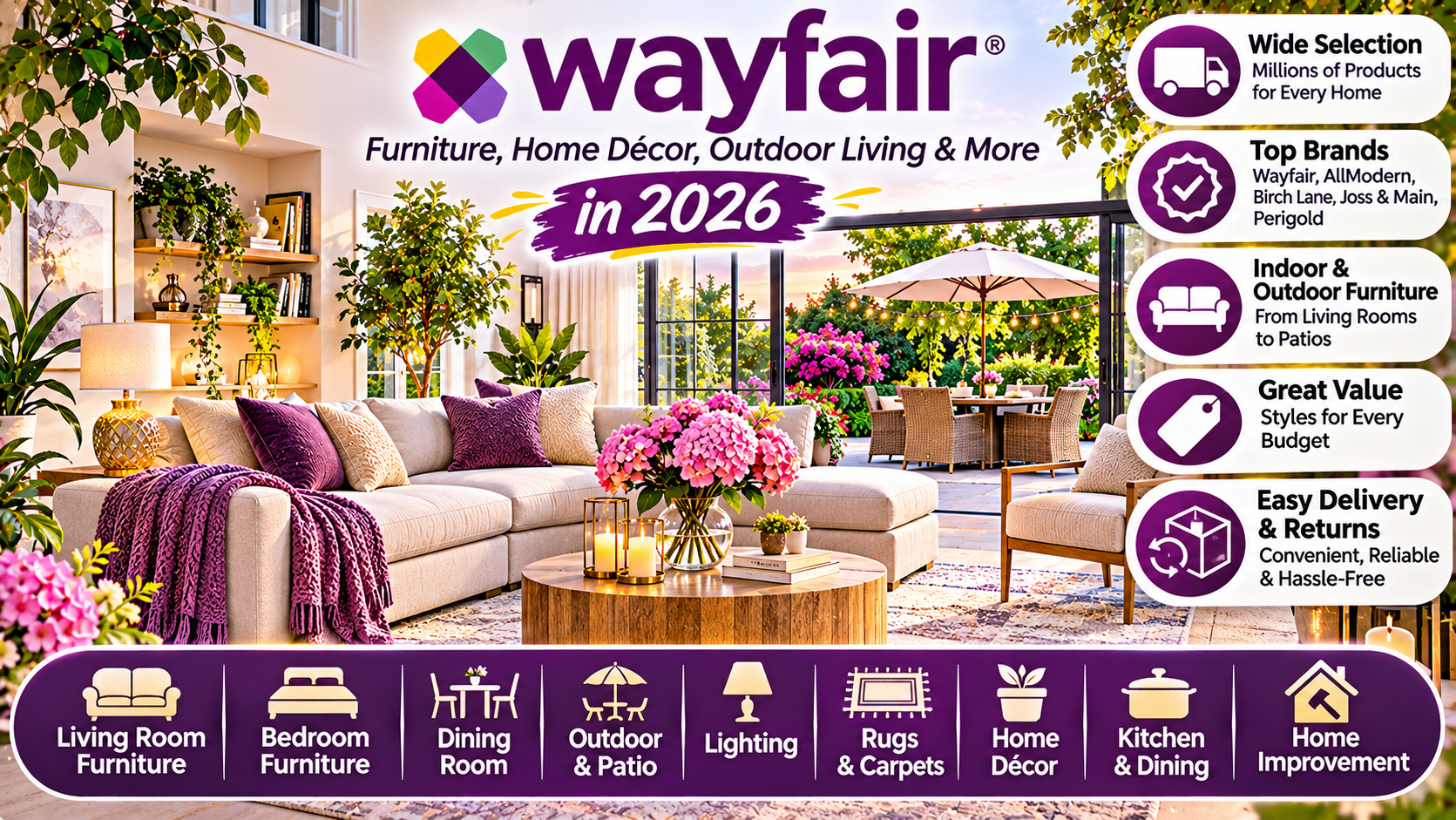
Wayfair
Wayfair operates an online retail marketplace focused on furniture, home décor, lighting, rugs, and household products.
B&Q
B&Q is a home improvement retailer offering DIY products, building materials, decorating supplies, and garden equipment.
Gardena
Gardena specializes in garden tools, irrigation systems, watering equipment, and lawn-care solutions.
These businesses illustrate the diversity of the home and garden market, from furniture and décor to professional-grade tools and gardening equipment.
10. How to Plan a Home Improvement Project
A successful renovation or improvement project begins with careful planning.
Step 1: Identify Your Goals
Decide whether the project is intended to improve appearance, functionality, energy efficiency, property value, or maintenance.
Step 2: Set a Realistic Budget
Calculate the estimated cost of materials, labor, transportation, installation, and unexpected expenses.
Step 3: Research Products and Contractors
Compare product specifications, reviews, warranties, and contractor experience before making decisions.
Step 4: Create a Timeline
Set realistic milestones for purchasing materials, preparing the space, completing installation, and inspecting the final work.
Step 5: Review Quality and Safety
Check the finished project for workmanship, structural safety, electrical compliance, plumbing performance, and product quality.
11. Home & Garden Maintenance Tips
Regular maintenance can help prevent expensive repairs and extend the life of household products.
Indoor maintenance:
Clean air filters regularly.
Check plumbing for leaks.
Inspect electrical fittings.
Maintain kitchen and bathroom ventilation.
Check doors, windows, and seals.
Clean appliances according to manufacturer instructions.
Garden maintenance:
Water plants according to their needs.
Remove weeds regularly.
Prune plants when appropriate.
Monitor for pests and plant diseases.
Maintain soil quality.
Clean and store garden tools properly.
Seasonal inspections are also useful for identifying problems before they become serious.
12. The Future of the Home & Garden Industry
The home and garden industry is likely to continue evolving as technology, consumer preferences, and environmental concerns influence purchasing decisions.
AI-Powered Home Design
Artificial intelligence tools can help homeowners explore room layouts, color combinations, furniture arrangements, and renovation concepts.
Automated Gardening
Smart irrigation, moisture sensors, robotic lawn mowers, and connected gardening devices can simplify garden management.
Sustainable Products
Demand for durable, repairable, energy-efficient, and responsibly sourced products is likely to remain an important industry consideration.
Personalized Living Spaces
Consumers increasingly want homes that reflect their individual lifestyles. Custom furniture, modular storage, adaptable rooms, and personalized décor offer opportunities for more flexible living.
Indoor-Outdoor Integration
Large windows, patios, balconies, natural materials, and indoor plants help connect interior spaces with the outdoors.
13. Frequently Asked Questions
What are the biggest home design trends in 2026?
Natural materials, warm colors, minimalist interiors, multifunctional furniture, smart home technology, and sustainable design are important trends.
How can I improve my home on a small budget?
Start with affordable improvements such as repainting walls, rearranging furniture, upgrading lighting, adding storage, replacing old handles, and introducing indoor plants.
Which plants are easiest to grow indoors?
Snake plants, pothos, spider plants, and ZZ plants are popular choices because they can tolerate a range of indoor conditions. Their watering and lighting needs should still be considered.
How can I start a garden at home?
Choose a suitable location, assess sunlight, prepare well-draining soil, select plants appropriate for your climate, and establish a consistent watering routine.
What are the benefits of smart home technology?
Smart home devices can improve convenience, help manage energy use, provide security features, and automate certain household tasks.
How can I make my home more energy-efficient?
Improve insulation, use LED lighting, maintain heating and cooling systems, choose efficient appliances, and consider solar energy where practical.
Does landscaping increase property value?
Well-maintained landscaping can improve curb appeal and may increase a property's attractiveness to potential buyers. The actual financial impact depends on the property and local market.
Conclusion
Home and garden improvements play an important role in creating comfortable, attractive, and functional living environments. From modern interior design and smart technology to sustainable gardening and outdoor landscaping, there are many opportunities to improve everyday living.
In 2026, the most valuable home and garden choices combine practical functionality, thoughtful design, durability, and environmental awareness. Whether planning a major renovation or making small improvements, careful research and realistic budgeting can help homeowners create spaces that meet their needs today and remain useful in the future.