
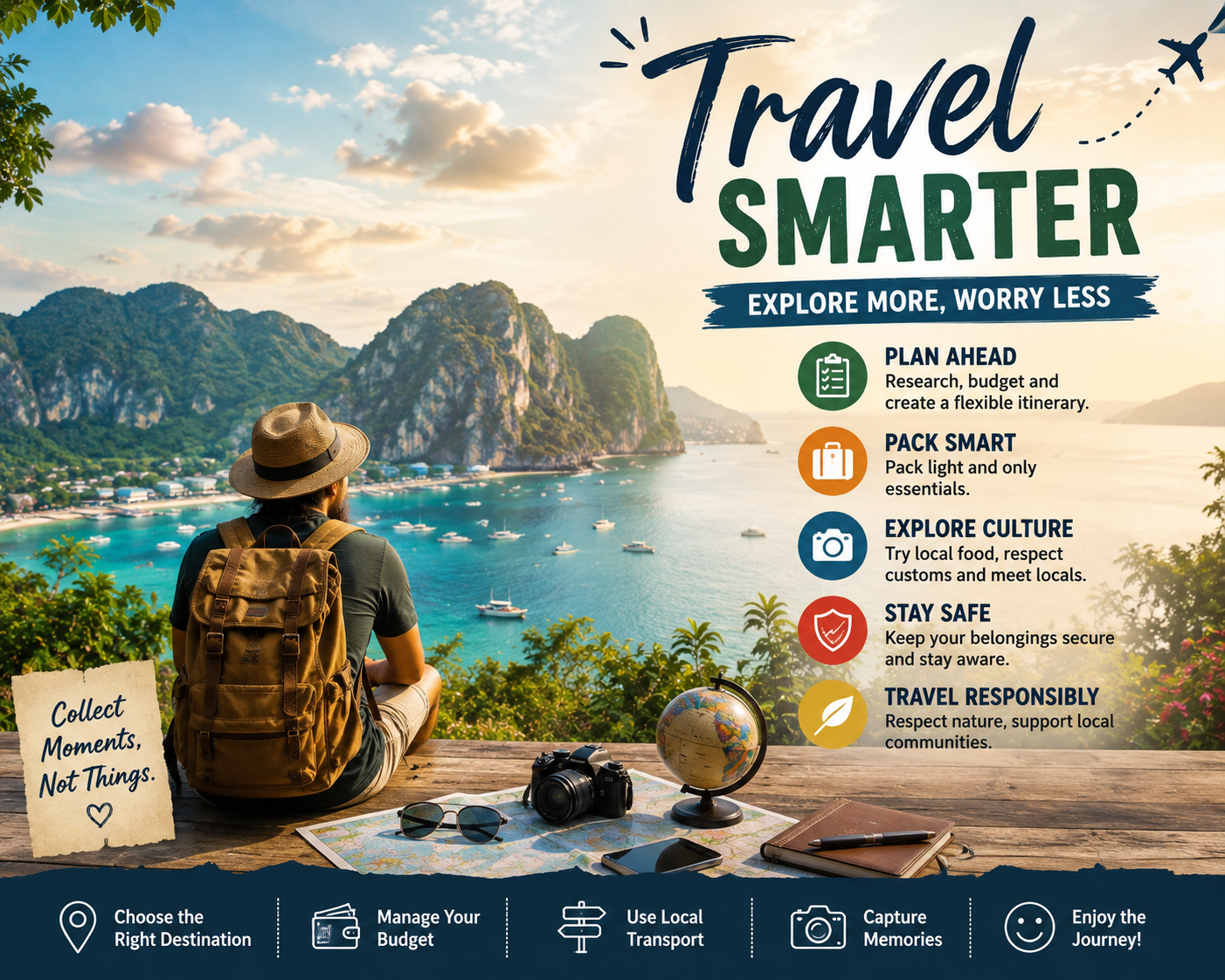
Travel gives us the opportunity to escape our routines, discover beautiful destinations, experience different cultures, and create unforgettable memories. Whether you are planning a family vacation, a romantic getaway, a solo adventure, or a weekend trip with friends, good preparation can make your journey more enjoyable.
A successful trip is not only about choosing a beautiful destination. Smart travelers consider their budget, transportation, accommodation, safety, activities, and local culture before leaving home. At the same time, they understand that travel should leave room for unexpected experiences.
Choose the Right Destination
The first step toward a successful journey is choosing a destination that matches your interests, budget, and available time. Beach destinations may be ideal for relaxation, while mountains and national parks can provide opportunities for hiking and adventure.
If you enjoy history and culture, consider destinations with museums, historic buildings, traditional markets, and cultural landmarks. Food lovers can choose places famous for their local cuisine and culinary traditions.
Consider the season before making your decision. Weather can have a major effect on your experience, especially if your plans involve outdoor activities.
Research Before You Travel
Research is one of the most valuable parts of travel planning. Learn about local transportation, attractions, weather conditions, cultural customs, and common travel practices.
For international trips, check passport and visa requirements well in advance. Research local currency and payment methods as well.
It is also useful to save important information offline. Download maps, hotel details, transportation information, and copies of important documents so you can access them even without an internet connection.
Create a Travel Budget
A realistic budget helps you enjoy your trip without unnecessary financial stress. Estimate expenses for flights, accommodation, transportation, food, activities, shopping, and emergencies.
Compare prices before booking flights and hotels. Traveling during less crowded periods can often reduce costs.
You can also save money by using public transportation, eating at local restaurants, and choosing free or affordable attractions.
Always keep an emergency fund separate from your main travel budget. Unexpected expenses can happen even when a trip is carefully planned.
Book Accommodation Wisely
Your accommodation can influence the overall quality of your trip. Instead of choosing a hotel based only on price, consider its location, cleanliness, safety, facilities, and reviews.
A central location may cost more, but it can reduce transportation time and expenses. Accommodation near public transportation can also make exploring a city easier.
Read recent reviews before booking and check cancellation policies carefully. If you are traveling with family, make sure the accommodation provides enough space and suitable facilities.
Pack Efficiently
Packing smartly can make your journey much easier. Avoid taking unnecessary items that will make your luggage heavy.
Choose versatile clothing that can be used for multiple occasions. Pack according to the weather and activities you have planned.
Comfortable shoes are essential for travelers who expect to walk frequently. Other useful items include chargers, travel documents, toiletries, medications, sunglasses, and a portable power bank.
Keep important documents secure and store digital copies of your passport, identification, reservations, and travel insurance information.
Plan Your Activities
Creating an itinerary helps you make the most of your time. Make a list of the attractions you want to visit and organize them according to location.
Avoid scheduling too many activities in a single day. Give yourself time to rest and enjoy the destination.
Some attractions may require advance reservations, particularly during busy travel seasons. Booking popular activities early can help you avoid disappointment.
However, do not plan every minute of your vacation. Leaving free time allows you to discover unexpected places.
Experience Local Culture
Travel is more meaningful when you experience the culture of your destination. Visit local markets, try traditional foods, learn about local history, and explore neighborhoods away from major tourist attractions.
Respect local customs and traditions. When visiting religious or cultural sites, follow any rules regarding clothing, photography, and behavior.
Learning a few words in the local language can also improve communication and create positive interactions with residents.
Try Local Food
Food is an important part of the travel experience. Every destination has unique dishes, ingredients, and cooking traditions.
Instead of eating only at familiar international chains, try reputable local restaurants and traditional dishes.
Food markets and local cafés can provide affordable ways to experience authentic flavors. When choosing street food, pay attention to basic hygiene and cleanliness.
Trying local cuisine can become one of the most memorable parts of your journey.
Stay Safe During Your Trip
Safety should always be part of your travel plans. Keep your passport, money, phone, and other valuable items secure.
Avoid displaying large amounts of cash and remain aware of your surroundings, particularly in crowded tourist areas.
Before traveling, research local emergency services and save important contact information. If traveling alone, share your basic itinerary with someone you trust.
Be cautious with unfamiliar situations and avoid unnecessary risks. A great vacation should be enjoyable as well as safe.
Take Care of Your Health
Staying healthy is important when traveling. Get enough sleep, drink safe water, eat carefully, and take breaks when necessary.
If you are traveling to a different climate, allow your body time to adjust. Protect yourself from excessive sun exposure and dress appropriately for changing weather.
Keep necessary medications accessible, particularly during flights or long journeys. Depending on your destination, research any health recommendations or travel requirements before leaving.
Use Transportation Efficiently
Learning about local transportation can save time and money. Research buses, trains, metro systems, taxis, and other transportation options before arriving.
Public transportation can be an affordable way to explore a destination and may also provide a more authentic view of local life.
If you plan to rent a car, understand local driving laws, insurance requirements, parking rules, and road conditions.
Always allow extra time when traveling to airports, train stations, and other important appointments.
Travel Responsibly
Responsible tourism helps protect destinations and local communities. Avoid unnecessary plastic, dispose of waste properly, conserve water, and respect wildlife.
Never damage natural environments or historical sites. Follow local rules and behave respectfully toward residents.
Supporting local businesses can also make a positive difference. Choose local restaurants, shops, accommodation providers, and tour operators when possible.
Responsible travel allows destinations to remain beautiful and welcoming for future visitors.
Make Time for Unexpected Experiences
Even a carefully planned trip can change unexpectedly. Flights may be delayed, weather conditions may change, or attractions may become unavailable.
Instead of allowing small problems to ruin your vacation, stay flexible. Unexpected changes can sometimes create better experiences.
A canceled outdoor activity might give you time to visit a museum. A missed restaurant reservation might lead you to discover a wonderful local café.
The ability to adapt is one of the most useful skills a traveler can develop.
Capture Memories
Photographs and videos allow travelers to preserve special moments. Capture beautiful landscapes, local food, architecture, and memorable experiences.
However, do not spend the entire trip looking through a phone screen. Take time to enjoy your surroundings directly.
A travel journal can also help preserve memories. Write down your favorite places, foods, conversations, and experiences while they are still fresh.
Frequently Asked Questions
What is the best way to plan a trip?
Start by choosing a destination, researching travel requirements, setting a budget, booking accommodation and transportation, and creating a flexible itinerary.
How can I save money while traveling?
Compare prices, travel during less busy seasons, use public transportation, stay in reasonably priced accommodation, eat at local restaurants, and explore free attractions.
How far in advance should I book a vacation?
International trips often benefit from early planning, especially when visas, popular accommodation, or major attractions are involved. Short domestic trips may require less advance planning.
What should I pack for a vacation?
Pack according to the destination, weather, and activities. Essential items usually include comfortable clothing, shoes, travel documents, chargers, toiletries, and necessary medications.
How can I stay safe while traveling?
Keep valuables secure, avoid carrying large amounts of cash, research local safety information, remain aware of your surroundings, and keep emergency contacts available.
Is travel insurance important?
Travel insurance can provide protection against certain unexpected expenses, depending on the policy. Check the coverage carefully before purchasing it.
How can I experience local culture?
Visit local markets, try traditional foods, learn basic local phrases, explore less-touristy neighborhoods, and respect local customs and traditions.
Should I create a detailed itinerary?
A basic itinerary is helpful, but avoid scheduling every minute. Free time gives you the opportunity to relax and discover unexpected places.
How can I avoid tourist crowds?
Travel during the off-season, visit popular attractions early, book timed entries where available, and explore lesser-known attractions.
How can I travel responsibly?
Reduce waste, avoid harming wildlife, respect local communities, protect natural and historical sites, and support local businesses.
What should I do if my plans change unexpectedly?
Stay calm and look for alternatives. Contact your airline, hotel, or tour provider and keep some extra time and money available for unexpected situations.
How can I make my trip memorable?
Try new experiences, explore local culture, taste traditional foods, interact respectfully with residents, take photographs, and leave room for spontaneous adventures.
Conclusion
Stress-free travel begins with smart preparation but depends equally on flexibility. Choosing the right destination, creating a realistic budget, packing efficiently, researching local culture, and prioritizing safety can make your journey smoother.
At the same time, do not allow planning to remove the sense of adventure. Some of the best travel memories come from unexpected discoveries, local conversations, delicious meals, and simple moments.
Whether you are planning a short getaway or a long international vacation, thoughtful preparation can help you travel with confidence and enjoy every part of the journey.
Choose the Right Destination
The first step toward a successful journey is choosing a destination that matches your interests, budget, and available time. Beach destinations may be ideal for relaxation, while mountains and national parks can provide opportunities for hiking and adventure.
If you enjoy history and culture, consider destinations with museums, historic buildings, traditional markets, and cultural landmarks. Food lovers can choose places famous for their local cuisine and culinary traditions.
Consider the season before making your decision. Weather can have a major effect on your experience, especially if your plans involve outdoor activities.
Research Before You Travel
Research is one of the most valuable parts of travel planning. Learn about local transportation, attractions, weather conditions, cultural customs, and common travel practices.
For international trips, check passport and visa requirements well in advance. Research local currency and payment methods as well.
It is also useful to save important information offline. Download maps, hotel details, transportation information, and copies of important documents so you can access them even without an internet connection.
Create a Travel Budget
A realistic budget helps you enjoy your trip without unnecessary financial stress. Estimate expenses for flights, accommodation, transportation, food, activities, shopping, and emergencies.
Compare prices before booking flights and hotels. Traveling during less crowded periods can often reduce costs.
You can also save money by using public transportation, eating at local restaurants, and choosing free or affordable attractions.
Always keep an emergency fund separate from your main travel budget. Unexpected expenses can happen even when a trip is carefully planned.
Book Accommodation Wisely
Your accommodation can influence the overall quality of your trip. Instead of choosing a hotel based only on price, consider its location, cleanliness, safety, facilities, and reviews.
A central location may cost more, but it can reduce transportation time and expenses. Accommodation near public transportation can also make exploring a city easier.
Read recent reviews before booking and check cancellation policies carefully. If you are traveling with family, make sure the accommodation provides enough space and suitable facilities.
Pack Efficiently
Packing smartly can make your journey much easier. Avoid taking unnecessary items that will make your luggage heavy.
Choose versatile clothing that can be used for multiple occasions. Pack according to the weather and activities you have planned.
Comfortable shoes are essential for travelers who expect to walk frequently. Other useful items include chargers, travel documents, toiletries, medications, sunglasses, and a portable power bank.
Keep important documents secure and store digital copies of your passport, identification, reservations, and travel insurance information.
Plan Your Activities
Creating an itinerary helps you make the most of your time. Make a list of the attractions you want to visit and organize them according to location.
Avoid scheduling too many activities in a single day. Give yourself time to rest and enjoy the destination.
Some attractions may require advance reservations, particularly during busy travel seasons. Booking popular activities early can help you avoid disappointment.
However, do not plan every minute of your vacation. Leaving free time allows you to discover unexpected places.
Experience Local Culture
Travel is more meaningful when you experience the culture of your destination. Visit local markets, try traditional foods, learn about local history, and explore neighborhoods away from major tourist attractions.
Respect local customs and traditions. When visiting religious or cultural sites, follow any rules regarding clothing, photography, and behavior.
Learning a few words in the local language can also improve communication and create positive interactions with residents.
Try Local Food
Food is an important part of the travel experience. Every destination has unique dishes, ingredients, and cooking traditions.
Instead of eating only at familiar international chains, try reputable local restaurants and traditional dishes.
Food markets and local cafés can provide affordable ways to experience authentic flavors. When choosing street food, pay attention to basic hygiene and cleanliness.
Trying local cuisine can become one of the most memorable parts of your journey.
Stay Safe During Your Trip
Safety should always be part of your travel plans. Keep your passport, money, phone, and other valuable items secure.
Avoid displaying large amounts of cash and remain aware of your surroundings, particularly in crowded tourist areas.
Before traveling, research local emergency services and save important contact information. If traveling alone, share your basic itinerary with someone you trust.
Be cautious with unfamiliar situations and avoid unnecessary risks. A great vacation should be enjoyable as well as safe.
Take Care of Your Health
Staying healthy is important when traveling. Get enough sleep, drink safe water, eat carefully, and take breaks when necessary.
If you are traveling to a different climate, allow your body time to adjust. Protect yourself from excessive sun exposure and dress appropriately for changing weather.
Keep necessary medications accessible, particularly during flights or long journeys. Depending on your destination, research any health recommendations or travel requirements before leaving.
Use Transportation Efficiently
Learning about local transportation can save time and money. Research buses, trains, metro systems, taxis, and other transportation options before arriving.
Public transportation can be an affordable way to explore a destination and may also provide a more authentic view of local life.
If you plan to rent a car, understand local driving laws, insurance requirements, parking rules, and road conditions.
Always allow extra time when traveling to airports, train stations, and other important appointments.
Travel Responsibly
Responsible tourism helps protect destinations and local communities. Avoid unnecessary plastic, dispose of waste properly, conserve water, and respect wildlife.
Never damage natural environments or historical sites. Follow local rules and behave respectfully toward residents.
Supporting local businesses can also make a positive difference. Choose local restaurants, shops, accommodation providers, and tour operators when possible.
Responsible travel allows destinations to remain beautiful and welcoming for future visitors.
Make Time for Unexpected Experiences
Even a carefully planned trip can change unexpectedly. Flights may be delayed, weather conditions may change, or attractions may become unavailable.
Instead of allowing small problems to ruin your vacation, stay flexible. Unexpected changes can sometimes create better experiences.
A canceled outdoor activity might give you time to visit a museum. A missed restaurant reservation might lead you to discover a wonderful local café.
The ability to adapt is one of the most useful skills a traveler can develop.
Capture Memories
Photographs and videos allow travelers to preserve special moments. Capture beautiful landscapes, local food, architecture, and memorable experiences.
However, do not spend the entire trip looking through a phone screen. Take time to enjoy your surroundings directly.
A travel journal can also help preserve memories. Write down your favorite places, foods, conversations, and experiences while they are still fresh.
Frequently Asked Questions
What is the best way to plan a trip?
Start by choosing a destination, researching travel requirements, setting a budget, booking accommodation and transportation, and creating a flexible itinerary.
How can I save money while traveling?
Compare prices, travel during less busy seasons, use public transportation, stay in reasonably priced accommodation, eat at local restaurants, and explore free attractions.
How far in advance should I book a vacation?
International trips often benefit from early planning, especially when visas, popular accommodation, or major attractions are involved. Short domestic trips may require less advance planning.
What should I pack for a vacation?
Pack according to the destination, weather, and activities. Essential items usually include comfortable clothing, shoes, travel documents, chargers, toiletries, and necessary medications.
How can I stay safe while traveling?
Keep valuables secure, avoid carrying large amounts of cash, research local safety information, remain aware of your surroundings, and keep emergency contacts available.
Is travel insurance important?
Travel insurance can provide protection against certain unexpected expenses, depending on the policy. Check the coverage carefully before purchasing it.
How can I experience local culture?
Visit local markets, try traditional foods, learn basic local phrases, explore less-touristy neighborhoods, and respect local customs and traditions.
Should I create a detailed itinerary?
A basic itinerary is helpful, but avoid scheduling every minute. Free time gives you the opportunity to relax and discover unexpected places.
How can I avoid tourist crowds?
Travel during the off-season, visit popular attractions early, book timed entries where available, and explore lesser-known attractions.
How can I travel responsibly?
Reduce waste, avoid harming wildlife, respect local communities, protect natural and historical sites, and support local businesses.
What should I do if my plans change unexpectedly?
Stay calm and look for alternatives. Contact your airline, hotel, or tour provider and keep some extra time and money available for unexpected situations.
How can I make my trip memorable?
Try new experiences, explore local culture, taste traditional foods, interact respectfully with residents, take photographs, and leave room for spontaneous adventures.
Conclusion
Stress-free travel begins with smart preparation but depends equally on flexibility. Choosing the right destination, creating a realistic budget, packing efficiently, researching local culture, and prioritizing safety can make your journey smoother.
At the same time, do not allow planning to remove the sense of adventure. Some of the best travel memories come from unexpected discoveries, local conversations, delicious meals, and simple moments.
Whether you are planning a short getaway or a long international vacation, thoughtful preparation can help you travel with confidence and enjoy every part of the journey.