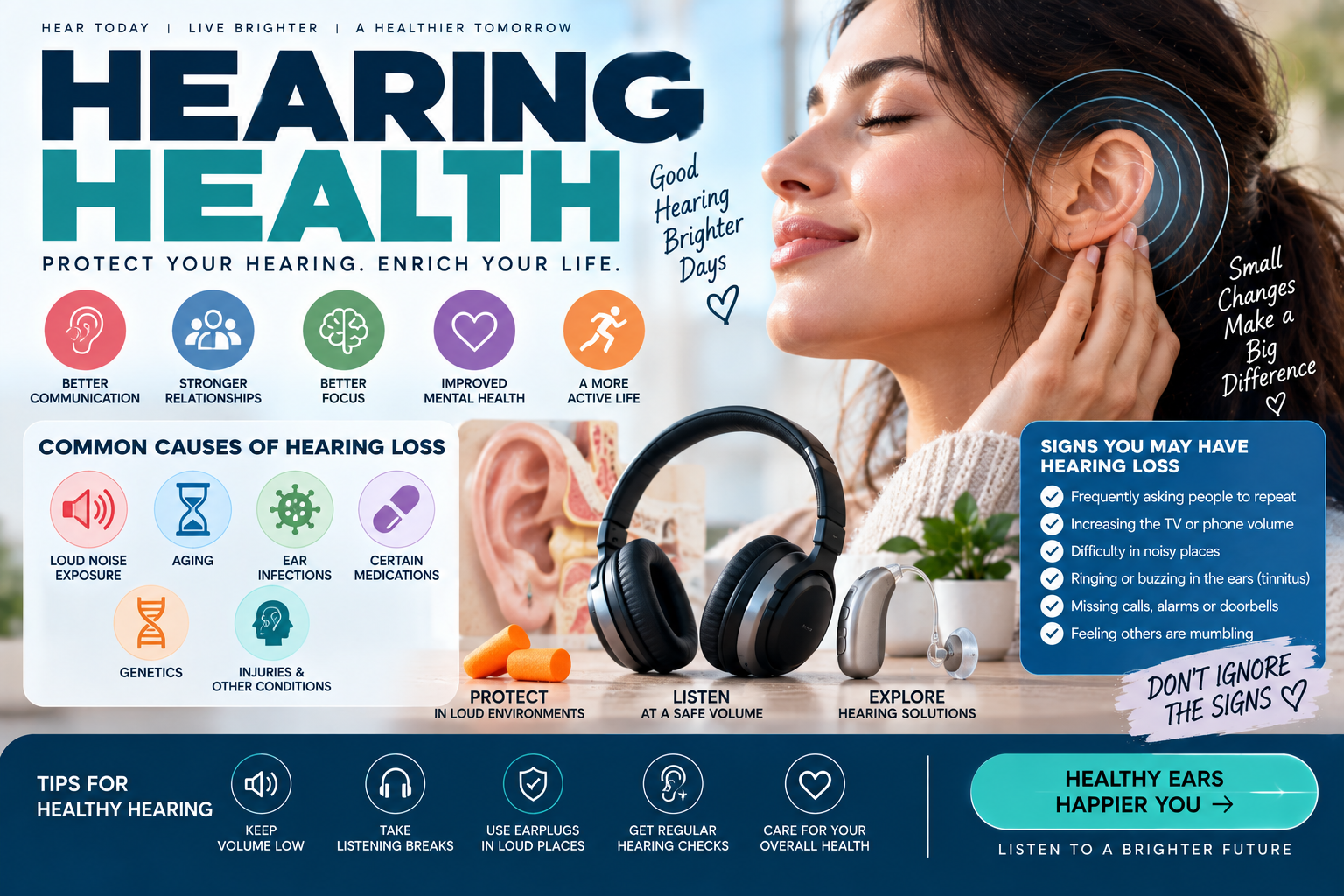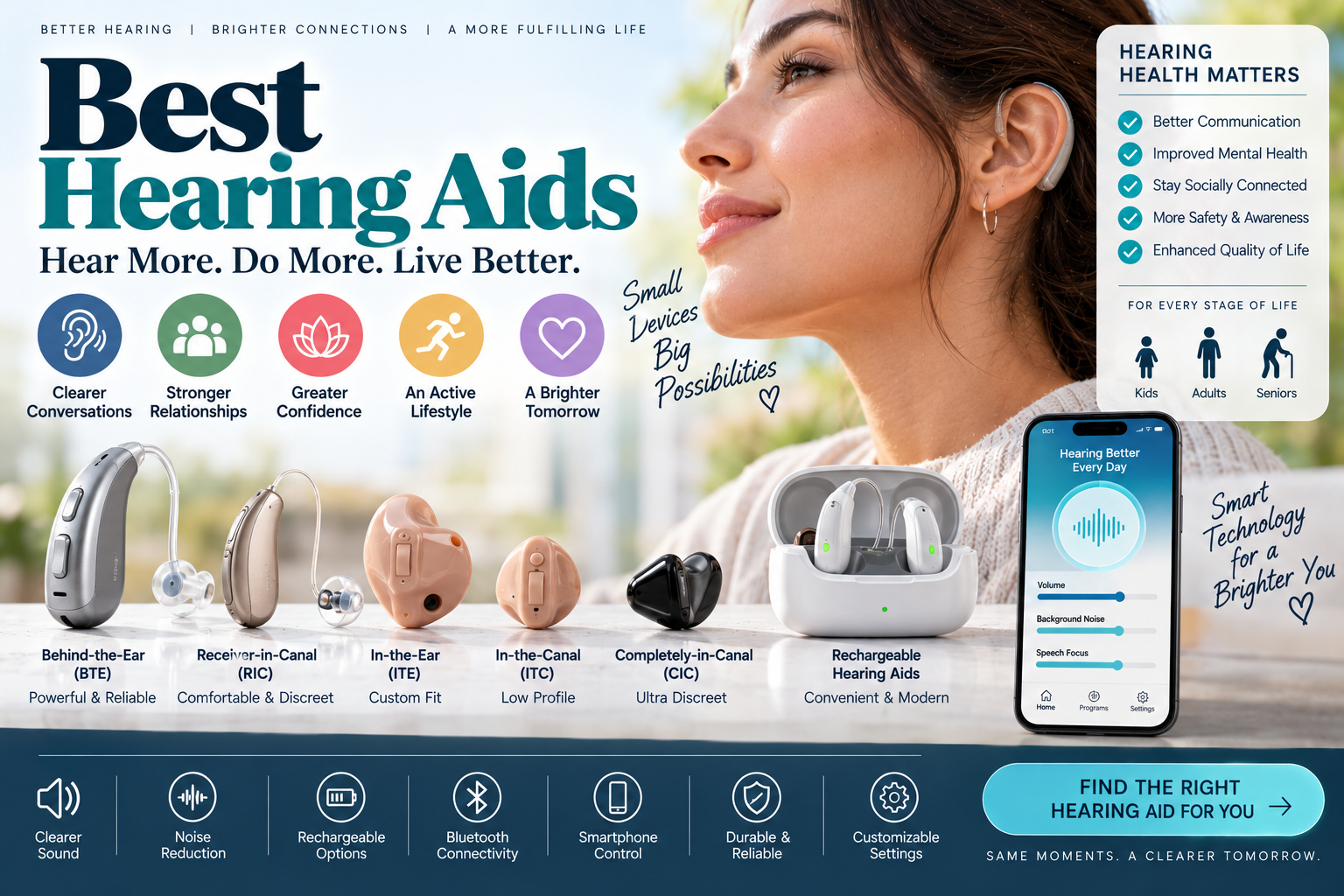
Choosing the best hearing aid can feel overwhelming. There are behind-the-ear devices, in-the-ear models, discreet completely-in-canal options, rechargeable hearing aids, self-fitting OTC devices, and prescription models programmed by hearing professionals.
The most suitable hearing aid is not necessarily the most expensive or the newest model. It depends on the type and severity of hearing loss, your lifestyle, comfort preferences, budget, and the environments where you need the most help. The National Institute on Deafness and Other Communication Disorders (NIDCD) notes that hearing aids should be selected according to an individual's hearing loss, needs, and lifestyle.
Today, adults with perceived mild-to-moderate hearing loss have another option: over-the-counter (OTC) hearing aids. In the United States, the FDA regulates OTC hearing aids as medical devices for adults 18 and older with perceived mild-to-moderate hearing loss. Prescription hearing aids remain available for people with more significant or complicated hearing loss.
What Are Hearing Aids?
Hearing aids are small electronic devices worn in or behind the ear that amplify certain sounds to help people with hearing loss communicate and participate more easily in daily activities.
A traditional hearing aid has three basic components:
A microphone that picks up sound
An amplifier that processes and increases selected sounds
A speaker that delivers the processed sound into the ear
Modern digital hearing aids can do much more than simply make everything louder. They can process different frequencies, reduce certain background noises, focus on speech, connect with smartphones, and provide personalized adjustments.
However, hearing aids do not restore normal hearing. Their purpose is to make useful sounds more accessible based on the individual's remaining hearing ability.
OTC vs. Prescription Hearing Aids
One of the first decisions is whether an OTC or prescription hearing aid is appropriate.
Over-the-Counter Hearing Aids
OTC hearing aids are designed for adults 18 and older who perceive that they have mild-to-moderate hearing loss.
They can be purchased directly without a prescription or mandatory professional fitting in the United States. Some models include hearing tests, smartphone apps, and self-fitting technology.
OTC hearing aids may appeal to people who want:
A simpler purchasing process
Self-fitting options
Smartphone controls
Lower-cost alternatives
Rechargeable designs
Greater control over adjustments
However, OTC devices are not intended for severe or profound hearing loss.
Prescription Hearing Aids
Prescription hearing aids are selected, programmed, and adjusted with the assistance of a hearing healthcare professional.
They may be more appropriate when someone has:
More severe hearing loss
Complicated hearing needs
Significant difficulty understanding speech
Hearing loss that differs substantially between ears
Medical concerns affecting the ears
A need for more advanced customization
A hearing professional can evaluate your hearing and program the device according to your hearing profile.
Types of Hearing Aids
Hearing aids come in several physical styles.
Behind-the-Ear Hearing Aids
Behind-the-ear (BTE) devices sit behind or above the ear and deliver sound through tubing, an earmold, or a receiver system.
They can accommodate a broad range of hearing losses and are available in different sizes.
BTE devices may be useful for people who need more amplification or prefer easier handling.
Receiver-in-Canal Hearing Aids
Receiver-in-canal (RIC) hearing aids have the main body behind the ear while the speaker or receiver sits in the ear canal.
They are popular because they can be relatively small and comfortable while offering advanced digital processing.
In-the-Ear Hearing Aids
In-the-ear (ITE) devices fit inside the outer ear.
They can provide a balance between discreetness and ease of handling. NIDCD notes that ITE hearing aids can be used for mild through severe hearing loss, depending on the specific device and individual's hearing needs.
In-the-Canal Hearing Aids
In-the-canal (ITC) devices sit partly inside the ear canal.
They are generally less visible than larger behind-the-ear designs but may have less physical space for batteries and controls.
Completely-in-Canal Hearing Aids
Completely-in-canal (CIC) hearing aids fit deeply into the ear canal and are designed to be discreet.
Their small size can be attractive to people who prioritize appearance, although small devices may be more difficult for some users to handle or clean.
What Features Should You Look For?
The right features depend on how and where you use your hearing aids.
Speech Enhancement
Speech enhancement technology can help emphasize voices relative to surrounding sounds.
This can be particularly useful in environments such as restaurants, family gatherings, offices, and other places where several people are talking.
Noise Reduction
Digital noise-reduction systems analyze environmental sounds and attempt to make certain unwanted sounds less distracting.
Noise reduction does not eliminate all background noise, but it can improve listening comfort.
Directional Microphones
Directional microphone systems can emphasize sound coming from particular directions.
This can be useful when you are sitting across from someone and want to focus on their voice.
Rechargeable Batteries
Rechargeable hearing aids eliminate the need to regularly replace disposable batteries.
Many rechargeable models use a charging case or dock, making them convenient for people who prefer a simple daily routine.
Smartphone Apps
Some modern hearing aids can connect with smartphone applications.
Depending on the model, an app may allow users to:
Adjust volume
Change listening programs
Modify sound balance
Check battery status
Adjust certain personalization settings
Receive support or troubleshooting information
Bluetooth Connectivity
Some hearing aids can connect to compatible smartphones and other devices for calls, audio, or other functions.
Bluetooth capabilities vary considerably between models, so compatibility should be checked before purchasing.
Water and Dust Resistance
Some hearing aids have water- and dust-resistance ratings.
This can be useful for people who spend time outdoors or live active lifestyles. However, water resistance does not necessarily mean that a hearing aid can be submerged without limitations.
Always follow the manufacturer's instructions.
Hearing Aids for Mild to Moderate Hearing Loss
People with perceived mild-to-moderate hearing loss may consider OTC hearing aids.
The FDA states that OTC hearing aids are intended for adults 18 and older with perceived mild-to-moderate hearing loss. They can be purchased online or in stores without a prescription in the United States.
Potential options include:
Self-fitting OTC hearing aids
Rechargeable OTC hearing aids
Smartphone-controlled hearing aids
Traditional OTC hearing aids
A hearing test can still be useful even when it is not legally required for an OTC purchase.
Hearing Aids for Severe Hearing Loss
People with severe or profound hearing loss generally need professional evaluation.
OTC hearing aids are not designed for severe or profound hearing loss, and their output may not be sufficient. The FDA recommends consulting a licensed hearing healthcare professional when hearing loss may be more severe.
Prescription hearing aids may provide the amplification and customization required for more significant hearing loss.
In some cases, a hearing professional may discuss other technologies, including cochlear implants or assistive listening devices.
Hearing Aids for Older Adults
Age-related hearing loss is common, but hearing ability varies significantly from person to person.
Older adults may benefit from features such as:
Easy-to-use controls
Rechargeable batteries
Automatic listening programs
Speech-focused processing
Comfortable physical designs
Smartphone or remote controls
Reliable customer support
NIDCD emphasizes that the appropriate hearing aid depends on the severity of hearing loss and individual needs.
A professional hearing evaluation can be especially useful if hearing difficulties are significant or if the cause is uncertain.
Hearing Aids for People Who Want a Discreet Design
Some users prioritize appearance and want a hearing aid that is difficult to notice.
Small in-canal models may offer a discreet appearance.
For example, Sony's CRE-C20 was designed as a small, self-fitting OTC hearing aid that sits inside the ear canal. Sony describes features including rechargeable operation, app-based customization, noise reduction, and speech-focused processing.
However, product availability can change. Sony announced that the CRE-C20 and certain other OTC hearing aid models would be discontinued for sale around May 26, 2026, while post-purchase support would continue according to its support policy.
This illustrates why buyers should check current availability before purchasing a specific model.
Hearing Aids With Smartphone Features
Smartphone connectivity has become an important feature in modern hearing technology.
Depending on the model, smartphone integration can provide:
Remote volume adjustment
Sound-profile customization
Hearing tests
Device monitoring
Calls and audio streaming
Firmware updates
Battery information
Apple has also expanded hearing-health features in AirPods Pro. Compatible AirPods Pro 2 and AirPods Pro 3 models can provide a Hearing Test and a Hearing Aid feature for adults with perceived mild-to-moderate hearing loss, where the features are authorized and available.
These features can be particularly interesting to people already using compatible Apple devices, but regional availability matters.
Examples of Hearing Aid Options
Rather than choosing one universal "best" hearing aid, it is more useful to compare devices by the needs they are designed to address.
Sony CRE-C20
The Sony CRE-C20 is a self-fitting OTC hearing aid designed for adults with perceived mild-to-moderate hearing loss.
Sony lists features including:
Rechargeable operation
Smartphone app control
Self-fitting
Speech-focused processing
Noise-reduction technology
Discreet in-canal design
Sony's published specifications list rechargeable batteries and an IP68 rating.
Because Sony has announced discontinuation of the model for sale, buyers should verify current availability and support before purchasing.
Lexie B2 Plus
The Lexie B2 Plus is an OTC self-fitting hearing aid marketed for adults with perceived mild-to-moderate hearing loss.
Lexie lists features including rechargeable batteries, an in-app hearing test, personalized settings, customer support, and Bluetooth call streaming on compatible devices.
As with any hearing aid, compatibility should be checked before purchase, particularly if smartphone streaming is important.
AirPods Pro 2 and AirPods Pro 3
Compatible AirPods Pro models offer hearing-health features that can include a Hearing Test and Hearing Aid functionality for perceived mild-to-moderate hearing loss.
Apple states that users can use a hearing-test result or an audiogram from a hearing professional to personalize the Hearing Aid feature.
These devices are different from conventional prescription hearing aids because they combine hearing assistance with a broader consumer audio ecosystem.
What About Prescription Hearing Aid Brands?
Prescription hearing aids are available from established hearing-device manufacturers and are normally fitted through hearing healthcare professionals.
Examples of major manufacturers include:
Phonak
Oticon
Signia
ReSound
Widex
Starkey
The important point is that a brand name alone does not determine whether a device is appropriate.
A professional can match the technology to the individual's audiogram, hearing-loss pattern, communication needs, lifestyle, and physical comfort.
How Much Do Hearing Aids Cost?
Hearing aid prices can vary substantially.
NIDCD notes that hearing aids can range from hundreds to several thousand dollars, depending on factors such as style and features.
Cost can include more than the device itself.
Before buying, ask whether the price includes:
Hearing evaluation
Fitting
Programming
Follow-up appointments
Repairs
Warranty
Replacement parts
Accessories
Charging equipment
Trial period
Return policy
A lower purchase price may not necessarily represent the lowest total cost if important services are excluded.
How to Choose the Right Hearing Aid
Instead of asking only, "What is the best hearing aid?", consider these questions.
1. What Type of Hearing Loss Do You Have?
A hearing test can identify the type and degree of hearing loss.
Different devices provide different amounts of amplification and customization.
2. Do You Need OTC or Prescription Care?
OTC hearing aids can be appropriate for adults with perceived mild-to-moderate hearing loss.
Prescription care may be more appropriate for severe, complicated, or medically concerning hearing problems.
3. Where Do You Struggle Most?
Think about your typical listening environments.
Do you struggle:
At home?
In restaurants?
During meetings?
On telephone calls?
In large family gatherings?
Outdoors?
While watching television?
Your answer can help determine which features matter most.
4. Is Comfort Important?
A hearing aid that is uncomfortable may be difficult to wear consistently.
Consider the physical shape, weight, ear-tip options, and whether the device creates pressure or irritation.
5. Do You Want Rechargeable Batteries?
Rechargeable hearing aids can be convenient if you do not want to replace small batteries frequently.
6. Do You Need Bluetooth?
If phone calls and audio streaming are important, confirm that the hearing aid supports your specific smartphone and operating system.
7. What Support Is Included?
Ask about customer service, fitting assistance, repairs, warranties, replacement parts, and follow-up adjustments.
FDA guidance recommends considering factors such as warranty coverage, maintenance, repairs, and return policies when choosing hearing aids.
When You Should See a Doctor Before Buying
Hearing aids are not appropriate as a substitute for medical evaluation when certain warning signs are present.
NIDCD and FDA guidance indicates that professional medical evaluation is important when there is:
Sudden hearing loss
Rapidly worsening hearing
Ear pain
Fluid, pus, or blood from the ear
Severe dizziness or vertigo with hearing loss
Hearing loss in only one ear
Significant differences between the two ears
Suspected excessive earwax
A history of other concerning ear problems
These symptoms can indicate an underlying medical condition that requires diagnosis or treatment.
Hearing Aids vs. Personal Sound Amplification Products
Not every device marketed to make sounds louder is a hearing aid.
Personal sound amplification products, or PSAPs, are consumer electronics intended for people with normal hearing who want amplification in specific situations.
They are different from FDA-regulated OTC hearing aids, which are medical devices intended for adults with perceived mild-to-moderate hearing loss.
This distinction is important when shopping online because some products may look similar.
How Long Does It Take to Adjust to Hearing Aids?
It can take time to become comfortable with amplified sound.
Everyday sounds may initially seem louder or different than expected. Gradually increasing wearing time and following the manufacturer's instructions can help.
Some devices and professional fitting services allow adjustments as you become more accustomed to the sound.
For example, Sony advises CRE-C20 users that it can take up to 30 days for the brain to adjust to wearing the hearing aids.
The adjustment period varies between individuals.
How to Care for Hearing Aids
Proper maintenance can help keep hearing aids working effectively.
General care includes:
Keep devices clean.
Follow manufacturer cleaning instructions.
Protect them from excessive moisture.
Check ear tips and wax guards.
Charge rechargeable devices regularly.
Store hearing aids properly when not in use.
Do not expose them to extreme heat.
Schedule professional maintenance when needed.
Never use cleaning methods that are not recommended by the manufacturer.
Frequently Asked Questions
What is the best hearing aid?
There is no single hearing aid that is best for everyone. The appropriate device depends on hearing-loss severity, lifestyle, comfort, technology preferences, and budget. NIDCD specifically recommends choosing hearing aids according to the individual's hearing loss and needs.
Are OTC hearing aids good?
OTC hearing aids are regulated medical devices intended for adults with perceived mild-to-moderate hearing loss. They can provide a convenient alternative to prescription hearing aids, but they are not designed for severe or profound hearing loss.
Do I need a hearing test before buying a hearing aid?
A hearing test is not required to purchase an OTC hearing aid in the United States if you are an adult with perceived mild-to-moderate hearing loss. However, FDA guidance notes that a hearing evaluation can help determine the type and amount of hearing loss and whether a hearing aid is appropriate.
Are rechargeable hearing aids better?
Rechargeable hearing aids can be more convenient because they eliminate routine battery replacement. However, whether they are the right choice depends on personal preferences, battery needs, charging habits, and device features.
Can hearing aids restore normal hearing?
No. Hearing aids amplify and process sound but do not restore normal hearing. Their effectiveness depends partly on the amount and type of remaining hearing ability.
Can I use AirPods as hearing aids?
Compatible AirPods Pro 2 and AirPods Pro 3 models can provide a Hearing Aid feature for adults with perceived mild-to-moderate hearing loss where the feature is available. Apple says the feature can be personalized using an AirPods hearing test or a professional audiogram.
How long do hearing aids last?
Lifespan varies according to the device, usage, maintenance, battery technology, and repairs. Follow the manufacturer's care instructions and consider warranty and service availability before purchasing.
Should I buy one hearing aid or two?
If hearing loss affects both ears, NIDCD notes that two hearing aids are generally recommended because using both ears can provide a more natural signal and help with speech understanding and locating sounds.
Final Thoughts
The best hearing aid is the one that matches your hearing needs, lifestyle, comfort preferences, and budget—not necessarily the device with the highest price or the longest list of features.
Adults with perceived mild-to-moderate hearing loss may consider OTC hearing aids, while people with more significant, complicated, or medically concerning hearing loss may benefit from evaluation and fitting by an audiologist or other hearing healthcare professional.
When comparing hearing aids, look beyond the device itself. Consider sound processing, speech enhancement, noise management, battery type, smartphone compatibility, physical comfort, warranty, customer support, and ongoing maintenance.
Most importantly, do not use a hearing aid to delay medical evaluation when hearing loss is sudden, rapidly worsening, one-sided, or accompanied by pain, drainage, severe dizziness, or other concerning symptoms.
A hearing evaluation can provide a clearer picture of what is happening and help you choose a hearing solution that fits your individual needs.