Anxiety is a common mental health concern that can affect thoughts, emotions, sleep, concentration, relationships, and everyday activities. Because of growing interest in natural and complementary approaches, cannabidiol (CBD) has become a popular product for people looking for ways to manage anxiety.
CBD is a non-intoxicating cannabinoid found in cannabis and hemp plants. Unlike tetrahydrocannabinol (THC), CBD does not produce the typical “high” associated with THC. However, this does not mean CBD is risk-free or that it has been proven to treat anxiety disorders.
Research into CBD and anxiety is developing. Some small human studies and recent systematic reviews suggest that CBD may have anxiety-reducing effects in certain circumstances, but studies have produced mixed results and often involve relatively small numbers of participants. More high-quality clinical research is needed before CBD can be considered an established treatment for anxiety disorders.
This guide explains what current research says about CBD for anxiety, potential benefits, possible risks, product types, safety considerations, and when professional treatment may be appropriate.
What Is CBD?
CBD, short for cannabidiol, is one of the major cannabinoids found in cannabis plants.
The two cannabinoids most commonly discussed are CBD and THC. THC is primarily responsible for the intoxicating effects associated with cannabis, while CBD is not considered intoxicating in the same way.
CBD is available in many commercial products, including:
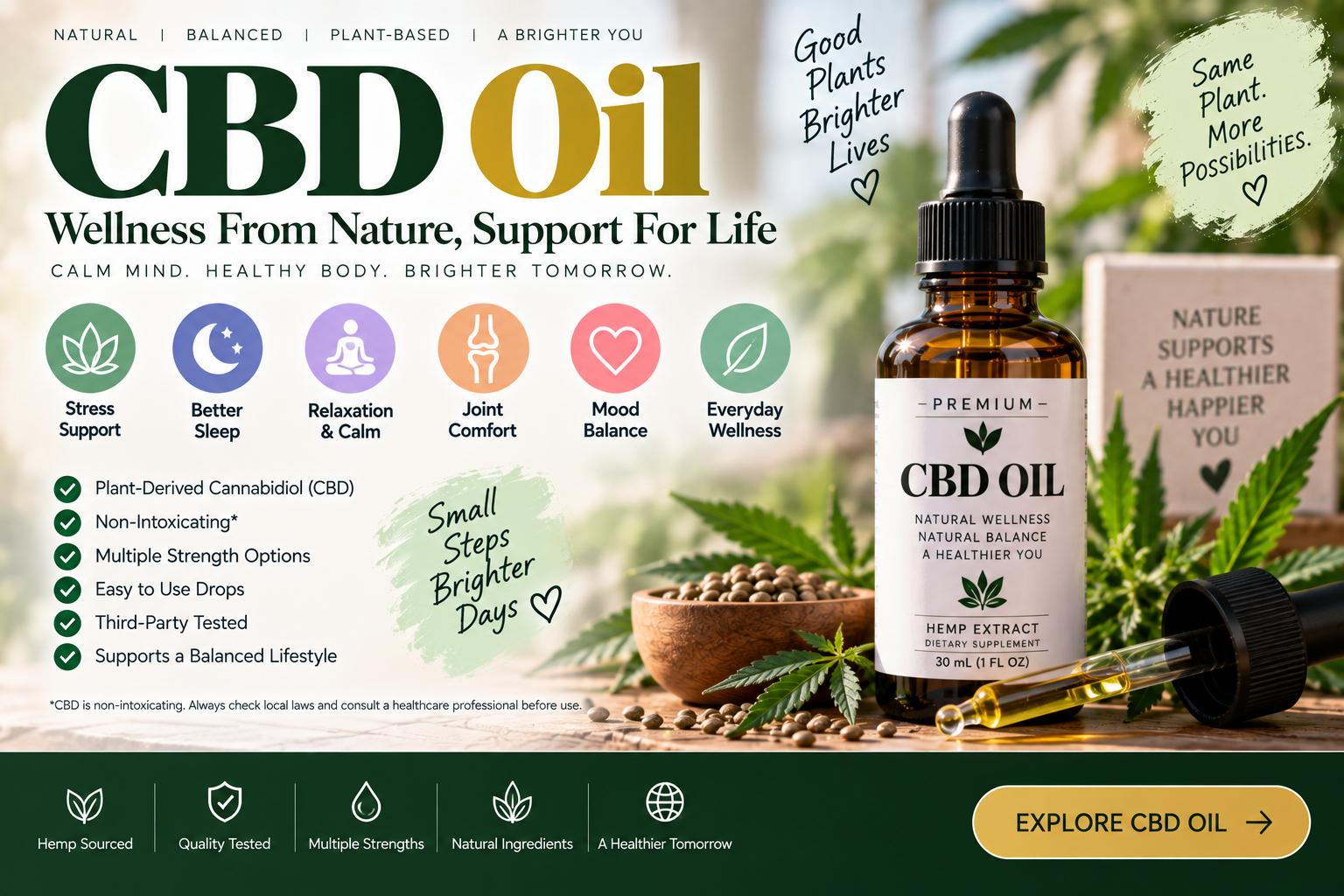
CBD oils
CBD gummies
CBD capsules
CBD beverages
CBD creams and lotions
CBD tinctures
CBD vape products
However, commercial CBD products are not necessarily equivalent to pharmaceutical CBD. The FDA has approved a purified CBD prescription medicine called Epidiolex for specific rare seizure disorders, but this approval does not mean that over-the-counter CBD products are approved treatments for anxiety.
How Might CBD Affect Anxiety?
Researchers are investigating several possible ways CBD could influence anxiety-related processes.
CBD interacts with biological systems involved in mood, stress responses, and nervous-system signaling. Researchers have studied its effects on the endocannabinoid system and other signaling pathways, including serotonin-related mechanisms.
However, scientists do not yet have a complete explanation for how CBD might reduce anxiety in humans. Research also suggests that the relationship between CBD exposure and anxiety may not be straightforward.
A systematic review examining CBD concentration and anxiety outcomes found that most observations showed no effect and that researchers could not establish a simple dose-response relationship.
This means that taking more CBD should not be assumed to produce greater anxiety relief.
Can CBD Help With Anxiety?
There is some evidence that CBD may reduce anxiety in certain situations, but the evidence is still limited.
NCCIH notes that a small amount of human research suggests cannabinoids may help reduce anxiety. One small study involving 24 people with social anxiety disorder found lower anxiety during a simulated public-speaking test after CBD compared with placebo. However, the study was small and involved a specific experimental situation rather than long-term treatment of anxiety disorders.
More recent research has produced both encouraging and uncertain findings.
A 2024 systematic review and meta-analysis included eight studies involving 316 participants and reported a statistically significant reduction in anxiety associated with CBD. However, the researchers emphasized that the clinical sample was limited and that additional trials were needed.
Another 2024 systematic review of randomized controlled trials included 11 studies and found conflicting results across different anxiety disorders, CBD doses, and study designs. The authors concluded that more well-designed randomized trials are needed.
Therefore, the most accurate conclusion is that CBD is promising but not yet established as a standard treatment for anxiety disorders.
CBD for Different Types of Anxiety
Anxiety is not one single condition. Different anxiety disorders have different symptoms, causes, and evidence-based treatments.
CBD for Social Anxiety
Social anxiety involves significant fear or anxiety related to social situations or being evaluated by others.
Small studies have investigated whether CBD may reduce anxiety during stressful social situations. NCCIH specifically describes a small study in people with social anxiety disorder in which CBD reduced anxiety during a simulated public-speaking test compared with placebo.
However, this does not establish CBD as a long-term treatment for social anxiety disorder.
Evidence-based treatments such as psychotherapy and, when appropriate, medication remain important options.
CBD for Generalized Anxiety Disorder
Generalized anxiety disorder involves persistent and excessive worry across different areas of life.
Research specifically focused on generalized anxiety disorder remains limited. Some reviews include GAD among the anxiety conditions being investigated, but study designs, doses, and populations vary considerably.
More research is needed before CBD can be recommended as a proven treatment for GAD.
CBD for Panic Symptoms
Panic attacks can involve sudden intense fear accompanied by symptoms such as a racing heart, trembling, shortness of breath, dizziness, or a feeling of losing control.
CBD has been investigated in experimental models of fear and anxiety, but the results are not consistently positive.
For example, a randomized placebo-controlled study involving 61 healthy young adults found that a single CBD dose did not reduce fear, panic symptoms, or heart rate during a carbon-dioxide challenge.
This illustrates why promising findings from some CBD studies should not be interpreted as proof that CBD treats panic disorder.
CBD for Stress
Stress and anxiety are related but are not identical.
Some people use CBD during stressful situations because of its potential effects on anxiety-related pathways. However, evidence from controlled human studies remains limited.
A person experiencing occasional stress may respond to established approaches such as physical activity, relaxation techniques, mindfulness, adequate sleep, and social support. For persistent or severe anxiety, professional assessment is more appropriate.
What Does Recent Research Say?
Recent systematic reviews provide a useful overview of the evidence.
A 2024 meta-analysis reported a potentially meaningful reduction in anxiety across eight eligible studies involving 316 participants. However, the researchers cautioned that the number of participants was limited.
Another 2024 review examined randomized controlled trials and found that results varied considerably between studies. The researchers highlighted differences in anxiety disorders, CBD doses, treatment schedules, and study methods.
An earlier systematic review examining 58 studies also found considerable variation in CBD research. Many studies had small sample sizes, and CBD doses varied widely. The researchers concluded that evidence for non-seizure-related conditions was inconsistent.
Together, these findings suggest that CBD deserves continued research but that consumers should be cautious about claims that it is a proven anxiety treatment.
CBD and Anxiety: What Are the Potential Benefits?
Potential benefits being investigated include:
Possible Reduction in Anxiety Symptoms
Some controlled studies suggest CBD may reduce anxiety under certain conditions. However, results are inconsistent, and the evidence is not strong enough to establish a standard treatment approach.
Possible Support During Stressful Situations
Some research has examined CBD during experimentally induced stress or fear. Results vary, and laboratory findings do not necessarily translate into everyday anxiety relief.
Non-Intoxicating Properties
CBD does not produce the typical intoxicating effect of THC. This is one reason researchers and consumers have become interested in CBD as a potential wellness product. However, non-intoxicating does not mean completely risk-free.
Potential Effects on Related Symptoms
Anxiety can occur alongside sleep problems, but evidence for CBD as a treatment for sleep disorders is insufficient. NCCIH notes that research on cannabinoid therapies, including CBD, has not provided enough evidence to support their use for sleep disorders.
CBD for Anxiety and Sleep
People experiencing anxiety often report difficulty falling asleep or staying asleep. This has led to interest in CBD for both anxiety and sleep.
However, research does not currently establish CBD as an effective treatment for sleep disorders.
NCCIH reports that a review of 12 studies involving 250 participants found insufficient evidence to support cannabinoid therapies, including CBD, for treating sleep disorders.
If anxiety is interfering with sleep regularly, it is important to address the underlying anxiety rather than relying solely on a CBD product.
CBD Oil vs. CBD Gummies for Anxiety
CBD products are available in different forms, and the way CBD is delivered can affect how it is absorbed.
CBD Oil
CBD oil or tinctures are commonly administered orally, depending on the product's instructions. They allow consumers to measure a specific amount, although actual CBD concentration and absorption can vary.
CBD Gummies
CBD gummies are edible products containing CBD. They may be convenient but can take longer to produce effects because they must pass through the digestive system.
CBD Capsules
Capsules provide a measured amount of CBD and are another oral option.
CBD Vapes
CBD vaping products deliver cannabinoids through inhalation. However, inhaled products carry additional concerns, and consumers should not assume that vaping CBD is a safer alternative.
The evidence from one CBD delivery method should not automatically be applied to another.
How Much CBD Should You Take for Anxiety?
There is no universally established CBD dose for anxiety.
Research studies have used different doses, formulations, schedules, and populations. A systematic review found that the relationship between CBD concentration and anxiety reduction was inconsistent, making it impossible to establish a straightforward dosing recommendation.
For this reason, it is not appropriate to assume that a particular number of milligrams will work for everyone.
Consumers should also be careful about increasing the amount simply because they do not notice an immediate effect.
If someone is considering CBD for persistent anxiety, discussing it with a healthcare professional is safer than self-prescribing increasingly high doses.
CBD Side Effects
CBD is sometimes described as natural or gentle, but it can cause adverse effects.
NCCIH lists potential CBD-related effects including:
Reduced alertness
Changes in mood
Decreased appetite
Diarrhea and other gastrointestinal symptoms
Liver injury
Drug interactions
Some of these effects have been observed with pharmaceutical CBD and may be attributable to CBD itself rather than contamination in commercial products.
The FDA also warns about potential liver injury and interactions with other medications.
Can CBD Make Anxiety Worse?
CBD is being studied for possible anxiety-reducing effects, but that does not mean every person will experience improvement.
Individual responses can vary, and CBD products may contain other cannabinoids or ingredients.
Products containing THC deserve particular caution because THC can produce anxiety, especially at higher doses or in susceptible individuals. NCCIH also reports research showing that combining CBD with THC can sometimes increase drug effects, including anxiety and sedation.
If anxiety symptoms become worse after using a cannabis-derived product, stopping the product and discussing the reaction with a healthcare professional may be appropriate.
CBD and Anxiety Medication
CBD can interact with other medications.
The FDA specifically warns that CBD can affect how other drugs work and potentially increase the risk of serious side effects.
This is particularly relevant for people taking medications for:
Anxiety
Depression
Sleep disorders
Seizures
Blood pressure
Pain
Other chronic conditions
CBD can also increase sedation when combined with alcohol or other substances that slow brain activity.
Anyone taking prescription medication should discuss CBD use with a qualified healthcare professional before starting it.
CBD and Antidepressants
People sometimes ask whether CBD can be combined with antidepressants.
There is no universal answer because antidepressants differ in their metabolism, effects, and potential interactions.
CBD can affect drug-metabolizing pathways, so combining it with certain medications may alter medication levels or effects.
Do not stop or change a prescribed antidepressant because you want to try CBD. Discuss the combination with your healthcare professional first.
CBD During Pregnancy or Breastfeeding
People who are pregnant or breastfeeding should avoid CBD unless specifically advised otherwise by an appropriate healthcare professional.
The FDA has warned about potential risks associated with CBD exposure during pregnancy and breastfeeding and emphasizes that important safety questions remain unanswered.
Is CBD Addictive?
CBD does not have the same intoxicating profile as THC, and current evidence does not establish CBD as a typical addictive intoxicant.
However, consumers should distinguish CBD from cannabis products containing THC. THC has psychoactive effects and different risks.
CBD products can also contain unexpected amounts of THC or other cannabinoids because commercial products may not always accurately reflect their labels. NCCIH warns that some CBD products contain amounts of cannabinoids that differ substantially from what is stated on their labels.
Can CBD Show Up on a Drug Test?
Pure CBD is not the cannabinoid typically targeted by standard THC drug tests.
However, some CBD products may contain THC, especially full-spectrum products. Inaccurate labeling or contamination can also result in unexpected THC exposure.
If passing a drug test is important for employment, athletics, military service, or another reason, consumers should understand that using CBD products may carry a risk of unintended THC exposure.
How to Choose a CBD Product for Anxiety
If you are considering CBD, product quality matters.
Check the CBD Content
Look for a clear statement of how much CBD the product contains.
Avoid products with vague or incomplete labeling.
Look for Independent Testing
A certificate of analysis, or COA, from an independent laboratory can provide information about cannabinoid content and potential contaminants.
Check for THC
If you want to avoid THC, check laboratory testing rather than relying solely on marketing claims.
Review All Ingredients
Some CBD products contain additional herbs, stimulants, fragrances, or other compounds. Check the complete ingredient list.
Be Careful With Medical Claims
Avoid products claiming to cure anxiety, depression, PTSD, panic disorder, or other medical conditions.
The FDA has warned that some CBD products are marketed with unproven medical claims and may be of unknown quality.
Is CBD FDA Approved for Anxiety?
No.
The FDA has approved a purified CBD prescription medicine for certain rare seizure disorders, but that approval does not extend to CBD products marketed for anxiety.
This distinction is important because prescription CBD and commercially sold CBD products may differ in purity, dose consistency, manufacturing standards, and clinical evidence.
CBD vs. Evidence-Based Anxiety Treatment
CBD should not automatically replace established treatment for an anxiety disorder.
NCCIH notes that effective conventional treatments for anxiety disorders include psychotherapy and medication.
Depending on the type and severity of anxiety, a healthcare professional may recommend approaches such as:
Cognitive behavioral therapy
Other forms of psychotherapy
Prescription medication when appropriate
Stress-management techniques
Regular physical activity
Sleep and lifestyle improvements
Mindfulness or relaxation techniques
Some people may consider complementary approaches alongside conventional care, but persistent anxiety deserves appropriate assessment.
When Should You Talk to a Doctor?
Consider professional help if anxiety:
Interferes with work or school
Makes social situations difficult
Regularly disrupts sleep
Causes frequent panic attacks
Is difficult to control
Leads to avoidance of everyday activities
Persists for weeks or months
Causes significant distress
Urgent professional help is appropriate if anxiety is accompanied by thoughts of self-harm, feeling unsafe, or another mental health emergency.
Final Thoughts
CBD has attracted significant interest as a possible option for anxiety, and research has produced some encouraging findings. Recent systematic reviews suggest CBD may reduce anxiety in certain circumstances, but the evidence remains limited by small studies, differing doses and formulations, and inconsistent results.
CBD is therefore better described as an area of ongoing research rather than a proven treatment for anxiety disorders.
People considering CBD should pay attention to product quality, possible THC exposure, medication interactions, side effects, and the lack of standardized dosing. Anyone with persistent or severe anxiety should consider evidence-based professional treatment rather than relying exclusively on CBD.
Frequently Asked Questions
1. Does CBD help anxiety?
Some studies suggest CBD may reduce anxiety under certain conditions, but evidence remains limited and inconsistent. More high-quality clinical research is needed.
2. Is CBD approved for anxiety?
No. The FDA has approved purified CBD for certain rare seizure disorders, not for anxiety disorders.
3. What is the best CBD for anxiety?
There is no scientifically established “best” CBD product or formulation for anxiety. Product quality, independent testing, CBD concentration, THC content, and individual circumstances should all be considered.
4. How much CBD should I take for anxiety?
There is no universally established dose for anxiety. Research has used widely varying doses and has not established a simple dose-response relationship.
5. Can CBD make anxiety worse?
Individual responses vary. Products containing THC may increase anxiety in some people, and CBD combined with THC can produce stronger effects in some circumstances.
6. Does CBD make you sleepy?
CBD can decrease alertness and may cause sleepiness in some people. The risk can increase when CBD is combined with alcohol or other substances that cause sedation.
7. Can I take CBD with anxiety medication?
CBD can interact with medications. Anyone taking medication for anxiety or another medical condition should consult a healthcare professional before using CBD.
8. Is CBD better than anxiety medication?
Research does not establish CBD as a replacement for approved anxiety treatments. Established treatments such as psychotherapy and medication have a much broader evidence base for anxiety disorders.
9. Can CBD help social anxiety?
A small study found reduced anxiety during a simulated public-speaking test after CBD, but the evidence is too limited to establish CBD as a treatment for social anxiety disorder.
10. Can CBD help panic attacks?
Research has not established CBD as a treatment for panic disorder or panic attacks. One controlled experimental study found no effect on fear or panic symptoms during a specific challenge.
11. Can CBD help anxiety and sleep?
Evidence is insufficient to support cannabinoid therapies, including CBD, as treatments for sleep disorders.
12. Can CBD cause side effects?
Yes. Potential effects include reduced alertness, mood changes, gastrointestinal symptoms, liver injury, and interactions with medications.
13. Can CBD show up on a drug test?
CBD itself is not the usual target of THC drug testing, but some CBD products may contain THC. People subject to drug testing should consider this risk.
14. Is CBD addictive?
CBD does not have the same intoxicating effects as THC, but consumers should distinguish pure CBD products from cannabis products containing THC.
15. Should I use CBD instead of seeing a doctor for anxiety?
Persistent or severe anxiety should not be self-treated exclusively with CBD. Professional evaluation can help identify the type of anxiety and appropriate evidence-based treatment.