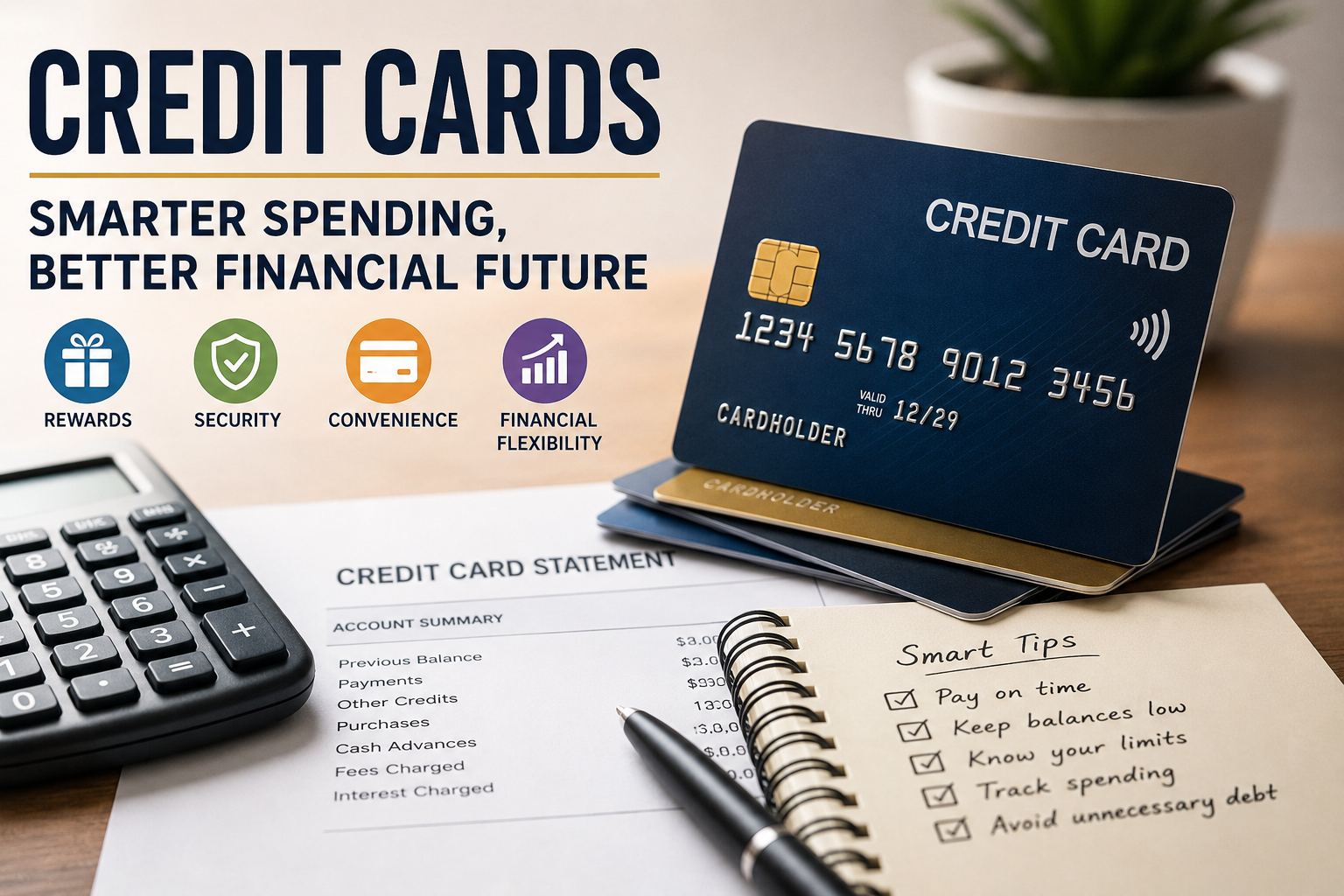
Credit cards have become an important part of modern financial life. They offer a convenient way to pay for purchases, manage short-term expenses, and access benefits such as cashback, rewards, travel points, discounts, and purchase protection. However, credit cards also come with responsibilities. If balances are not managed carefully, interest charges and fees can make purchases significantly more expensive.
Understanding how credit cards work is the first step toward using them effectively. Whether you are considering your first credit card or already have several, knowing the basics can help you make more informed financial decisions.
What Is a Credit Card?
A credit card is a payment card that allows you to borrow money from a financial institution up to a predetermined credit limit. Instead of paying directly from your bank account, you use the card to make a purchase and repay the amount later.
For example, if your credit limit is $3,000, you may be able to make purchases up to that amount, subject to the card issuer's terms. As you repay the balance, available credit generally becomes available again.
Credit cards are different from debit cards because debit cards typically use money already available in your bank account, while credit cards provide access to a line of credit.
How Do Credit Cards Work?
When you make a purchase with a credit card, the card issuer pays the merchant on your behalf. The purchase then appears on your credit card account.
At the end of a billing cycle, you receive a statement showing your transactions, total balance, minimum payment, payment due date, and other relevant information.
You generally have several payment options. Paying the full statement balance can help you avoid interest on purchases when the card's terms provide a grace period. Paying only the minimum amount may keep the account current, but the remaining balance can continue to accrue interest.
This is why understanding the card's terms is essential before using it regularly.
Credit Card Interest Rates
One of the most important factors to consider when choosing a credit card is its annual percentage rate, commonly called APR.
The APR represents the annualized cost of borrowing, although the actual interest charged depends on factors such as your balance, payment behavior, and the card's terms.
Cards with rewards or premium benefits may have different APRs and fees. If you regularly carry a balance, the interest rate can become more important than rewards.
Before applying, compare the APR, annual fee, foreign transaction fees, late-payment fees, balance-transfer terms, and other charges.
Credit Card Rewards and Cashback
Many credit cards offer rewards to encourage spending. Depending on the card, these rewards may include cashback, points, airline miles, hotel benefits, discounts, or special offers.
For example, a card might provide higher rewards for specific categories such as groceries, restaurants, fuel, or travel.
However, rewards should not encourage unnecessary spending. Receiving cashback on a purchase does not make the purchase free. If you spend more than you can comfortably repay, interest charges can outweigh the value of the rewards.
The best approach is to choose rewards that match purchases you already make rather than changing your spending habits simply to earn points.
Credit Limits
A credit limit is the maximum amount you can generally borrow on a credit card at one time.
Credit limits vary depending on factors such as your application information, credit history, income, and the card issuer's criteria.
A higher credit limit does not mean you should spend more. Using a large portion of your available credit can make it harder to manage monthly payments and may affect credit-related calculations.
Keeping spending within a comfortable budget is more important than maximizing your available credit.
Credit Cards and Credit Scores
Credit cards can influence your credit history and credit score.
Payment history is an important factor in many credit-scoring systems. Consistently making payments on time can demonstrate responsible credit management, while missed or late payments may negatively affect your credit profile.
Credit utilization can also matter. It generally refers to the amount of revolving credit you are using compared with your available credit.
For example, if you have a $5,000 credit limit and a $1,000 balance, your utilization is 20%.
It is important to remember that credit-scoring models can differ, and credit scores are influenced by multiple factors. Responsible payment habits and avoiding unnecessary debt are generally sensible practices.
Benefits of Using Credit Cards
Credit cards can provide several advantages when used responsibly.
Convenience
Credit cards make it easier to pay for purchases online, in stores, and while traveling without carrying large amounts of cash.
Rewards
Some cards provide cashback, points, or travel-related rewards on eligible purchases.
Purchase Protection
Certain cards may offer benefits such as purchase protection, extended warranties, or fraud-related protections, depending on the issuer and card terms.
Building Credit History
Responsible use may help establish or maintain a positive credit history.
Emergency Flexibility
A credit card can provide short-term financial flexibility when an unexpected expense occurs. However, relying on credit for regular expenses that cannot be repaid can lead to long-term debt.
Common Credit Card Fees
Credit cards can include several types of fees. These may vary significantly between cards.
Common examples include:
Annual fees
Late-payment fees
Foreign transaction fees
Balance-transfer fees
Cash-advance fees
Returned-payment fees
Some cards have no annual fee, while others charge an annual amount in exchange for additional rewards or benefits.
Always read the card agreement and fee schedule before applying.
How to Choose the Right Credit Card
There is no single credit card that is best for everyone. Your ideal card depends on your spending habits and financial goals.
Consider the following factors before applying:
Interest rate: Particularly important if you may carry a balance.
Annual fee: Compare the cost with the benefits you expect to receive.
Rewards: Choose rewards that match your normal spending.
Credit requirements: Different cards may have different eligibility criteria.
Fees: Check foreign transaction, balance-transfer, cash-advance, and late-payment charges.
Benefits: Look for features such as travel benefits, purchase protection, or introductory offers if they are relevant to you.
Comparing several options instead of applying immediately can help you make a more informed choice.
Tips for Responsible Credit Card Use
Responsible credit card use starts with having a clear repayment strategy.
First, create a monthly spending budget and avoid using your credit card for purchases that you cannot reasonably afford.
Second, monitor your account regularly. Reviewing transactions can help you identify errors or unauthorized activity quickly.
Third, make payments before the due date. Automatic payments can be useful for reducing the chance of forgetting a payment.
Fourth, understand promotional offers. Introductory interest rates and rewards can be attractive, but they may have conditions or expiration dates.
Finally, avoid treating your credit limit as your spending budget. Your actual budget should be based on your income and expenses, not on how much credit a card issuer provides.
Credit Card Security
Online shopping and digital payments make credit card security increasingly important.
Use reputable websites when making online purchases and avoid entering card information on suspicious pages. Protect your online banking and card accounts with strong passwords and available security features such as two-factor authentication.
Regularly check your statements for unfamiliar transactions. If you notice suspicious activity, contact your card issuer promptly and follow its instructions.
Never share your PIN, security codes, or account credentials unnecessarily.
Credit Cards for International Travel
Credit cards can be particularly convenient for travelers because they reduce the need to carry large amounts of cash.
However, travelers should check whether their card charges foreign transaction fees. It is also useful to understand how the card handles currency conversion and whether it provides travel-related benefits.
Before traveling internationally, make sure your card is active and that you understand how to report a lost or stolen card.
Final Thoughts
Credit cards can be valuable financial tools when used with discipline. They can provide convenience, rewards, purchase benefits, and opportunities to establish a positive credit history. At the same time, interest charges, fees, and excessive borrowing can create financial pressure.
The key is to understand the terms of your card, spend within your budget, make payments on time, and avoid borrowing more than you can comfortably repay.
A credit card should support your financial goals rather than become a source of unnecessary debt. By comparing cards carefully and developing responsible spending habits, consumers can make better use of the benefits credit cards offer.
Frequently Asked Questions
1. What is a credit card?
A credit card is a payment card that allows you to borrow money from a card issuer up to an approved credit limit and repay the amount according to the card's terms.
2. Is a credit card the same as a debit card?
No. A debit card generally uses money available in your bank account, while a credit card provides access to a line of credit that you repay later.
3. What happens if I only pay the minimum payment?
Paying the minimum can keep your account from becoming past due, but the remaining balance may continue to accrue interest. This can make the debt more expensive over time.
4. Can credit cards help build credit?
Responsible credit card use can contribute to building a credit history. Making payments on time and managing balances carefully are important habits.
5. What is APR on a credit card?
APR stands for Annual Percentage Rate. It is a measure used to express the annualized cost of borrowing, subject to the card's terms.
6. Are cashback credit cards worth it?
They can be useful if the rewards match your normal spending and you avoid unnecessary purchases. Interest charges can outweigh rewards if you regularly carry a balance.
7. What is a credit limit?
A credit limit is the maximum amount of credit available on a card at a given time, subject to the issuer's terms.
8. Should I have more than one credit card?
Having multiple cards can be useful for some people, but it also requires careful management. The number of cards matters less than whether you can manage payments and balances responsibly.
9. How can I avoid credit card interest?
Depending on the card's terms, paying the full statement balance by the due date can help you avoid interest on purchases that qualify for a grace period.
10. What should I look for when choosing a credit card?
Compare the APR, annual fee, rewards, credit requirements, fees, benefits, and other terms. Choose a card based on your spending habits and financial situation.