Healthcare is one of the most important sectors of the global economy, affecting individuals, families, businesses, and communities around the world. From hospitals and clinics to pharmaceutical companies, medical technology providers, insurers, and digital health platforms, the healthcare industry is undergoing significant change.
Advances in artificial intelligence, medical devices, biotechnology, data analytics, telemedicine, and digital health are creating new opportunities to improve how healthcare is delivered. At the same time, healthcare systems face major challenges, including rising costs, aging populations, workforce shortages, unequal access to services, cybersecurity risks, and growing demand for personalized care.
The future of healthcare will depend on how effectively organizations combine medical expertise with technology and patient-centered approaches. Digital innovation can improve efficiency and access, but trust, privacy, safety, and human judgment will remain essential.
What Is Modern Healthcare?
Healthcare includes the services, professionals, organizations, technologies, and systems involved in preventing illness, diagnosing conditions, treating patients, managing health, and supporting recovery.
Traditional healthcare has largely centered on hospitals, clinics, doctors, nurses, laboratories, pharmacies, and other physical facilities. Technology is now expanding this model.
Patients can increasingly communicate with healthcare providers digitally, access medical information through online portals, use wearable devices to monitor certain health measurements, and participate in remote consultations.
These developments are creating a more connected healthcare ecosystem in which information can move between patients, professionals, laboratories, pharmacies, and healthcare organizations.
The Growing Importance of Digital Health
Digital health has become an important part of healthcare modernization.
Electronic health records allow healthcare organizations to store and manage patient information digitally. Online appointment systems can make scheduling more convenient. Patient portals can provide access to test results, prescriptions, medical documents, and communication tools.
Digital systems can also reduce administrative workloads when they are properly designed.
However, digital transformation in healthcare is more complex than simply replacing paper with software. Healthcare organizations must protect sensitive information, ensure system reliability, comply with applicable regulations, and make sure technology supports rather than complicates clinical work.
The best digital health systems are designed around the needs of both patients and healthcare professionals.
Artificial Intelligence in Healthcare
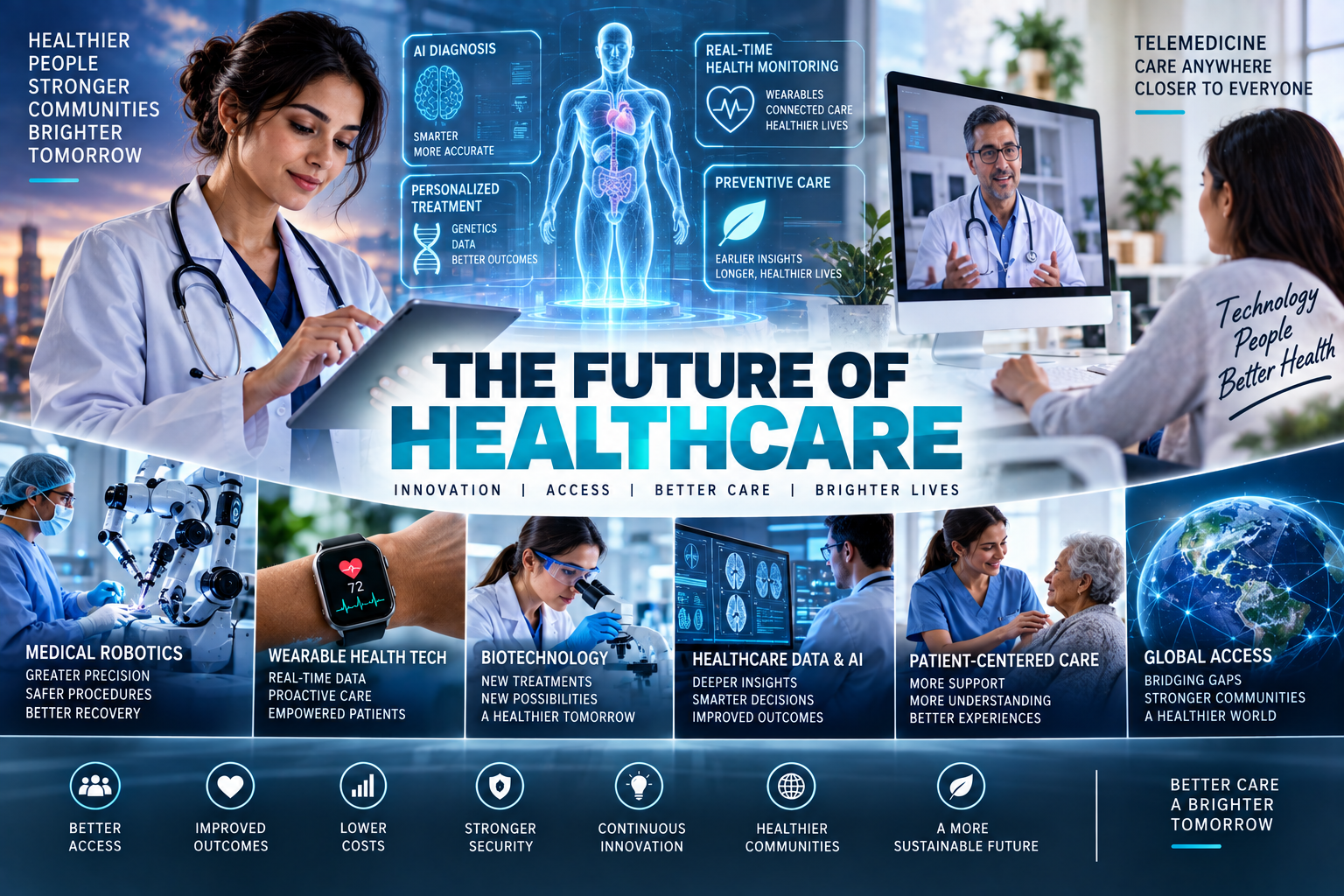
Artificial intelligence is emerging as one of the most important technologies in healthcare.
AI systems can analyze large datasets and assist with tasks such as medical image analysis, research, administrative automation, documentation, and decision support.
Machine-learning systems may identify patterns in medical data that could help professionals investigate potential risks or prioritize cases.
Generative AI is also being explored for administrative and communication tasks, including summarizing information and assisting with documentation.
However, healthcare AI requires careful oversight. Medical decisions can have serious consequences, so accuracy, transparency, privacy, bias, validation, and human supervision are critical.
AI should generally be viewed as a tool that supports qualified professionals rather than a replacement for clinical judgment.
Telemedicine and Remote Care
Telemedicine has changed how some healthcare services can be delivered.
Patients can communicate with healthcare professionals through video consultations, phone calls, and digital platforms without always needing to travel to a healthcare facility.
Remote care can be particularly valuable for people who live far from medical centers or have difficulty traveling.
It can also support follow-up appointments and certain types of routine care.
However, telemedicine is not appropriate for every situation. Some conditions require physical examinations, diagnostic testing, emergency treatment, or specialized equipment.
The future of healthcare is therefore likely to combine remote services with traditional in-person care rather than replacing physical healthcare facilities entirely.
Wearable Technology
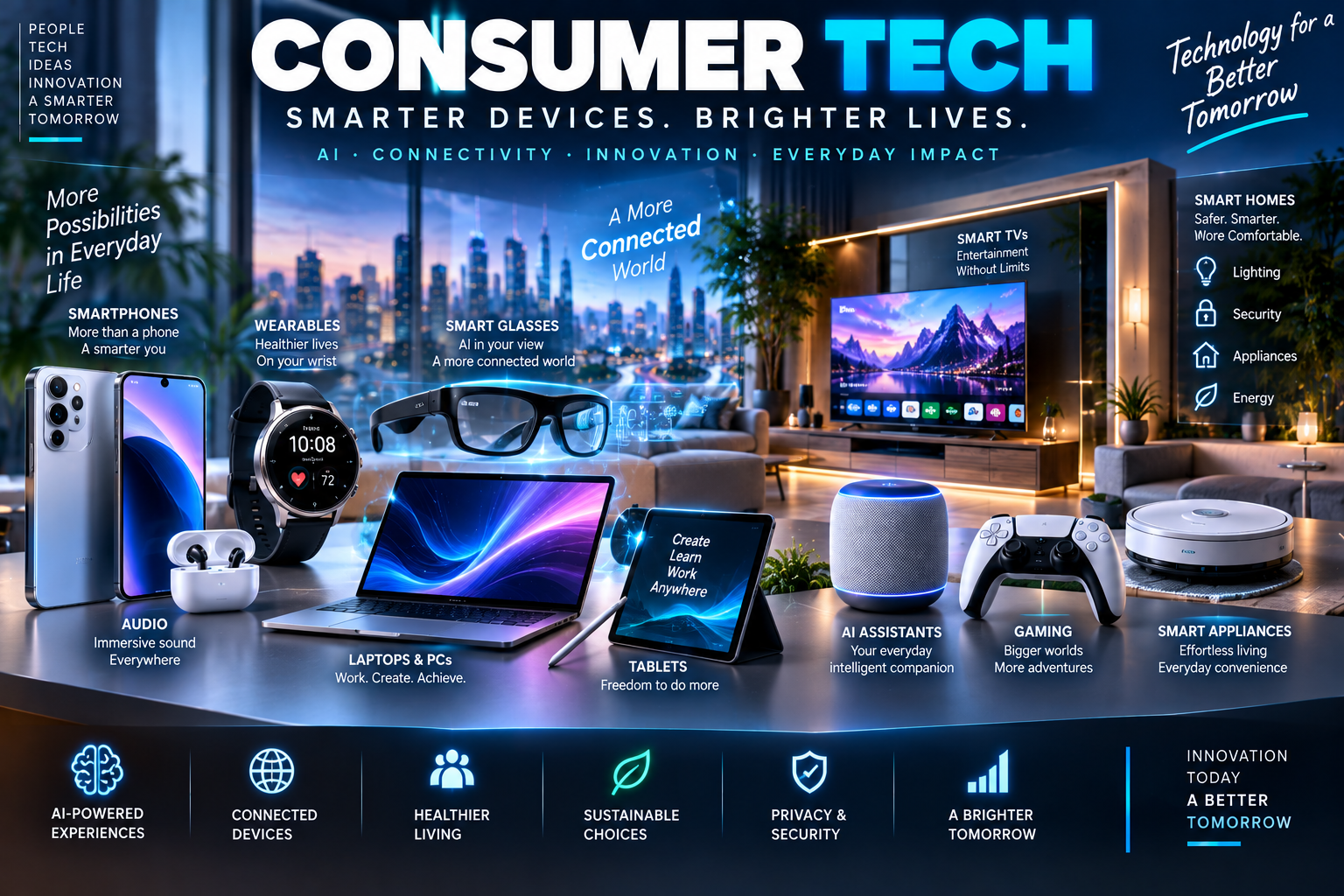
Wearable devices are creating new possibilities for health monitoring.
Smartwatches and other connected devices can collect information such as activity levels, heart rate, sleep patterns, and other measurements depending on the device.
This data can help users understand aspects of their daily behavior and may provide useful information for healthcare professionals in appropriate circumstances.
The growth of wearable technology also supports the broader movement toward continuous health monitoring.
Instead of relying entirely on occasional visits to healthcare facilities, certain types of information can potentially be collected over longer periods.
However, consumers should understand that consumer health devices vary in accuracy and are not necessarily substitutes for professional medical evaluation.
Personalized Healthcare
Healthcare is increasingly moving toward personalized approaches.
Every individual has different genetics, lifestyle factors, environmental exposures, medical history, and preferences.
Advances in genomics, data analytics, and biotechnology are creating opportunities to understand these differences more effectively.
Personalized medicine can involve selecting treatments or prevention strategies based on characteristics of an individual or their condition.
As research progresses, healthcare may become increasingly tailored to specific patient profiles rather than relying exclusively on broad approaches.
The challenge is ensuring that these technologies remain affordable, accessible, scientifically validated, and ethically managed.
Healthcare Data
Data has become one of the most valuable resources in modern healthcare.
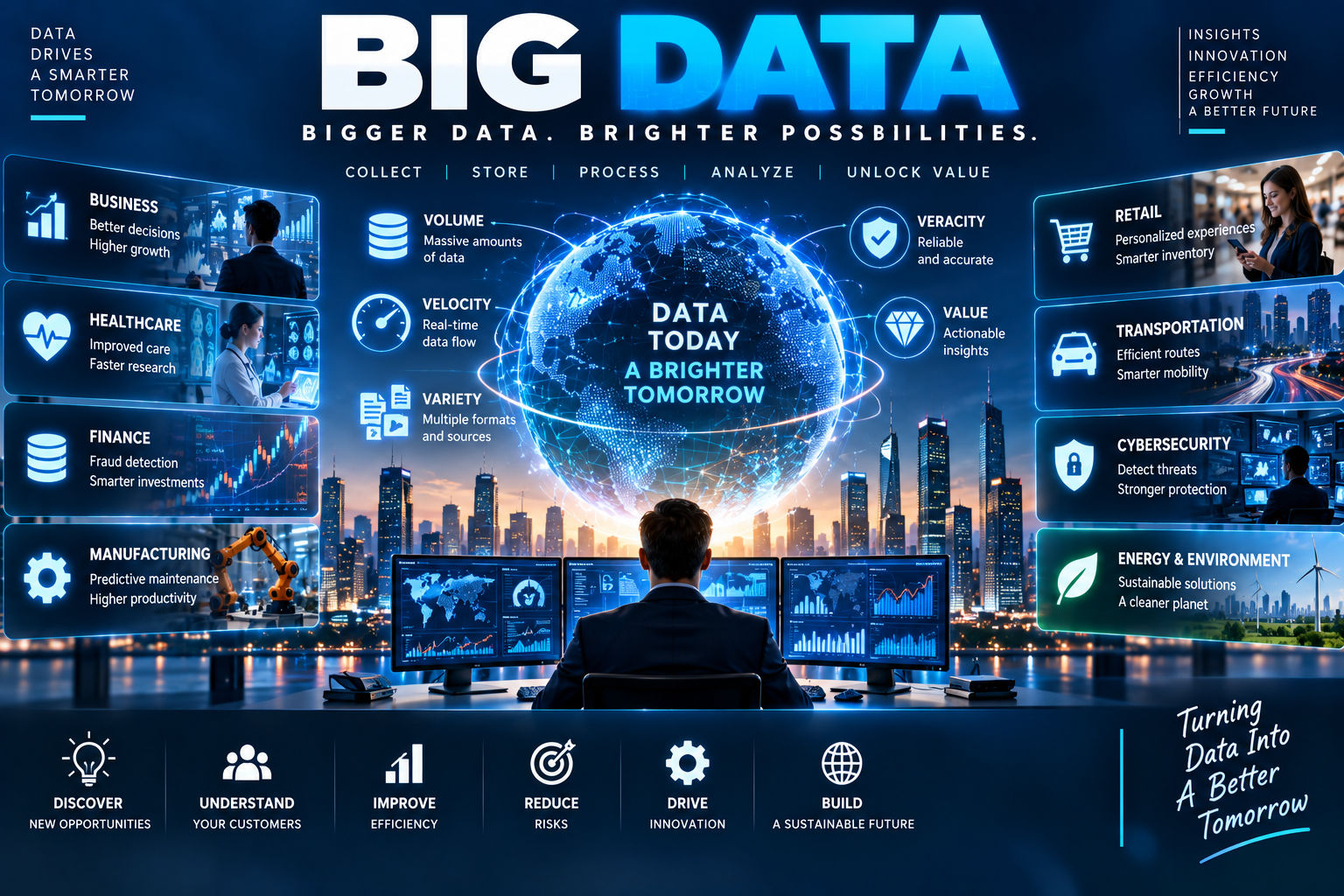
Hospitals and healthcare organizations generate enormous amounts of information through medical records, laboratory tests, imaging, prescriptions, monitoring devices, research studies, and administrative systems.
When properly managed, this data can support research, improve operational efficiency, and help professionals make better-informed decisions.
However, healthcare data is highly sensitive.
Organizations must protect patient information against unauthorized access, theft, misuse, and cyberattacks. Data governance and privacy are therefore fundamental parts of digital healthcare.
The challenge is finding the right balance between using data to improve healthcare and protecting individual privacy.
Cybersecurity in Healthcare
Healthcare organizations are increasingly attractive targets for cybercriminals because they manage valuable personal and financial information and depend heavily on digital systems.
A cyberattack can potentially disrupt hospital operations, affect access to records, or interfere with essential services.
Healthcare organizations therefore need strong cybersecurity strategies.
These can include multi-factor authentication, encryption, access controls, network monitoring, employee training, secure backups, software updates, and incident-response plans.
Cybersecurity should be treated as a patient-safety issue as well as an information-technology issue.
If critical digital systems become unavailable, the consequences can extend beyond financial losses to the delivery of care itself.
The Healthcare Workforce
Healthcare depends on skilled professionals.
Doctors, nurses, pharmacists, technicians, therapists, researchers, administrators, and many other workers play essential roles in healthcare delivery.
Many healthcare systems face workforce pressures as demand for services grows.
Technology can help reduce some administrative burdens and improve workflows, allowing professionals to spend more time on patient care.
Automation can support scheduling, documentation, billing, inventory management, and other repetitive processes.
However, technology cannot solve workforce challenges on its own. Healthcare organizations also need effective training, supportive working environments, appropriate staffing, and investment in professional development.
Robotics and Medical Technology
Robotics and advanced medical devices are expanding the capabilities available to healthcare professionals.
Robotic systems can assist with certain surgical procedures, rehabilitation, logistics, and other specialized applications.
Medical imaging technologies have also become increasingly sophisticated, allowing professionals to examine the human body in greater detail.
Remote monitoring devices and connected medical equipment can provide additional information about patients and clinical environments.
These technologies can improve precision and efficiency, but they also require extensive testing, maintenance, training, and regulatory oversight.
Healthcare technology must prioritize safety and effectiveness rather than innovation for its own sake.
Pharmaceutical Innovation
The healthcare industry also depends heavily on pharmaceutical research and development.
Advances in biotechnology, genetics, molecular biology, and computational research are helping scientists explore new approaches to disease prevention and treatment.
Drug development is a complex and expensive process involving research, laboratory testing, clinical trials, regulatory review, manufacturing, and monitoring.
Technology can accelerate parts of this process by helping researchers analyze biological information and identify promising candidates.
However, scientific validation remains essential. New treatments must demonstrate appropriate safety and effectiveness before widespread use.
Healthcare Accessibility
One of the biggest challenges facing global healthcare is unequal access.
People in different regions may have very different levels of access to doctors, hospitals, medicines, diagnostic equipment, and specialist services.
Digital health technologies can help address some barriers. Telemedicine can connect patients with professionals remotely, while digital platforms can make certain health information and services more accessible.
However, technology can also create new inequalities if people lack reliable internet access, digital skills, smartphones, or the financial resources required to use digital services.
Healthcare innovation should therefore consider accessibility from the beginning.
The Economics of Healthcare
Healthcare is also a major economic sector.
Governments, insurance companies, hospitals, pharmaceutical companies, technology providers, and patients all participate in a complex healthcare economy.
Rising costs create pressure to improve efficiency while maintaining quality.
Technology can potentially reduce administrative waste, improve resource allocation, support early detection, and automate repetitive tasks.
However, new technology can also be expensive.
Healthcare organizations need to evaluate whether an innovation provides meaningful value relative to its costs and implementation requirements.
The most valuable technologies will likely be those that improve outcomes, increase efficiency, expand access, or meaningfully improve patient experiences.
Patient-Centered Healthcare
Modern healthcare is increasingly focused on the patient experience.
Patients want convenient appointments, clear communication, understandable information, shorter waiting times, and greater involvement in decisions about their care.
Digital platforms can support these expectations by allowing patients to schedule appointments, communicate with healthcare providers, access records, and receive reminders.
But technology should not make healthcare feel impersonal.
Human communication remains essential, particularly when patients are dealing with serious or complex situations.
The ideal healthcare system combines technological convenience with empathy, professionalism, and human connection.
Preventive Healthcare
Healthcare systems are increasingly recognizing the importance of prevention.
Preventive healthcare focuses on reducing the risk of illness and identifying potential problems earlier rather than relying entirely on treatment after a condition develops.
Public health programs, screening, vaccination, health education, lifestyle interventions, and risk assessment can all contribute to prevention.
Digital tools may support these efforts by providing reminders, educational information, monitoring tools, and data-driven insights.
Prevention can also reduce pressure on healthcare systems by addressing certain risks before they become more serious.
Challenges Facing Healthcare
Despite rapid innovation, the healthcare industry faces significant challenges.
Rising costs, workforce shortages, aging populations, unequal access, cybersecurity threats, privacy concerns, fragmented data systems, and regulatory complexity can slow progress.
Technology itself can create problems if it is poorly implemented.
A digital system that is difficult to use can increase administrative work for healthcare professionals. An AI system that produces unreliable results can create risks. A poorly secured database can expose sensitive patient information.
Healthcare innovation therefore requires careful testing, strong governance, professional involvement, and continuous evaluation.
The Future of Healthcare
The future of healthcare will likely be increasingly connected, personalized, and data-driven.
AI may become more deeply integrated into clinical and administrative workflows. Wearable devices and remote monitoring could provide additional information between healthcare visits. Telemedicine may continue expanding access to certain services.
Genomics and biotechnology may contribute to increasingly personalized approaches to prevention and treatment.
At the same time, cybersecurity, privacy, and ethical governance will become even more important as healthcare organizations collect and share larger amounts of digital information.
The healthcare systems of the future will likely combine physical facilities, digital platforms, intelligent software, connected devices, advanced medical technologies, and highly skilled professionals.
Conclusion
Healthcare is entering a period of significant transformation.
Artificial intelligence, telemedicine, wearable technology, data analytics, robotics, biotechnology, and digital platforms are creating new possibilities for how healthcare can be delivered.
Yet technology alone cannot solve every healthcare challenge. Successful innovation requires investment in people, infrastructure, cybersecurity, research, accessibility, and responsible governance.
The most effective healthcare systems will use technology to support professionals and empower patients while maintaining safety, privacy, trust, and human connection.
Ultimately, the future of healthcare is not simply about making medicine more digital. It is about making healthcare more accessible, efficient, personalized, connected, and centered on the people it exists to serve.
Frequently Asked Questions About Healthcare
1. What is healthcare?
Healthcare refers to the services, professionals, organizations, technologies, and systems involved in preventing illness, diagnosing and treating conditions, supporting recovery, and maintaining health.
2. How is technology changing healthcare?
Technology is transforming healthcare through AI, telemedicine, electronic health records, wearable devices, data analytics, robotics, digital health platforms, and advanced medical equipment.
3. What is digital healthcare?
Digital healthcare uses digital technologies to support healthcare delivery, patient communication, medical records, monitoring, diagnosis, administration, research, and other health-related activities.
4. What is telemedicine?
Telemedicine allows patients to communicate with healthcare professionals remotely using technologies such as video consultations, telephone services, and secure digital platforms.
5. How is AI used in healthcare?
AI can assist with medical image analysis, research, documentation, data analysis, administrative tasks, and decision support. Its use in healthcare requires appropriate validation and human oversight.
6. What are wearable health devices?
Wearable health devices include smartwatches and other connected technologies that can collect certain information such as activity, heart rate, sleep, or other measurements depending on the device.
7. Why is healthcare cybersecurity important?
Healthcare organizations manage sensitive patient information and rely heavily on digital systems. Strong cybersecurity helps protect information and reduce the risk of disruptions to healthcare services.
8. What is personalized healthcare?
Personalized healthcare aims to tailor prevention, diagnosis, or treatment approaches to individual characteristics such as medical history, genetics, and other relevant factors.
9. Can technology improve healthcare access?
Yes. Telemedicine, digital platforms, remote monitoring, and online health services can improve access to certain types of healthcare, particularly for people who face geographic or mobility barriers.
10. What are the biggest challenges facing healthcare?
Major challenges include rising costs, workforce shortages, unequal access, cybersecurity threats, privacy concerns, aging populations, fragmented systems, and the complexity of implementing new technologies.
11. What is preventive healthcare?
Preventive healthcare focuses on reducing health risks and identifying potential problems before they become more serious. It can include screening, vaccination, health education, and other preventive measures.
12. What is the future of healthcare?
The future is likely to involve greater use of AI, telemedicine, wearable technology, genomics, robotics, data analytics, remote monitoring, and personalized healthcare alongside traditional medical services.
13. Will technology replace healthcare professionals?
Technology is more likely to change and support many healthcare roles than completely replace healthcare professionals. Human judgment, communication, empathy, and clinical expertise remain essential.