The construction industry is entering a new era of digital transformation. For decades, construction projects have depended heavily on human expertise, physical labor, traditional planning methods, and complex coordination between contractors, engineers, suppliers, architects, and project managers.
Today, artificial intelligence is changing how many of these activities are performed.
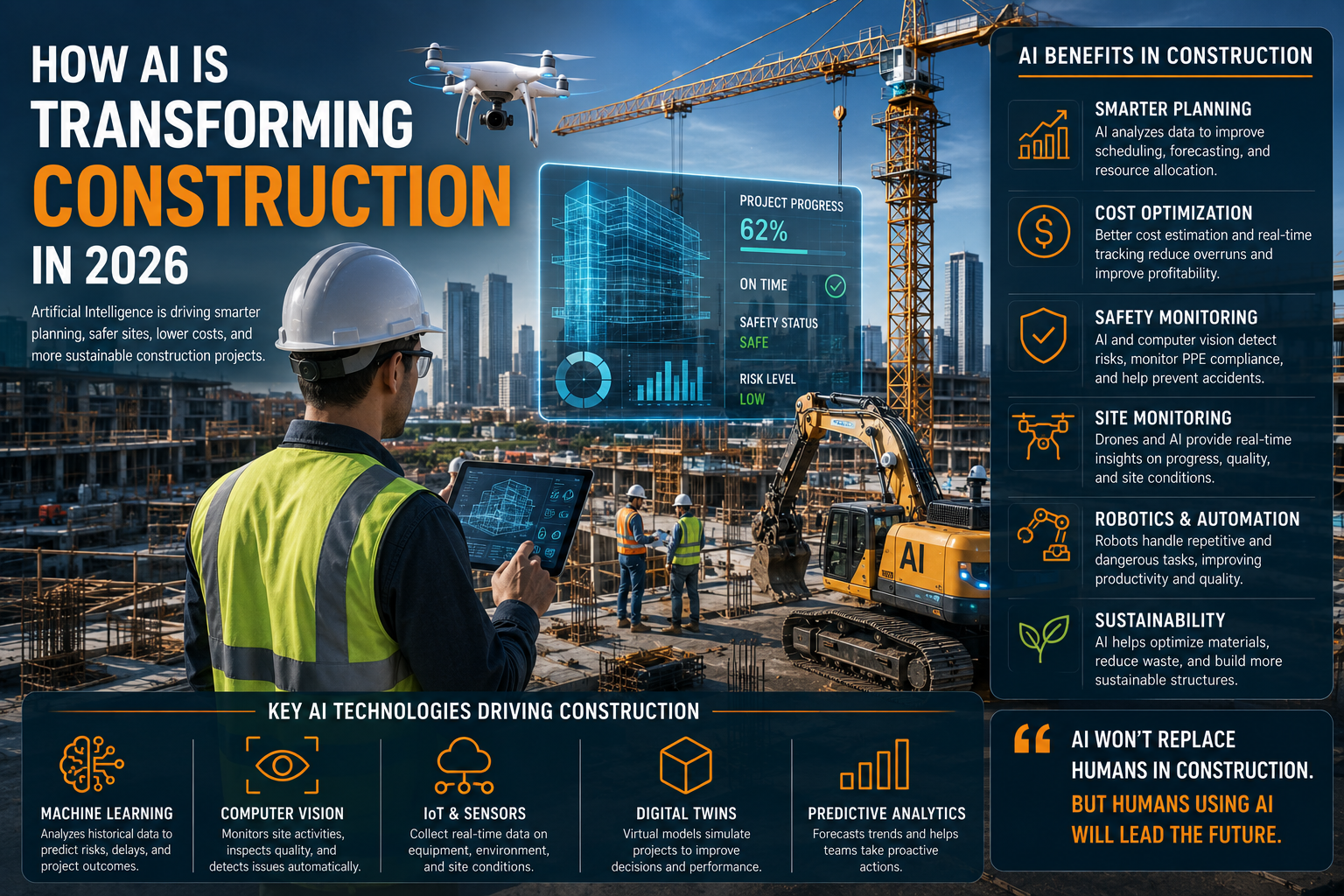
AI can analyze project information, identify potential delays, improve resource planning, monitor construction sites, estimate costs, and help companies make faster decisions. When combined with drones, sensors, robotics, computer vision, cloud platforms, and building information modeling, AI can create a more connected construction environment.
In 2026, the opportunity is no longer simply about using technology to digitize paperwork. It is about creating construction operations that can predict problems, optimize resources, and respond to changing conditions.
AI Is Changing Construction Planning
Construction projects involve hundreds or thousands of interconnected decisions.
Before work begins, companies need to consider budgets, materials, labor, equipment, schedules, permits, site conditions, weather, suppliers, and project requirements.
A small delay in one area can affect multiple other activities.
AI can analyze historical project information and current conditions to identify patterns that may indicate potential problems. Project managers can use these insights to compare different schedules and determine where additional resources may be required.
Instead of relying only on fixed plans, companies can create more dynamic project strategies that adapt as circumstances change.
Smarter Cost Estimation
Cost overruns remain one of the biggest challenges in construction.
Material prices can change, labor requirements may be underestimated, and unexpected site conditions can increase expenses.
AI-powered estimation systems can analyze previous projects, material costs, labor data, project specifications, and other relevant information to produce more detailed estimates.
This does not guarantee that a project will remain within budget, but it can give project teams better information before construction begins.
AI can also help identify unusual cost assumptions or areas where estimates may require additional review.
The result can be a more data-driven approach to project budgeting.
Predicting Construction Delays
Construction delays can be expensive.
A delay involving one contractor or material shipment can affect an entire project schedule.
AI can analyze schedules, supplier information, weather conditions, workforce availability, equipment usage, and historical project patterns to identify potential risks.
For example, if a critical material is experiencing delivery delays while a particular construction phase is approaching, an intelligent system could alert the project team.
Managers could then investigate alternative suppliers or adjust the schedule before the issue becomes more serious.
This moves project management from reactive problem-solving toward proactive risk management.
AI and Construction Site Monitoring
Computer vision is becoming an increasingly important technology for construction companies.
Cameras and drones can capture images and video from construction sites. AI systems can analyze this information to monitor progress, identify potential safety issues, and compare actual work with project plans.
For example, computer vision can help determine whether specific construction activities have been completed or whether equipment and materials are positioned correctly.
Drones can also provide aerial views of large sites, making it easier for project managers to monitor progress without physically inspecting every area.
This can save time while providing more frequent visibility into project conditions.
Improving Worker Safety
Construction sites can contain significant safety risks.
Workers may operate heavy machinery, work at height, handle materials, or operate in environments where conditions change throughout the day.
AI can support safety monitoring by identifying potentially dangerous situations.
Computer vision systems may detect whether workers are wearing required protective equipment or entering restricted areas.
AI can also analyze historical incident data to identify patterns associated with higher-risk activities.
Technology should not replace safety professionals, but it can provide additional information that helps companies identify problems earlier.
AI-Powered Resource Management
Construction companies need to manage many different resources.
Materials, equipment, workers, vehicles, and tools must be available at the right time and location.
Poor resource planning can create unnecessary costs and delays.
AI can analyze project schedules and resource requirements to help managers determine how assets should be allocated.
For example, an organization managing multiple construction projects could use AI to identify equipment that is underutilized at one site but needed at another.
This can improve asset utilization and reduce unnecessary purchasing or rental expenses.
AI Is Improving Building Design
Artificial intelligence is also changing the design phase of construction.
Architects and engineers can use AI-assisted systems to evaluate different building layouts and design alternatives.
An AI system can consider factors such as space utilization, energy efficiency, structural requirements, construction costs, and environmental conditions.
Instead of manually evaluating every possible design variation, professionals can use computational tools to generate and compare alternatives.
Human expertise remains essential, particularly for architectural quality, engineering judgment, regulatory compliance, and client requirements.
AI simply provides another tool for exploring possibilities more efficiently.
Digital Twins and Construction
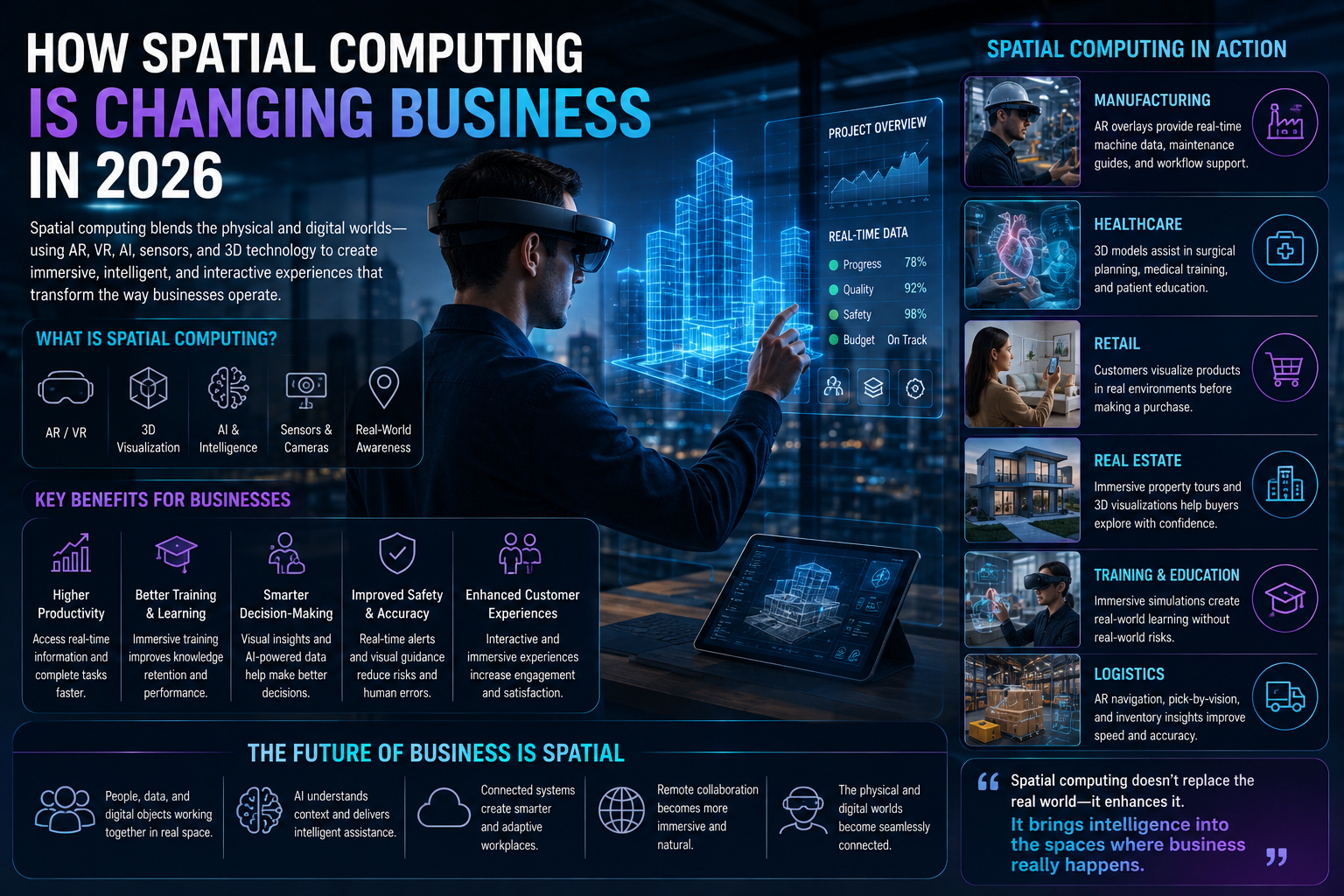
Digital twins can create virtual representations of buildings and infrastructure.
During construction, a digital model can be compared with real-world project information to identify differences between the planned and actual development.
After completion, the digital twin can continue to provide value by supporting building operations and maintenance.
AI can analyze information from sensors and building systems to identify unusual conditions or potential equipment problems.
This creates a connection between construction and long-term property management.
For large commercial buildings and infrastructure projects, this could become increasingly valuable.
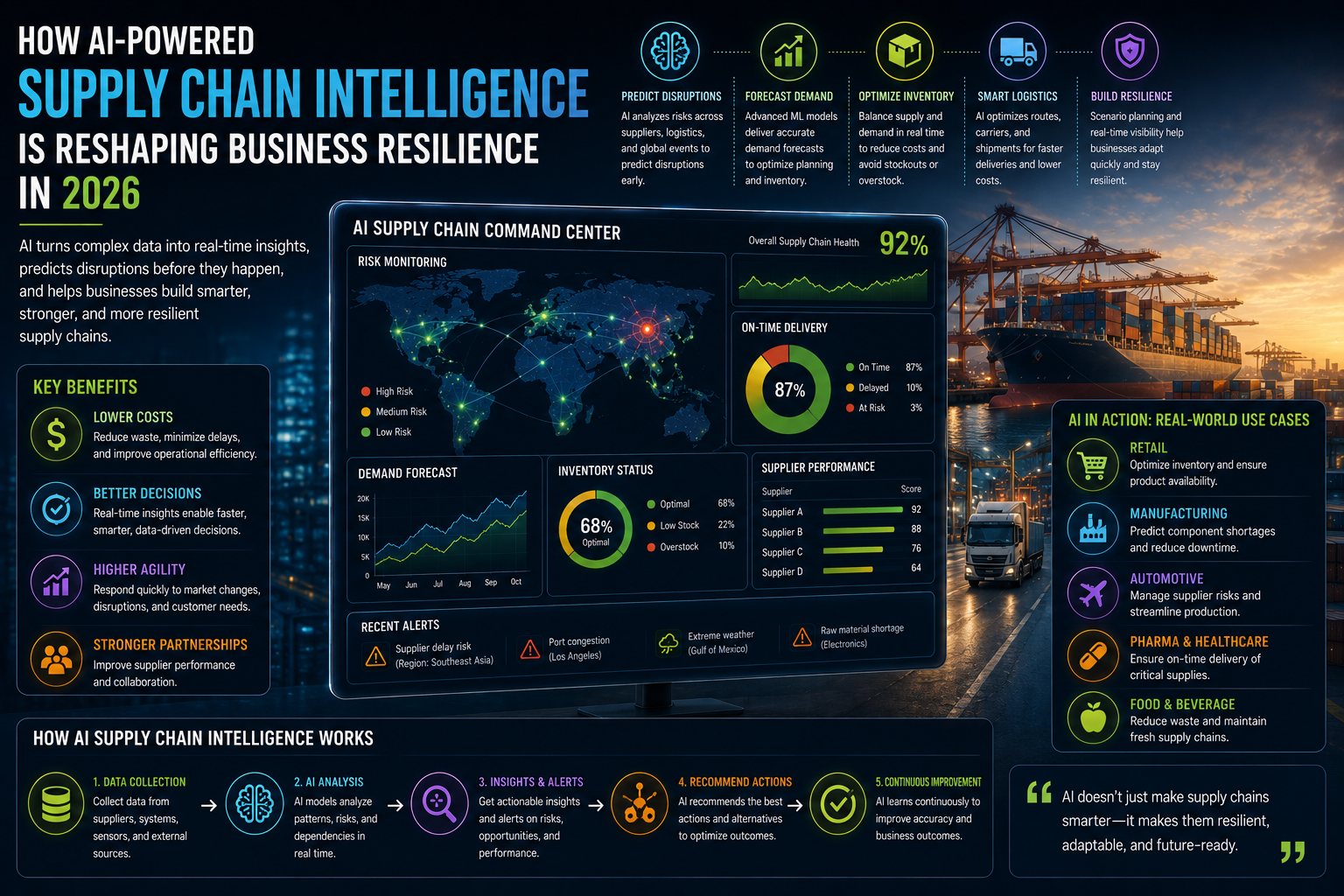
AI and Supply Chain Management
Construction projects depend on complex supply chains.
Companies need materials from numerous suppliers, often with specific delivery schedules.
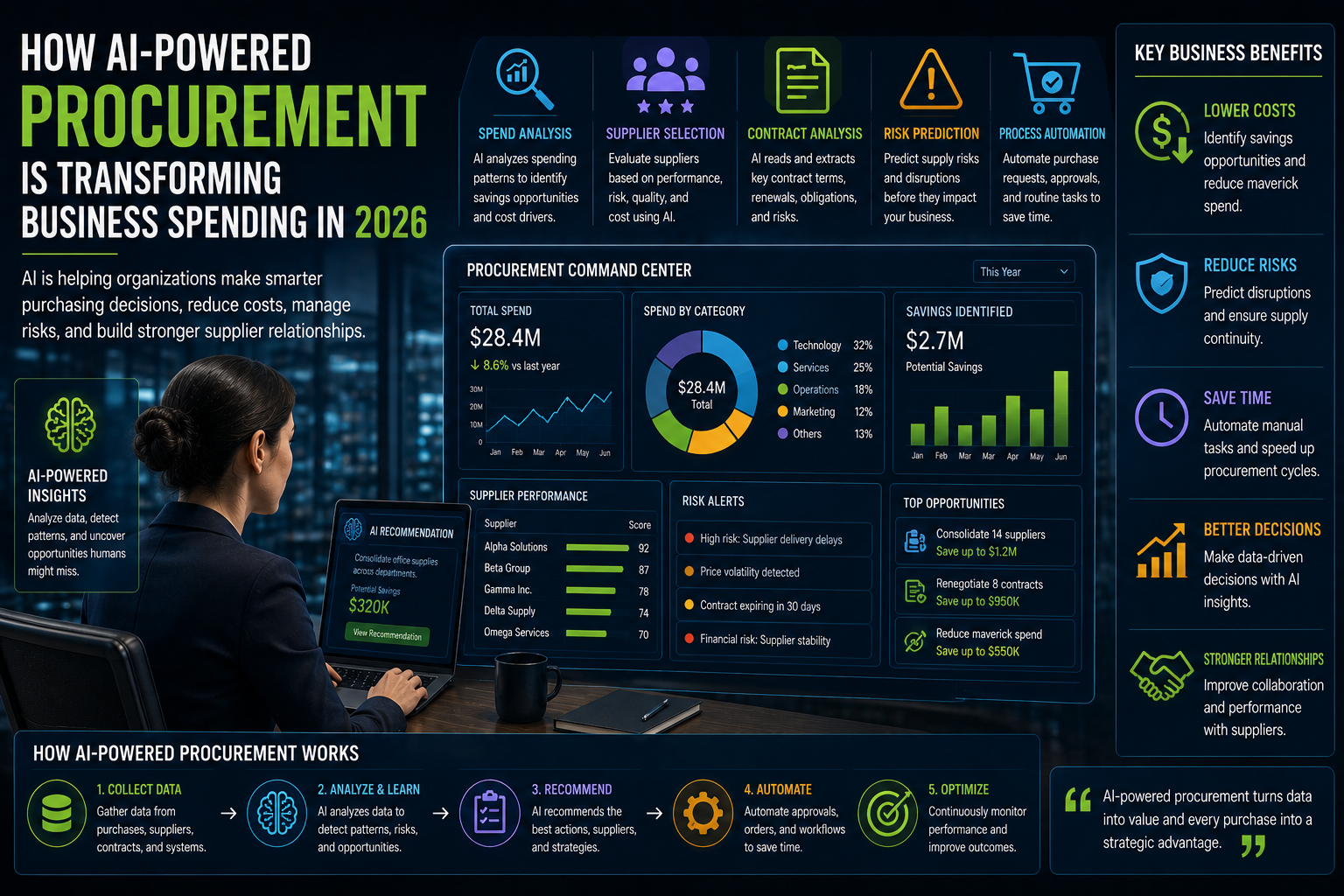
AI can help analyze purchasing requirements, supplier performance, delivery patterns, and material availability.
An intelligent system could identify potential supply risks before they affect the construction schedule.
For example, if a supplier has a history of delays during certain periods, project managers could take that information into account when planning future procurement.
AI can therefore support more resilient construction supply chains.
Robotics Are Entering Construction
Robotics is another technology that could transform construction.
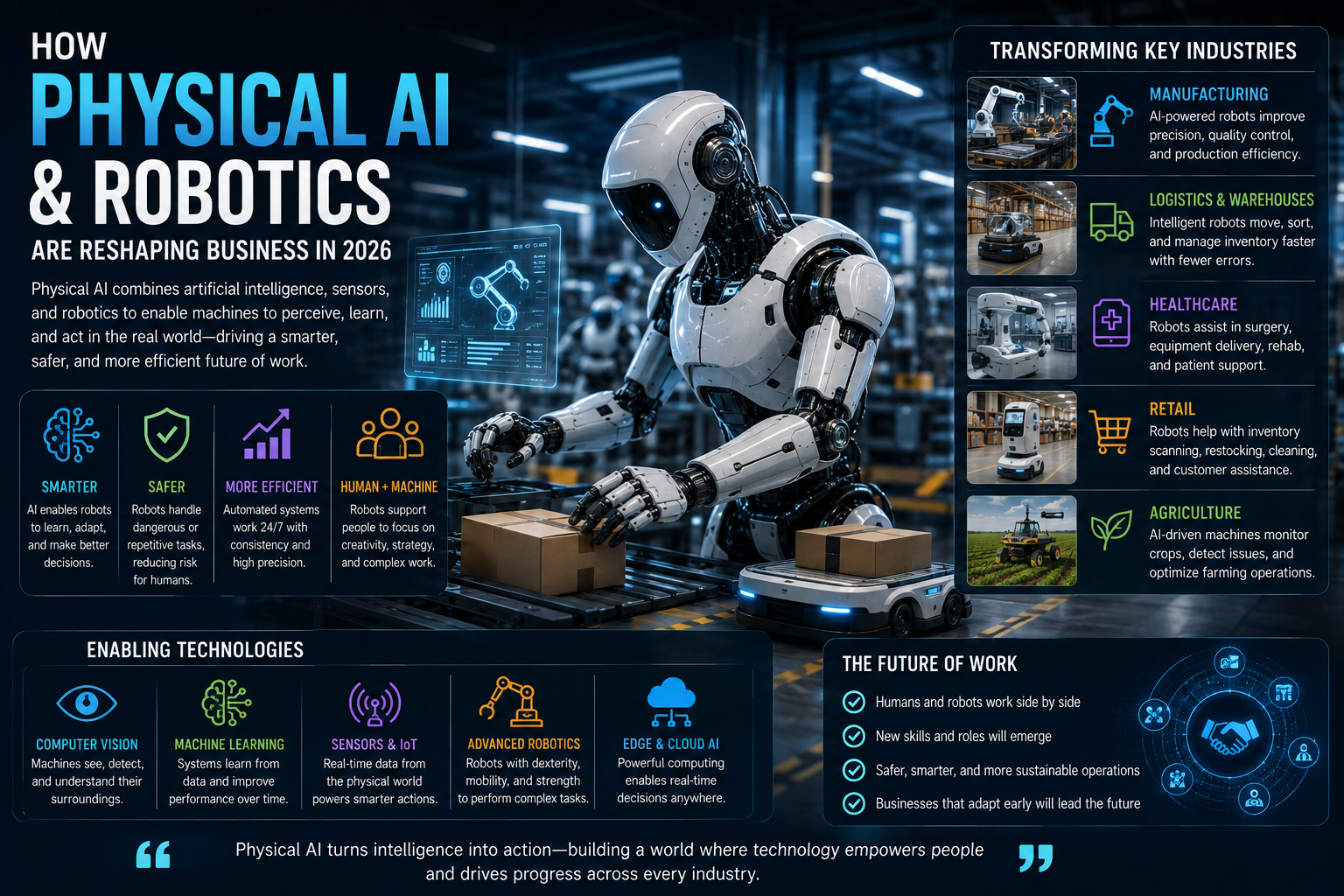
Robots can perform repetitive or physically demanding tasks such as bricklaying, material movement, surveying, drilling, or certain finishing activities.
AI makes these machines more adaptable by allowing them to respond to changing environments.
Construction robots may eventually work alongside human employees rather than operating completely independently.
This could allow workers to focus on activities requiring judgment, communication, problem-solving, and specialized skills.
Robotics could also help address labor shortages in certain parts of the construction industry.
AI Can Improve Project Communication
Construction projects involve many stakeholders.
Architects, engineers, contractors, subcontractors, suppliers, investors, and clients all need access to relevant information.
AI can help organize project documentation and make information easier to retrieve.
Instead of manually searching through thousands of documents, project teams could use AI-powered systems to locate relevant specifications, schedules, reports, or previous communications.
AI can also summarize project updates and highlight important changes.
This can reduce administrative workloads and help managers focus on decisions rather than document searching.
Sustainability and Construction
Sustainability is becoming increasingly important in construction.
Companies are under pressure to reduce waste, improve energy efficiency, and use materials more responsibly.
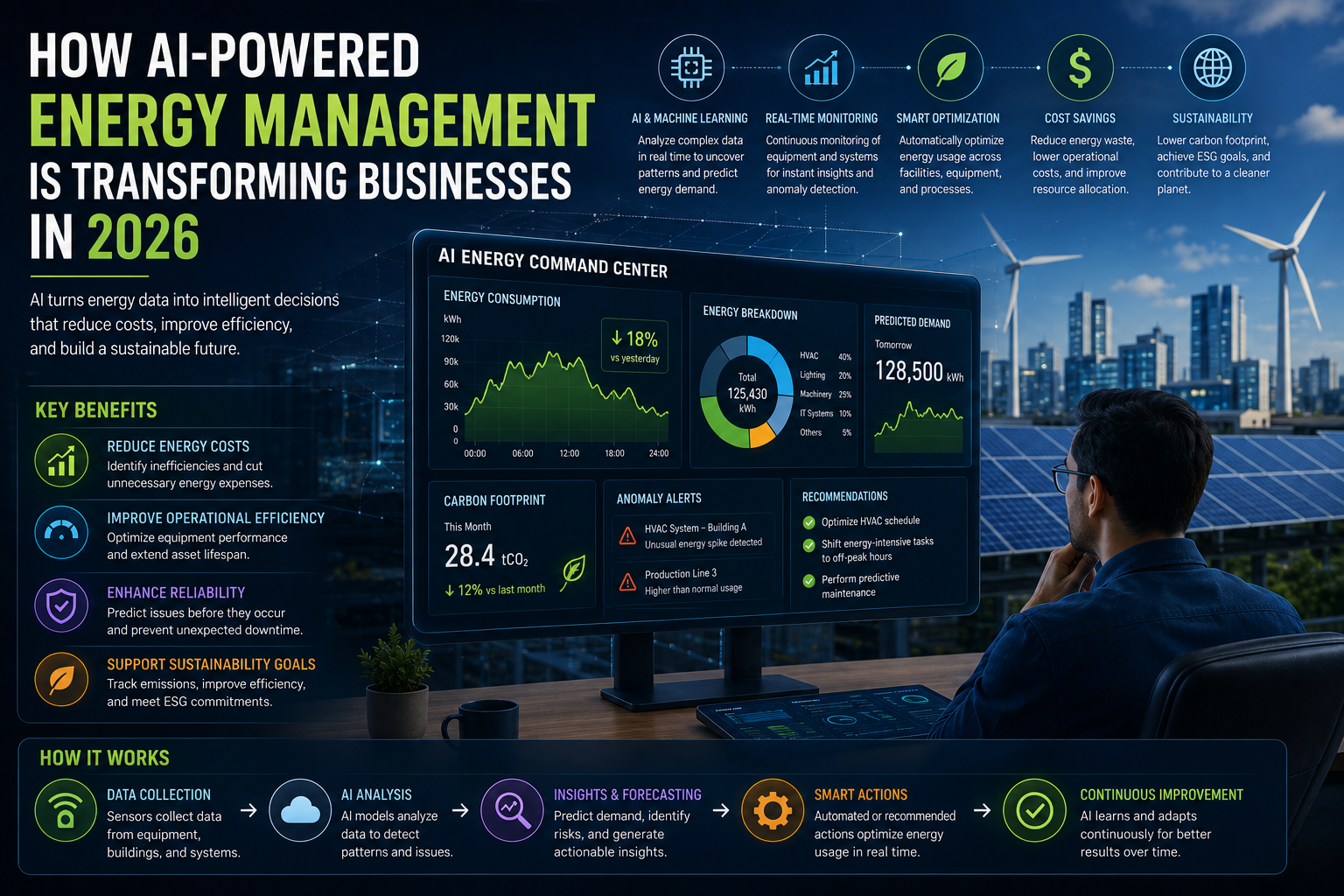
AI can analyze building designs and construction processes to identify opportunities for reducing resource consumption.
For example, AI-assisted design systems can compare materials and layouts based on energy performance and construction requirements.
During construction, intelligent monitoring can also help identify unnecessary material waste.
Over time, these improvements could contribute to more efficient and environmentally responsible construction practices.
Challenges of AI Adoption
Despite its potential, AI adoption in construction is not without challenges.
Construction companies may operate with fragmented data, legacy software, and different systems across projects.
AI requires reliable information to produce useful results.
Companies may also face challenges involving employee training, technology costs, cybersecurity, and integration with existing workflows.
Another important issue is trust.
Project managers need to understand how AI-generated recommendations are produced and when human review is required.
AI should support professional decision-making rather than become an unquestioned source of truth.
The Importance of Skilled Workers
AI will not eliminate the need for skilled construction professionals.
Instead, the roles of many workers may change.
Project managers may spend less time manually collecting information and more time analyzing risks. Engineers may use AI to evaluate design alternatives. Safety professionals may use computer vision to monitor sites. Workers may operate alongside increasingly capable robotic equipment.
This means construction companies will need to invest in digital skills.
Training employees to work effectively with AI could become just as important as purchasing the technology itself.
The Future of AI in Construction
The construction industry is likely to become increasingly connected as AI, robotics, sensors, drones, digital twins, and cloud platforms mature.
Future construction sites may continuously collect operational information and use AI to identify risks, optimize schedules, monitor safety, and coordinate resources.
AI agents could eventually assist project managers by monitoring multiple systems and recommending actions when conditions change.
The goal will not be to automate every activity.
Instead, successful construction companies will use technology to reduce repetitive work, improve visibility, increase safety, and help professionals make better decisions.
Conclusion
AI is transforming construction from a traditionally project-based industry into a more data-driven and intelligent sector.
From cost estimation and scheduling to site monitoring, safety, resource management, design, procurement, robotics, and sustainability, artificial intelligence can improve many stages of the construction lifecycle.
However, successful adoption requires more than advanced software. Companies need reliable data, skilled employees, strong cybersecurity, clear processes, and human oversight.
The biggest opportunity is to combine human expertise with machine intelligence.
As construction projects become more complex and customer expectations continue to rise, businesses that adopt AI strategically may gain advantages in efficiency, safety, cost management, and project delivery.
In 2026, the future of construction is not simply about building faster. It is about building smarter, safer, and more intelligently.