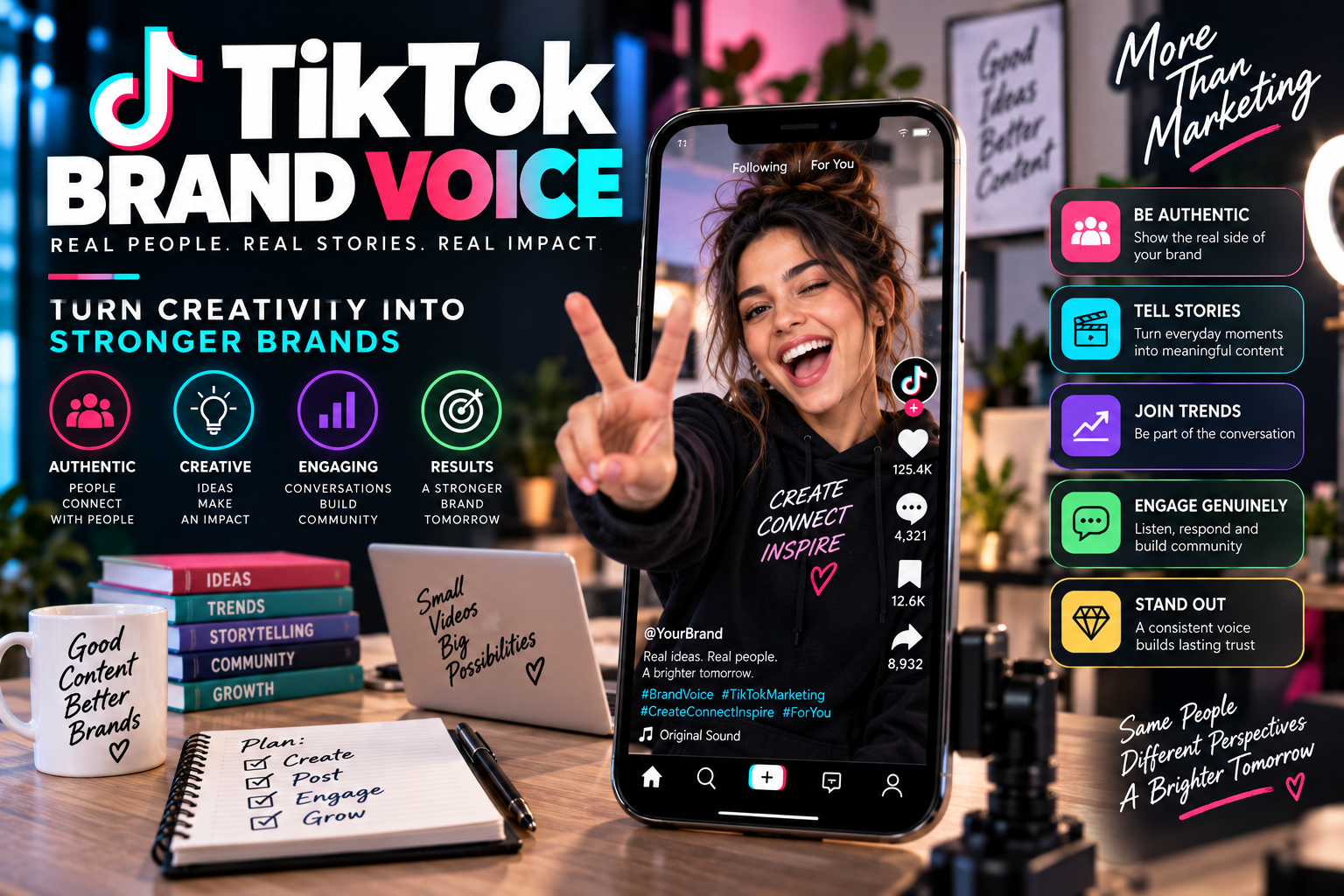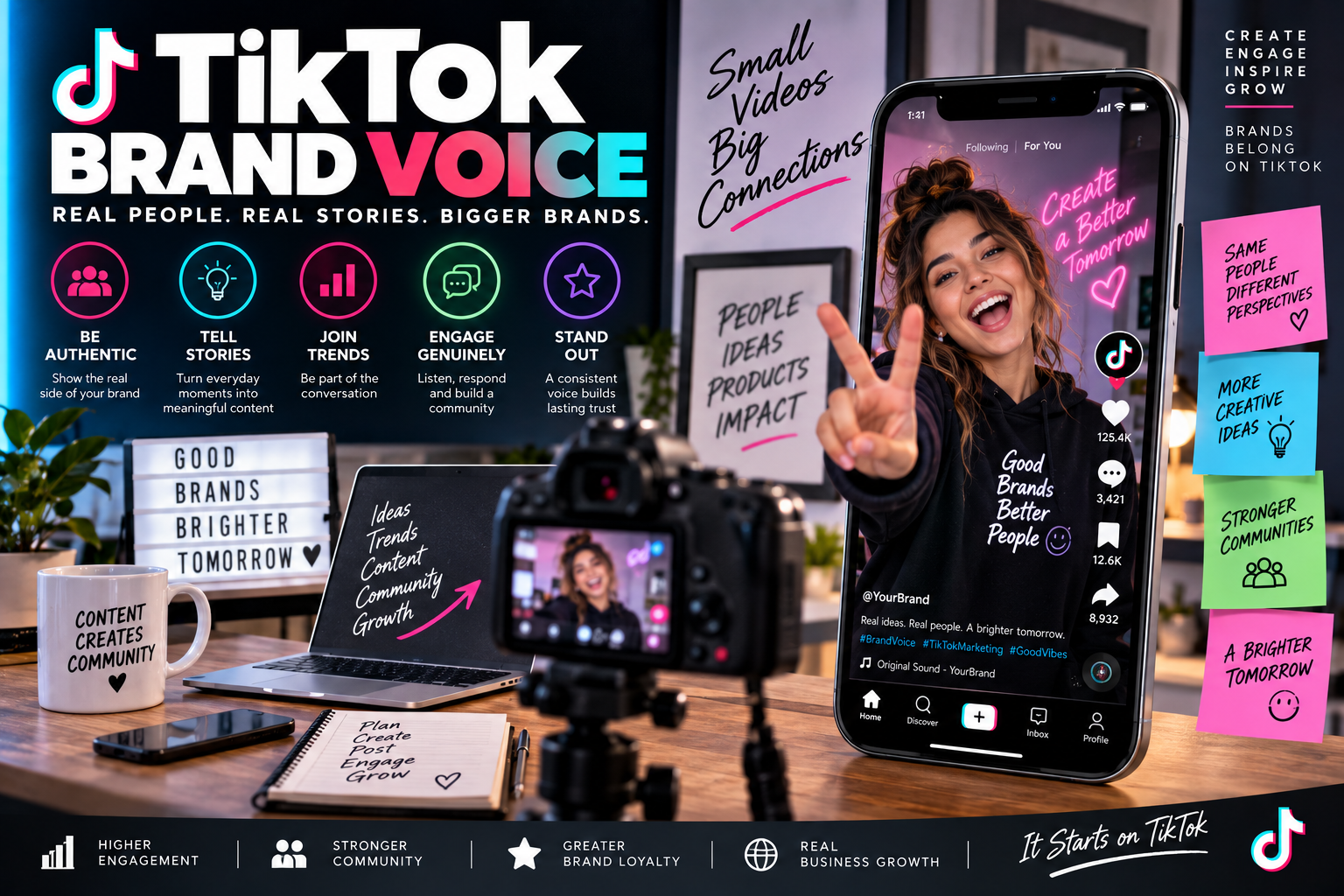
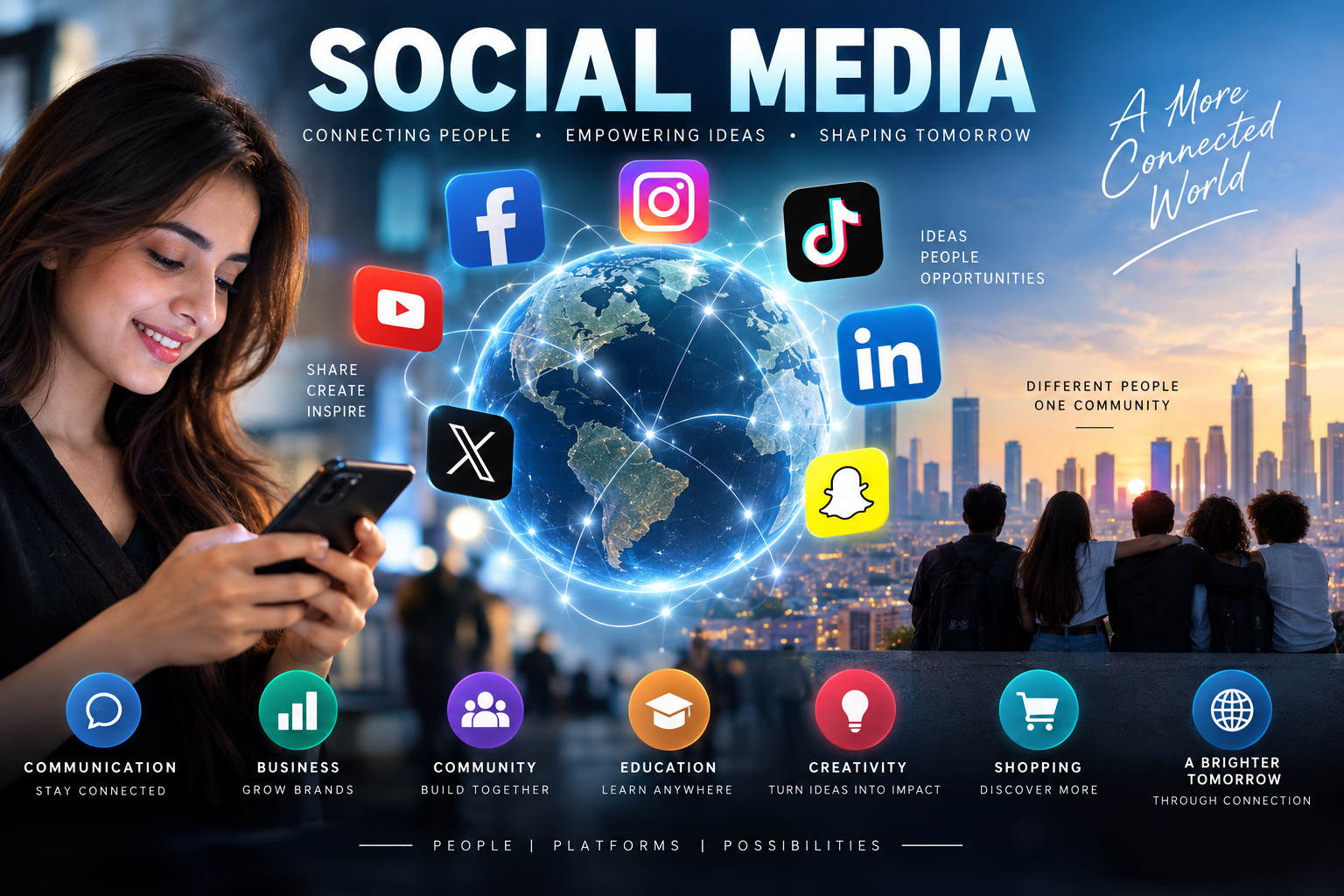
Social media has become one of the defining technologies of the modern era. What started as a simple way for people to connect with friends and share personal updates has evolved into a global digital ecosystem influencing communication, business, entertainment, education, politics, culture, and everyday life. Platforms such as Facebook, Instagram, YouTube, TikTok, LinkedIn, Snapchat, and X have created new ways for billions of people to communicate and consume information.
The influence of social media extends far beyond posting photographs or watching short videos. It has changed how businesses build brands, how creators earn money, how news spreads, and how individuals develop their professional identities. At the same time, concerns about misinformation, privacy, online harassment, addiction, and mental well-being have made responsible social media use increasingly important.
The Evolution of Social Media
The development of social media has closely followed the growth of the internet. Early online communities and discussion forums allowed users to communicate digitally, but these platforms were relatively limited. The emergence of modern social networks made online communication faster, more visual, and more accessible.
As smartphones became widespread, social media moved from desktop computers into people's everyday lives. Users could upload photographs, record videos, send messages, broadcast live events, and interact with audiences from almost anywhere.
The introduction of algorithm-driven feeds further transformed social media. Instead of simply seeing posts in chronological order, users began receiving personalized content based on their interests and previous behavior. This made platforms more engaging and helped businesses and creators reach specific audiences.
Today, social media is a constantly evolving environment. Short-form videos, live streaming, artificial intelligence, creator communities, social commerce, and personalized recommendations are all shaping the next generation of digital interaction.
Social Media and Communication
Perhaps the biggest impact of social media has been on communication. People can now maintain relationships across countries and time zones with little effort. Families separated by distance can exchange photographs, videos, voice messages, and live calls almost instantly.
Social media has also made communication more public. An individual can publish an opinion or creative work and potentially reach thousands or even millions of people. This has reduced some of the traditional barriers between individuals and large audiences.
However, faster communication does not always mean better communication. The pressure to respond immediately can contribute to digital fatigue. Misunderstandings can also occur when complex ideas are reduced to short posts, comments, or headlines.
As a result, users need to balance online communication with meaningful face-to-face relationships and thoughtful conversations.
The Role of Social Media in Business
Social media has fundamentally changed modern marketing. In the past, companies often depended on television, newspapers, radio, billboards, and other traditional forms of advertising. Today, even a small business can establish an online presence and reach potential customers around the world.
Social platforms allow businesses to showcase products, communicate their brand identity, answer customer questions, collect feedback, and promote special offers. Visual platforms are particularly valuable for industries such as fashion, food, travel, beauty, real estate, and entertainment.
One of the biggest advantages is targeted marketing. Businesses can reach audiences according to interests, demographics, location, online behavior, and other characteristics. This can make digital advertising more efficient than traditional mass-market campaigns.
Social media has also changed customer service. Consumers increasingly expect companies to respond quickly to questions and complaints through direct messages and public comments. A business's social media presence can therefore influence its reputation as much as its website or physical location.
The Rise of the Creator Economy
One of the most significant developments in social media has been the growth of the creator economy. Individuals no longer need to work for traditional media organizations to reach large audiences.
Creators can build communities around subjects such as entertainment, education, fitness, technology, finance, travel, cooking, fashion, gaming, or personal development. Once they establish an audience, they may generate income through advertising, sponsorships, subscriptions, affiliate marketing, merchandise, digital products, and partnerships.
This has created new career opportunities, particularly for younger generations. A smartphone, creative idea, and internet connection can provide the starting point for a digital business.
However, becoming a successful creator is not easy. Competition is intense, algorithms change frequently, and audiences can be difficult to retain. Successful creators often need to understand storytelling, branding, editing, analytics, marketing, and community management in addition to their primary subject.
Social Media and News
Social media has transformed the way people discover news. Breaking events can reach global audiences within seconds through photographs, videos, eyewitness accounts, and live broadcasts.
This speed can be valuable during emergencies and major events. People can receive updates directly from organizations, journalists, authorities, and individuals at the scene.
However, the speed of information also creates risks. False claims can spread before journalists or fact-checkers have an opportunity to verify them. Edited videos, misleading headlines, fake accounts, and AI-generated content can make it increasingly difficult to determine what is authentic.
Users therefore have an important responsibility to evaluate information before sharing it. Checking the original source, comparing reports from reputable organizations, and avoiding emotionally charged claims without evidence are useful habits.
Social Media and Education
Education has also benefited from the accessibility of social platforms. Students can follow educational creators, watch tutorials, join discussion groups, and access explanations of complicated subjects through short videos and visual content.
Teachers and educational institutions can use social media to communicate announcements, share resources, highlight student achievements, and create online communities.
The challenge is maintaining quality. Not every educational post is accurate, and simplified content may leave out important context. Social media can supplement formal education, but it should not always be treated as a replacement for qualified teachers, academic research, or reliable educational materials.
Social Media and Personal Branding
For professionals, social media has become an important tool for personal branding. Platforms such as LinkedIn allow individuals to showcase their experience, skills, projects, achievements, and professional interests.
A strong online presence can help people attract employers, clients, investors, collaborators, and business opportunities. Entrepreneurs can use social media to establish authority in their industries, while freelancers can use it as a portfolio and networking tool.
Personal branding, however, requires consistency. Users should think carefully about what they publish because online content can remain accessible for years. A professional reputation can be strengthened through useful and authentic content, but careless posts can have the opposite effect.
Social Media and Shopping
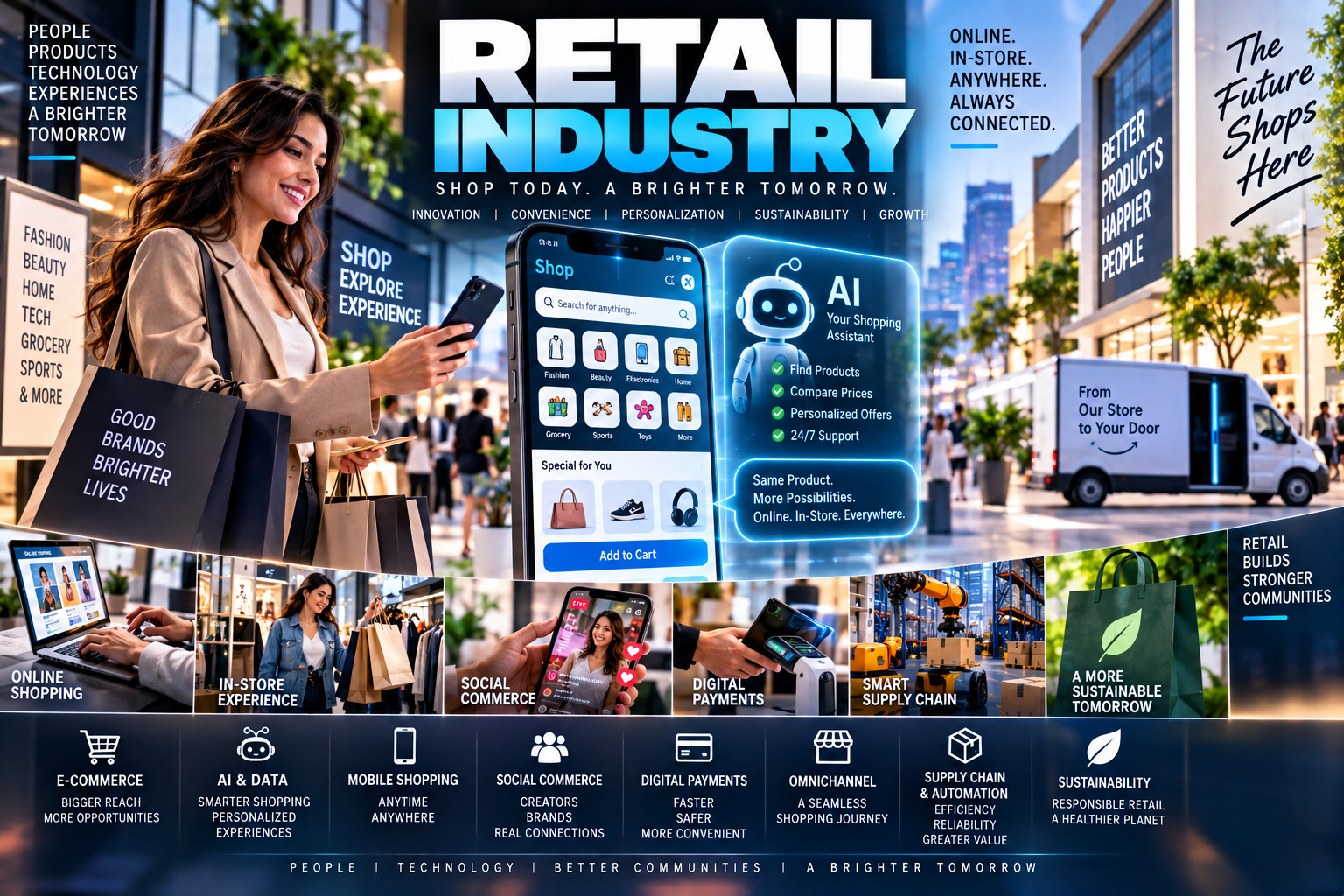
Social commerce has created another major change in consumer behavior. People can discover products through videos, reviews, influencers, advertisements, and recommendations before purchasing them directly through digital platforms or linked stores.
Influencer marketing has become particularly powerful because consumers may perceive recommendations from creators as more personal than traditional advertisements.
Businesses have responded by creating shopping features, product demonstrations, live-selling events, and interactive campaigns. The result is a closer connection between entertainment, advertising, and commerce.
Consumers should nevertheless remain cautious. Online popularity does not necessarily guarantee product quality. Checking independent reviews, return policies, seller information, and product details can reduce the risk of poor purchasing decisions.
Privacy and Data Concerns
Privacy remains one of the most important issues surrounding social media. Platforms collect various types of information to provide services, personalize content, measure engagement, and deliver advertising.
Users also voluntarily reveal significant amounts of information through photographs, locations, employment details, relationships, opinions, and daily activities.
Protecting digital privacy therefore requires awareness. Strong passwords, two-factor authentication, careful privacy settings, and caution when clicking unfamiliar links can improve online security.
Users should also consider whether information needs to be publicly available before posting it. Even content intended for a small audience can sometimes be copied, forwarded, or archived.
The Impact on Mental Well-Being
Social media can provide entertainment, friendship, creativity, and community, but excessive use can negatively affect well-being for some people. Constant notifications and endless feeds can encourage users to spend more time online than they originally intended.
The comparison culture associated with social media can also create unrealistic expectations. Users typically see carefully selected highlights of other people's lives rather than their everyday struggles. Comparing one's complete reality with someone else's edited online image can create unnecessary pressure.
Healthy digital habits can help. Turning off unnecessary notifications, taking regular breaks, limiting screen time, and maintaining offline hobbies and relationships can create a more balanced relationship with technology.
Misinformation and Digital Responsibility
The ability to publish content instantly is one of social media's greatest strengths, but it is also one of its biggest weaknesses. Anyone can potentially share information without professional training or editorial oversight.
Misinformation can influence public opinion, damage reputations, create unnecessary fear, and cause real-world harm. Artificial intelligence has added another layer to the challenge by making realistic images, videos, audio, and text easier to produce.
Digital literacy is therefore becoming increasingly important. Users need to ask basic questions: Who created this content? What evidence supports the claim? Is the source credible? Are other reliable sources reporting the same information?
Responsible users should avoid sharing questionable material simply because it is surprising or entertaining.
The Future of Social Media
The future of social media will likely be shaped by artificial intelligence, immersive technologies, social commerce, and increasingly personalized digital experiences.
Artificial intelligence can help users create images, videos, captions, advertisements, and other content. Recommendation systems will likely become more sophisticated, potentially making feeds increasingly personalized.
Virtual and augmented reality could also create new forms of social interaction. Instead of communicating primarily through screens, users may eventually interact through more immersive digital environments.
At the same time, governments, technology companies, educators, and users will face growing questions about privacy, content authenticity, misinformation, online safety, and responsible use of artificial intelligence.
The platforms that succeed in the long term will need to balance innovation with trust. Users want engaging experiences, but they also increasingly need transparency, security, and control over their digital lives.
Conclusion
Social media has changed modern society in ways that extend far beyond communication. It has created new businesses, careers, communities, entertainment models, marketing strategies, and educational opportunities. A small company can reach an international audience, an individual creator can build a global community, and people separated by thousands of miles can remain connected instantly.
Yet the power of social media comes with responsibility. Privacy risks, misinformation, excessive use, online harassment, and unrealistic expectations are challenges that cannot be ignored.
The future will not simply be about having more social media platforms or more content. It will be about how people use these technologies. With greater digital literacy, responsible content creation, thoughtful consumption, and stronger awareness of privacy, social media can remain a powerful tool for connection and opportunity while reducing some of its most significant risks.
Ultimately, social media is neither entirely positive nor negative. It is a powerful technology whose impact depends largely on how individuals, businesses, creators, and society choose to use it.