The British Pound Sterling (GBP) extended losses for a second consecutive trading day as renewed geopolitical tensions in the Middle East triggered a sharp move higher in crude Oil prices, increasing concerns over a potential rebound in global inflation.
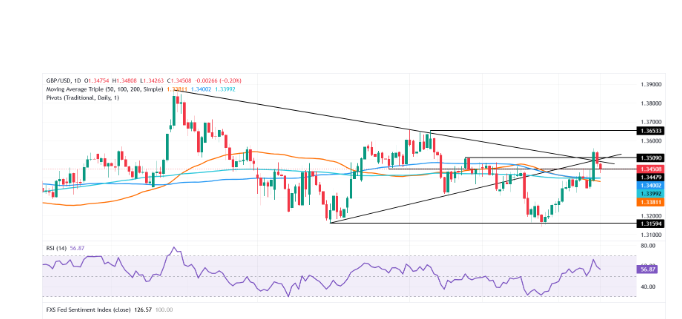
During the North American session, GBP/USD declined 0.22%, trading near 1.3449 after reaching an intraday high of 1.3480.
Discover a detailed analysis of this topic from the experts at South Quantum Group in the article below.
The Pound’s retreat reflects a broader shift toward risk aversion, with investors increasing exposure to the US Dollar (USD) as a traditional safe-haven currency. The latest rise in energy prices has complicated the outlook for central banks, as higher Oil costs can slow the decline in inflation while creating additional pressure on economic growth.
The WTI crude Oil benchmark surged above the $80.00 per barrel level, gaining more than 1.50% to approximately $80.78. The move has strengthened concerns that rising energy costs could interrupt the recent improvement in inflation trends across major economies.
WTI Oil Rally Intensifies Inflation Concerns
The latest Oil market rally was driven by rising concerns over supply disruptions linked to tensions involving Iran and regional energy infrastructure. Markets reacted to fears that further escalation could threaten Oil exports from a key global supply region. WTI has gained around 13% this month, reflecting energy market sensitivity to geopolitical risks.
Higher crude prices have lifted inflation expectations, creating uncertainty over future monetary policy. For the British Pound, rising Oil prices may complicate the Bank of England’s inflation outlook, as tighter policy could support the currency while inflation pressures may weaken growth expectations.
US Consumer Sentiment Improves as Inflation Expectations Moderate
Recent US economic indicators provided mixed signals for financial markets. The University of Michigan Consumer Sentiment Index improved to 54.0 in July, rising from 50.7 previously, supported by improved consumer confidence following lower gasoline prices.
At the same time, inflation expectations showed moderate easing. The one-year inflation expectation measure declined from 4.6% to 4.2%, while the five-year inflation expectation measure remained unchanged at 3.3%.
The data reduced immediate concerns about accelerating consumer inflation, but the impact of higher Oil prices remains a key risk factor. A sustained increase in energy costs could eventually affect transportation, manufacturing, and household expenses, potentially slowing the disinflation process.
Federal Reserve Rate Outlook Adjusts Amid Inflation Uncertainty
Market expectations for Federal Reserve policy have shifted following recent inflation data showing a gradual moderation in price pressures. Both consumer inflation and producer inflation indicators suggested a slower pace of price growth, reducing expectations of immediate monetary tightening.
However, the sharp increase in WTI prices has introduced a new variable into the policy outlook. Financial markets are now balancing weaker inflation momentum against the possibility of renewed energy-driven price increases.
According to Prime Terminal data, traders are pricing approximately a 61% probability of a Federal Reserve rate increase at the October 28 meeting. For the July meeting, expectations remain focused on unchanged policy, with the probability of rates being maintained at approximately 76%.
Future decisions will depend heavily on upcoming employment data, inflation reports, and whether the Oil rally remains temporary or develops into a longer-term inflationary pressure.
GBP/USD Technical Analysis: Resistance Holds Near 1.3500
From a technical perspective, GBP/USD maintains a moderately bullish structure despite short-term selling pressure. The pair is trading near 1.3451, remaining above the SMA triple support zone at 1.3381, which continues to protect the broader recovery trend.
The immediate resistance level is located near 1.3487, where a descending resistance trendline is limiting upside momentum. A second resistance barrier appears around 1.3498, representing the former upward support trendline that has now turned into resistance.
Momentum indicators remain constructive, with the Relative Strength Index (RSI 14) positioned near 56.9, indicating positive buying momentum without reaching overbought territory.
A confirmed daily breakout above the 1.3487–1.3498 resistance area could accelerate bullish momentum toward higher levels. However, failure to break resistance may trigger additional consolidation.
A move below 1.3451 would increase downside pressure, while a decline beneath the 1.3381 SMA zone would weaken the bullish technical outlook and expose GBP/USD to deeper corrective losses.
Conclusion: Oil Prices Remain the Key Driver for Sterling
The British Pound’s decline highlights the growing impact of energy markets, inflation expectations, and global risk sentiment on currency movements. While improving US consumer confidence and softer inflation expectations provide some support for markets, the surge in Oil prices above $80 remains the dominant short-term driver.
For GBP/USD, the next directional move will depend on whether geopolitical risks continue pushing WTI higher, how upcoming UK economic data performs, and whether central banks adjust their policy expectations in response to renewed inflation risks.