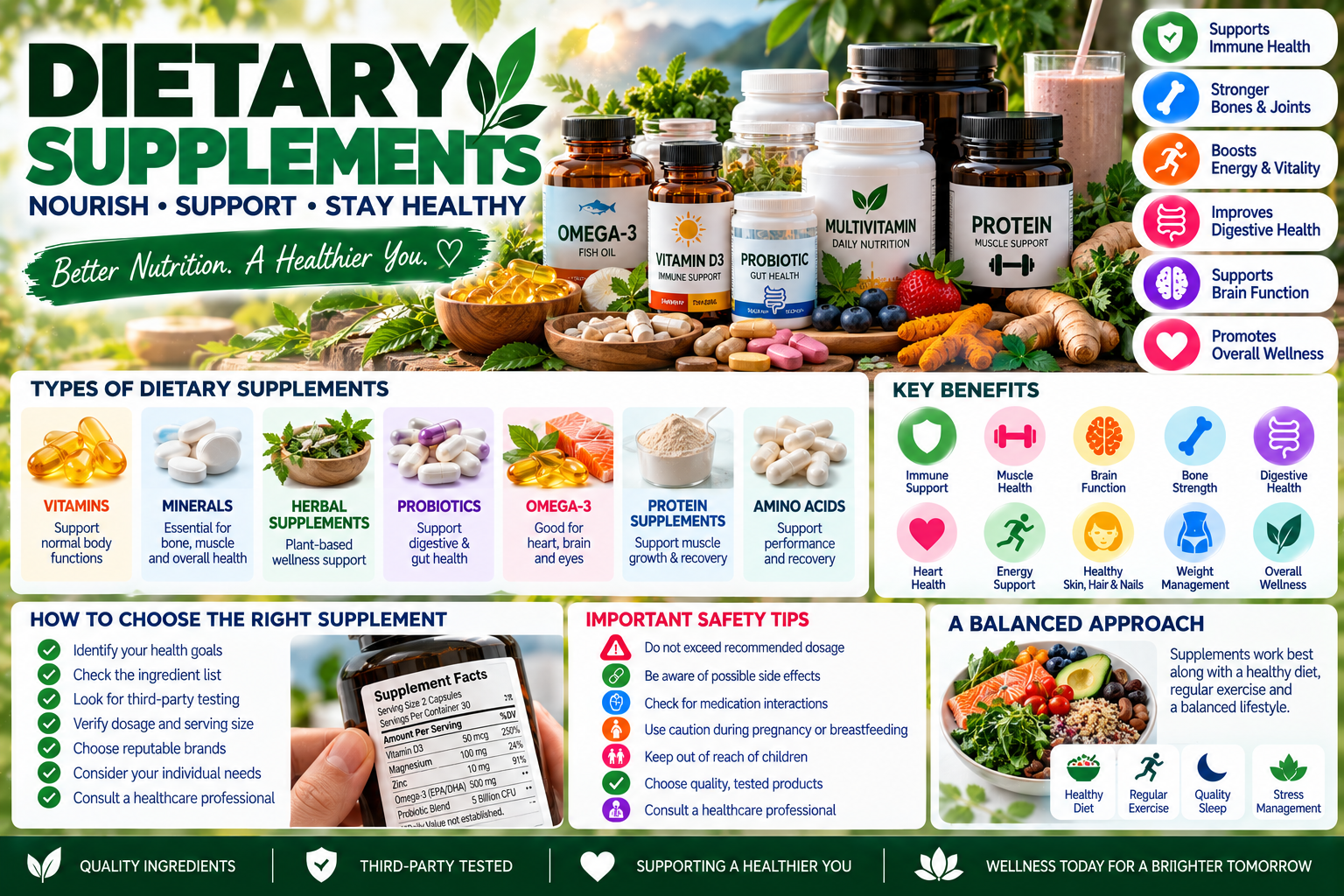
Dietary supplements have become a major part of the modern health and wellness market. From multivitamins and minerals to probiotics, herbal products, omega-3 supplements, protein powders, and specialized nutritional formulas, consumers have more choices than ever.
Supplements can help provide nutrients when dietary intake is insufficient, and certain supplements have established roles in specific situations. However, more supplements do not necessarily mean better health.
The U.S. Food and Drug Administration (FDA) defines dietary supplements as products intended to supplement the diet and containing dietary ingredients such as vitamins, minerals, herbs, botanicals, amino acids, enzymes, or live microorganisms such as probiotics.
Importantly, dietary supplements are regulated differently from medicines. In the United States, the FDA does not generally approve dietary supplements for safety and effectiveness before they reach the market. Manufacturers and distributors have responsibility for ensuring that products meet applicable safety and labeling requirements.
This guide explains the major types of supplements, their potential roles, safety considerations, how to read labels, and the supplement trends shaping 2026.
What Are Dietary Supplements?
Dietary supplements are products intended to add nutrients or other dietary ingredients to the diet.
They can contain:
Vitamins
Minerals
Herbs
Botanical extracts
Amino acids
Enzymes
Probiotics
Other dietary substances
Supplements can come in many forms, including:
Tablets
Capsules
Softgels
Powders
Gummies
Liquids
Lozenges
Sachets
The appropriate choice depends on the person's nutritional needs, diet, health circumstances, and advice from a qualified healthcare professional.
Why Do People Take Supplements?
People use supplements for many different reasons.
Common goals include:
Correcting nutrient deficiencies
Supporting normal nutrition
Supporting bone health
Supporting immune function
Supporting energy metabolism
Supporting digestive health
Supporting athletic nutrition
Supporting pregnancy nutrition
Filling dietary gaps
Supporting specific nutritional requirements
However, supplements should complement a balanced diet rather than replace nutritious foods.
The FDA specifically advises consumers not to substitute dietary supplements for prescription medicines or the variety of foods that make up a healthy diet.
Vitamins
Vitamins are organic compounds required by the body in relatively small amounts.
They are generally divided into two groups.
Fat-Soluble Vitamins
These include:
Vitamin A
Vitamin D
Vitamin E
Vitamin K
Because fat-soluble vitamins can accumulate in the body, taking excessive amounts can sometimes create health risks.
Water-Soluble Vitamins
These include:
Vitamin C
B vitamins
Water-soluble vitamins are generally not stored in the body in the same way as fat-soluble vitamins, although some B vitamins can be stored.
Minerals
Minerals are inorganic nutrients that perform many important functions.
Common minerals found in supplements include:
Calcium
Iron
Magnesium
Zinc
Potassium
Selenium
Iodine
The amount needed varies considerably from one mineral to another.
Taking more than the recommended amount does not necessarily provide additional benefits and can sometimes be harmful.
Multivitamins
Multivitamins combine several vitamins and minerals in a single product.
They can be convenient for people who have difficulty meeting nutritional requirements through diet alone.
However, a multivitamin is not automatically necessary for everyone.
A balanced diet containing vegetables, fruits, whole grains, protein foods, and other nutrient-rich foods can provide many essential nutrients.
Vitamin D Supplements
Vitamin D plays important roles in calcium absorption and bone health.
People with inadequate vitamin D intake or limited sun exposure may be at greater risk of deficiency.
Whether supplementation is appropriate depends on dietary intake, sun exposure, health factors, and sometimes blood-test results.
High doses should not be taken casually because excessive vitamin D can cause health problems.
Vitamin C Supplements
Vitamin C is an essential nutrient involved in collagen formation, antioxidant functions, and normal immune function.
Many fruits and vegetables provide vitamin C naturally.
Citrus fruits, peppers, strawberries, broccoli, and other plant foods can contribute to dietary vitamin C intake.
High-dose supplementation is not automatically better.
Magnesium Supplements
Magnesium is involved in many physiological processes, including normal muscle and nerve function and energy metabolism.
Magnesium supplements are available in different forms, and absorption and tolerability can vary.
Some forms may cause gastrointestinal symptoms, particularly at higher supplemental intakes.
People with medical conditions or those taking medications should discuss supplementation with a healthcare professional.
Iron Supplements
Iron is essential for making hemoglobin and supporting oxygen transport.
Iron deficiency can cause health problems, but taking iron without a demonstrated need is not appropriate for everyone.
Excess iron can be harmful.
People considering iron supplements should ideally discuss their nutritional status and possible causes of deficiency with a healthcare professional.
Calcium Supplements
Calcium is important for bones, teeth, muscles, and other normal physiological functions.
Food sources include:
Dairy products
Fortified plant beverages
Certain fish
Tofu made with calcium salts
Some leafy greens
Supplementation may be useful in certain circumstances, but excessive calcium intake can create health concerns.
Omega-3 Supplements
Omega-3 supplements commonly contain fish oil or other sources of EPA and DHA.
They are widely marketed for heart, brain, and general wellness.
Food sources include fatty fish such as salmon, sardines, and mackerel.
Consumers should distinguish between general wellness claims and evidence for specific medical outcomes.
Probiotics
Probiotics are live microorganisms intended to provide health benefits when consumed in adequate amounts.
They are available in:
Capsules
Powders
Yogurts
Fermented foods
Other functional foods
Not all probiotics are the same.
Different strains can have different effects, meaning that a general statement such as "probiotics are good for everyone" is too broad.
Herbal Supplements
Herbal supplements contain plant materials or botanical extracts.
Examples include products containing:
Turmeric
Ginger
Echinacea
Ginseng
Garlic
Ashwagandha
Green tea extracts
Natural does not automatically mean safe.
The FDA specifically warns consumers not to assume that a product is safe simply because it is described as "natural."
Some herbs can interact with medications or affect medical conditions.
Protein Supplements
Protein powders and protein drinks are often used by athletes, active adults, and people who have difficulty obtaining enough protein through food.
Common sources include:
Whey
Casein
Soy
Pea
Rice
Other plant proteins
Protein supplements can be convenient, but they are not required for everyone.
Many people can obtain adequate protein from foods such as eggs, dairy, meat, fish, beans, lentils, tofu, nuts, and seeds.
Supplements for Fitness and Exercise
The sports-nutrition market includes products marketed for:
Muscle growth
Exercise performance
Recovery
Hydration
Energy
Protein intake
Examples include protein powders, creatine, electrolyte products, and pre-workout formulas.
However, supplement quality and evidence vary considerably.
Consumers should be particularly cautious with products making dramatic promises about rapid muscle growth, extreme fat loss, or guaranteed performance improvements.
Supplements for Weight Management
Weight-management supplements are among the most heavily marketed products in the wellness industry.
They may contain:
Caffeine
Fiber
Herbal extracts
Minerals
Vitamins
Other ingredients
Consumers should be cautious about products promising rapid or effortless weight loss.
The FDA has repeatedly taken action against products containing hidden pharmaceutical ingredients or making illegal health claims.
A sustainable approach to weight management generally involves nutrition, physical activity, sleep, and appropriate medical guidance when needed.
Supplements and Energy
Some supplements are marketed as energy boosters.
These may contain caffeine, B vitamins, iron, herbal ingredients, or combinations of multiple substances.
However, feeling tired can have many causes.
Persistent fatigue can be associated with sleep problems, nutritional deficiencies, stress, medications, or underlying medical conditions.
A supplement should not be used to mask unexplained or persistent fatigue without investigating the cause.
How to Read a Supplement Label
Reading the label is one of the most important steps before buying a supplement.
Supplement Facts Panel
In the United States, supplement labels generally include a Supplement Facts panel.
It can provide information such as:
Serving size
Number of servings
Dietary ingredients
Amount per serving
Percent Daily Value when applicable
Other Ingredients
The label should also identify other ingredients such as:
Fillers
Binders
Preservatives
Flavorings
Sweeteners
Capsules or coating materials
Consumers should review the entire label rather than focusing only on the main ingredient.
Are Supplements FDA Approved?
This is a common misunderstanding.
The FDA generally does not approve dietary supplements for safety and effectiveness before they are marketed in the same way it approves prescription drugs.
Instead, supplement companies have responsibilities under federal law regarding product safety, manufacturing, labeling, and claims. The FDA monitors the market and can take action against products that violate applicable requirements.
Therefore, the phrase "FDA approved supplement" should be treated carefully.
Supplement Safety
Supplements can cause side effects and interactions.
Potential problems include:
Taking excessive amounts
Combining multiple products
Interactions with medications
Allergic reactions
Contaminated products
Hidden ingredients
Effects on laboratory tests
Problems around surgery
The FDA specifically recommends speaking with a healthcare professional before taking supplements because some products can interact with medicines or medical conditions.
Supplements and Medications
This is one of the most important safety considerations.
Some supplements can change how medications are absorbed, metabolized, or eliminated.
Examples of potentially important interactions can involve:
Blood thinners
Blood-pressure medicines
Diabetes medicines
Sedatives
Antidepressants
Thyroid medicines
Certain antibiotics
The specific interaction depends on the ingredient and medication.
Anyone taking prescription medication should review supplements with a doctor or pharmacist.
Combining Multiple Supplements
Taking several supplements at once can increase risk.
For example, someone may unknowingly consume the same vitamin or mineral from:
A multivitamin
A beauty supplement
An immune supplement
A sports formula
A fortified food
This can result in unnecessarily high intake.
Keeping a complete list of supplements and medications can help a healthcare professional identify potential overlaps.
Supplements Before Surgery
Some supplements can affect bleeding, blood pressure, heart rate, or the effects of anesthesia.
People preparing for surgery should tell their medical team about every supplement they take.
Do not assume that herbal products are irrelevant to surgery simply because they are natural.
Supplements During Pregnancy
Pregnancy is a period when nutritional requirements change.
Certain nutrients, including folate, iron, iodine, and others, can be particularly important.
However, pregnancy supplements should ideally be selected with professional guidance because both deficiencies and excessive intake can be problematic.
Avoid starting herbal or high-dose supplements during pregnancy without discussing them with a qualified healthcare professional.
Supplements for Children
Children have different nutritional requirements from adults.
Adult supplements should not automatically be given to children.
Some products, particularly gummies, may look like candy and can create accidental ingestion risks.
Parents and caregivers should keep supplements securely stored and discuss supplementation with a pediatric healthcare professional when appropriate.
How to Choose a Quality Supplement
Consumers can take several steps to improve the chances of selecting an appropriate product.
Check the Manufacturer
Look for clear manufacturer information and contact details.
Read the Full Label
Check serving size, ingredients, amounts, warnings, and directions.
Avoid Extreme Claims
Be cautious about products promising:
Instant weight loss
Guaranteed disease cures
Permanent anti-aging
Unlimited energy
"Detoxification" of every organ
Guaranteed hormone balancing
Health claims should be supported by credible evidence.
Look for Independent Quality Testing
Independent certification or testing can provide additional information about identity, purity, strength, and contaminants.
However, certification does not automatically prove that a supplement is effective for a particular health condition.
Supplements vs. Food
Whole foods provide more than isolated vitamins and minerals.
Fruits, vegetables, whole grains, legumes, nuts, seeds, dairy or alternatives, fish, eggs, and other foods contain combinations of nutrients and bioactive compounds.
For most people, supplements work best as a complement to a nutritious diet rather than a substitute for one.
Common Supplement Myths
Myth 1: Natural Means Safe
Not necessarily.
Natural substances can have powerful biological effects and can interact with medicines.
Myth 2: More Is Better
Higher doses can sometimes increase the risk of side effects.
Myth 3: All Supplements Are FDA Approved
They are not generally pre-approved for safety and effectiveness by the FDA before marketing.
Myth 4: Supplements Can Replace Healthy Food
Supplements cannot replicate the full nutritional complexity of a balanced diet.
Myth 5: Expensive Supplements Work Better
Price alone does not establish quality or effectiveness.
2026 Supplement Trends
The supplement market continues to evolve rapidly.
Personalized Nutrition
Consumers are increasingly interested in products tailored to age, lifestyle, dietary preferences, and individual nutritional needs.
Gut Health
Probiotics, prebiotics, and other digestive-health products remain major areas of consumer interest.
Sports Nutrition
Protein, creatine, hydration, and recovery products continue to attract active consumers.
Beauty From Within
Supplements marketed for skin, hair, and nail health remain popular, although evidence varies by ingredient and intended use.
Greater Transparency
Consumers increasingly want clear ingredient lists, accurate dosages, manufacturing information, and independent testing.
Evidence-Based Supplement Choices
There is growing interest in distinguishing scientifically supported uses from exaggerated wellness marketing.
How to Build a Responsible Supplement Routine
A thoughtful supplement routine can begin with a few simple questions:
Do I actually need this supplement?
Is there a nutritional gap or documented deficiency?
What does the scientific evidence say?
Could it interact with my medications?
Is the dosage appropriate?
Does the label clearly identify the ingredients?
Is the manufacturer reputable?
Has the product undergone appropriate quality testing?
Am I already getting this nutrient from another supplement?
Have I discussed it with a healthcare professional when necessary?
These questions can help prevent unnecessary or potentially risky supplement use.
Frequently Asked Questions
What are dietary supplements?
Dietary supplements are products intended to supplement the diet with ingredients such as vitamins, minerals, herbs, amino acids, enzymes, or probiotics.
Are supplements necessary for everyone?
No. Whether supplementation is useful depends on diet, nutritional status, life stage, medical conditions, medications, and individual needs.
Are vitamins supplements?
Yes. Vitamins are among the ingredients commonly found in dietary supplements.
Are herbal supplements safe?
Not automatically. Herbs can have biological effects, side effects, and interactions with medications.
Can I take multiple supplements together?
Sometimes, but combining products can increase the risk of excessive intake or interactions. Review all supplements with a healthcare professional when appropriate.
Are dietary supplements FDA approved?
The FDA generally does not approve dietary supplements for safety and effectiveness before they are marketed.
How do I know whether a supplement is good quality?
Look for clear labeling, reputable manufacturing, transparent ingredient information, and appropriate independent quality testing.
Can supplements interact with medications?
Yes. Some supplements can interact with prescription or over-the-counter medicines. The FDA recommends consulting a healthcare professional before using supplements.
Conclusion
Dietary supplements can play a useful role in nutrition when used appropriately. Vitamins, minerals, probiotics, protein products, omega-3 supplements, and other products may help address specific nutritional needs or complement a healthy lifestyle.
But supplements are not automatically necessary, harmless, or effective simply because they are sold as wellness products.
The FDA emphasizes that supplements can interact with medicines, create side effects, and sometimes present safety concerns. It also recommends discussing supplement use with a healthcare professional.
For consumers in 2026, the best approach is informed supplementation: understand why you are taking a product, read the label carefully, avoid excessive doses, check for interactions, choose reputable products, and prioritize a balanced diet and healthy lifestyle.
As the supplement industry continues to grow, transparency, scientific evidence, quality testing, and responsible consumer education are likely to become increasingly important.
This article is for general educational purposes and is not a substitute for professional medical advice, diagnosis, or treatment.