Anxiety is a common human experience. Feeling nervous before an important event, dealing with uncertainty, or experiencing stress during a difficult period can all produce temporary anxiety. For some people, however, anxiety becomes persistent, difficult to control, and disruptive to everyday life.
As interest in natural wellness products has grown, cannabidiol, better known as CBD, has become increasingly popular among people looking for ways to manage stress and anxiety symptoms.
CBD is a compound found in cannabis and hemp. Unlike THC, CBD is not generally associated with the intoxicating "high" produced by THC. However, the scientific evidence surrounding CBD for anxiety is still developing.
The National Center for Complementary and Integrative Health (NCCIH) reports that a small amount of evidence from human studies suggests cannabinoids might reduce anxiety, but research specifically supporting CBD as a treatment for anxiety disorders remains limited.
This guide explains what researchers currently know about CBD and anxiety, potential benefits, product types, safety considerations, medication interactions, and important CBD trends in 2026.
What Is CBD?
CBD stands for cannabidiol.
It is one of the major cannabinoids naturally found in cannabis plants. Another well-known cannabinoid is THC, or tetrahydrocannabinol.
CBD and THC have different properties.
CBD is generally considered non-intoxicating, while THC is responsible for most of the intoxicating effects associated with cannabis.
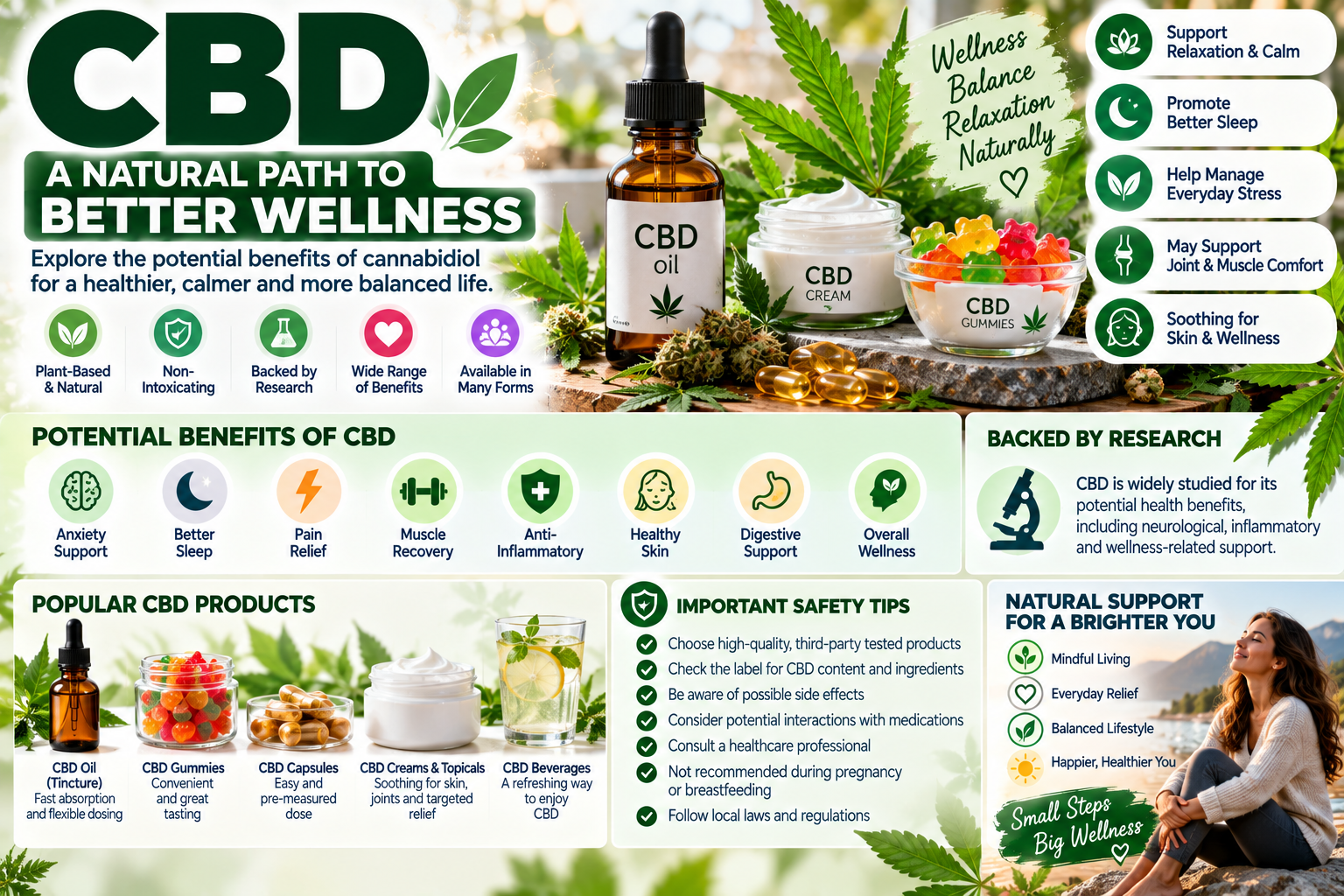
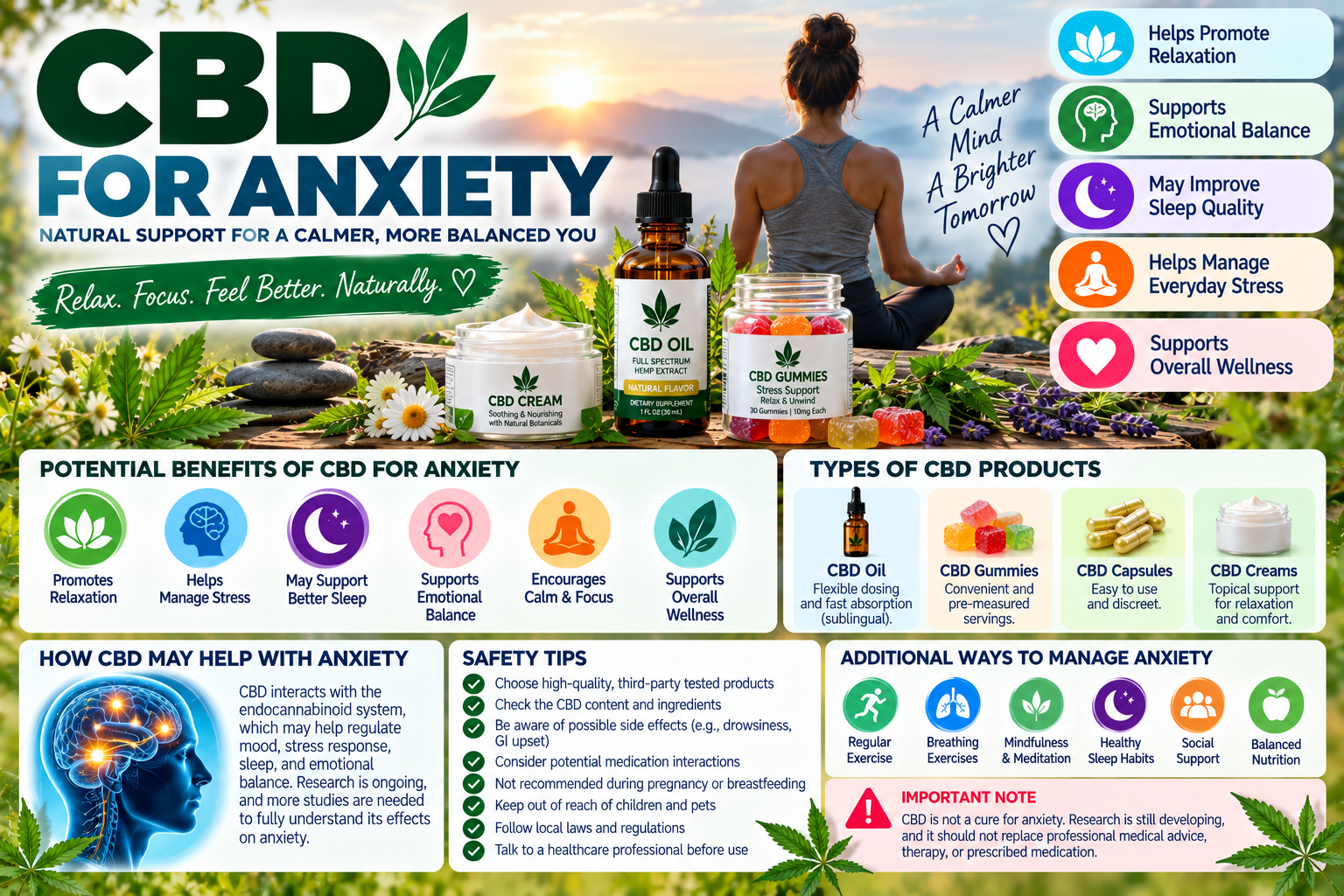
CBD products are available in many forms, including:
CBD oil
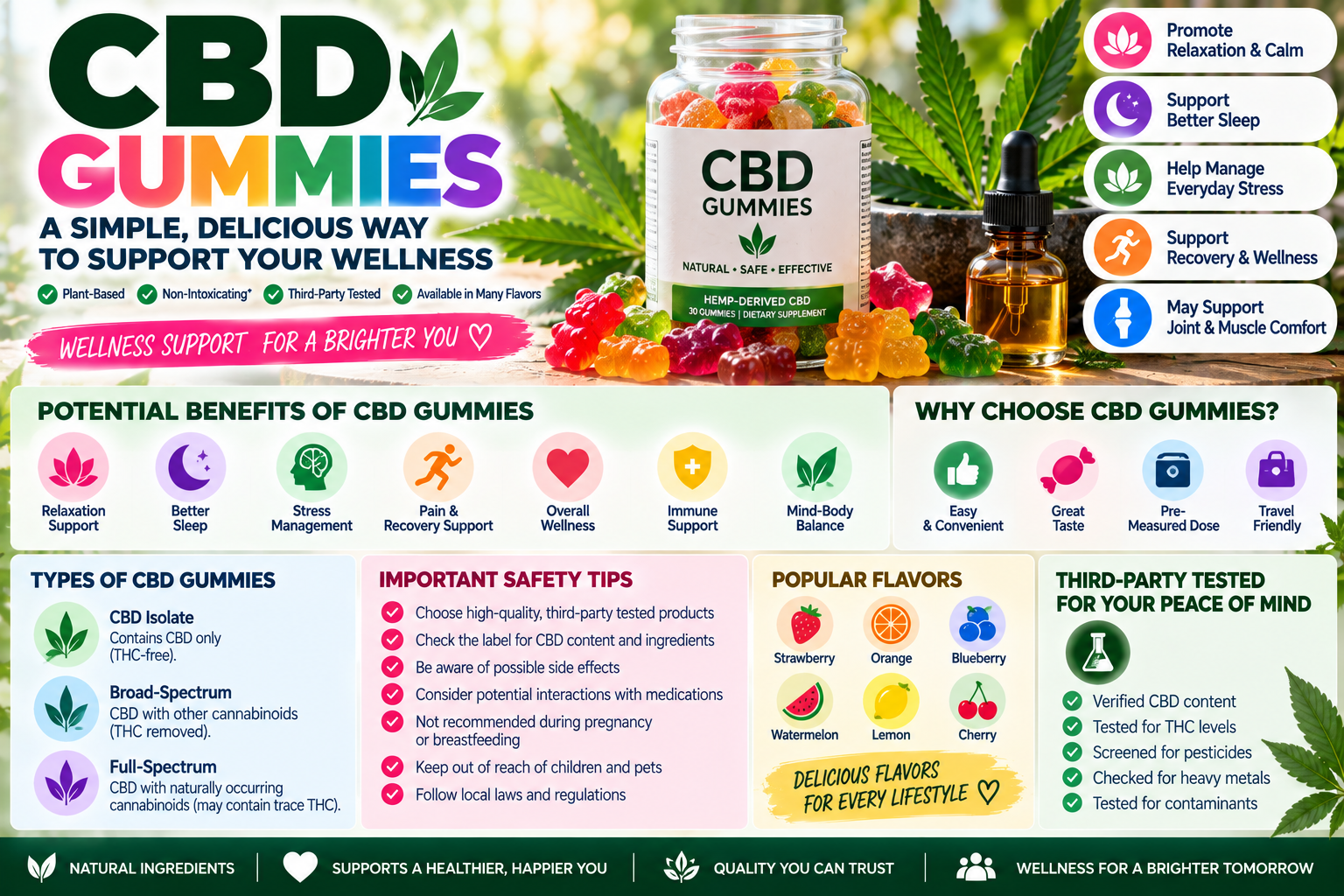
CBD gummies
CBD capsules
CBD creams
CBD tinctures
CBD beverages
CBD softgels
CBD products combined with other botanical ingredients
The amount of CBD and the other ingredients can vary significantly between products.
What Is Anxiety?
Anxiety is the body's response to perceived stress, uncertainty, or danger.
Temporary anxiety can be a normal response to challenging situations.
An anxiety disorder is different. Anxiety disorders involve persistent or excessive fear, worry, or anxiety that can interfere with daily life.
Examples include:
Generalized anxiety disorder
Social anxiety disorder
Panic disorder
Specific phobias
Separation anxiety disorder
People experiencing persistent or severe symptoms should seek professional evaluation rather than relying exclusively on supplements or wellness products.
NCCIH notes that effective conventional treatments for anxiety disorders include psychotherapy and medication.
Why Is CBD Popular for Anxiety?
CBD has attracted attention because of its potential effects on systems involved in stress, mood, sleep, and emotional regulation.
Many consumers report using CBD as part of a relaxation routine.
CBD is also frequently marketed with phrases such as:
Stress support
Calm and relaxation
Emotional wellness
Rest and recovery
Everyday balance
Relaxation support
These marketing descriptions should not be confused with evidence that CBD can diagnose, prevent, or treat an anxiety disorder.
What Does the Research Say About CBD and Anxiety?
Research into CBD and anxiety is still developing.
NCCIH reports that there is a small amount of human evidence suggesting cannabis or cannabinoids might help reduce anxiety. One small study involving 24 people with social anxiety disorder found less anxiety during a simulated public-speaking test after participants took CBD compared with placebo.
However, a single small study cannot establish that CBD is an effective treatment for anxiety disorders.
Researchers continue to investigate:
CBD dosage
Long-term safety
Different formulations
Different types of anxiety
CBD compared with placebo
CBD interactions with medications
Whether benefits differ among individuals
More large, well-designed clinical trials are needed before firm conclusions can be made.
CBD for Everyday Stress vs. Anxiety Disorders
This distinction is important.
Someone experiencing occasional stress may be interested in CBD as a wellness product.
An anxiety disorder is a medical condition that may require professional treatment.
CBD should therefore not be presented as a replacement for evidence-based treatment.
If anxiety is persistent, interferes with work or school, affects relationships, causes frequent panic attacks, or significantly changes sleep and daily functioning, professional evaluation is appropriate.
CBD Oil for Anxiety
CBD oil is one of the most popular CBD formats.
It is generally sold in a bottle with a dropper and may contain different concentrations of CBD.
Some products are labeled:
Full-spectrum
Broad-spectrum
CBD isolate
Full-Spectrum CBD
Full-spectrum products contain CBD alongside other naturally occurring cannabis compounds and may contain small amounts of THC.
Broad-Spectrum CBD
Broad-spectrum products generally contain CBD and other cannabis compounds but are formulated without THC.
CBD Isolate
CBD isolate is designed to contain purified CBD without other cannabinoids.
The product type does not automatically determine whether it will help anxiety.
CBD Gummies for Anxiety
CBD gummies are popular because they are portable and pre-portioned.
They may contain a specified amount of CBD per gummy.
However, edible CBD products can take longer to produce noticeable effects than some other formulations because they are processed through the digestive system.
Consumers should avoid repeatedly taking additional amounts simply because they do not notice an immediate effect.
More importantly, CBD gummies should not be treated as a proven treatment for anxiety disorders.
CBD Creams and Anxiety
CBD creams are applied to the skin rather than taken orally.
They are usually marketed for localized comfort or skincare rather than anxiety.
Because topical CBD has a different route of administration, it should not automatically be assumed to have the same effects as oral CBD.
The FDA has noted that important questions remain about how much CBD is absorbed through different topical products.
Therefore, CBD cream should not be presented as an established treatment for anxiety.
CBD and Relaxation
One reason people explore CBD is the desire to feel more relaxed.
Some consumers incorporate CBD into routines involving:
Evening relaxation
Meditation
Reading
Stretching
Massage
Breathing exercises
Sleep preparation
These activities themselves may contribute to relaxation.
It is therefore important not to assume that any calming experience associated with a wellness routine is necessarily caused by CBD.
CBD and Sleep
Anxiety and sleep problems often occur together.
Because CBD is sometimes marketed as a sleep-support product, some consumers use it at night.
However, NCCIH reports that available research has been insufficient to establish cannabinoid therapies, including CBD, as effective treatments for sleep disorders.
People experiencing ongoing insomnia or significant sleep disruption should consider discussing the underlying problem with a healthcare professional.
Can CBD Cure Anxiety?
There is currently not enough evidence to say that CBD cures anxiety.
This distinction is important because online CBD marketing can sometimes make stronger claims than the scientific evidence supports.
CBD research is promising in some areas, but researchers still need larger and more rigorous studies to determine whether CBD can safely and effectively treat specific anxiety disorders.
Consumers should be cautious about companies claiming that CBD can:
Cure anxiety
Permanently eliminate panic attacks
Replace therapy
Replace prescription medication
Treat every mental-health condition
The FDA has warned that unapproved CBD products are sometimes marketed with unproven medical claims.
Is CBD Safe for Anxiety?
CBD is not automatically risk-free.
The FDA has identified several potential safety concerns associated with CBD, including:
Liver injury
Drug interactions
Drowsiness
Changes in alertness
Gastrointestinal symptoms
Changes in mood
Product contamination
Incorrect labeling
NCCIH similarly notes that CBD may cause side effects and can interact with other drugs.
CBD and Anxiety Medications
This is particularly important for people already receiving treatment for anxiety.
Some medications used for anxiety, sleep, depression, or other conditions can affect alertness or the central nervous system.
The FDA warns that combining CBD with alcohol or other substances that slow brain activity can increase sedation and drowsiness. CBD can also affect how other medications work.
Anyone taking prescription medication should speak with a doctor or pharmacist before adding CBD.
CBD and Antidepressants
Some people with anxiety also take antidepressants.
CBD may interact with certain medications by influencing how they are processed by the body.
The exact interaction depends on the medication, dose, CBD formulation, and individual factors.
Therefore, people taking antidepressants should not assume that adding CBD is harmless simply because CBD is sold as a wellness product.
CBD and Alcohol
Combining CBD with alcohol can increase sedation and drowsiness.
This can potentially affect coordination and alertness.
People should avoid assuming that CBD and alcohol are automatically safe to combine. The FDA specifically highlights the increased sedation risk when CBD is combined with alcohol or other substances that slow brain activity.
CBD and Pregnancy
CBD should be approached with particular caution during pregnancy.
The FDA advises against using CBD during pregnancy and breastfeeding because important safety questions remain unanswered. The agency has also identified potential concerns involving liver toxicity, drug interactions, and contamination.
Pregnant or breastfeeding individuals should speak with a healthcare professional rather than relying on CBD marketing claims.
CBD and Children
CBD products should not be casually given to children for anxiety.
The FDA has not approved ordinary CBD products for treating anxiety in children.
Parents or caregivers concerned about a child's anxiety should seek professional evaluation.
CBD Product Quality and Anxiety
Product quality is a major issue in the CBD market.
NCCIH notes that some nonprescription CBD products contain substantially different amounts of CBD than stated on their labels. Some products may also contain THC or contaminants.
This means that two products labeled with the same CBD concentration may not necessarily be equivalent.
How to Choose a CBD Product
Consumers considering CBD should examine the product carefully.
Check the CBD Concentration
Look for the total CBD amount and, when applicable, the amount per serving.
Read the Ingredients
Look for:
CBD extract
Carrier oil
Flavorings
Sweeteners
Botanical ingredients
Other cannabinoids
Look for Third-Party Testing
Independent testing can provide information about:
CBD concentration
THC levels
Cannabinoid profile
Heavy metals
Pesticides
Other contaminants
Check the Certificate of Analysis
A Certificate of Analysis, or COA, is a laboratory report associated with a product or batch.
A COA can help consumers evaluate whether a product's cannabinoid content matches its label.
However, a COA does not prove that CBD is effective for anxiety.
CBD vs. THC for Anxiety
CBD and THC should not be treated as interchangeable.
CBD is generally non-intoxicating.
THC can produce intoxicating effects and may affect perception, memory, coordination, and mood.
Interestingly, research has found that orally consumed CBD combined with THC can sometimes produce stronger drug effects than THC alone, including increased self-reported anxiety, sedation, and memory difficulty in a small controlled study.
People concerned about anxiety should therefore be especially cautious about products containing THC.
Can CBD Make Anxiety Worse?
Although CBD is often marketed as calming, individual responses can vary.
Products containing THC may be particularly relevant because THC can produce anxiety or other unwanted psychological effects in some people.
CBD itself can also cause side effects such as changes in alertness or mood.
If a person notices worsening anxiety, agitation, unusual mood changes, severe drowsiness, or other concerning symptoms after using a CBD product, they should stop using it and seek appropriate professional advice.
CBD and Panic Attacks
Panic attacks can involve sudden intense fear accompanied by symptoms such as:
Rapid heartbeat
Shortness of breath
Trembling
Sweating
Chest discomfort
Dizziness
Feeling of losing control
CBD should not be relied upon as an emergency treatment for a panic attack.
Frequent panic attacks require proper evaluation because several medical and psychological conditions can produce similar symptoms.
CBD vs. Therapy for Anxiety
Psychotherapy is one of the established approaches used for anxiety disorders.
Cognitive behavioral therapy, commonly known as CBT, is widely used to help people understand and change patterns of thoughts and behaviors associated with anxiety.
NCCIH notes that conventional psychotherapy can be more effective for anxiety disorders than some complementary approaches.
CBD research should therefore be viewed as an area of investigation rather than a replacement for evidence-based mental-health care.
CBD vs. Prescription Anxiety Medication
Prescription medications can be appropriate for certain anxiety disorders.
The choice depends on the specific condition, symptoms, medical history, other medications, and professional evaluation.
CBD products available commercially have not undergone the same approval process as prescription medicines.
The FDA has approved only one CBD product, a prescription medicine used for specific seizure disorders, not for general anxiety treatment.
Other Ways to Manage Anxiety
CBD is only one area being investigated for anxiety and stress.
Other approaches may include:
Psychotherapy
Mindfulness
Relaxation exercises
Physical activity
Breathing exercises
Consistent sleep habits
Social support
Stress-management strategies
NCCIH notes that some complementary approaches, such as mindfulness and relaxation practices, may help reduce anxiety symptoms in some circumstances, although they are not substitutes for professional treatment of anxiety disorders.
CBD for Anxiety in 2026
The CBD market continues to evolve.
Several trends are particularly relevant.
More Scientific Research
Researchers continue to investigate CBD and the endocannabinoid system, including potential effects on anxiety, stress, sleep, and other conditions.
Better Product Testing
Consumers are increasingly looking for independent laboratory testing, accurate cannabinoid concentrations, and contaminant screening.
Greater Consumer Education
More shoppers are learning the difference between CBD isolate, broad-spectrum CBD, full-spectrum CBD, and THC-containing products.
Responsible Marketing
Regulatory attention continues to push the industry toward more careful health claims.
Digital Mental-Health Care
At the same time, consumers have increasing access to evidence-based digital mental-health resources, teletherapy, and online psychological support.
When Should You Seek Professional Help?
Occasional anxiety is common.
However, professional support is particularly important when anxiety:
Persists for weeks or months
Interferes with work or education
Disrupts relationships
Causes repeated panic attacks
Prevents normal activities
Significantly affects sleep
Causes substantial distress
Anxiety can also occur alongside depression or other mental-health conditions, making proper assessment important.
If someone is in immediate danger, experiencing a mental-health emergency, or having thoughts of self-harm, they should seek emergency assistance or contact an appropriate crisis service immediately rather than relying on CBD.
Frequently Asked Questions
Does CBD help anxiety?
Some early human research suggests CBD or cannabinoids may reduce anxiety in certain situations, but evidence remains limited. CBD has not been established as a general treatment for anxiety disorders.
What is the best CBD for anxiety?
There is no scientifically established "best" commercial CBD product for anxiety. Product quality, accurate labeling, independent testing, THC content, and individual safety considerations are important.
Does CBD make you high?
CBD itself is generally not intoxicating like THC. However, some CBD products can contain THC.
Can CBD replace anxiety medication?
CBD should not be assumed to replace prescribed anxiety medication. People taking medication should discuss CBD use with their healthcare professional.
Can CBD interact with anxiety medication?
Yes. CBD can interact with other drugs and may increase sedation when combined with alcohol or other substances that slow brain activity.
Can CBD cause anxiety?
Individual responses can vary. Products containing THC can sometimes worsen anxiety, while CBD can also cause side effects such as changes in alertness or mood.
Is CBD safe during pregnancy?
The FDA advises against using CBD during pregnancy and breastfeeding because important safety questions remain unanswered.
Are CBD gummies effective for anxiety?
CBD gummies are a delivery format rather than a proven anxiety treatment. Evidence for CBD and anxiety remains limited, and commercial products vary in quality and composition.
Conclusion
CBD has attracted considerable interest as a potential option for people experiencing stress and anxiety. Early research provides some reason for continued scientific investigation, but the evidence is not strong enough to describe ordinary commercial CBD products as proven treatments for anxiety disorders.
Consumers should also remember that CBD can have side effects, interact with medications, cause drowsiness, and potentially affect the liver. Product quality can vary, and some products may contain THC or other contaminants.
For people experiencing occasional stress, CBD may be one subject worth discussing with a healthcare professional. For persistent or severe anxiety, evidence-based mental-health care such as psychotherapy and appropriate medical treatment remains important.
As research continues through 2026, the future of CBD and anxiety research will depend on larger clinical studies, better product standardization, stronger safety data, and clearer separation between scientifically supported information and wellness marketing.
This article is for general educational purposes and is not a substitute for professional medical advice, diagnosis, or treatment.