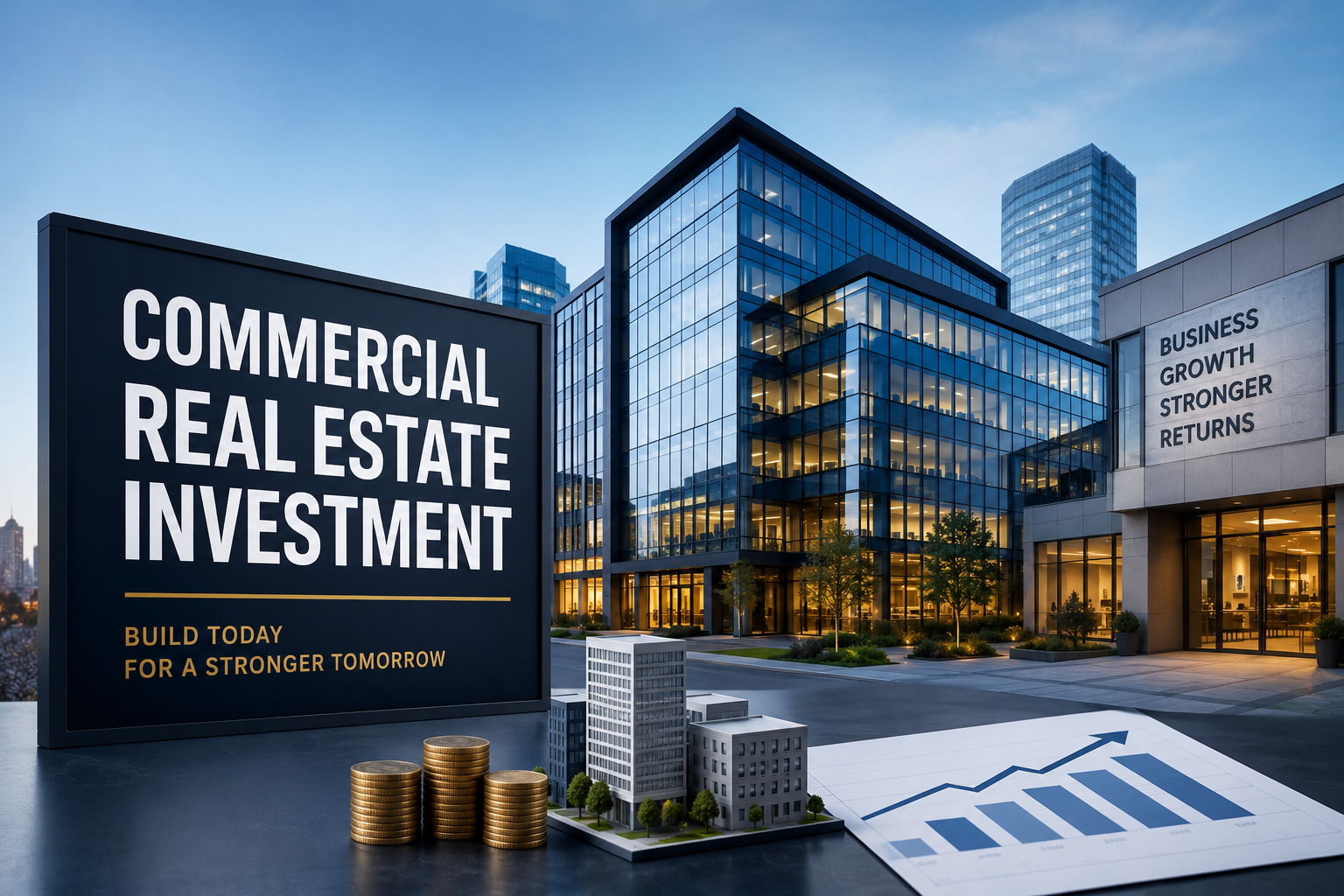
Commercial real state investment has consistently remained one of the strongest wealth-building opportunities available to investors, entrepreneurs, and businesses worldwide. Unlike residential real estate, commercial properties are designed primarily for business activities and income generation. These properties often produce higher rental income, longer lease agreements, and greater appreciation over time.
As businesses continue expanding and economies evolve, the demand for office buildings, retail centers, warehouses, industrial facilities, and mixed-use developments continues to increase. Investors who understand the fundamentals of commercial real estate investment can create stable income streams while protecting their wealth against inflation.
Whether you are looking to diversify your investment portfolio, purchase your first commercial property, or expand an existing business, understanding the commercial real estate market is essential. This guide covers everything you need to know to make informed investment decisions and maximize long-term returns.
What Is Commercial Real Estate?
Commercial real estate (CRE) refers to properties used for business purposes rather than residential living. These properties generate income through leasing, renting, or business operations.
Common commercial property types include:
Office buildings
Retail stores
Shopping malls
Warehouses
Industrial buildings
Hotels
Medical offices
Apartment complexes with multiple units
Mixed-use developments
Commercial properties are purchased by investors, corporations, developers, and real estate investment firms seeking long-term financial growth.
Why Commercial Real Estate Investment Is Growing
The commercial real estate market continues to attract investors because it offers multiple financial advantages compared to many traditional investments.
Higher Income Potential
Commercial properties generally produce higher rental income than residential properties. Businesses typically pay more for prime locations because accessibility directly impacts their revenue.
Long-Term Lease Agreements
Commercial leases often last between five and twenty years. Longer lease terms provide stable cash flow and reduce vacancy concerns.
Strong Appreciation
Properties located in growing business districts frequently increase in value over time. Economic development, infrastructure improvements, and population growth contribute significantly to property appreciation.
Inflation Protection
Rental agreements often include periodic rent increases, allowing investors to maintain purchasing power during inflation.
Portfolio Diversification
Commercial real estate offers diversification beyond stocks and bonds, helping investors reduce overall financial risk.
Types of Commercial Real Estate
Understanding various property categories helps investors choose opportunities aligned with their financial goals.
Office Buildings
Office spaces range from small professional offices to large corporate headquarters.
Examples include:
Business parks
Downtown office towers
Shared workspaces
Executive office suites
Office properties typically attract long-term corporate tenants.
Retail Properties
Retail commercial real estate includes:
Shopping centers
Strip malls
Standalone retail stores
Restaurants
Supermarkets
Location plays a crucial role in determining rental income and occupancy rates.
Industrial Properties
Industrial buildings support manufacturing, storage, and distribution.
Examples include:
Warehouses
Logistics centers
Manufacturing facilities
Distribution hubs
The rapid growth of e-commerce has significantly increased demand for industrial properties.
Multifamily Properties
Large apartment buildings with multiple rental units are often classified as commercial real estate.
Benefits include:
Multiple income sources
Lower vacancy risk
Stable cash flow
Hospitality Properties
Hotels, resorts, and serviced apartments generate revenue through short-term accommodations.
Although hospitality investments can produce high returns, they are often more sensitive to economic conditions.
Mixed-Use Developments
Mixed-use projects combine residential, retail, office, and entertainment spaces within one development.
These properties create diversified income streams while increasing overall property value.
Benefits of Investing in Commercial Real Estate
Commercial real estate offers numerous financial and strategic advantages.
Consistent Cash Flow
Rental payments from business tenants create reliable monthly income.
Businesses often invest heavily in property improvements, making them less likely to relocate frequently.
Higher Return on Investment
Commercial properties generally provide stronger annual returns compared to many residential investments.
Well-managed commercial assets often outperform traditional investment vehicles over the long term.
Professional Tenants
Commercial tenants usually maintain higher professional standards and often share responsibility for maintenance costs under lease agreements.
Tax Advantages
Many jurisdictions offer tax deductions related to:
Property depreciation
Mortgage interest
Maintenance expenses
Property management fees
Insurance costs
Professional tax advice can help maximize available benefits.
Factors That Influence Commercial Property Value
Several elements determine a property's long-term profitability.
Location
Location remains the single most important factor.
Ideal commercial locations typically feature:
High customer traffic
Excellent transportation
Strong economic activity
Population growth
Nearby businesses
Market Demand
Supply and demand significantly influence occupancy rates and rental income.
Markets with expanding businesses generally experience stronger property appreciation.
Property Condition
Modern buildings with updated infrastructure attract quality tenants and require fewer repairs.
Regular maintenance protects long-term investment value.
Local Economy
Employment growth, new business development, and infrastructure investment directly affect commercial real estate demand.
Financing Commercial Real Estate
Purchasing commercial property usually requires significant capital. Investors often use various financing methods.
Traditional Commercial Loans
Banks provide commercial mortgages based on:
Credit history
Business income
Down payment
Property value
Private Investors
Private investment groups often finance commercial projects with flexible terms.
Real Estate Partnerships
Investors frequently combine resources through partnerships, allowing larger investments while sharing financial risk.
Real Estate Investment Trusts (REITs)
REITs allow investors to participate in commercial real estate without purchasing physical properties.
They provide diversification and passive income opportunities.
Common Risks in Commercial Real Estate
Every investment carries risk, and commercial real estate is no exception.
Potential challenges include:
Economic recessions
Vacancy periods
Rising interest rates
Unexpected maintenance costs
Changing consumer behavior
Government regulations
Successful investors reduce these risks through proper planning, market research, and portfolio diversification.
Commercial Real Estate Investment Strategies
Different investors use different strategies depending on their objectives.
Buy and Hold
Purchase high-quality commercial properties and generate rental income while benefiting from long-term appreciation.
Value-Add Investment
Acquire underperforming properties, renovate them, increase occupancy, and sell at a higher value.
Development Projects
Developers purchase land and construct commercial buildings for future leasing or resale.
Although potentially profitable, development projects involve higher financial risk.
Lease-to-Business Strategy
Some investors purchase commercial properties specifically for leasing to established businesses under long-term agreements.
This strategy offers predictable income.
How Technology Is Transforming Commercial Real Estate
Modern technology continues reshaping the industry.
Important innovations include:
Artificial intelligence for property analysis
Virtual property tours
Smart building management
Digital lease management
Big data market analysis
Blockchain property transactions
Technology improves efficiency, reduces costs, and enhances decision-making for investors.
Sustainability in Commercial Real Estate
Businesses increasingly prefer environmentally responsible buildings.
Green commercial properties often feature:
Energy-efficient lighting
Solar panels
Water conservation systems
Smart climate control
Sustainable construction materials
These features reduce operating costs while attracting environmentally conscious tenants.
Tips for Successful Commercial Real Estate Investment
Experienced investors consistently follow several best practices.
Conduct Thorough Market Research
Study local demand, vacancy rates, rental trends, and economic indicators before investing.
Analyze Financial Performance
Evaluate:
Net operating income
Cash flow
Capitalization rate
Return on investment
Maintenance expenses
Inspect the Property
Professional inspections identify structural issues before purchase.
Understand Lease Agreements
Review lease terms carefully to understand tenant responsibilities, renewal options, and rent escalation clauses.
Work with Experienced Professionals
Commercial real estate brokers, attorneys, financial advisors, and property managers provide valuable expertise throughout the investment process.
Future Trends in Commercial Real Estate
Several trends are shaping the future of commercial property investment.
Growing sectors include:
Logistics and warehouse facilities
Healthcare real estate
Data centers
Flexible office spaces
Mixed-use communities
Sustainable commercial developments
Investors who adapt to changing market demands are more likely to achieve long-term success.
Why Businesses Choose Commercial Real Estate
Owning or leasing commercial property provides businesses with operational stability, professional credibility, and opportunities for expansion.
Commercial properties also allow companies to customize their work environments, improve customer accessibility, and strengthen brand visibility.
For investors, leasing to stable businesses creates predictable income while building valuable long-term assets.
Conclusion
Commercial real estate investment remains one of the most effective ways to generate consistent income, preserve wealth, and achieve long-term financial growth. Whether investing in office buildings, retail centers, industrial warehouses, or mixed-use developments, success depends on thorough research, careful financial planning, and a clear understanding of market dynamics.
As technology, sustainability, and evolving business needs continue to reshape the industry, informed investors have more opportunities than ever before. By selecting the right properties, partnering with experienced professionals, and focusing on long-term value creation, commercial real estate can become a cornerstone of a profitable investment portfolio.
For businesses seeking expansion and investors looking for reliable returns, commercial real estate offers a unique combination of stability, income potential, and future growth. Making informed decisions today can lead to lasting financial success for years to come.
FAQs
Q1. What is commercial real estate investment?
Commercial real estate investment involves purchasing properties such as offices, retail stores, warehouses, or industrial buildings to generate rental income or long-term capital appreciation.
Q2. Is commercial real estate a good investment?
Yes, commercial real estate can provide steady cash flow, higher rental income, and long-term value appreciation when managed properly.
Q3. What are the main types of commercial real estate?
The main types include office buildings, retail spaces, industrial properties, warehouses, multifamily apartments, hotels, and mixed-use developments.
Q4. What factors should I consider before investing in commercial real estate?
Consider the property's location, market demand, rental income potential, financing options, property condition, and future growth prospects.
Q5. How can beginners start investing in commercial real estate?
Beginners should research the market, set a budget, work with experienced real estate professionals, and choose properties with strong income potential and long-term growth opportunities.