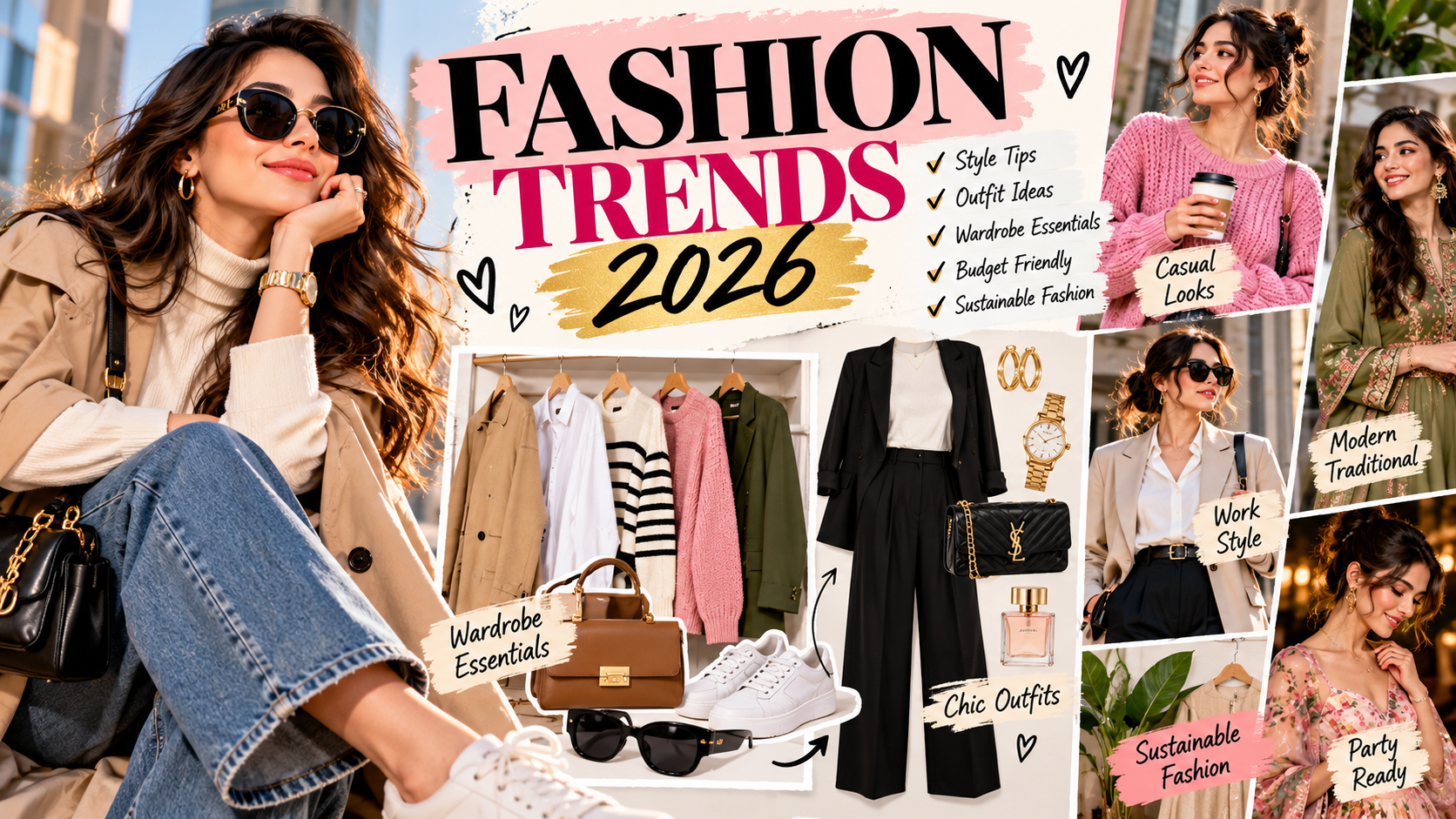
Fashion is more than wearing attractive clothes. It is a way to express personality, communicate confidence, and feel comfortable in everyday life. From casual outfits and elegant dresses to streetwear and timeless classics, fashion offers countless opportunities to experiment with different looks.
In 2026, building a stylish wardrobe does not necessarily mean buying expensive designer clothing or following every new trend. Many people are focusing on versatile pieces, personal expression, comfortable fabrics, thoughtful shopping, and outfits that work for different occasions.
The best fashion choices depend on individual preferences, lifestyle, climate, budget, and comfort. A simple outfit can look sophisticated when the colors, fit, and accessories work well together. Similarly, a trendy outfit may not be the right choice if it does not suit the person wearing it.
This guide explores fashion trends, wardrobe essentials, outfit combinations, accessories, sustainable shopping, and practical styling techniques. Whether you are updating your wardrobe or looking for fresh outfit inspiration, these ideas can help you develop a style that feels authentic and wearable.
What Is Fashion?
Fashion refers to popular styles of clothing, footwear, accessories, hairstyles, and personal presentation. It changes over time as designers, cultural influences, technology, celebrities, and consumers introduce new ideas.
Fashion can be influenced by seasonal collections, social media, street style, music, films, and historical clothing. However, it is not limited to expensive brands or runway designs.
Everyday fashion includes the clothes people choose for work, education, travel, social gatherings, and relaxation.
Personal style is slightly different from fashion trends. Trends describe styles that become popular during a particular period, while personal style reflects an individual's preferences and the way they combine clothing.
Someone may enjoy minimalist outfits, while another person prefers colorful prints, oversized jackets, traditional clothing, or bold accessories. Both approaches can look fashionable when the pieces are selected thoughtfully.
The goal is not to copy every trend but to understand which styles work best for you.
Fashion Trends to Explore in 2026
Fashion trends evolve throughout the year, and their popularity varies between countries, communities, and seasons. The following style directions offer practical inspiration rather than a definitive ranking of the year's trends.
1. Relaxed and Comfortable Clothing
Comfortable clothing remains an important part of everyday style. Relaxed trousers, loose shirts, lightweight sweaters, comfortable denim, and oversized outerwear can create outfits that feel effortless.
The key is balancing proportions. For example, wide-leg trousers can work well with a fitted top, while an oversized shirt can be paired with straight-leg jeans.
Comfort does not mean ignoring fit. Choosing appropriate lengths, fabrics, and shapes helps an outfit look intentional rather than unfinished.
2. Minimalist Fashion
Minimalist fashion focuses on simple designs, clean lines, versatile colors, and fewer unnecessary details.
Common wardrobe choices include white shirts, black trousers, neutral sweaters, structured jackets, and simple footwear.
A minimalist wardrobe can make daily dressing easier because many pieces work together. Instead of purchasing numerous items for individual occasions, shoppers can invest in versatile clothing that creates multiple outfits.
Minimalism does not require wearing only black, white, and beige. The same approach can include muted blues, soft greens, warm browns, and other colors that suit personal preferences.
3. Denim for Everyday Style
Denim continues to be a useful wardrobe staple because it can be styled in many ways.
Straight-leg jeans create a classic look, while wide-leg styles offer a relaxed silhouette. Dark denim can appear polished with a blazer, whereas lighter washes often work well with casual tops and sneakers.
Denim jackets, skirts, shirts, and dresses also provide alternatives to traditional jeans.
When choosing denim, pay attention to comfort, fabric quality, fit, and durability. The best pair is one that suits your lifestyle rather than simply matching a temporary trend.
4. Statement Accessories
Accessories can transform a simple outfit without requiring an entirely new wardrobe.
Statement earrings, structured handbags, colorful scarves, belts, sunglasses, and distinctive footwear can introduce personality into basic clothing combinations.
For example, a plain black dress can look different when styled with gold jewelry and heels compared with sneakers and a casual shoulder bag.
A useful approach is to choose one main accessory and allow it to stand out. This creates visual interest without making an outfit feel overcrowded.
5. Soft Colors and Thoughtful Color Combinations
Color plays a major role in fashion. Neutral shades are easy to combine, while brighter colors can create a more expressive appearance.
Try combining cream with brown, navy with white, olive with beige, or soft pink with grey. These combinations can provide a starting point for everyday outfits.
For a bolder look, pair a bright item with neutral clothing. A red handbag, colorful jacket, or vivid pair of shoes can add interest to an otherwise simple outfit.
There are no universal rules about which colors everyone should wear. Personal preference, contrast, occasion, and the desired look matter more than following a rigid color formula.
6. Layering for Different Seasons
Layering allows people to adjust outfits to changing temperatures while adding depth to their appearance.
A basic combination might include a T-shirt, an open shirt, and a lightweight jacket. In cooler weather, a sweater can be layered under a coat.
The key is choosing fabrics and proportions that work together. Thin layers are often easier to combine than several bulky pieces.
Layering is also practical for travel because individual items can be removed or added as conditions change.
7. Modern Traditional Fashion
Traditional clothing can be styled in contemporary ways without losing its cultural identity.
Depending on the region, this may include embroidered outfits, kurtas, shalwar kameez, sarees, abayas, or other culturally significant garments.
Modern styling can involve updated cuts, simpler accessories, coordinated colors, comfortable footwear, and carefully selected fabrics.
For example, a plain kurta paired with well-fitted trousers and understated accessories can create a polished everyday outfit. An embroidered traditional outfit may be suitable for weddings, celebrations, and formal gatherings.
Fashion becomes more personal when traditional influences are combined with individual preferences.
Essential Clothing Pieces for a Stylish Wardrobe
A versatile wardrobe begins with items that work across multiple outfits. The ideal selection depends on climate, lifestyle, and personal style, but several categories are useful starting points.
Basic Tops
Plain T-shirts, button-down shirts, comfortable blouses, and lightweight tops can form the foundation of everyday outfits.
Choose colors that coordinate with the trousers, skirts, and outerwear you already own.
Fabric quality and fit are often more important than decorative details. A well-fitting basic top can be worn repeatedly in different combinations.
Well-Fitting Trousers and Jeans
Jeans, tailored trousers, relaxed pants, and skirts provide different options for everyday dressing.
Choose silhouettes that allow comfortable movement and suit your usual activities.
If you need clothing for work or formal settings, tailored trousers can be especially versatile. For casual occasions, jeans or relaxed pants may be more practical.
A Versatile Jacket
A denim jacket, blazer, cardigan, or lightweight coat can change the appearance of a basic outfit.
A blazer works with trousers, jeans, dresses, and skirts. A denim jacket provides a more casual alternative.
Consider the weather and the clothing you wear most frequently before purchasing outerwear.
Comfortable Footwear
Footwear influences both comfort and the overall appearance of an outfit.
Sneakers are practical for everyday activities, while loafers, flats, boots, and dress shoes provide different styling options.
Consider walking requirements, fit, support, durability, and the occasions for which the shoes will be used.
A Practical Bag
A bag should suit your daily needs as well as your personal style.
A crossbody bag can be useful for errands, a tote can carry everyday essentials, and a structured handbag may suit formal occasions.
Choose a size and design that you can use regularly rather than buying a bag solely because it is currently popular.
How to Dress Stylishly on a Budget
Looking fashionable does not require spending large amounts of money. Thoughtful shopping and creative styling can make an existing wardrobe more useful.
Start With Clothes You Already Own
Before shopping, review your wardrobe and identify the items you wear most frequently.
Separate clothing that fits well and suits your lifestyle from pieces that need repair, alteration, or replacement.
You may discover that several forgotten items can be combined into new outfits.
Create a Shopping List
Shopping without a plan can lead to unnecessary purchases.
Identify gaps in your wardrobe before buying anything. If you already own several similar tops, a versatile pair of trousers may provide more value than another top.
A shopping list helps you focus on clothing that complements existing pieces.
Compare Prices and Quality
Compare prices across reputable retailers and check product specifications before purchasing.
Consider fabric composition, stitching, fit, return policies, and expected durability.
The cheapest item is not always the most economical choice if it needs frequent replacement. Similarly, an expensive product is not automatically better quality.
Evaluate the actual value rather than relying only on the price tag or brand name.
Explore Secondhand Fashion
Secondhand stores, clothing resale platforms, and local thrift shops can offer opportunities to find distinctive or affordable clothing.
Inspect items for stains, damaged seams, missing buttons, and signs of excessive wear.
For online purchases, review measurements, photographs, seller feedback, and return conditions where available.
Secondhand shopping can also extend the useful life of clothing and reduce demand for new products.
Use Accessories to Refresh Outfits
You do not need new clothing for every event.
Changing shoes, jewelry, belts, bags, or outerwear can make the same basic outfit look different.
For example, a simple dress can be styled casually with flat shoes and a denim jacket or made more formal with elegant accessories.
This approach allows you to experiment with style while controlling spending.
How to Find Your Personal Fashion Style
Developing personal style takes experimentation. Instead of deciding that you must follow a particular aesthetic, explore the clothing and combinations that make you feel comfortable and confident.
Identify What You Like
Look at outfits you naturally find attractive. Notice whether you prefer clean silhouettes, colorful patterns, oversized clothing, classic tailoring, sporty looks, or traditional designs.
Save inspiration images or create a collection of outfit ideas.
Over time, patterns may emerge that help you understand your preferences.
Consider Your Lifestyle
Your wardrobe should support your actual routine.
Someone who spends most of the day at a desk may need different clothing from someone who travels frequently or works outdoors.
Consider how often you attend formal events, how much walking you do, and what the local climate requires.
Practical clothing can still be stylish when it reflects your lifestyle.
Experiment With Proportions
Proportions describe how clothing shapes and sizes work together.
Pairing a fitted top with relaxed trousers creates a different silhouette from combining a loose top with a fitted bottom.
Try different combinations to discover what feels balanced to you.
There is no single correct body shape or silhouette for fashion. Comfort and personal preference should guide your choices.
Build a Consistent Color Palette
Choosing several colors that work together can simplify outfit planning.
For example, a wardrobe built around navy, white, grey, and denim can support many combinations. Adding one or two accent colors creates more variety.
A consistent palette can also help reduce unnecessary shopping because new purchases are more likely to coordinate with existing clothing.
Prioritize Confidence and Comfort
Fashion should help you express yourself rather than make you feel pressured to meet unrealistic expectations.
Choose clothing that allows you to move comfortably and suits the situations in which you wear it.
Personal style develops naturally when you understand what you enjoy and stop treating every trend as a requirement.
Fashion Tips for Different Occasions
Different settings may call for different clothing choices. Understanding the occasion helps you create an outfit that feels appropriate without sacrificing personal style.
Casual Everyday Outfits
For everyday activities, combine jeans or relaxed trousers with a comfortable top and suitable footwear.
Add a lightweight jacket or simple accessories if you want a more finished appearance.
Choose fabrics that are easy to maintain, particularly if you wear the outfit frequently.
Office and Professional Clothing
Professional outfits often benefit from clean lines, comfortable tailoring, and coordinated colors.
Depending on workplace expectations, options may include trousers with a blouse, a shirt with tailored pants, a simple dress, or a traditional outfit.
Comfort is important because work clothing may be worn for long periods.
Party and Evening Outfits
Evening occasions provide opportunities to experiment with texture, color, accessories, and more distinctive silhouettes.
A well-fitted dress, coordinated separates, a tailored suit, or a traditional formal outfit can all work depending on the event.
Consider the venue, weather, dress code, and your comfort when choosing an outfit.
Travel Fashion
Travel clothing should balance comfort, versatility, and practicality.
Choose pieces that coordinate with one another and can be worn more than once. Comfortable shoes, lightweight layers, and easy-care fabrics can make travel simpler.
Check the expected weather and any dress requirements at your destination before packing.
Sustainable Fashion and Responsible Shopping
Fashion choices can influence how much clothing is produced, purchased, worn, and discarded.
Sustainable fashion generally involves efforts to reduce environmental and social impacts throughout the clothing lifecycle. No single purchase guarantees sustainability, but several practical habits can help.
Buy Clothes You Will Actually Wear
Before purchasing an item, consider how often you expect to wear it and whether it works with your existing wardrobe.
A versatile item used regularly may provide more value than a trendy piece worn once.
Avoid purchasing clothing simply because an advertisement creates a sense of urgency.
Take Care of Your Clothes
Following care labels, washing appropriately, repairing small problems, and storing clothing correctly can help extend the life of many garments.
Simple actions, such as sewing on a missing button or repairing a loose seam, may prevent an otherwise usable item from being discarded.
Consider Durable Materials
Material choice affects comfort, maintenance, and durability.
Cotton, wool, linen, synthetic fibers, and blended fabrics each have different characteristics. Quality depends on more than the fiber alone; construction, care, and intended use also matter.
Read product labels and consider how the fabric will perform in your climate and routine.
Reuse and Recycle Responsibly
Clothing that no longer suits your style may still be useful to someone else.
Where practical, consider repairing, donating, reselling, or repurposing wearable garments. Follow local textile recycling guidance for items that cannot reasonably be reused.
Responsible shopping is not about achieving a perfect wardrobe. It is about making more thoughtful decisions over time.
Common Fashion Mistakes to Avoid
Even attractive clothing combinations can become less practical when certain factors are overlooked.
Following every trend: Constantly replacing clothing can become expensive and make your wardrobe less consistent.
Ignoring fit: An item that looks attractive on a model may need different sizing or alterations to work comfortably for you.
Buying without a plan: Purchasing items that do not coordinate with existing clothing can limit how often you wear them.
Choosing appearance over comfort: Uncomfortable shoes or restrictive clothing may be unsuitable for long days or active schedules.
Overusing accessories: Too many competing statement pieces can distract from the overall outfit.
Ignoring garment care: Incorrect washing or storage may shorten the life of clothing.
Assuming expensive means better: Price and brand recognition do not automatically guarantee quality, fit, or durability.
Avoiding these mistakes can help you build a wardrobe that looks good, feels comfortable, and serves your everyday needs.
Conclusion
Fashion is a flexible form of self-expression that can evolve with your lifestyle, interests, and experiences. Trends provide inspiration, but the most useful wardrobe is one that supports your daily activities and reflects your individual preferences.
By choosing versatile clothing, exploring complementary colors, experimenting with proportions, and selecting accessories thoughtfully, you can create a variety of outfits without constantly purchasing new items.
Budget-conscious shopping, garment care, and secondhand options can also help you make more considered decisions.
Ultimately, good fashion is not about owning the most expensive clothes or following every popular trend. It is about finding combinations that suit your lifestyle, expressing your personality, and feeling comfortable in what you wear.
Frequently Asked Questions About Fashion
1. What are the biggest fashion trends in 2026?
Fashion directions worth exploring include relaxed silhouettes, minimalist clothing, versatile denim, statement accessories, layering, and modern interpretations of traditional clothing. Popularity varies by region and season, so choose trends that suit your personal style.
2. How can I look fashionable every day?
Start with well-fitting basics, choose colors that coordinate, and add suitable footwear or accessories. Planning outfits around your lifestyle can make everyday dressing easier.
3. How can I improve my fashion style?
Identify the outfits you like, experiment with different silhouettes, build a coordinated color palette, and learn which pieces suit your routine. You can improve your style gradually without replacing your entire wardrobe.
4. Can I look stylish on a low budget?
Yes. Use the clothes you already own, shop with a list, compare prices, consider secondhand options, and use accessories to refresh existing outfits.
5. What are wardrobe essentials?
Common essentials include comfortable tops, well-fitting trousers or jeans, versatile outerwear, practical footwear, and a bag that suits your routine. The ideal selection depends on your climate and lifestyle.
6. How do I choose the right colors for my outfits?
Start with colors you enjoy wearing and experiment with combinations such as navy and white, beige and brown, or grey and pink. Consider the occasion and the overall appearance you want to create.
7. What is minimalist fashion?
Minimalist fashion emphasizes simple designs, versatile pieces, clean lines, and coordinated colors. It focuses on creating multiple outfits from a smaller collection of useful clothing.
8. How can I make one outfit look different?
Change the shoes, bag, jewelry, outerwear, or hairstyle. You can also adjust how you layer or tuck clothing to create a different appearance.
9. Is sustainable fashion expensive?
Not necessarily. Buying fewer unnecessary items, repairing clothing, shopping secondhand, and caring for garments can be affordable ways to make more responsible fashion choices.
10. How can I find my personal style?
Collect outfit inspiration, identify recurring preferences, and try different clothing combinations. Your personal style should reflect your interests and comfort rather than simply copying someone else.
11. What should I wear for a casual occasion?
Jeans or relaxed trousers paired with a comfortable top and suitable shoes are versatile options. Adjust the fabrics, layers, and accessories for the weather and setting.
12. How can I choose quality clothing?
Inspect the stitching, fabric, seams, fastenings, and overall construction. Review the care instructions and consider whether the garment suits your needs and expected frequency of use.
13. Does fashion depend on body shape?
Fashion is not limited to particular body shapes. Fit, comfort, proportions, and personal preference can help anyone develop a style they enjoy.
14. How often should I update my wardrobe?
There is no fixed schedule. Replace items when they no longer fit your needs or are no longer usable, and add new pieces when they serve a clear purpose.
15. Why is fashion important?
Fashion allows people to express their personalities, cultural influences, creativity, and preferences. It can also serve practical purposes by providing clothing suitable for different climates, activities, and occasions.