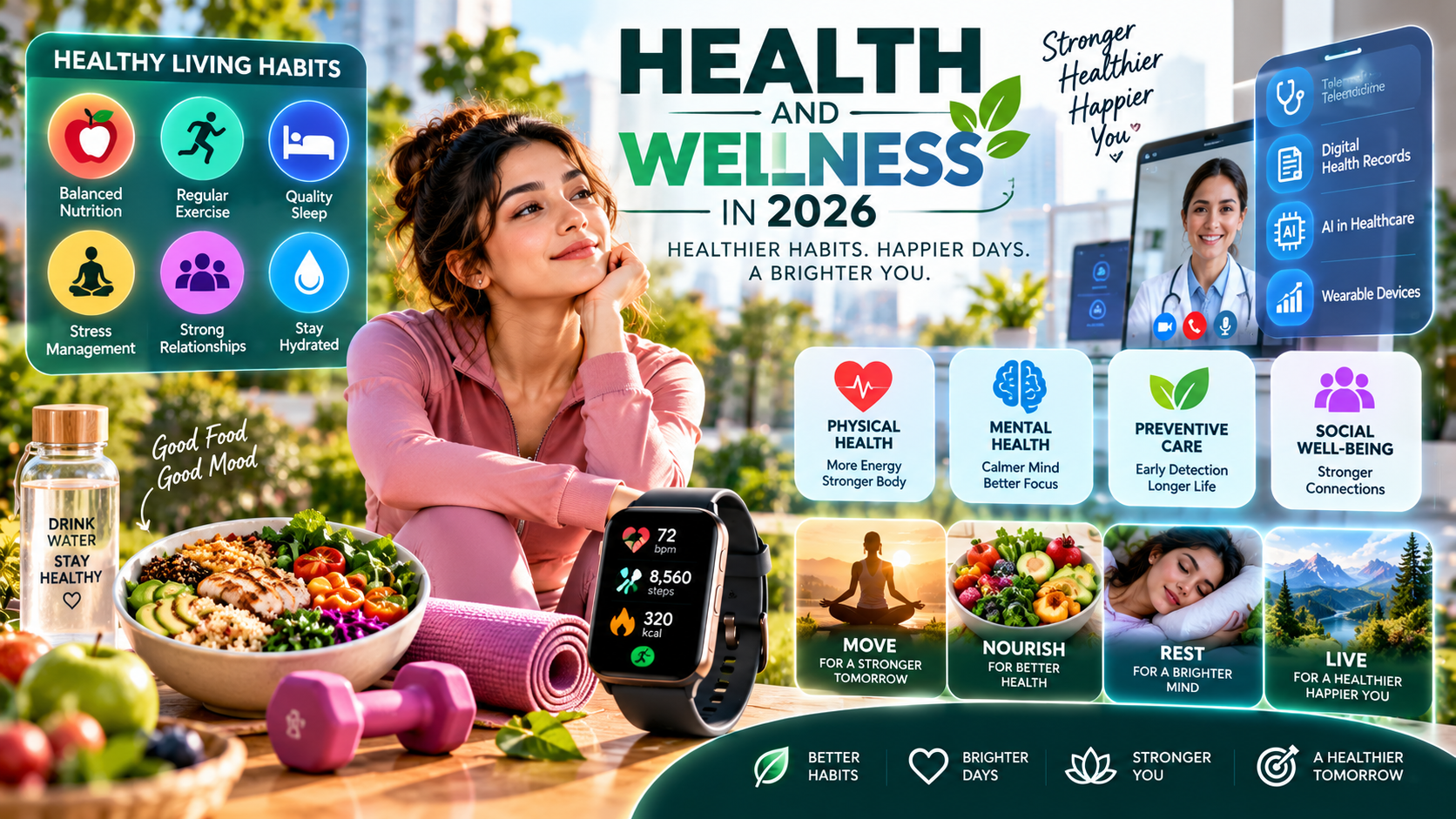
Health is one of the most important foundations of a fulfilling life. Maintaining good health supports physical strength, mental well-being, daily productivity, and long-term quality of life. In today's fast-paced world, people are increasingly interested in healthy eating, physical activity, preventive healthcare, mental wellness, and technologies that make healthcare more accessible.
Health is more than the absence of illness. It includes physical, mental, and social well-being, along with the ability to manage everyday responsibilities and adapt to life's challenges.
In 2026, healthcare continues to evolve through digital health services, artificial intelligence, wearable devices, personalized care, and preventive health strategies. At the same time, basic habits such as eating a balanced diet, getting adequate sleep, staying active, and attending appropriate medical checkups remain essential.
This guide explores the importance of health and wellness, practical ways to build healthier habits, modern healthcare developments, and strategies for maintaining well-being over time.
What Is Health?
Health refers to a person's physical, mental, and social well-being. It involves how the body functions, how a person manages emotions and stress, and how effectively they participate in everyday life.
Several interconnected factors influence health, including genetics, nutrition, physical activity, sleep, living conditions, access to healthcare, social relationships, and environmental exposures.
Health needs also change throughout life. Children require appropriate nutrition and development support, adults may focus on maintaining fitness and preventing chronic conditions, and older adults may need additional support for mobility, medication management, and independence.
Understanding these factors can help people make informed decisions about their well-being and seek medical advice when necessary.
The Main Dimensions of Health and Wellness
1. Physical Health
Physical health relates to the body's ability to function effectively. It is influenced by nutrition, exercise, sleep, preventive care, and the management of medical conditions.
Regular movement, balanced meals, adequate rest, and appropriate medical care can support physical well-being.
2. Mental Health
Mental health includes emotional well-being, the ability to manage stress, and the capacity to cope with everyday challenges.
Helpful habits may include maintaining supportive relationships, taking breaks, engaging in enjoyable activities, and seeking professional support when emotional difficulties persist.
Mental health is an essential part of overall health and deserves the same attention and care as physical well-being.
3. Social Health
Social health involves relationships, communication, and a sense of connection with other people.
Supportive friendships, family relationships, community involvement, and healthy boundaries can contribute to well-being.
4. Preventive Health
Preventive health focuses on reducing health risks and identifying potential problems before they become more serious.
Depending on a person's age, medical history, and individual risk factors, preventive care may include vaccinations, routine checkups, dental visits, screening tests, and health education.
Healthy Eating: Building a Balanced Diet
Nutrition plays an important role in maintaining energy, supporting growth, and helping the body function properly.
A balanced diet provides a variety of nutrients, including carbohydrates, protein, healthy fats, vitamins, minerals, and fiber.
Include a Variety of Foods
A healthy eating pattern can include:
Fruits and vegetables in different colors.
Whole grains, such as oats, whole-wheat bread, and brown rice.
Protein sources, including beans, lentils, eggs, fish, and suitable lean meats.
Dairy products or fortified alternatives, depending on dietary needs.
Healthy fats from foods such as nuts, seeds, olive oil, and avocados.
Water and other suitable unsweetened beverages.
The best dietary pattern depends on individual needs, cultural preferences, food availability, and medical considerations.
Reduce Excess Added Sugar and Salt
Frequently consuming large amounts of added sugar and sodium can contribute to health risks.
People can make practical changes by choosing water instead of sugary drinks more often, checking food labels, and limiting highly salted processed foods.
These changes do not require eliminating every favorite food. Sustainable eating habits are generally more practical than extreme dietary restrictions.
Maintain Healthy Eating Habits
Eating regular, balanced meals and paying attention to hunger and fullness can help support a healthy relationship with food.
Strict diets, unnecessary supplements, and unverified nutritional claims should be approached cautiously. People with specific medical conditions or nutritional deficiencies may benefit from individualized guidance from a qualified healthcare professional.
Physical Activity and Exercise
Regular physical activity supports cardiovascular health, muscle strength, mobility, and overall well-being.
Exercise can also help improve mood, support sleep, and reduce the risk of several chronic diseases.
Types of Physical Activity
Aerobic exercise: Activities such as brisk walking, cycling, swimming, and dancing can improve cardiovascular fitness.
Strength training: Resistance exercises help maintain muscle strength and physical function.
Flexibility exercises: Gentle stretching can help maintain comfortable movement.
Balance exercises: Appropriate balance activities can improve stability, particularly for older adults.
How Much Exercise Is Recommended?
For most adults, the World Health Organization recommends at least 150–300 minutes of moderate-intensity aerobic activity each week, or 75–150 minutes of vigorous-intensity activity, or an equivalent combination.
Adults should also perform muscle-strengthening activities involving major muscle groups on at least two days per week, when appropriate for their health and abilities.
People who are currently inactive can begin with short periods of movement and gradually increase their activity. Anyone with significant medical limitations or concerning symptoms should seek appropriate medical guidance before starting strenuous exercise.
Reduce Prolonged Sitting
Long periods of sitting can be broken up with brief movement breaks. Standing, walking, stretching, or moving around between tasks can help make daily routines more active.
Small, consistent changes can be more sustainable than an unrealistic exercise schedule.
The Importance of Quality Sleep
Sleep supports physical recovery, memory, concentration, emotional regulation, and many normal biological processes.
Insufficient or disrupted sleep can affect daily functioning and may contribute to long-term health risks.
How Much Sleep Do Adults Need?
Most adults generally need at least seven hours of sleep per night, although individual requirements vary.
Teenagers and children usually need more sleep than adults.
Tips for Better Sleep
Maintain a reasonably consistent sleep and wake schedule.
Create a quiet, dark, and comfortable sleeping environment.
Reduce caffeine intake later in the day if it affects sleep.
Develop a relaxing bedtime routine.
Limit stimulating activities immediately before bedtime.
Get regular physical activity during the day.
Persistent insomnia, loud snoring accompanied by breathing pauses, or excessive daytime sleepiness may warrant medical evaluation.
Mental Health and Stress Management
Mental well-being influences how people think, feel, communicate, and respond to challenges.
Stress is a normal response to demanding situations, but prolonged or overwhelming stress can affect sleep, concentration, relationships, and physical health.
Recognize Sources of Stress
Common sources include work demands, financial concerns, relationship difficulties, academic pressure, and uncertainty about the future.
Recognizing these pressures can help people identify practical changes and determine when additional support may be useful.
Develop Healthy Coping Strategies
Helpful approaches include:
Taking regular breaks during demanding tasks.
Maintaining supportive relationships.
Practicing relaxation or mindfulness techniques.
Spending time outdoors when possible.
Maintaining regular sleep and exercise routines.
Breaking difficult tasks into manageable steps.
These strategies may support well-being, but they are not substitutes for professional care when symptoms are severe or persistent.
Seek Professional Support When Needed
If anxiety, low mood, or other emotional difficulties interfere with everyday life, a qualified mental health professional can help assess the situation and discuss appropriate treatment options.
Seeking support is a constructive step toward better health.
Preventive Healthcare and Regular Checkups
Preventive healthcare helps people understand their health risks and identify certain conditions early.
The appropriate checkups and screening tests depend on factors such as age, sex, family history, lifestyle, symptoms, and existing medical conditions.
Routine Health Assessments
A healthcare professional may recommend checking blood pressure, reviewing medications, assessing lifestyle factors, or arranging laboratory tests when clinically appropriate.
Not every person needs every available test. Unnecessary testing can produce misleading results or lead to avoidable follow-up procedures.
Vaccinations
Vaccinations help protect against selected infectious diseases. Recommended vaccines vary by age, medical history, occupation, travel plans, and local public health guidance.
People should consult an appropriate healthcare professional or public health authority for vaccination recommendations relevant to their circumstances.
Dental and Eye Care
Regular dental care supports oral health, while eye examinations can help identify vision problems and certain eye conditions.
The frequency of visits depends on individual needs and professional recommendations.
Know Your Family History
A family history of conditions such as diabetes, cardiovascular disease, or certain cancers may influence screening and preventive care decisions.
Sharing relevant family history with a healthcare professional can help guide individualized recommendations.
The Role of Hydration in Health
Water is essential for regulating body temperature, supporting circulation, transporting nutrients, and maintaining normal bodily functions.
Fluid requirements vary according to activity level, climate, diet, pregnancy, medical conditions, and other individual factors.
Practical Hydration Tips
Drink water regularly throughout the day.
Increase fluid intake when heat or exercise increases fluid losses.
Include water-rich foods such as fruits and vegetables.
Pay attention to thirst and other signs of dehydration.
Follow medical advice if a condition requires fluid restriction.
There is no single water intake target that is appropriate for everyone. People with certain heart, kidney, or other medical conditions may need individualized fluid guidance.
Modern Healthcare and Digital Health Technology
Technology is changing how healthcare information is collected, analyzed, and shared.
Digital health tools can improve convenience and support communication between patients and healthcare professionals, although their accuracy and usefulness vary.
Telemedicine
Telemedicine allows patients to consult healthcare professionals remotely through video calls, phone calls, or digital messaging.
It can be useful for selected follow-up visits, general consultations, and discussions about ongoing care. However, some conditions require an in-person examination, laboratory testing, or urgent treatment.
Wearable Health Devices
Smartwatches and fitness trackers can record information such as physical activity, heart rate, sleep estimates, and selected physiological measurements.
These devices may help users notice patterns in their routines, but readings are not always precise and should not be treated as definitive medical diagnoses.
Electronic Health Records
Electronic health records allow authorized healthcare professionals to access and manage patient information digitally.
When implemented appropriately, they can support coordination of care, reduce some administrative burdens, and improve access to relevant medical history.
Artificial Intelligence in Healthcare
Artificial intelligence is being used in areas such as medical image analysis, administrative automation, clinical research, and decision-support systems.
AI tools may help healthcare professionals identify patterns and process information, but their performance depends on data quality, appropriate validation, and the clinical context.
AI-generated medical information should not replace professional assessment or emergency care.
Common Lifestyle-Related Health Risks
Certain lifestyle factors can increase the risk of developing chronic conditions. Understanding these risks can help people make informed decisions.
Physical Inactivity
Insufficient movement can contribute to poorer cardiovascular fitness, reduced muscle strength, and increased risk of some chronic diseases.
Regular physical activity, adapted to individual abilities, can help address these risks.
Tobacco Use
Smoking and other forms of tobacco use can damage multiple organs and increase the risk of serious diseases.
Stopping tobacco use can provide health benefits, and qualified healthcare professionals can help people identify effective cessation support.
Excessive Alcohol Consumption
Alcohol can contribute to several health risks, with harm generally increasing as consumption rises. Avoiding alcohol eliminates alcohol-related risks.
Poor Sleep Habits
Insufficient sleep and untreated sleep disorders can affect concentration, mood, and physical health.
Consistent routines and medical assessment when appropriate can help address sleep problems.
Chronic Stress
Ongoing stress can affect daily functioning and may contribute to unhealthy coping behaviors.
Supportive relationships, manageable routines, and professional assistance can help people respond more effectively.
How to Build a Sustainable Healthy Lifestyle
Healthy living does not require changing every habit at once. Gradual improvements are often easier to maintain.
1. Set Realistic Goals
Choose a specific, achievable goal, such as walking for 15 minutes, adding vegetables to a meal, or establishing a consistent bedtime.
2. Build Consistent Routines
Regular meal times, planned activity, and a stable sleep schedule can make healthy habits easier to maintain.
3. Track Progress Without Obsession
A simple record of physical activity, sleep, or personal goals can help identify patterns. Measurements should support well-being rather than create unnecessary anxiety.
4. Make Your Environment Supportive
Keep water accessible, prepare balanced meals when possible, schedule movement breaks, and make time for rest.
5. Avoid Unverified Health Claims
Be cautious of products promising rapid weight loss, instant detoxification, guaranteed skin whitening, or cures for serious illnesses.
Supplements and wellness products can have side effects or interact with medications. Professional advice is especially important when treating a medical condition.
6. Seek Appropriate Medical Advice
Regular preventive care and timely assessment of concerning symptoms can help people make better decisions about their health.
A healthy lifestyle supports medical care; it does not replace necessary diagnosis or treatment.
Health and Wellness Trends in 2026
Several developments are influencing how people approach personal health and healthcare services.
Personalized Healthcare
Healthcare professionals increasingly use individual risk factors, medical history, and other relevant information to guide care.
Personalized approaches can help make prevention and treatment more appropriate, although their availability varies.
Preventive Health Awareness
More attention is being given to early risk identification, physical activity, nutrition, sleep, and regular health assessments.
Preventive strategies are most effective when tailored to individual needs and supported by reliable evidence.
Digital Health Platforms
Online appointment systems, patient portals, and telemedicine services are making selected healthcare services more accessible.
Users should check privacy protections, professional credentials, and whether a service is appropriate for their medical needs.
AI-Assisted Healthcare
AI is being explored for administrative tasks, clinical support, research, and analysis of medical information.
Responsible use requires privacy safeguards, validation, transparency, and appropriate human oversight.
Mental Wellness
Mental health awareness, access to counseling, and discussions about stress management are increasingly important parts of broader wellness efforts.
Wearables and Health Monitoring
Connected devices offer ways to track activity and selected health measurements. Their results are most useful when interpreted with an understanding of their limitations.
Conclusion
Health and wellness depend on a combination of physical activity, balanced nutrition, quality sleep, mental well-being, preventive care, and supportive daily habits.
Modern healthcare technologies can improve access to information and services, while digital tools may help people understand aspects of their routines. However, reliable medical guidance, privacy, and appropriate professional care remain essential.
The most effective approach to healthy living is realistic and sustainable. By making gradual improvements, avoiding unverified health claims, and seeking medical advice when needed, individuals can take meaningful steps toward supporting their long-term well-being.
Frequently Asked Questions About Health
1. What does health and wellness mean?
Health and wellness involve physical, mental, and social well-being. They include maintaining healthy habits, managing stress, preventing illness where possible, and accessing appropriate healthcare.
2. What are the most important habits for good health?
Important habits include eating a balanced diet, engaging in regular physical activity, getting enough sleep, staying appropriately hydrated, avoiding tobacco, and attending recommended preventive healthcare visits.
3. How much exercise should adults get each week?
Most adults should aim for 150–300 minutes of moderate-intensity aerobic activity or 75–150 minutes of vigorous-intensity activity weekly, along with muscle-strengthening activities on at least two days, as appropriate for their health.
4. How many hours of sleep do adults need?
Most adults need at least seven hours of sleep each night. Individual requirements vary, and persistent sleep problems may require professional evaluation.
5. Why is preventive healthcare important?
Preventive healthcare can help identify certain risks and conditions early, support vaccination, and guide health decisions based on individual circumstances.
6. How does nutrition affect overall health?
A balanced diet provides the nutrients needed for normal bodily functions, supports energy and growth, and can help reduce the risk of certain chronic diseases.
7. Can technology improve healthcare?
Digital health tools can support remote consultations, medical record management, monitoring, and selected clinical tasks. Their effectiveness depends on the technology, implementation, and appropriate professional oversight.
8. What is the role of mental health in overall wellness?
Mental health affects emotions, thinking, relationships, and daily functioning. Supportive relationships, healthy coping strategies, and professional care when needed can contribute to well-being.
9. Are wearable health devices accurate?
Accuracy varies by device, measurement, and circumstances. Wearables can help track general patterns but should not replace medical evaluation or be relied upon alone for diagnosing a condition.
10. How can someone start living a healthier life?
Begin with small, realistic changes, such as walking regularly, improving meal balance, maintaining a sleep routine, and scheduling appropriate health checkups. Gradual changes are often easier to sustain than extreme lifestyle plans.