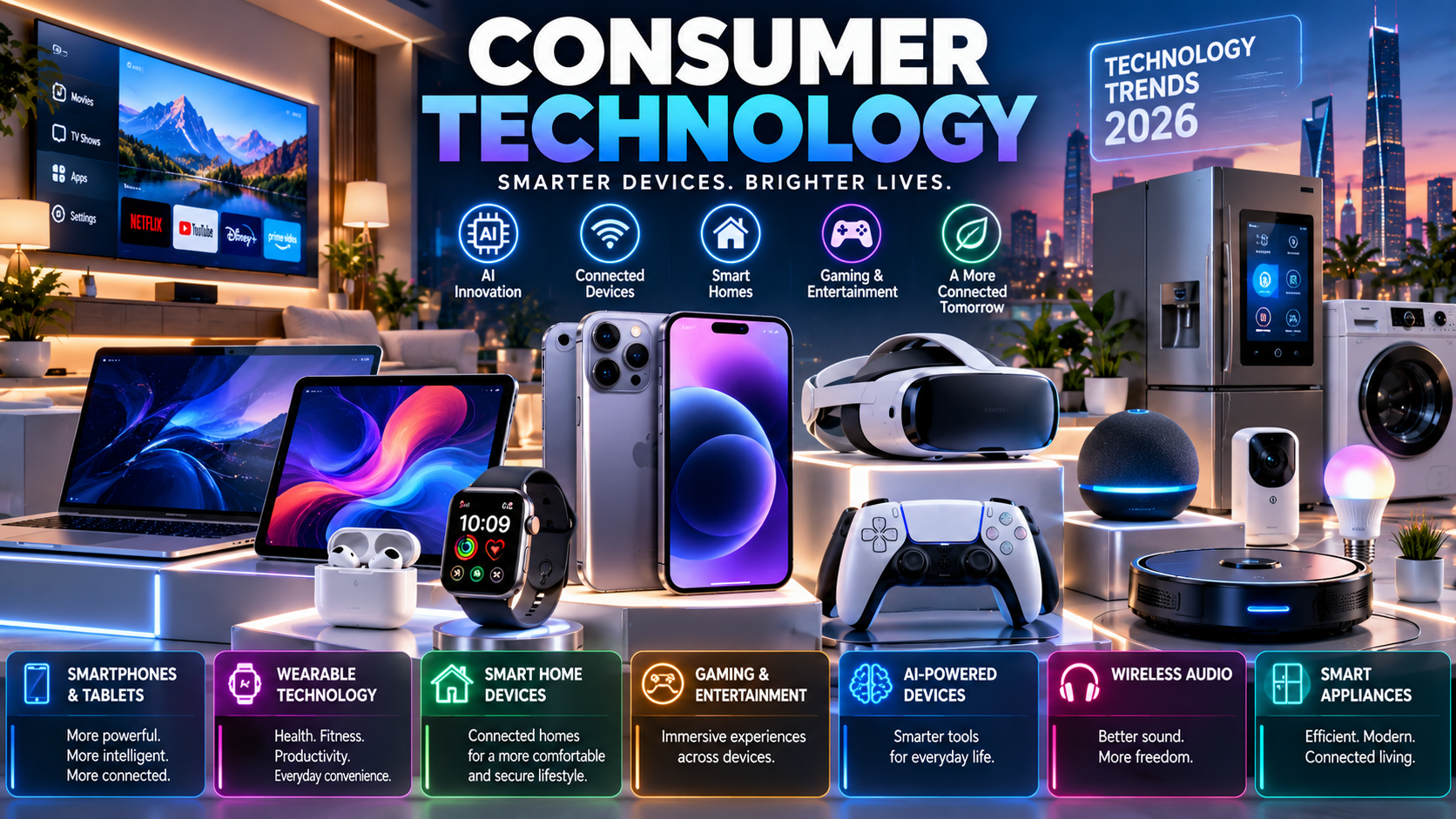
Consumer technology has become an essential part of everyday life, transforming how people communicate, work, learn, shop, travel, and entertain themselves. From smartphones and smart televisions to wearable devices, artificial intelligence, and connected home appliances, modern technology continues to make digital experiences more convenient and personalized.
Consumer technology refers to electronic devices, software, applications, and digital services designed primarily for individual users and households. These products help people perform everyday tasks, access information, manage their health and fitness activities, and stay connected with others.
In 2026, consumer technology is evolving through advances in artificial intelligence, smart home automation, wearable technology, immersive entertainment, and connected devices. Manufacturers are increasingly focusing on intelligent features, improved performance, energy efficiency, and seamless integration between products.
Understanding these developments can help consumers make informed purchasing decisions and allow businesses to identify opportunities in the growing digital marketplace.
What Is Consumer Technology?
Consumer technology includes the electronic products and digital services people use in their personal lives. Unlike enterprise technology, which primarily supports organizational operations, consumer technology focuses on individual needs, convenience, entertainment, communication, and productivity.
Common examples include:
Smartphones and tablets.
Laptops and personal computers.
Smartwatches and fitness trackers.
Wireless earbuds and headphones.
Smart televisions and streaming devices.
Smart home appliances and security cameras.
Gaming consoles and virtual reality headsets.
Digital assistants and AI-powered applications.
Portable chargers and wireless accessories.
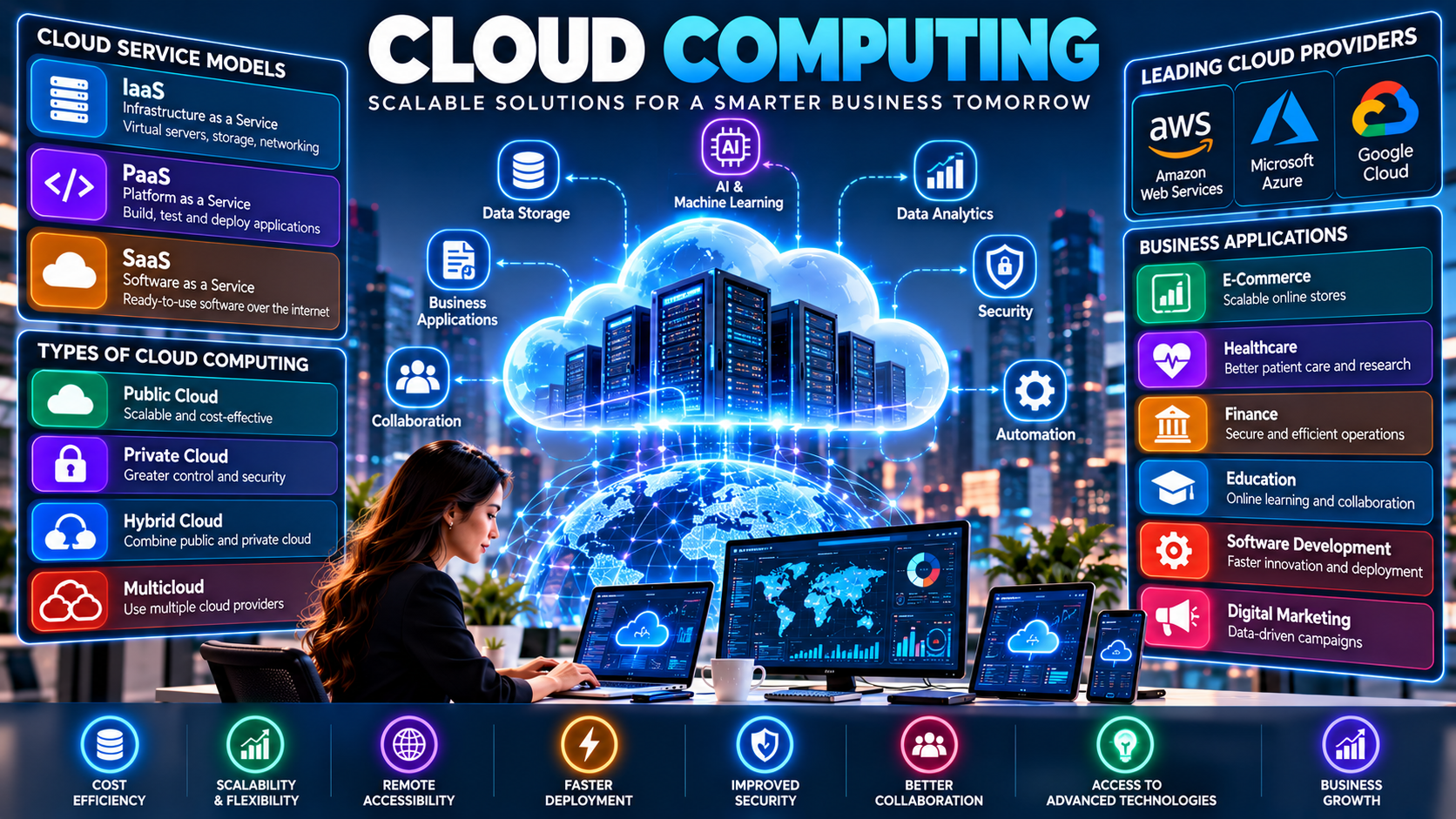
These technologies increasingly connect through cloud platforms, wireless networks, mobile applications, and artificial intelligence systems.
For example, a person can use a smartphone to control home lighting, monitor fitness activity through a smartwatch, stream entertainment on a smart television, and use an AI assistant to organize daily tasks.
This connected ecosystem is changing how consumers interact with technology and manage their everyday routines.
Major Consumer Technology Trends in 2026
Several technology trends are influencing product development, consumer preferences, and the digital marketplace.
1. Artificial Intelligence in Consumer Devices
Artificial intelligence is becoming an important feature of smartphones, computers, smart speakers, and digital applications.
AI-powered features can help users summarize information, edit photographs, translate languages, organize schedules, improve voice interactions, and search for content more efficiently.
Modern devices may also include on-device AI processing, allowing certain tasks to run locally rather than sending all information to remote servers. The available capabilities depend on the device, software, and hardware.
AI features can improve convenience, but consumers should consider privacy settings, accuracy, battery consumption, and whether a feature genuinely meets their needs.
2. Smartphones With Advanced Features
Smartphones remain one of the most important categories in consumer technology. Manufacturers continue to improve camera systems, displays, battery efficiency, processing performance, and device durability.
Other developments include foldable displays, satellite communication features on selected models, faster connectivity, and integrated AI tools.
When choosing a smartphone, consumers should consider battery life, camera performance, software support, storage capacity, repairability, and overall value rather than focusing only on processor specifications or marketing claims.
3. Wearable Technology and Smartwatches
Wearable devices allow users to access notifications, monitor activity, track workouts, and manage selected health-related measurements.
Smartwatches and fitness trackers commonly offer features such as step counting, heart-rate monitoring, sleep estimates, workout tracking, and smartphone integration.
More advanced features vary by model and may require compatible software or subscriptions. Health-related measurements should be interpreted according to the manufacturer's guidance and are not necessarily substitutes for medical evaluation.
Wearable technology continues to develop as manufacturers work to improve comfort, battery life, sensor accuracy, and integration with other devices.
4. Smart Home Technology
Smart home products allow users to control and automate household functions through mobile applications, voice assistants, sensors, and connected networks.
Popular examples include smart lights, thermostats, doorbells, security cameras, plugs, locks, and appliances.
A connected home can provide convenience by allowing residents to schedule lighting, monitor selected devices remotely, or receive alerts about activity.
However, smart home products should be selected with attention to device compatibility, cybersecurity, software updates, data collection, and long-term manufacturer support.
5. Consumer Technology and 5G Connectivity
Fifth-generation mobile networks, commonly known as 5G, can support higher data speeds and lower latency under suitable network conditions.
For consumers, this can improve mobile streaming, video calls, online gaming, and access to cloud-based applications.
Actual performance depends on network coverage, device compatibility, congestion, signal strength, and the service plan. Not every location or device will experience the same benefits.
As connectivity improves, more consumer devices can exchange information and support connected experiences.
6. Gaming Technology and Immersive Entertainment
Gaming continues to influence consumer hardware and digital entertainment. Modern gaming systems combine powerful processors, high-resolution displays, online multiplayer services, and increasingly sophisticated graphics.
Virtual reality and mixed reality devices provide additional ways to interact with digital environments, although their value depends on available content, comfort, price, and intended use.
Cloud gaming also allows users to stream selected games from remote servers, reducing the need for powerful local hardware in supported situations.
Gaming technology is expanding beyond entertainment into areas such as virtual collaboration, interactive learning, and simulation.
7. Wireless Audio and Personal Accessories
Wireless earbuds, headphones, portable speakers, and other audio products have become common consumer technology purchases.
Features such as active noise cancellation, improved microphones, spatial audio, multipoint connectivity, and longer battery life can enhance everyday listening.
Consumers should compare comfort, sound quality, durability, device compatibility, repair options, and battery performance before purchasing audio accessories.
8. Energy-Efficient Consumer Electronics
Energy efficiency is becoming an important consideration as consumers look to reduce electricity consumption and operating costs.
Manufacturers are improving power management in displays, computers, appliances, chargers, and other electronic products.
Consumers can also extend device usefulness by selecting durable products, repairing equipment when practical, using efficient charging practices, and recycling electronics through suitable collection programs.
Popular Categories of Consumer Technology
Consumer technology covers a broad range of product categories, each serving different needs.
Smartphones and Tablets
Smartphones and tablets support communication, photography, navigation, entertainment, online shopping, education, and productivity.
Important purchasing considerations include software updates, battery life, display quality, processing performance, storage, camera capabilities, and repairability.
Laptops and Personal Computers
Laptops and desktop computers are used for education, remote work, gaming, creative projects, software development, and everyday computing.
Students may prioritize portability and battery life, while content creators may need stronger graphics performance, memory, and high-quality displays.
Smart TVs and Streaming Devices
Smart televisions combine internet connectivity with streaming applications, digital entertainment, and other interactive features.
Display resolution, brightness, contrast, operating system support, connectivity, and audio quality can affect the viewing experience.
Consumers should also consider how long the manufacturer is likely to support the device's software.
Wearable Devices
Smartwatches and fitness trackers provide convenient access to notifications, activity information, and selected health-related measurements.
Compatibility with a user's smartphone and the availability of desired features are important when comparing devices.
Smart Home Appliances
Connected appliances can provide remote controls, automated schedules, and monitoring features.
Before buying, consumers should check whether products work with their existing ecosystem and whether essential functions remain available without an internet connection.
How Consumer Technology Is Changing Daily Life
Consumer technology influences many aspects of everyday living.
Communication and Social Connection
Messaging applications, video calls, social networks, and connected devices help people communicate across distances.
These tools make it easier to maintain relationships, collaborate, and share information, although excessive screen time can affect productivity and personal routines.
Education and Learning
Digital learning platforms, educational applications, online courses, and AI-assisted tools provide access to learning resources.
Students can use consumer devices to research topics, attend virtual classes, practice skills, and collaborate on assignments.
Information generated by AI tools should still be checked for accuracy, especially when used for academic work.
Entertainment
Streaming services, gaming platforms, digital music, and online video provide access to entertainment across many devices.
Personalized recommendations can help users discover content, but consumers should understand subscription fees, privacy settings, and automatic renewal terms.
Health and Fitness
Wearables and mobile applications can help users monitor physical activity, record workouts, and maintain personal routines.
The reliability and usefulness of these tools vary, and users should not rely on consumer devices alone for diagnosing medical conditions.
Shopping and Digital Payments
Mobile shopping applications, digital wallets, and online payment services make transactions more convenient.
Consumers should protect their accounts, use trusted payment services, enable security features, and verify sellers before making purchases.
Benefits of Consumer Technology
Consumer technology offers several advantages when products are selected and used appropriately.
Greater convenience: Connected devices can simplify daily tasks, communication, and household management.
Improved productivity: Smartphones, laptops, and digital applications help users organize schedules, manage documents, and complete work.
Better connectivity: Wireless networks and mobile applications support communication across locations.
Access to information: Digital devices provide access to educational resources, news, entertainment, and online services.
Personalized experiences: AI systems and software settings can adapt certain features to individual preferences.
Support for fitness goals: Wearable devices can help users monitor activity and track progress toward personal goals.
More entertainment choices: Streaming, gaming, digital music, and online content offer a wide range of experiences.
These benefits depend on product quality, usability, affordability, connectivity, and responsible use.
Challenges and Risks of Consumer Technology
Despite its advantages, consumer technology also creates challenges that buyers should understand.
Privacy and Personal Data
Smartphones, applications, wearables, and connected home devices may collect personal information.
Consumers should review privacy settings, understand app permissions, limit unnecessary data collection, and choose products with clear privacy policies.
Cybersecurity Threats
Weak passwords, phishing messages, outdated software, and insecure devices can expose users to digital risks.
Using multifactor authentication, installing updates, securing home networks, and downloading applications from trusted sources can reduce some of these risks.
Electronic Waste
Rapid product replacement contributes to electronic waste. Batteries, circuit boards, and other components require appropriate handling and recycling.
Choosing durable devices, repairing products when feasible, and using authorized recycling programs can help reduce environmental impact.
High Purchase and Subscription Costs
Advanced devices may be expensive, and some features require recurring subscriptions.
Consumers should compare the total cost of ownership, including accessories, repairs, service plans, and software subscriptions.
Digital Distraction
Constant notifications and prolonged screen time can interrupt work, sleep, and personal interactions.
Notification controls, screen-time limits, and intentional technology use can help users maintain a healthier balance.
Compatibility and Software Support
Some products work only within particular ecosystems or may lose support over time.
Before purchasing, consumers should check compatibility, update policies, warranty coverage, and availability of replacement parts.
How to Choose the Right Consumer Technology
Choosing a suitable device requires balancing features, price, reliability, and personal requirements.
1. Identify Your Needs
Determine what you want the device to accomplish. A student, professional, gamer, and casual user may require very different features.
2. Set a Realistic Budget
Consider the purchase price alongside accessories, subscriptions, repairs, and potential replacement costs.
3. Compare Specifications
Review practical factors such as battery life, display quality, processing performance, storage, connectivity, and durability.
4. Check Compatibility
Confirm that the device works with your current smartphone, computer, operating system, smart home products, or preferred applications.
5. Research Software Support
Security updates and operating system support can affect the useful life of a product.
6. Read Independent Reviews
Compare credible reviews, long-term user experiences, warranty conditions, and known product limitations.
7. Consider Privacy and Security
Look for clear privacy controls, regular updates, secure authentication, and transparent data-handling practices.
8. Evaluate Long-Term Value
A slightly more expensive device may provide better value if it is more durable, easier to repair, and supported for longer.
The best consumer technology is not necessarily the most expensive or advanced product. It is the product that reliably meets your needs at a reasonable overall cost.
The Future of Consumer Technology
Consumer technology is likely to continue evolving through improvements in AI, connectivity, computing, and device integration.
More Personalized AI Experiences
AI assistants may become more capable of helping users organize information, manage everyday tasks, and interact with applications.
The development of these features will depend on model quality, privacy safeguards, device performance, and user control.
Connected Device Ecosystems
Smartphones, wearables, vehicles, appliances, and home systems are increasingly designed to work together.
Improved compatibility standards could make it easier for consumers to connect products from different manufacturers.
More Advanced Wearables
Wearable devices may continue improving their sensors, battery efficiency, and activity tracking capabilities. New features will need to demonstrate reliable performance and meaningful benefits.
Immersive Digital Experiences
Virtual reality, augmented reality, and mixed reality technologies may create new opportunities in entertainment, education, shopping, and communication.
Wider adoption will depend on affordability, comfort, battery life, useful applications, and privacy.
Improved Device Efficiency
Manufacturers are likely to continue working on more efficient processors, displays, batteries, and power management systems.
Longer-lasting products and better repairability may also become more important purchasing considerations.
Stronger Consumer Privacy Controls
As connected products collect more information, consumers and regulators are placing greater emphasis on transparency, consent, data protection, and security.
Companies that make privacy and security easier to understand may earn greater consumer trust.
Conclusion
Consumer technology continues to reshape modern life by connecting people, improving productivity, supporting entertainment, and making digital services more accessible.
From AI-powered smartphones and wearable devices to smart home systems, gaming products, and connected appliances, the industry offers a growing range of tools for personal and professional use.
However, choosing the right technology requires more than following the latest trends. Consumers should evaluate product quality, compatibility, privacy, security, software support, and long-term costs.
As AI and connected devices continue to advance, consumer technology will likely become more integrated into everyday routines. The most valuable innovations will be those that solve genuine problems, respect user privacy, remain accessible, and provide reliable benefits over time.
Frequently Asked Questions About Consumer Technology
1. What is consumer technology?
Consumer technology refers to electronic devices, software, and digital services designed primarily for personal use. Examples include smartphones, laptops, smartwatches, televisions, gaming systems, and smart home devices.
2. What are the latest consumer technology trends in 2026?
Major trends include AI-powered devices, smart home automation, wearable technology, connected ecosystems, immersive entertainment, improved connectivity, and energy-efficient electronics.
3. Why is consumer technology important?
Consumer technology supports communication, education, entertainment, productivity, online shopping, and access to digital services.
4. What is an example of consumer technology?
A smartphone is a common example because it combines communication, photography, navigation, entertainment, mobile payments, and access to applications.
5. How is AI changing consumer technology?
AI is being integrated into smartphones, computers, digital assistants, cameras, and applications to support tasks such as summarization, translation, image editing, search, and automation.
6. What should consumers consider before buying a device?
Consumers should compare price, performance, battery life, durability, compatibility, software support, privacy controls, warranty terms, and repair options.
7. Is smart home technology safe?
Smart home technology can be used more safely when devices receive regular updates, use strong authentication, have appropriate privacy settings, and connect through a secure home network.
8. What are the disadvantages of consumer technology?
Potential disadvantages include privacy risks, cybersecurity threats, electronic waste, subscription costs, digital distraction, and compatibility problems.
9. How does consumer technology support education?
Digital devices enable online learning, virtual classrooms, educational applications, digital research, collaboration, and access to learning resources.
10. What is the future of consumer technology?
Future developments may include more capable AI assistants, connected devices, improved wearables, immersive experiences, better energy efficiency, and stronger privacy controls.