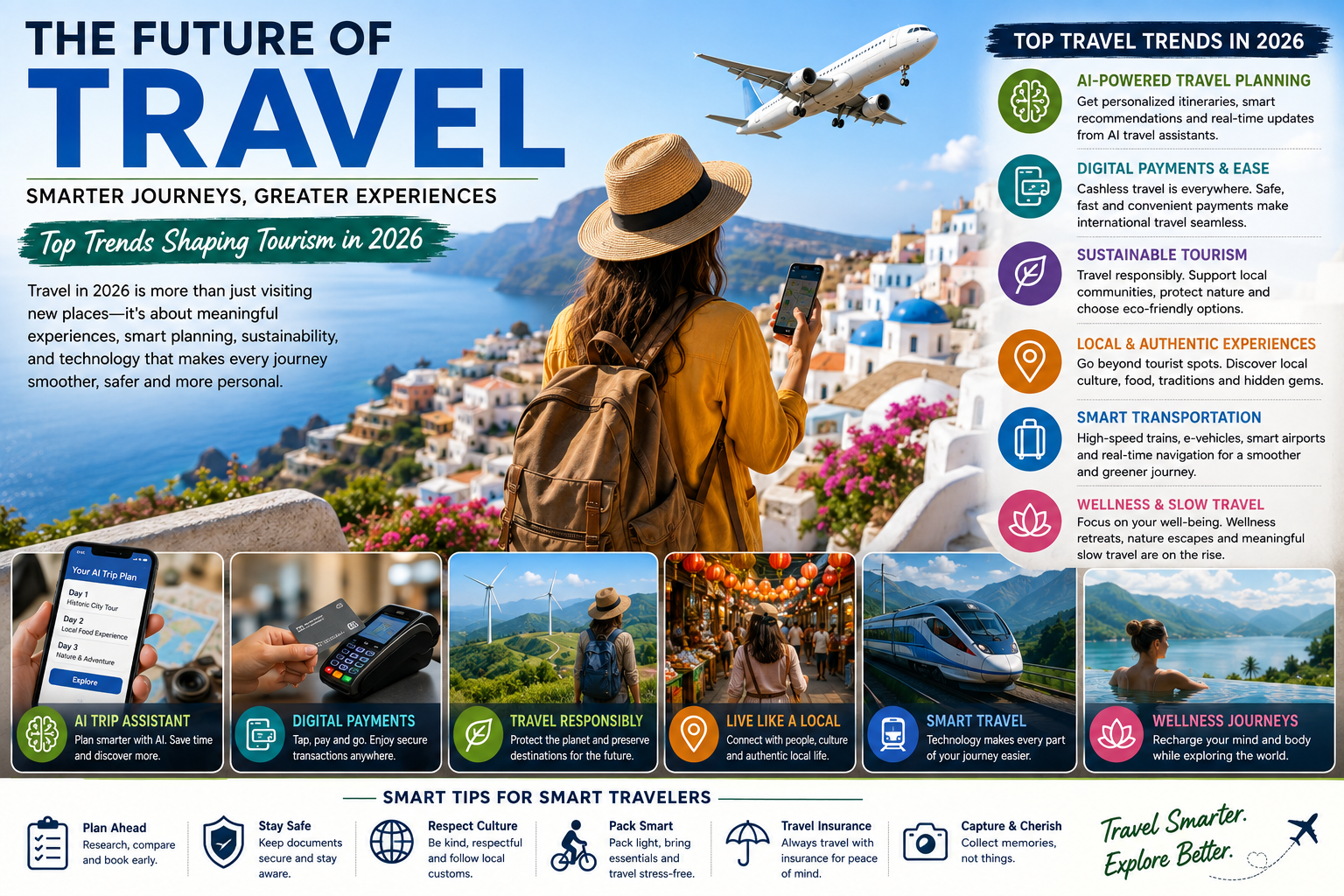
Travel is changing faster than ever. Advances in artificial intelligence, digital payments, smart transportation, sustainable tourism, and personalized experiences are transforming how people discover destinations and plan their journeys.
In 2026, travelers are no longer simply searching for the cheapest flight or the most popular hotel. They are looking for meaningful experiences, greater convenience, better safety, flexibility, and responsible ways to explore the world.
From AI-generated itineraries to eco-friendly accommodations and immersive local experiences, the modern travel industry is becoming increasingly connected and personalized.
AI Is Changing the Way People Plan Trips
Artificial intelligence has become one of the biggest developments in modern travel.
Travelers can use AI-powered tools to research destinations, compare options, organize itineraries, and discover activities based on their interests.
Instead of spending hours searching through different websites, travelers can describe what they want from a trip and receive personalized suggestions.
For example, a traveler interested in history, food, beaches, and photography could receive an itinerary combining museums, local restaurants, scenic locations, and cultural attractions.
AI can also help travelers adjust plans when circumstances change. If bad weather affects an outdoor activity, an AI travel assistant could suggest indoor alternatives.
However, travelers should still verify important information such as visa requirements, opening hours, transportation schedules, and cancellation policies before making decisions.
Personalized Travel Experiences
Travelers increasingly want trips that reflect their individual interests.
Traditional tourism often focused on famous attractions and standard sightseeing packages. Modern travelers are more interested in personalized experiences.
These can include:
Local cooking classes
Cultural workshops
Adventure activities
Wellness retreats
Nature experiences
Historical tours
Local markets
Photography trips
Travel companies are using customer preferences and data to provide more relevant recommendations.
This personalization can make travel planning easier while helping visitors discover experiences they might otherwise overlook.
Sustainable Tourism Is Becoming More Important
Sustainability is becoming a major consideration for travelers and tourism businesses.
Popular destinations can experience pressure from large visitor numbers, including increased waste, traffic, water consumption, and environmental damage.
Responsible tourism focuses on reducing these impacts while ensuring that local communities benefit from tourism.
Travelers can contribute by:
Supporting local businesses
Choosing responsible accommodations
Reducing unnecessary waste
Using public transportation
Respecting wildlife
Avoiding damage to natural areas
Traveling during less crowded periods
Sustainable tourism does not mean travelers have to sacrifice comfort. It means making decisions that reduce unnecessary environmental and social impacts.
The Rise of Local and Authentic Travel
Many travelers are moving beyond traditional tourist attractions and looking for authentic experiences.
Instead of visiting only famous landmarks, tourists may want to experience everyday life in the destination.
Eating at a family-owned restaurant, exploring a local market, learning traditional crafts, or joining a community-based tour can provide a deeper understanding of a place.
Local experiences also help distribute tourism revenue among smaller businesses and communities.
This can make tourism more beneficial for residents rather than concentrating spending only among large international companies.
Digital Payments Are Simplifying International Travel
Digital payment systems have made international travel more convenient.
Mobile wallets, contactless cards, banking apps, and digital payment platforms allow travelers to pay for hotels, transportation, restaurants, and shopping without carrying large amounts of cash.
Digital payments can also make it easier to track spending.
However, travelers should always have a backup payment method. Internet outages, card restrictions, technical problems, or businesses that accept only cash can create unexpected difficulties.
Keeping some local currency available remains a practical precaution in many destinations.
Smart Airports and Transportation
Technology is transforming transportation infrastructure.
Airports increasingly use digital check-in, electronic boarding passes, automated baggage systems, biometric technologies, and real-time travel notifications.
These technologies can reduce waiting times and make airport processes more efficient.
Transportation is also becoming smarter.
High-speed rail, electric vehicles, ride-sharing platforms, digital ticketing, and real-time navigation systems are giving travelers more choices.
For environmentally conscious travelers, rail and public transportation can also provide alternatives to short-distance flights and private vehicles.
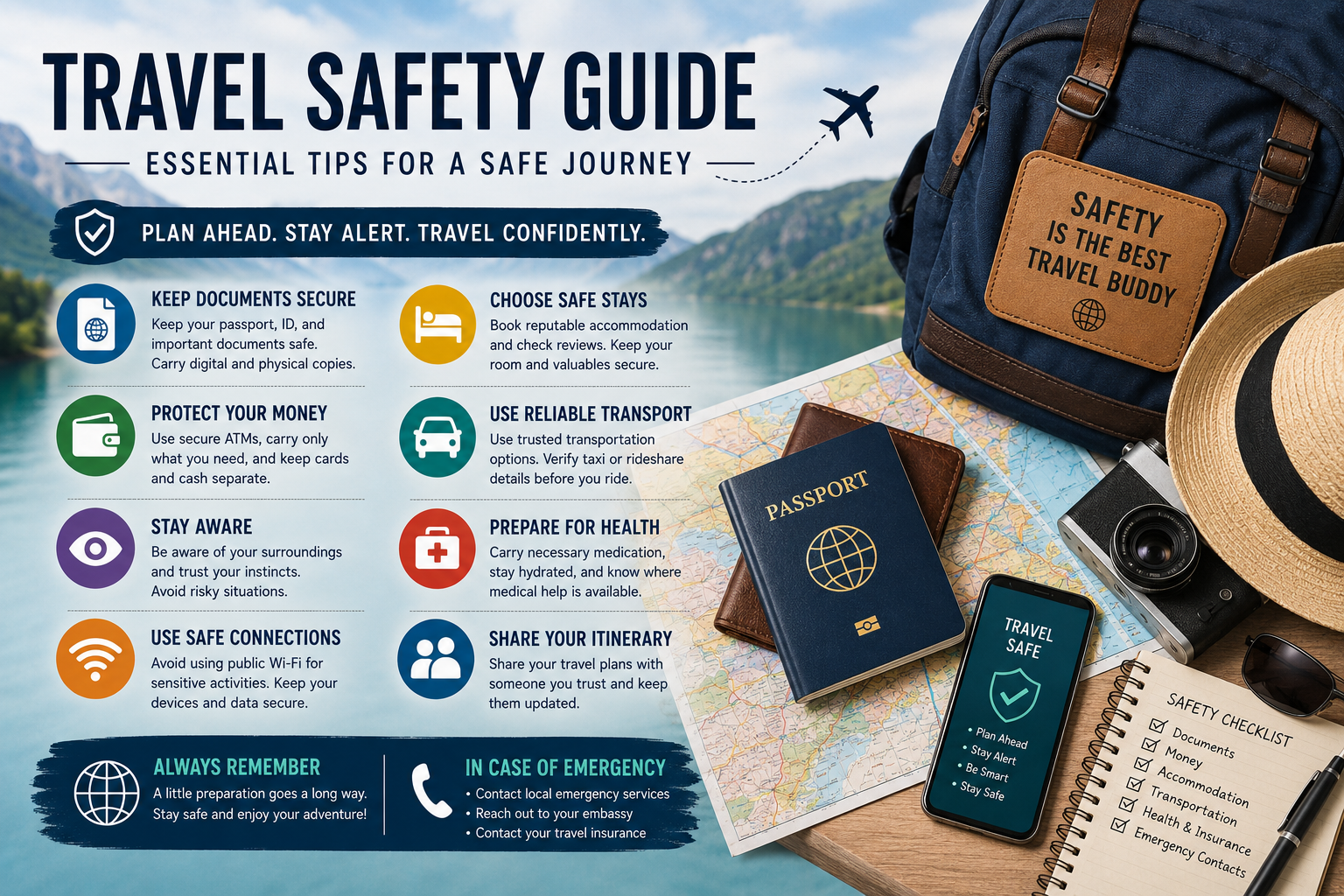
Travel Safety in a Connected World
Technology can improve travel safety, but it also introduces new digital risks.
Travelers depend heavily on smartphones for navigation, banking, communication, reservations, and travel documents.
Losing access to a phone or important account can therefore become a serious inconvenience.
Before traveling, tourists should consider:
Enabling two-factor authentication
Using strong passwords
Backing up important documents
Keeping emergency contacts accessible
Monitoring financial transactions
Using secure internet connections
Downloading important maps before departure
Digital copies of passports, visas, insurance documents, and hotel reservations can also provide useful backups.
Wellness Travel Continues to Grow
Travel is increasingly connected with health, relaxation, and personal well-being.
Wellness tourism can include:
Spa retreats
Yoga holidays
Nature trips
Fitness-focused vacations
Meditation retreats
Healthy culinary experiences
Digital-detox getaways
After years of increasingly connected lifestyles, some travelers are looking for destinations that allow them to slow down.
This trend is encouraging hotels and resorts to develop experiences focused on relaxation, sleep, fitness, nutrition, and mental well-being.
Flexible Travel Is Becoming Valuable
Travel plans do not always go according to schedule.
Flight delays, weather disruptions, changing personal circumstances, and unexpected events can affect a trip.
As a result, flexibility has become an important factor when booking travel.
Travelers should pay attention to:
Cancellation policies
Refund conditions
Change fees
Flexible flight options
Hotel booking terms
Travel insurance coverage
A slightly more flexible booking can sometimes be worth the additional cost, particularly for complicated international trips.
Budget Travel Remains Popular
Despite the growth of luxury travel, budget-conscious tourism remains important.
Travelers can reduce expenses through careful planning.
Useful strategies include comparing flights, considering alternative airports, traveling during shoulder seasons, using public transportation, and choosing accommodations outside expensive tourist centers.
Eating at local restaurants can also provide both savings and more authentic culinary experiences.
Travelers should compare the total cost rather than focusing only on the advertised price.
Additional taxes, baggage charges, transportation costs, and resort fees can significantly increase the final amount.
Digital Nomad and Long-Stay Travel
Remote work has created new opportunities for longer international stays.
Some travelers combine work and tourism by spending weeks or months in another destination.
This type of travel can provide a deeper connection with local communities.
Instead of visiting several destinations for a few days each, long-stay travelers may spend more time understanding one location.
However, anyone planning an extended stay should research visa requirements, taxation, healthcare, internet availability, accommodation rules, and local regulations.
Technology and Language Barriers
Language differences have traditionally been one of the challenges of international travel.
Translation apps and AI-powered language tools are making communication easier.
Travelers can use smartphones to translate signs, menus, conversations, and written information.
These tools can be particularly useful when visiting destinations where English or another familiar language is not widely spoken.
Still, learning a few basic local phrases can make interactions more respectful and enjoyable.
The Growth of Experiential Travel
Travelers increasingly value memories over material purchases.
Experiential tourism focuses on activities rather than simply visiting places.
A traveler might choose to:
Take a cooking course
Go hiking with a local guide
Learn traditional art
Explore a national park
Attend a cultural festival
Take a photography tour
Participate in a conservation activity
These experiences can create stronger connections with destinations.
They can also encourage travelers to spend more time exploring local communities.
The Future of Travel Technology
The travel industry is likely to become even more technology-driven.
AI assistants could eventually manage many parts of a journey, from finding flights to adjusting schedules.
Hotels could use smart-room technology to personalize lighting, temperature, entertainment, and other services.
Airports may increasingly adopt automated identity and baggage systems.
Virtual and augmented reality could also allow travelers to preview destinations before making booking decisions.
At the same time, tourism businesses will need to ensure that technology does not remove the human element from travel.
Hospitality is ultimately about people, cultures, and experiences.
Why Responsible Travel Matters
Technology can make travel more convenient, but travelers still have a responsibility toward destinations.
Visitors should respect local laws, cultures, communities, and natural environments.
Simple actions can make a difference:
Follow local rules
Avoid littering
Respect religious and cultural sites
Support local businesses
Avoid disturbing wildlife
Conserve water and energy
Treat residents respectfully
Responsible travel can help destinations remain enjoyable for both visitors and local communities.
Conclusion
Travel in 2026 is becoming more personalized, connected, flexible, and sustainable.
Artificial intelligence is making trip planning easier, digital payments are simplifying international transactions, smart transportation is improving mobility, and technology is helping travelers communicate and navigate unfamiliar destinations.
At the same time, sustainable tourism and authentic local experiences are becoming increasingly important.
The future of travel will not simply be about visiting more destinations. It will be about traveling smarter and creating deeper connections with the places we visit.
The best journeys combine technology with human curiosity, careful planning with flexibility, and convenience with responsibility.
As the travel industry continues to evolve, travelers have more opportunities than ever to explore the world while supporting local communities and protecting the destinations they love.
Frequently Asked Questions
1. What are the biggest travel trends in 2026?
Major trends include AI-powered travel planning, sustainable tourism, personalized experiences, digital payments, wellness travel, smart transportation, local experiences, and flexible travel.
2. How is AI changing travel?
AI can help travelers research destinations, create itineraries, compare options, discover activities, translate languages, and adjust plans when circumstances change.
3. What is sustainable tourism?
Sustainable tourism aims to reduce the negative environmental and social effects of travel while supporting local communities and protecting natural and cultural resources.
4. How can I travel on a budget?
Compare transportation and accommodation prices, travel during less busy periods, use public transportation, eat at local restaurants, and check for additional booking fees before purchasing.
5. Is travel insurance important?
Travel insurance can provide financial protection against certain unexpected events such as medical emergencies, cancellations, delays, or lost baggage. Coverage varies between policies.
6. How can I stay safe while traveling internationally?
Research your destination, protect your important documents, use secure payment methods, keep emergency contacts available, and remain aware of local laws and surroundings.
7. Why are local experiences becoming popular?
Local experiences allow travelers to understand a destination's culture, food, traditions, and communities more deeply while supporting smaller local businesses.
8. Are digital payments safe for travelers?
Digital payments can be convenient, but travelers should use secure devices, enable two-factor authentication, monitor transactions, and keep a backup payment method.
9. What should I consider when choosing a hotel?
Consider location, reviews, safety, total cost, cancellation policies, transportation access, included services, and additional fees.
10. What is experiential travel?
Experiential travel focuses on meaningful activities and interactions rather than simply sightseeing. Examples include cooking classes, cultural tours, outdoor adventures, and local workshops.
11. Is sustainable travel more expensive?
Not necessarily. Using public transportation, supporting local restaurants, avoiding unnecessary consumption, and traveling during quieter periods can sometimes reduce costs.
12. What should I prepare before an international trip?
Check passport validity, visa requirements, travel insurance, accommodation details, transportation arrangements, payment options, local laws, and emergency contacts.
13. Why is wellness travel becoming popular?
Many travelers want vacations that provide relaxation and opportunities to focus on fitness, nature, healthy food, sleep, and personal well-being.
14. What will travel look like in the future?
Travel is likely to become increasingly personalized and technology-driven, with AI assistants, smart airports, digital identity, automated services, sustainable transportation, and immersive travel technologies.
15. How can travelers support local communities?
Travelers can stay at locally owned accommodations, eat at local restaurants, purchase local products, hire local guides, and participate in community-based tourism.