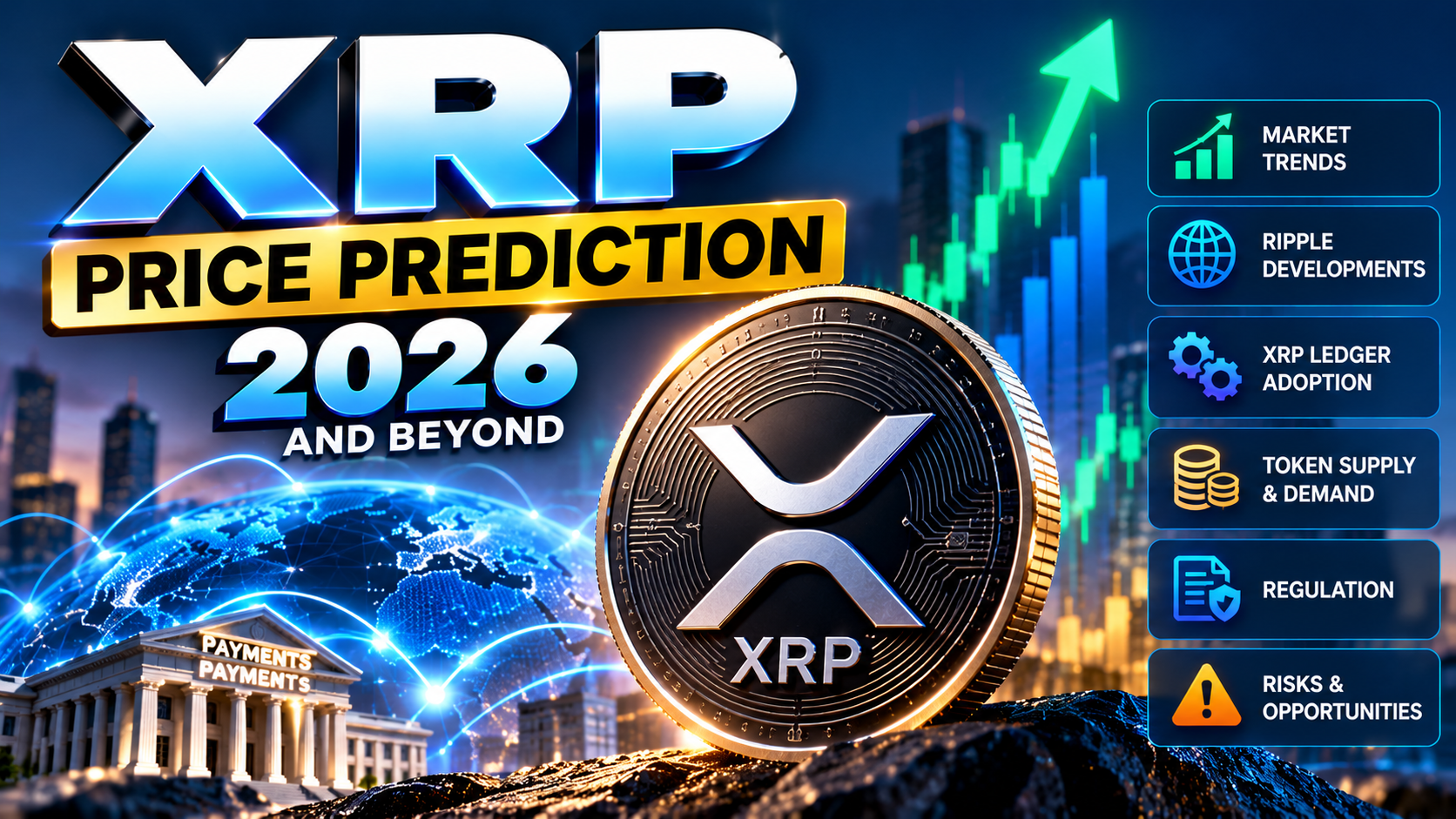
XRP is one of the most recognized cryptocurrencies in the digital asset market. It is designed to support fast value transfers through the XRP Ledger, a decentralized blockchain that allows users to send digital assets without relying on a single central authority. XRP is frequently discussed in connection with international payments, cryptocurrency trading, and blockchain-based financial services.
Unlike Bitcoin, which is widely known as a decentralized digital currency, the XRP Ledger focuses on efficient transaction processing and supports additional features such as token issuance and decentralized exchange functionality. XRP is the network's native cryptocurrency and can be used to pay transaction fees and facilitate certain transfers of value.
XRP is also closely associated with Ripple, a financial technology company that develops payment solutions and contributes to the XRP Ledger ecosystem. However, XRP, the XRP Ledger, and Ripple are not the same thing. Understanding this distinction is important for anyone researching the cryptocurrency.
In this guide, we explain what XRP is, how the XRP Ledger works, what affects the price of XRP, its potential benefits and risks, and what investors should consider before buying it.
What Is XRP?
XRP is the native digital asset of the XRP Ledger, commonly abbreviated as XRPL. The XRP Ledger is an open-source blockchain designed to record transactions and support the transfer and exchange of digital assets.
The network uses a consensus protocol in which independent validator servers agree on the transactions that should be included in the next validated ledger. It does not use Bitcoin-style proof-of-work mining or Ethereum-style proof of stake.
XRP was created to support efficient transfers of value. Its characteristics include relatively fast transaction settlement, low base transaction fees, and the ability to move between accounts on the XRP Ledger.
The cryptocurrency can be traded on supported exchanges, transferred between compatible wallets, and used in applications built around the XRP Ledger. Its market price changes according to supply and demand, trading activity, investor sentiment, and wider cryptocurrency market conditions.
For official technical information, readers can consult the XRP Ledger documentation.
What Is the Difference Between XRP, Ripple, and the XRP Ledger?
These three terms are often used interchangeably, but they refer to different things.
XRP: The native cryptocurrency of the XRP Ledger.
XRP Ledger (XRPL): The decentralized, open-source blockchain network that records transactions and supports digital asset functionality.
Ripple: A technology company that develops payment-related products and contributes to the broader XRP Ledger ecosystem.
Ripple is an important participant in the XRP ecosystem, but the XRP Ledger is not simply a private database operated by Ripple. Independent participants can operate servers and validators, and developers can build applications using the network's open-source technology.
This distinction also matters for investors. Buying XRP does not mean buying shares in Ripple, obtaining ownership of the company, or receiving a guaranteed share of its revenue.
How Does XRP Work?
The XRP Ledger processes transactions through a network of servers that maintain copies of the ledger and participate in reaching agreement on valid transactions.
When a user sends XRP, the transaction is signed with the user's private key and broadcast to the network. Validators check the transaction against the ledger's rules and work toward consensus on the next ledger version.
Once the transaction is validated, the updated ledger records the result. The network is designed to complete this process in seconds under normal operating conditions.
A simplified XRP transaction follows these steps:
A sender creates a payment using a compatible wallet.
The sender signs the transaction with the appropriate private key.
The transaction is submitted to the XRP Ledger network.
Validators check the transaction and participate in the consensus process.
The transaction is included in a validated ledger, updating the relevant account balances.
Transactions are generally irreversible once finalized. Users should therefore verify the destination address and transaction details before sending funds.
The XRP Ledger also supports more than basic payments. Its features include a decentralized exchange, token issuance, escrow functionality, and other transaction types, subject to the network's rules and enabled features.
How Fast Are XRP Transactions?
The XRP Ledger is designed for fast transaction processing. Under normal network conditions, transactions commonly settle in approximately three to five seconds, although actual timing can vary.
This speed can be useful for applications that need to transfer value quickly. It can also reduce the time users spend waiting for a payment to be finalized compared with some slower payment or blockchain systems.
However, blockchain settlement is only one part of an international transfer. A real-world payment may also involve currency conversion, compliance checks, banking partners, payment providers, and local payout arrangements. These additional steps can take longer than the on-chain transaction itself.
Fast settlement is therefore an important feature of XRP, but it does not guarantee that every international payment will be completed within seconds.
What Is XRP Used For?
XRP has several potential uses within cryptocurrency markets and the XRP Ledger ecosystem.
1. Sending digital payments
XRP can be transferred between compatible accounts on the XRP Ledger. The network's transaction design supports fast transfers and relatively low base fees.
Users may send XRP to another wallet or transfer it between supported cryptocurrency platforms. They should always check deposit networks, wallet compatibility, and withdrawal requirements before making a transaction.
2. Cross-border payment liquidity
XRP has been associated with payment systems designed to move value across currencies and jurisdictions. In certain payment arrangements, a digital asset may be used as a bridge between two currencies, reducing the need to pre-fund accounts in multiple locations.
Whether XRP is used in a particular payment depends on the provider's product, the corridor, liquidity conditions, and the transaction's requirements. Not every Ripple payment product necessarily uses XRP.
3. Paying XRP Ledger transaction fees
The XRP Ledger requires small transaction fees paid in XRP. The base fee is typically very low, though the required fee can change with network conditions and transaction requirements.
The network burns the XRP used for transaction fees rather than paying those fees to validators as a conventional reward. This helps protect the ledger against spam and excessive transaction activity.
4. Trading and portfolio diversification
XRP is listed on many cryptocurrency trading platforms, depending on local regulations and exchange availability. Traders may buy or sell it against fiat currencies, stablecoins, or other cryptocurrencies.
Some investors consider XRP alongside other digital assets. However, holding several cryptocurrencies does not eliminate risk, especially when prices across the market move together during periods of stress.
5. Decentralized exchange activity
The XRP Ledger includes native decentralized exchange functionality that allows supported assets to be traded through the ledger's transaction system.
This can provide users with access to asset exchange without relying exclusively on a conventional centralized exchange. Nevertheless, traders should understand liquidity, price spreads, asset risks, and the possibility of unfavorable execution.
6. Tokenization and digital assets
The XRP Ledger supports the issuance and transfer of certain tokens and other digital assets. Developers can use its infrastructure to build applications involving digital representations of assets, payments, and financial services.
Tokenization does not automatically make an asset valuable or legally enforceable. Users should verify the issuer, the rights associated with a token, and the risks of the application through which it is offered.
XRP Price Today: What Should Investors Check?
The price of XRP changes continuously, so an article containing a fixed quote can become outdated quickly. For the current XRP-to-USD price, consult a live market-data provider or a reputable exchange.
When researching XRP, consider more than the price of a single coin. Important indicators include:
Current price: The latest quoted value of XRP in a selected trading pair.
24-hour price change: The percentage gain or loss over the previous 24 hours.
Trading volume: The amount of XRP traded during a particular period.
Market capitalization: The estimated market value of the circulating XRP supply.
Circulating supply: The amount of XRP considered to be in circulation.
Liquidity: How easily XRP can be bought or sold without significantly affecting its market price.
A low price per coin does not automatically mean XRP is undervalued. Its total supply and market capitalization also matter.
For current market data, readers can visit CoinGecko, CoinMarketCap, or a cryptocurrency exchange available in their jurisdiction.
What Factors Affect the Price of XRP?
XRP's market value is influenced by multiple factors. These include broader cryptocurrency trends, developments within the XRP Ledger ecosystem, regulatory changes, and trading activity.
Supply and demand
Like other publicly traded cryptocurrencies, XRP's price is influenced by the balance between buyers and sellers. If demand rises relative to available selling supply, the price may increase. If selling pressure becomes stronger, the price may fall.
Liquidity also matters. A market with limited liquidity may experience larger price movements when substantial orders enter the market.
Cryptocurrency market trends
XRP often responds to broader movements in the digital asset market. Bitcoin's price direction, changes in investor risk appetite, and activity in other major cryptocurrencies can influence altcoin trading.
However, XRP may also move independently when significant news or developments specifically affect the asset or its ecosystem.
Ripple-related developments
Ripple's business activities and payment-related announcements can attract attention to XRP because the company is associated with the asset and contributes to its ecosystem.
Nevertheless, a business announcement does not necessarily mean that XRP will be used in the relevant service or that demand for the token will increase. Investors should examine what a development actually changes rather than assuming every Ripple-related announcement directly benefits XRP holders.
Regulatory developments
Legal and regulatory developments can influence how XRP is traded, offered, and used in different jurisdictions. Regulatory decisions may affect exchange listings, institutional participation, and investor sentiment.
The legal treatment of a digital asset can vary by jurisdiction and transaction context. Investors should consult reliable, up-to-date sources rather than relying on outdated headlines or social media summaries.
Token supply and escrow
XRP was created with an initial total supply of 100 billion tokens. Unlike cryptocurrencies that issue new coins through mining or staking, XRP's supply model does not rely on those mechanisms.
Ripple has historically used escrow arrangements for portions of its XRP holdings. Escrow releases, the amount actually sold or distributed, and changes in circulating supply may receive market attention.
An escrow release does not mean that every released token is immediately sold into the market. Investors should distinguish between tokens released from escrow, tokens retained by the holder, and tokens actually distributed or sold.
Institutional and retail demand
Demand can come from retail traders, market makers, businesses, and institutional participants. Changes in liquidity and trading activity can influence short-term price movements.
However, institutional interest does not guarantee price appreciation, and reported trading activity may not reveal the intentions of all market participants.
Macroeconomic conditions
Interest rates, inflation, currency movements, and general financial-market sentiment can affect demand for risk-sensitive assets such as cryptocurrencies.
When investors become more cautious, they may reduce exposure to volatile digital assets. When risk appetite improves, demand may increase. These relationships are not constant and should not be used as guaranteed trading signals.
Understanding XRP Supply
XRP's supply is an important part of its economic model. The asset began with a total supply of 100 billion XRP, and no new XRP is created through mining.
A portion of the supply has historically been held by Ripple, including tokens subject to escrow arrangements. Tokens can also be held by individuals, exchanges, businesses, and other market participants.
Investors should understand the difference between three common supply measures:
Total supply: The amount of XRP that exists under the asset's supply rules, taking account of tokens burned or otherwise removed from circulation where relevant.
Circulating supply: The portion considered available in the market under the data provider's methodology.
Escrowed XRP: Tokens locked under specified escrow conditions until the applicable release requirements are met.
These figures may change over time. The exact circulating supply and escrow balances should be checked against current official disclosures and reliable market-data sources.
Supply figures alone do not predict price direction. Demand, liquidity, investor expectations, and the amount of XRP actually available for sale also influence the market.
Benefits of XRP
XRP has several characteristics that make it relevant to cryptocurrency users and blockchain developers.
Fast transaction settlement
The XRP Ledger is designed to validate transactions in seconds under normal conditions. This can be useful for payments and applications that require relatively quick settlement.
Low base transaction fees
Typical XRP Ledger transaction fees are very small compared with many traditional payment costs and some other blockchain transactions. Fees can vary with network conditions, and the total cost of an international payment may include additional charges outside the ledger.
No proof-of-work mining
The XRP Ledger uses a consensus protocol rather than Bitcoin-style proof-of-work mining. This means the network does not depend on the same energy-intensive mining process.
Built-in asset exchange features
The ledger supports decentralized exchange functionality and other financial features. These capabilities allow developers to build applications around payments, asset transfers, and trading.
Open-source development
The XRP Ledger's open-source technology allows developers to inspect its code, operate servers, and build applications. This supports experimentation and development beyond a single company's products.
Potential payment applications
XRP may serve as a bridge asset in some payment arrangements. Its suitability depends on liquidity, regulatory requirements, transaction design, and the specific services being used.
Risks of Investing in XRP
Despite its potential uses, XRP remains a volatile digital asset. Buyers should understand its risks before committing funds.
Market volatility
XRP's price can rise or fall sharply in short periods. Investors who purchase at a high price may face significant losses if market conditions change.
Regulatory uncertainty
Rules governing cryptocurrencies can change and differ between countries. Regulatory developments may affect trading access, institutional participation, and the use of digital assets in payment systems.
Concentration and supply concerns
Large holders can influence market liquidity and investor sentiment when they move or sell substantial amounts of XRP. Investors should monitor reliable supply disclosures and avoid assuming that every token release results in an immediate sale.
Competition
XRP competes with other cryptocurrencies, blockchain payment networks, stablecoins, and traditional payment systems. These alternatives may be more suitable for particular use cases depending on costs, regulation, liquidity, and user requirements.
Adoption uncertainty
The existence of a payment technology does not guarantee widespread adoption. Businesses must consider compliance, integration, liquidity, customer needs, and operational costs before choosing a solution.
Exchange and custody risks
Cryptocurrency exchanges can face technical problems, cyberattacks, insolvency, or withdrawal restrictions. Holding XRP in a personal wallet also carries risks if private keys are lost or stolen.
Scams and misleading investment claims
Fraudulent websites, fake giveaways, impersonation schemes, and promises of guaranteed profits can target XRP holders. Never share private keys or recovery phrases, and verify wallet addresses before sending funds.
No guaranteed returns
XRP's technology and payment-related use cases do not guarantee that its market price will increase. Investors may lose some or all of the money they invest.
XRP vs. Bitcoin: What Is the Difference?
XRP and Bitcoin are both cryptocurrencies, but they use different network designs and have different primary use cases.
Feature | XRP | Bitcoin (BTC) |
|---|---|---|
Network | XRP Ledger | Bitcoin blockchain |
Primary design emphasis | Fast transfers and ledger-based asset functionality | Decentralized digital currency |
Consensus | XRP Ledger consensus protocol | Proof of work |
Mining | No proof-of-work mining | Bitcoin mining |
Maximum initial supply design | 100 billion XRP created initially | Maximum of 21 million BTC |
Transaction fees | Generally very low base fees | Fees vary with demand and transaction size |
Smart-contract and asset features | Native exchange and token functionality | More limited base-layer scripting |
Price behavior | Volatile | Volatile |
Neither cryptocurrency is automatically a better investment. Their supply models, network designs, adoption patterns, and market risks differ.
Investors should compare their intended use cases, liquidity, custody options, and risk tolerance rather than choosing an asset solely because of its price per coin.
XRP vs. Ethereum: Key Differences
XRP and Ethereum serve different purposes within the digital asset ecosystem.
Ethereum is a general-purpose smart-contract platform supporting decentralized finance, NFTs, and many programmable applications. Its native cryptocurrency, ETH, is used to pay network fees and participate in proof-of-stake security.
The XRP Ledger focuses on efficient ledger transactions and includes native exchange and token features. XRP is used for transaction fees and transfers of value on that network.
The networks use different consensus mechanisms and have different application ecosystems. Both support digital asset activity, but their technical designs and economic models are not interchangeable.
How to Buy XRP
XRP is available on supported cryptocurrency exchanges, although availability varies by country, platform, and applicable regulations.
A typical buying process includes the following steps:
Research a reputable exchange that serves your jurisdiction.
Review its fees, identity-verification requirements, security controls, and withdrawal rules.
Create an account and enable strong security measures.
Deposit funds using a supported payment method.
Check the XRP price and the trading pair you intend to use.
Review the total transaction cost before placing an order.
Decide whether to hold XRP on the exchange or transfer it to a compatible wallet.
Before depositing funds, verify that the exchange supports XRP in your location and that you understand its withdrawal requirements.
Some XRP Ledger accounts may need to maintain a minimum XRP reserve under current network rules. Wallet providers and exchanges can have additional policies, so check the latest requirements before transferring assets.
How to Store XRP Safely
XRP can be held on a supported exchange or in a compatible self-custody wallet.
An exchange wallet may be convenient, but the user depends on the platform to safeguard assets and provide access to withdrawals. A self-custody wallet gives the user more control but also more responsibility for protecting the private keys and recovery information.
To reduce avoidable risks:
Use a reputable wallet and obtain it from an official source.
Keep recovery phrases and private keys secret.
Never enter recovery information into a website reached through an unsolicited message.
Verify the recipient address before sending XRP.
Send a small test transaction when appropriate before making a large transfer.
Be cautious of fake XRP giveaways and impersonation accounts.
Keep devices and wallet software updated.
Cryptocurrency transactions are generally irreversible. If XRP is sent to the wrong address or stolen through a malicious transaction, recovering it may be impossible.
What Is the Future Potential of XRP?
XRP's future will depend on several factors, including payment-related adoption, development of the XRP Ledger, regulatory conditions, liquidity, and competition from other digital assets and payment technologies.
The network's fast transaction processing and low base fees may make it useful for certain transfers and financial applications. Its decentralized exchange and token features also give developers tools for building additional services.
However, the future demand for XRP is uncertain. Payment providers may choose different technologies, stablecoins may compete for particular transfer use cases, and traditional payment networks may continue to improve their services.
The performance of Ripple as a company and the market value of XRP are also different questions. Even if a company expands its business, that growth does not automatically translate into higher demand for its associated cryptocurrency.
Investors should evaluate measurable developments, token supply, liquidity, and regulatory changes rather than relying exclusively on price predictions.
Frequently Asked Questions About XRP
What is XRP in simple words?
XRP is a digital cryptocurrency native to the XRP Ledger. It can be transferred between compatible accounts and is used to pay transaction fees on the network.
Is XRP the same as Ripple?
No. XRP is a cryptocurrency, the XRP Ledger is the blockchain network, and Ripple is a technology company that develops payment products and contributes to the ecosystem.
What is XRP used for?
XRP can be used for transfers of value, XRP Ledger transaction fees, trading, and certain payment or liquidity arrangements. The use of XRP depends on the application and service involved.
How fast are XRP transactions?
The XRP Ledger is designed to settle transactions in approximately three to five seconds under normal conditions. Actual end-to-end payment times can be longer if additional providers or compliance checks are involved.
Does XRP have a maximum supply?
XRP began with a total supply of 100 billion tokens. Its supply model does not depend on mining new XRP, and small amounts are burned through transaction fees.
Can XRP be mined?
No. XRP does not use proof-of-work mining. Transactions are processed through the XRP Ledger's consensus protocol.
Is XRP a good investment?
Whether XRP is suitable depends on an individual's financial circumstances, goals, and tolerance for risk. Its price can be volatile, and there is no guarantee of profit.
Can XRP reach a higher price in the future?
XRP's future price is uncertain. Demand, liquidity, regulatory developments, adoption, market conditions, and token supply can all affect its valuation. No price target is guaranteed.
Is XRP safe to buy?
Buying XRP involves market, custody, exchange, regulatory, and security risks. Users should research the asset, select reputable services, and never invest money they cannot afford to lose.
Where can I check the latest XRP price?
You can check XRP market data on CoinGecko, CoinMarketCap, or a reputable cryptocurrency exchange. Prices may vary slightly across exchanges and trading pairs.
Conclusion
XRP is a cryptocurrency built into the XRP Ledger, a decentralized blockchain designed for fast transaction processing and digital asset functionality. It is commonly associated with payment-related use cases and can also be used for transfers, trading, and other activities within the ledger's ecosystem.
Its potential strengths include fast settlement, low base transaction fees, and built-in asset exchange features. However, XRP also faces significant risks, including market volatility, regulatory uncertainty, competition, custody concerns, and uncertain future adoption.
Anyone researching XRP should distinguish between the cryptocurrency, its underlying network, and Ripple as a company. Understanding these differences can help readers evaluate announcements and market developments more carefully.
As with all cryptocurrencies, research the technology and risks, verify current market data, and avoid making investment decisions based solely on hype or price predictions.
Disclaimer: This article is for educational and informational purposes only. It is not financial or investment advice. Cryptocurrency markets are volatile, and you may lose some or all of your investment.