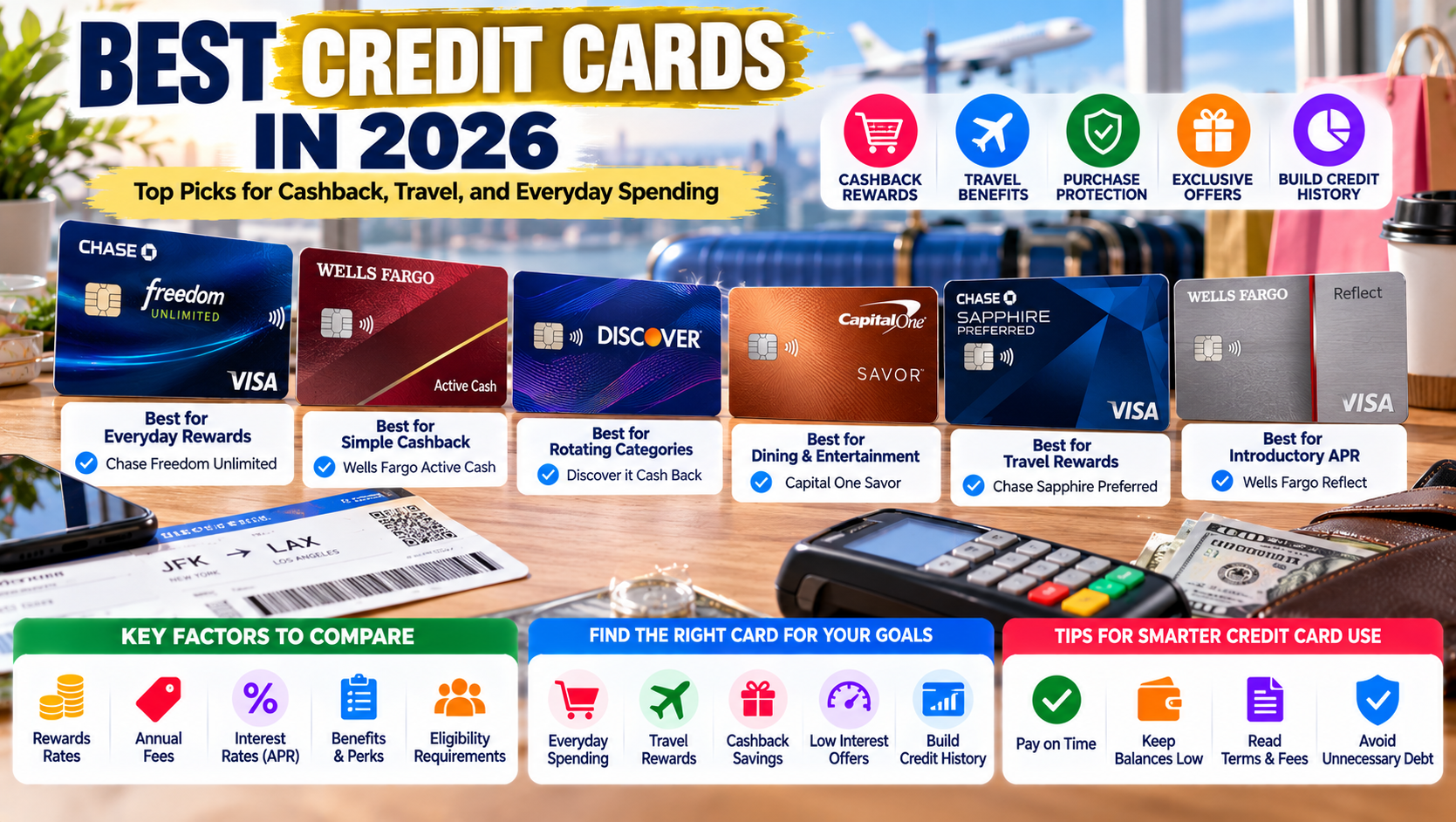
Choosing the best credit card can help you earn rewards, manage everyday purchases, and access useful financial benefits. However, with so many cards available, comparing rewards programs, annual fees, interest rates, and eligibility requirements can feel overwhelming.
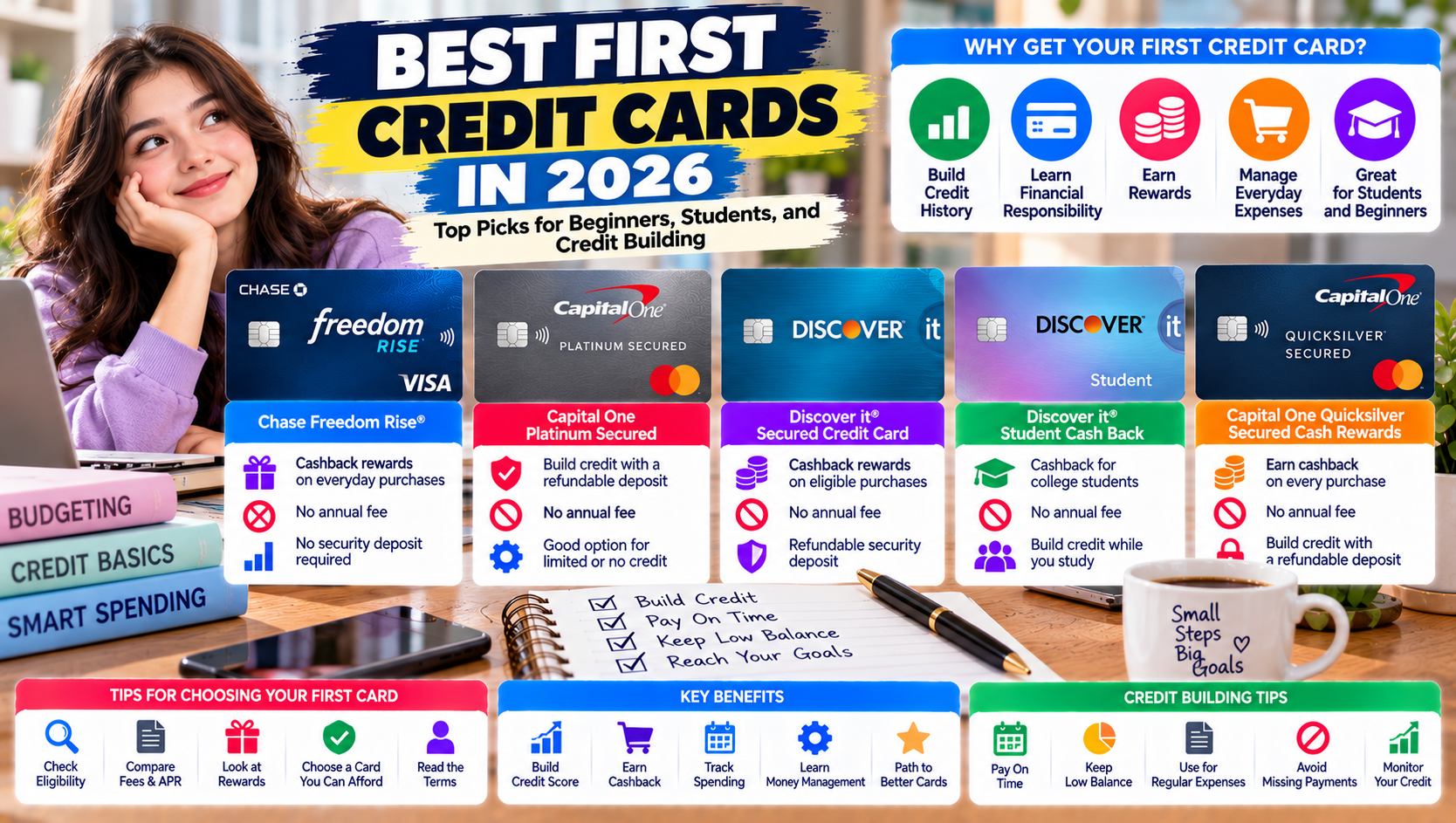
Some credit cards are designed for cashback on everyday purchases, while others focus on travel rewards, introductory interest rates, or building credit history. The right choice depends on your spending habits, financial goals, credit profile, and ability to repay what you borrow.
In this guide, we explore some of the best credit cards to consider in the United States in 2026, explain their key features, and share practical tips for choosing a card that fits your needs.
What Is the Best Credit Card in 2026?
There is no single credit card that is best for everyone. A card that works well for frequent travelers may not be suitable for someone who mainly wants cashback on groceries or everyday purchases.
When comparing cards, consider these factors:
Rewards: How much cashback, points, or travel miles can you earn?
Annual fee: Is there a yearly charge, and do the benefits justify it?
Interest rate: What APR applies if you carry a balance?
Eligibility: Does the card match your credit history and financial circumstances?
Additional benefits: Does it offer purchase protection, travel benefits, or other useful features?
Repayment terms: Can you comfortably pay the statement balance each month?
Current U.S. comparison guides highlight different cards for different needs, rather than identifying one universal winner. Offers, eligibility criteria, and promotional terms can change, so review the issuer's latest information before applying.
Best Credit Cards to Consider in 2026
The following cards are examples worth comparing for different financial goals. They are not guaranteed approvals or a ranking suitable for every applicant.
1. Chase Freedom Unlimited — Best for Everyday Rewards
<text color="secondary" size="sm">Best for: People who want flexible rewards on everyday purchases</text>
The <Entity value="Chase Freedom Unlimited" category="product" disambig="U.S. cashback credit card"/> is a popular option for people who want a straightforward rewards card with no annual fee.
Its rewards structure includes cashback on eligible purchases, with higher earning rates in certain categories and through qualifying Chase travel bookings. The exact rates, bonus offers, and terms should be checked on the issuer's official website.
Potential advantages:
No annual fee.
Rewards across everyday spending categories.
Introductory offers may be available to eligible applicants.
Can be useful for people who prefer a flexible rewards structure.
Things to consider: The card's value depends on your spending habits, redemption options, interest rate, and eligibility. Carrying an interest-bearing balance can outweigh the value of cashback.
Official website: Chase Credit Cards
2. Wells Fargo Active Cash — Best for Simple Cashback
<text color="secondary" size="sm">Best for: People who prefer a straightforward rewards structure</text>
The <Entity value="Wells Fargo Active Cash Card" category="product" disambig="U.S. cashback credit card"/> is known for its flat-rate cashback approach, making it an option for people who do not want to track rotating reward categories.
Its published rewards structure has offered 2% cash rewards on eligible purchases, subject to the current terms.
Potential advantages:
No annual fee under its standard published structure.
Straightforward rewards on eligible purchases.
May include introductory financing offers for qualifying accounts.
Easy-to-understand cashback structure.
Things to consider: Review the current APR, introductory offer, redemption rules, and any exclusions before applying.
Official website: Wells Fargo Credit Cards
3. Discover it Cash Back — Best for Rotating Categories
<text color="secondary" size="sm">Best for: People willing to track changing rewards categories</text>
The <Entity value="Discover it Cash Back" category="product" disambig="U.S. cashback credit card"/> is designed for cardholders who want to earn higher cashback in selected categories that change periodically.
Depending on the current terms, cardholders may need to activate categories and stay within specified spending limits to receive the higher rewards rate.
Potential advantages:
No annual fee under its standard terms.
Potentially higher rewards in selected categories.
May offer a first-year cashback promotion to eligible new cardholders.
Can reward people who plan their spending around bonus categories.
Things to consider: Rotating categories require attention, and the higher reward rate may apply only to a limited amount of spending. Check the current offer and the card's availability for your application.
Official website: Discover Credit Cards
4. Capital One Savor — Best for Dining and Entertainment
<text color="secondary" size="sm">Best for: People who regularly spend on dining and entertainment</text>
The <Entity value="Capital One Savor Cash Rewards Credit Card" category="product" disambig="U.S. cashback credit card"/> is worth considering if a significant portion of your budget goes toward restaurants, entertainment, and other eligible bonus categories.
Its published rewards structure has included higher cashback rates for certain spending categories, with additional terms applying to eligible purchases.
Potential advantages:
No annual fee under its standard published structure.
Rewards on selected everyday spending.
May be useful for people who frequently dine out or purchase eligible entertainment.
Can provide a more targeted rewards approach than a flat-rate card.
Things to consider: Compare its rewards categories with your actual spending. A card offering more rewards in categories you rarely use may provide little additional value.
Official website: Capital One Credit Cards
5. Chase Sapphire Preferred — Best for Travel Rewards
<text color="secondary" size="sm">Best for: Travelers who can use travel-related rewards and benefits</text>
The <Entity value="Chase Sapphire Preferred Card" category="product" disambig="U.S. travel rewards credit card"/> is designed for people who want to earn points through eligible spending and use them toward travel and other redemption options.
It has an annual fee, so applicants should consider whether the rewards and travel-related benefits provide enough value to justify the cost.
Potential advantages:
Travel-oriented rewards program.
Points may be redeemable through eligible travel and other options.
May offer travel-related benefits subject to policy terms.
Can suit people who regularly travel and understand how to use points.
Things to consider: Annual fees, redemption values, travel benefits, and eligibility requirements vary. Do not spend more than your budget just to earn points.
Official website: Chase Sapphire Cards
6. Wells Fargo Reflect — Best for Introductory Interest Offers
<text color="secondary" size="sm">Best for: Eligible applicants comparing introductory APR offers</text>
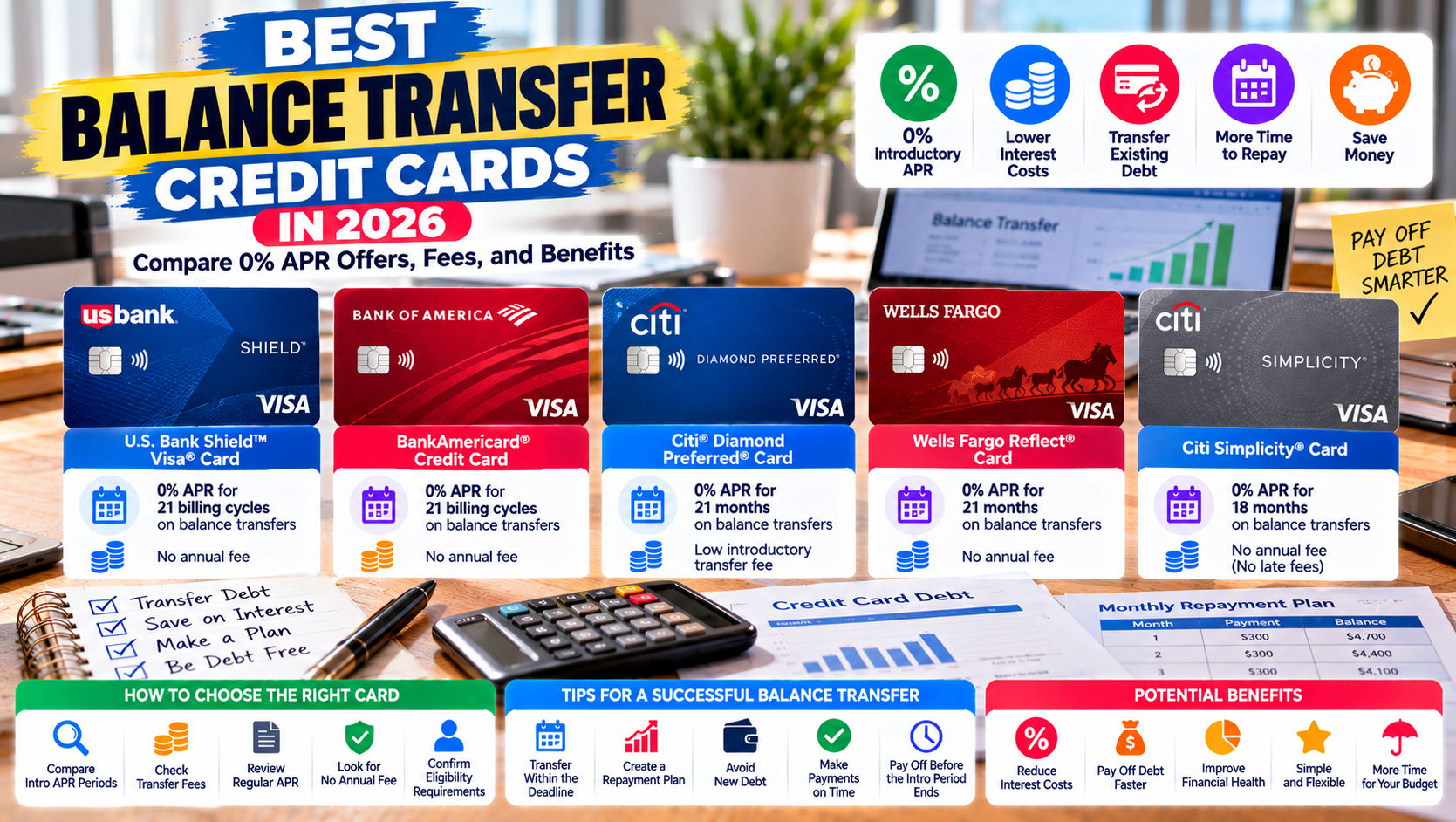
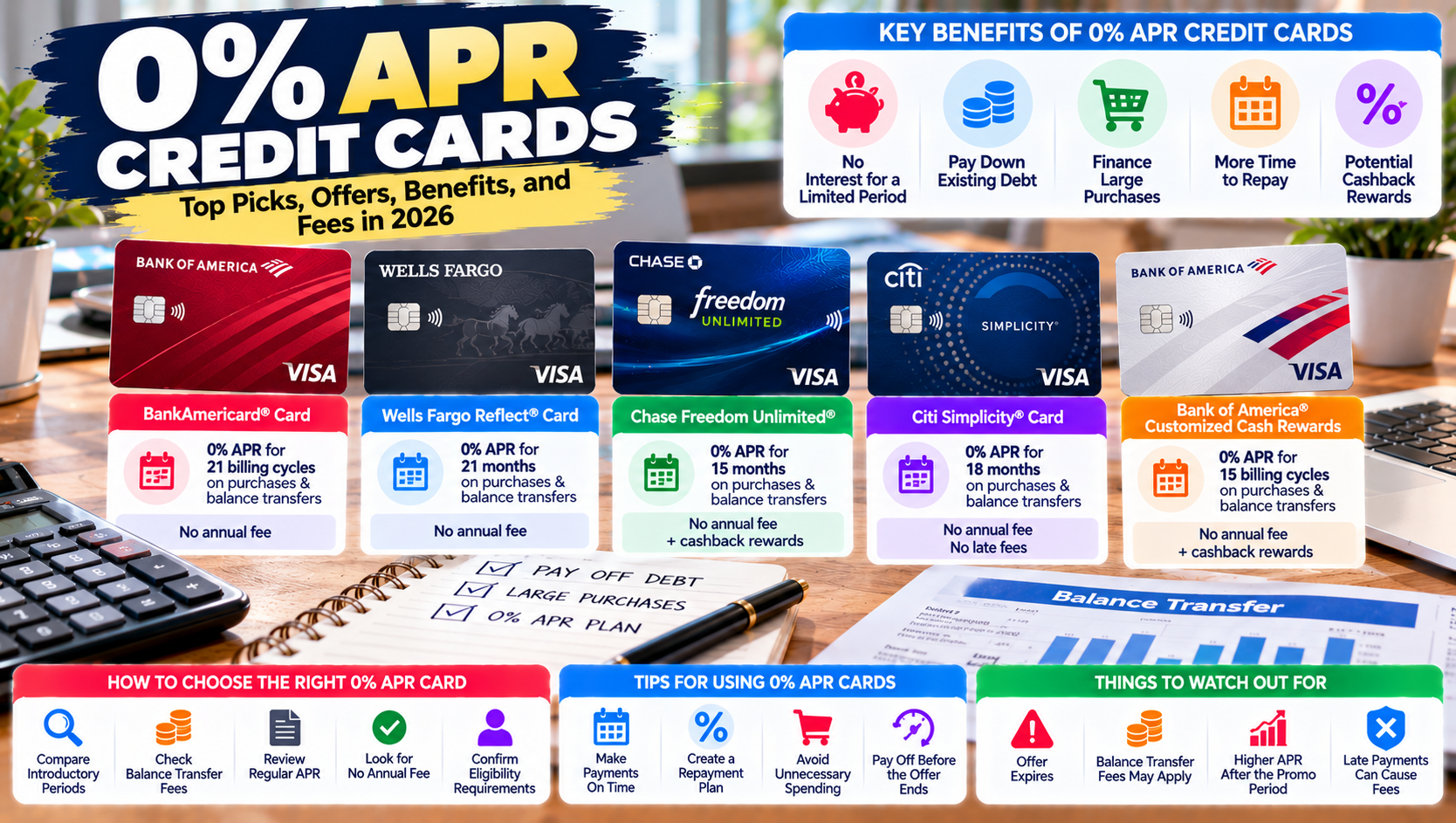
The <Entity value="Wells Fargo Reflect Card" category="product" disambig="U.S. low introductory APR credit card"/> is known for introductory APR offers on qualifying purchases and balance transfers.
Such offers may give eligible cardholders a limited period with a lower interest rate, but the promotional period, qualifying transactions, and fees must be reviewed carefully.
Potential advantages:
No annual fee under its standard published structure.
May offer an introductory APR period.
Could be worth comparing for qualifying planned expenses or balance transfers.
Things to consider: A promotional rate does not last forever. Check the regular APR, transfer fees, payment requirements, and exact offer expiration date. Do not transfer a balance without a realistic repayment plan.
Official website: Wells Fargo Credit Cards
Best Credit Card by Financial Goal
Use this table as a starting point when comparing different card categories.
Your main goal | Cards to consider | What to compare |
|---|---|---|
Everyday cashback | Chase Freedom Unlimited | Rewards rates and redemption options |
Simple flat-rate cashback | Wells Fargo Active Cash | Current cashback terms and APR |
Rewards in changing categories | Discover it Cash Back | Activation requirements and spending caps |
Dining and entertainment rewards | Capital One Savor | Eligible categories and earning rates |
Travel rewards | Chase Sapphire Preferred | Annual fee, points, and travel benefits |
Introductory interest rate | Wells Fargo Reflect | Promotional period, fees, and regular APR |
Building or rebuilding credit | Secured credit cards | Deposit, fees, and credit bureau reporting |
These are examples of cards and card categories to investigate, not a guarantee that a particular card is the best option for your circumstances.
How to Choose the Best Credit Card for Your Needs
Selecting a credit card is easier when you start with your financial situation rather than a promotional offer.
Step 1: Identify Your Main Purpose
Ask yourself why you want a credit card.
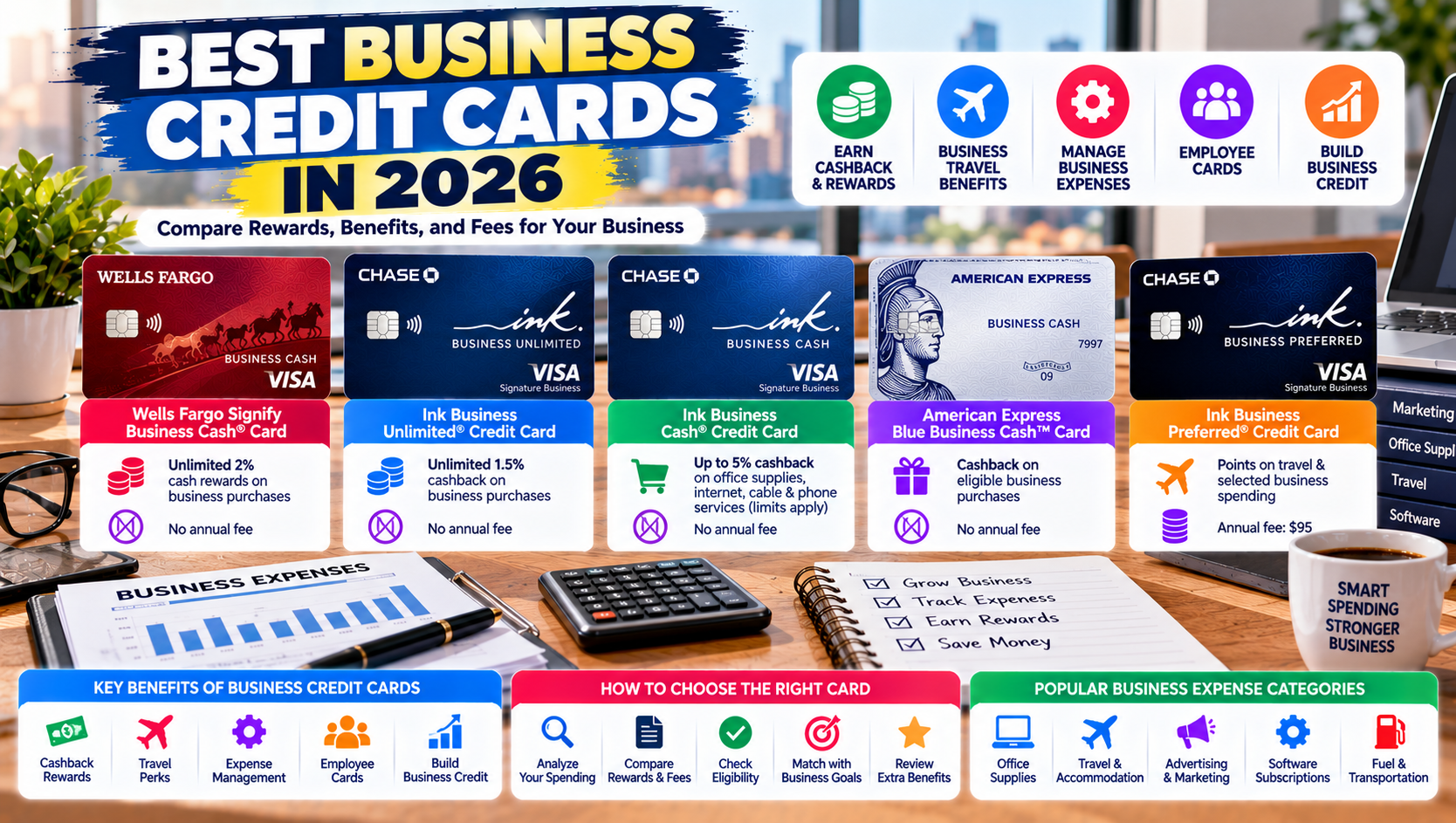
You might want to earn cashback, collect travel points, manage a planned purchase, build credit history, or separate business expenses from personal spending.
Choose a card that serves your main goal without encouraging unnecessary borrowing.
Step 2: Compare Annual Fees
Some cards have no annual fee, while premium rewards cards charge a yearly amount in exchange for additional benefits.
Calculate the realistic value you expect to receive. If the benefits do not justify the fee, a simpler card may be a better choice.
Step 3: Check the APR
The annual percentage rate, or APR, helps you compare borrowing costs. Credit cards can have different rates for purchases, cash advances, and balance transfers.
If you expect to carry a balance, interest costs should be a major consideration. A rewards card with attractive cashback can still be expensive if its interest charges exceed the value of its benefits.
Step 4: Review the Rewards Rules
Read the card's rewards terms carefully.
Check whether cashback is unlimited, whether bonus categories have spending caps, whether points expire, and whether redemptions involve restrictions.
A card's advertised maximum reward rate may apply only to specific transactions.
Step 5: Understand Eligibility Requirements
Issuers may assess credit history, income, existing debts, and other factors when reviewing an application.
Use the issuer's eligibility information and any available prequalification tool. Prequalification is not the same as final approval.
Step 6: Read the Full Terms
Before applying, review the card agreement, APR, fees, promotional conditions, and repayment requirements.
The U.S. Federal Deposit Insurance Corporation recommends comparing important terms such as APR, fees, and rewards when shopping for a card. <Cite refs={["turn431125search4","turn431125search5"]}/>
Credit Card Fees You Should Know About
A card's true cost includes more than its annual fee.
Fee or charge | What it means |
|---|---|
Annual fee | Yearly cost of maintaining the account |
Purchase APR | Interest rate that may apply to unpaid purchase balances |
Late-payment fee | Potential charge for missing a required payment |
Balance transfer fee | Cost of transferring eligible debt from another card |
Cash advance fee | Charge for obtaining cash using a credit card |
Foreign transaction fee | Possible charge for eligible foreign-currency or international transactions |
Check the current card agreement for the actual fees. The same card may have different offers or terms depending on the applicant and the issuer's policies.
How to Get the Most Value From a Credit Card
A credit card is most useful when the rewards and convenience do not come at the cost of unnecessary debt.
Pay the full statement balance by the due date whenever possible.
Set a spending budget before using the card.
Choose rewards based on purchases you already planned to make.
Track annual fees and promotional expiration dates.
Check statements regularly for unfamiliar transactions.
Avoid cash advances unless you understand the fees and interest.
Never share your PIN, password, or one-time verification codes.
Do not apply for multiple cards solely to collect welcome bonuses.
Paying the full statement balance can generally help you avoid interest on eligible purchases when the card has a grace period and you meet its terms. Some transactions, including cash advances, may accrue interest immediately. <Cite refs={["turn431125search6","turn431125search7"]}/>
Common Mistakes to Avoid When Choosing a Credit Card
Choosing Only for the Welcome Bonus
A large sign-up bonus may look attractive, but it may require substantial spending within a specified period. Do not make purchases you cannot afford just to qualify.
Ignoring the Annual Fee
A premium card may offer travel benefits and rewards, but those benefits are only valuable if you actually use them and their value exceeds the fee.
Carrying Debt to Earn Rewards
Interest and fees can outweigh cashback or points. Rewards should be an additional benefit of planned spending, not a reason to borrow more.
Overlooking the Regular APR
An introductory rate may be temporary. Review the rate that applies when the promotional period ends and make a realistic repayment plan.
Assuming Every Card Is Available to Everyone
Approval depends on issuer requirements and individual circumstances. Confirm eligibility and terms before submitting an application.
Frequently Asked Questions
What is the best credit card in 2026?
There is no universal best card. Chase Freedom Unlimited and Wells Fargo Active Cash are examples to compare for cashback, Chase Sapphire Preferred for travel rewards, and Discover it Cash Back for rotating categories. The right choice depends on current offers, fees, spending habits, and eligibility.
What is the best credit card with no annual fee?
Several cards have no annual fee under their standard published terms, including examples such as Wells Fargo Active Cash and Chase Freedom Unlimited. Compare rewards, APR, fees, and the card's current agreement before deciding.
Which credit card is best for beginners?
A beginner may prefer a straightforward card with manageable fees, clear terms, and rewards that match everyday spending. People with limited credit history may also investigate secured cards, which often require a refundable deposit.
Are cashback credit cards better than travel cards?
It depends on your lifestyle. Cashback cards may be simpler to use, while travel cards can offer greater value to people who regularly travel and can make use of points or travel benefits. Compare the real value of rewards after fees.
Does applying for a credit card affect your credit score?
A formal credit application may result in a hard inquiry, which can affect a credit score. The impact varies by scoring model and individual circumstances. Check whether an issuer's prequalification process uses a soft inquiry or a hard inquiry.
Should I choose a card with a low interest rate or high rewards?
If you regularly carry a balance, interest costs should usually take priority over rewards. If you pay the full statement balance each month, you can compare rewards and fees more closely while still reviewing all card terms.
Final Thoughts
The best credit card in 2026 is the one that matches your spending habits, financial goals, and ability to repay what you borrow. Cashback cards can suit everyday purchases, travel cards may benefit frequent travelers, and introductory APR cards may be worth comparing for specific financing needs.
Before applying, compare several cards, check their current terms directly with the issuer, and calculate whether the benefits justify any fees. Most importantly, use credit responsibly and avoid borrowing more than you can afford to repay.
Disclaimer: This article is for educational purposes only and does not constitute personalized financial advice. Credit card offers, rewards, fees, interest rates, and eligibility requirements can change. Verify current terms with the issuer before applying.