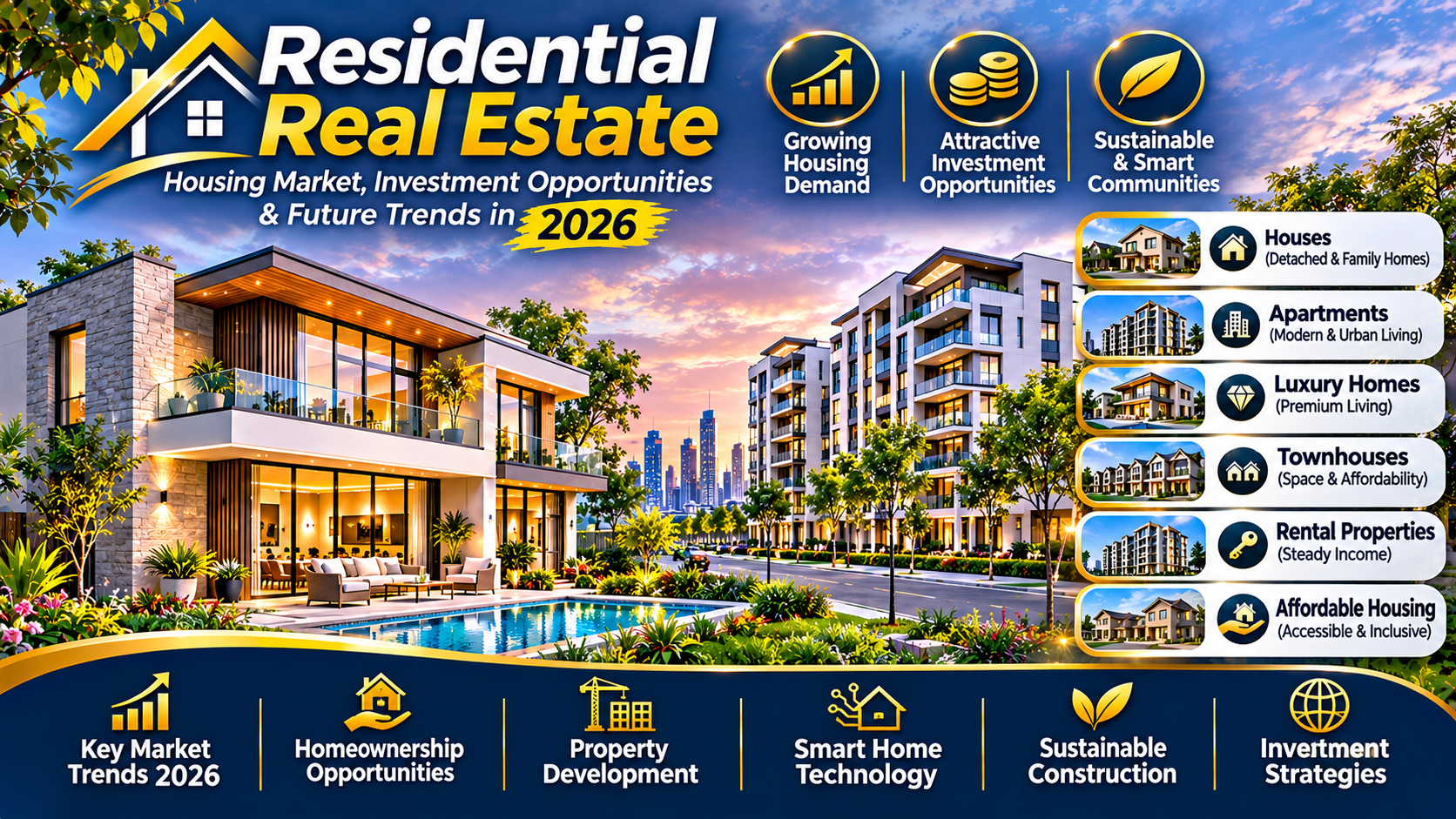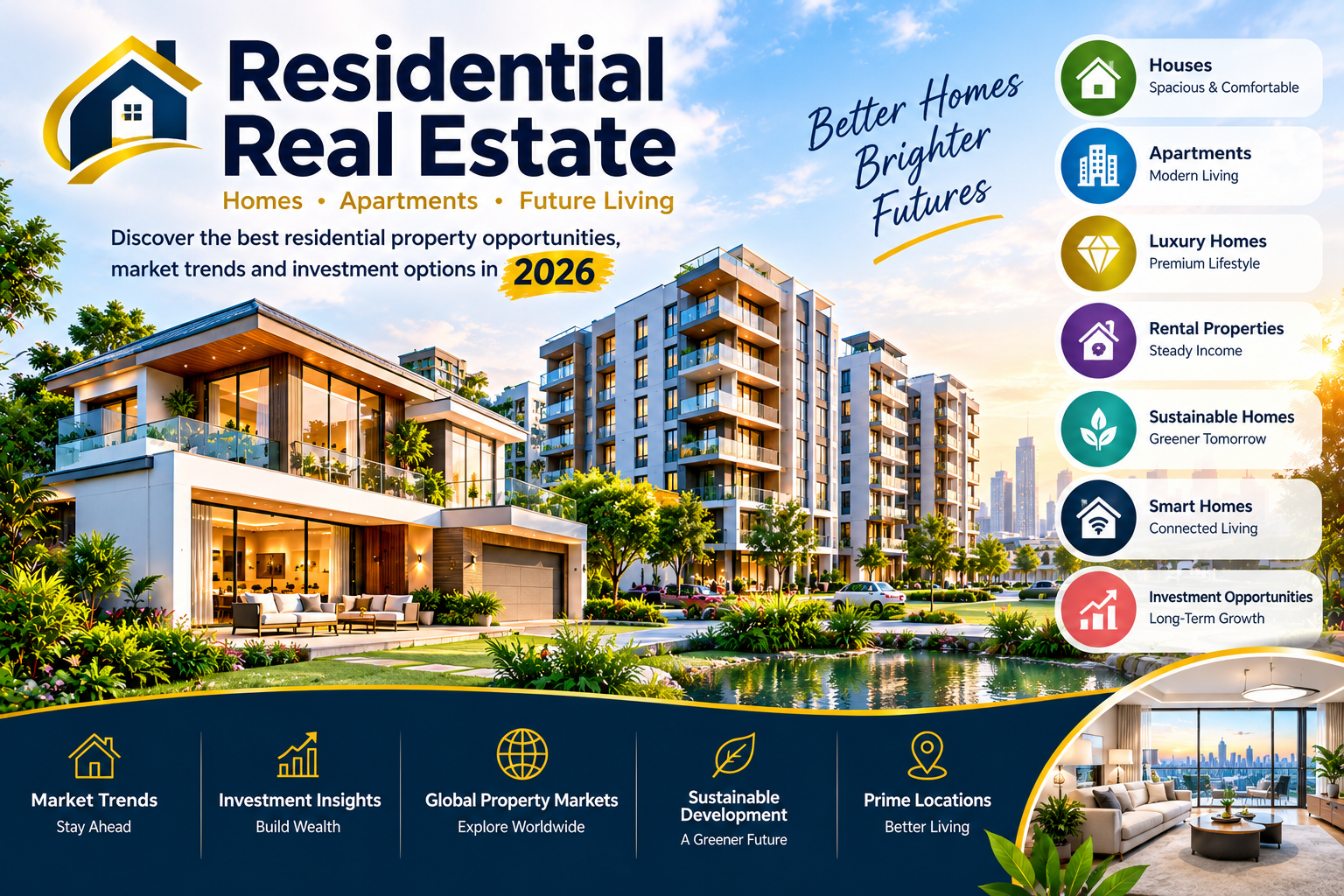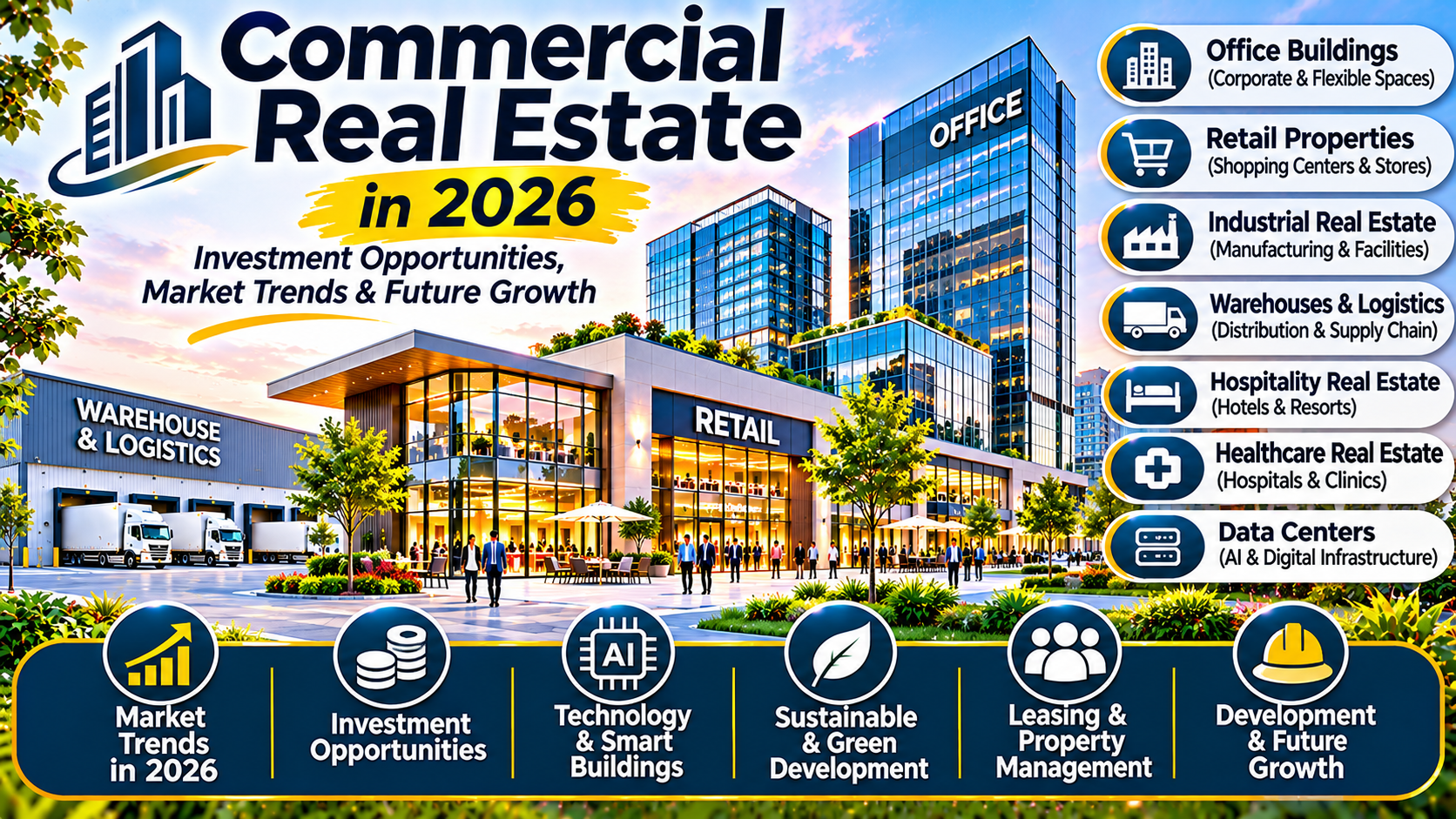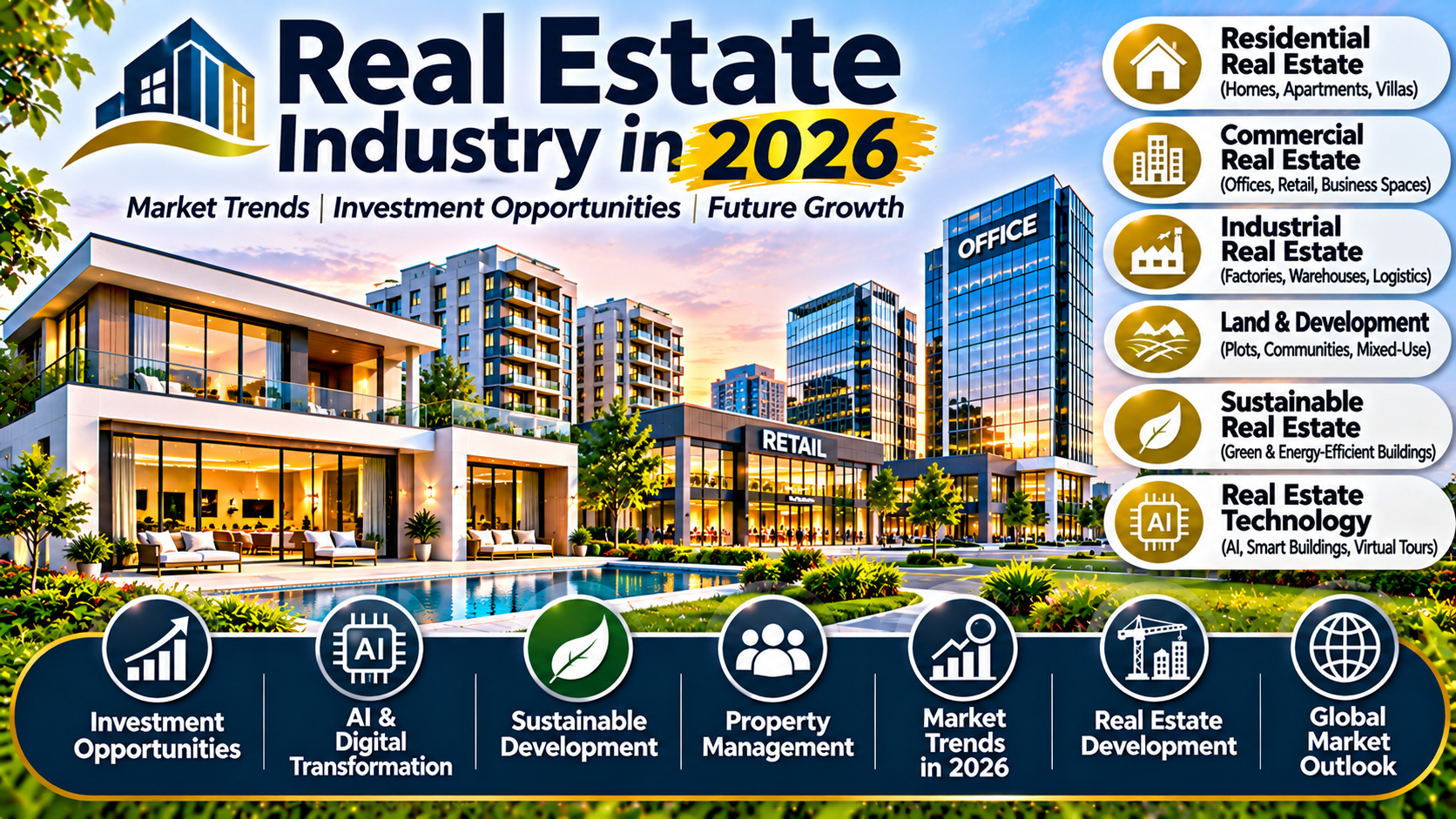
Real estate is no longer limited by geographical boundaries. Investors, businesses, developers, and property professionals increasingly look beyond their domestic markets to understand international property opportunities. From residential developments and commercial buildings to industrial facilities, logistics centers, and hospitality projects, global real estate represents a diverse and evolving part of the world economy. BullNext Global Properties explores this international property landscape by examining the markets, developments, technologies, and economic factors influencing real estate across different countries and regions.
As cities expand, businesses enter new markets, infrastructure improves, and consumer preferences change, understanding international property markets becomes increasingly important. However, successful property decisions require more than comparing prices. Investors must evaluate local demand, legal frameworks, financing conditions, currency movements, infrastructure, and long-term economic fundamentals.
This guide explores the major areas of global real estate, emerging investment opportunities, industry trends, and the factors shaping the future of international property markets.
What Is BullNext Global Properties?
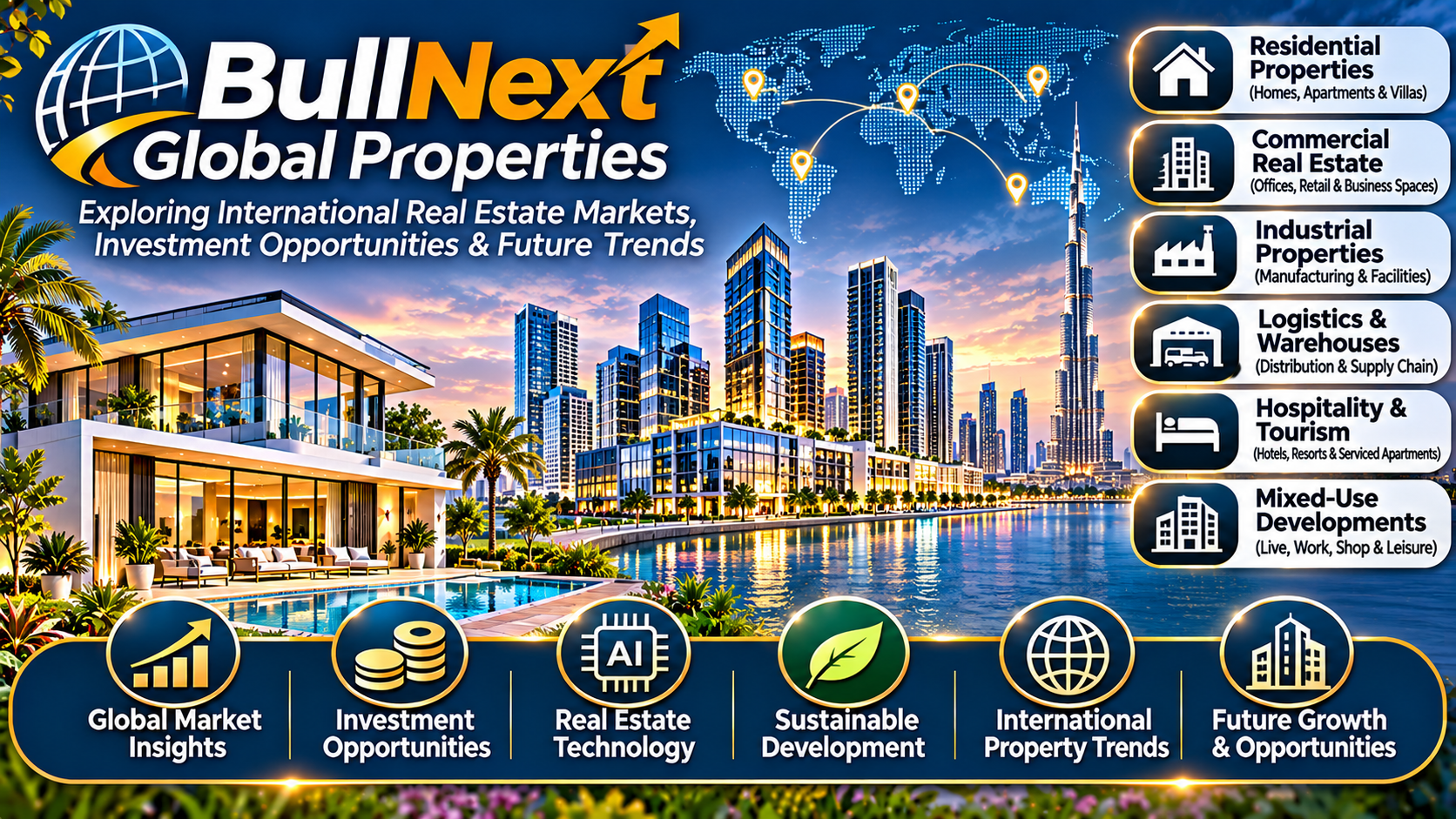
BullNext Global Properties is a real estate coverage area focused on international property markets and developments. It explores how residential, commercial, industrial, logistics, hospitality, and mixed-use properties connect with wider economic and business trends.
The coverage provides readers with a broader perspective on the global property industry, including:
International residential property markets
Commercial buildings and office developments
Industrial and manufacturing properties
Warehouses and logistics facilities
Hotels and hospitality developments
Mixed-use communities
Property development and infrastructure
Real estate technology and sustainability
International investment trends
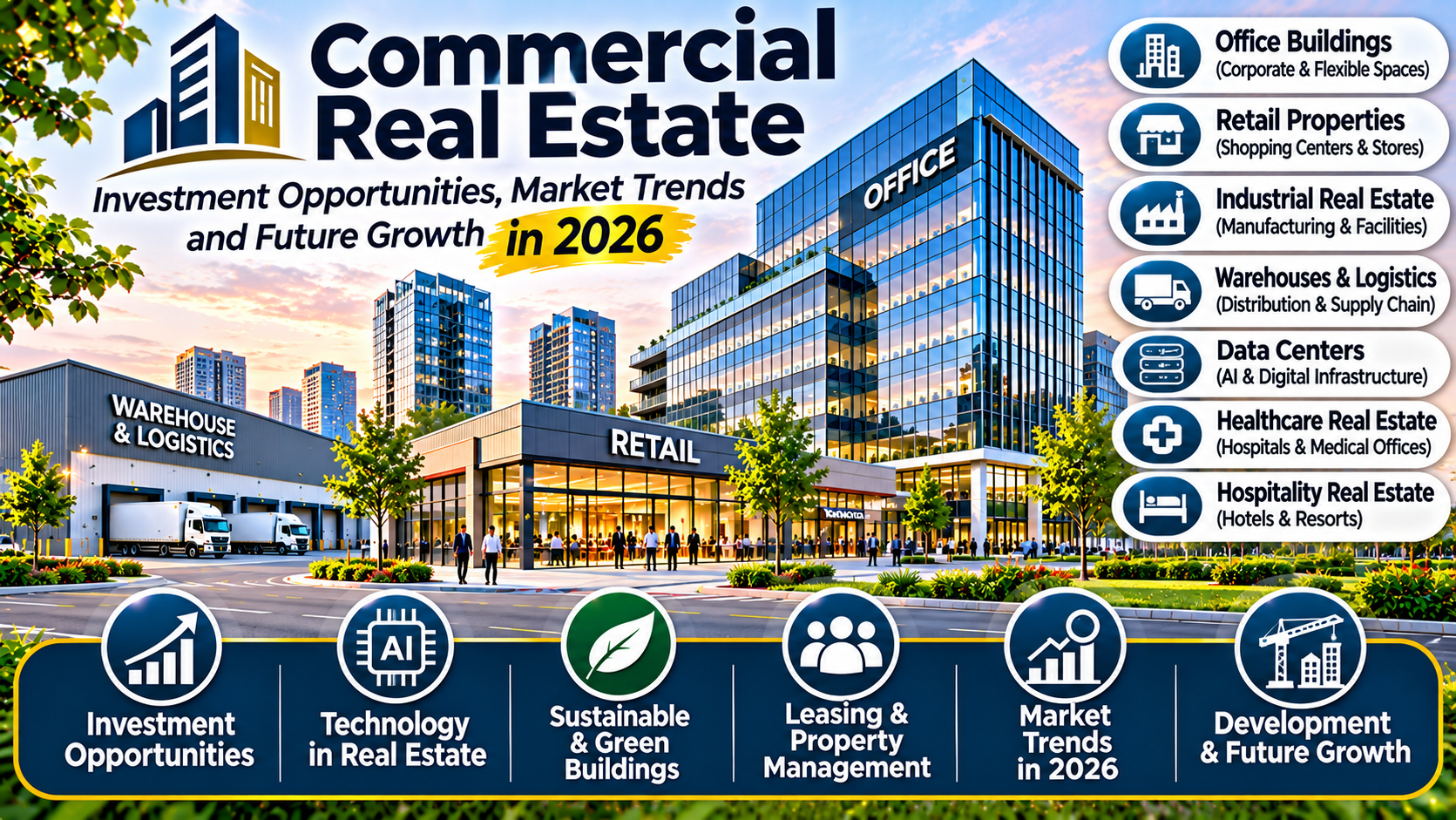
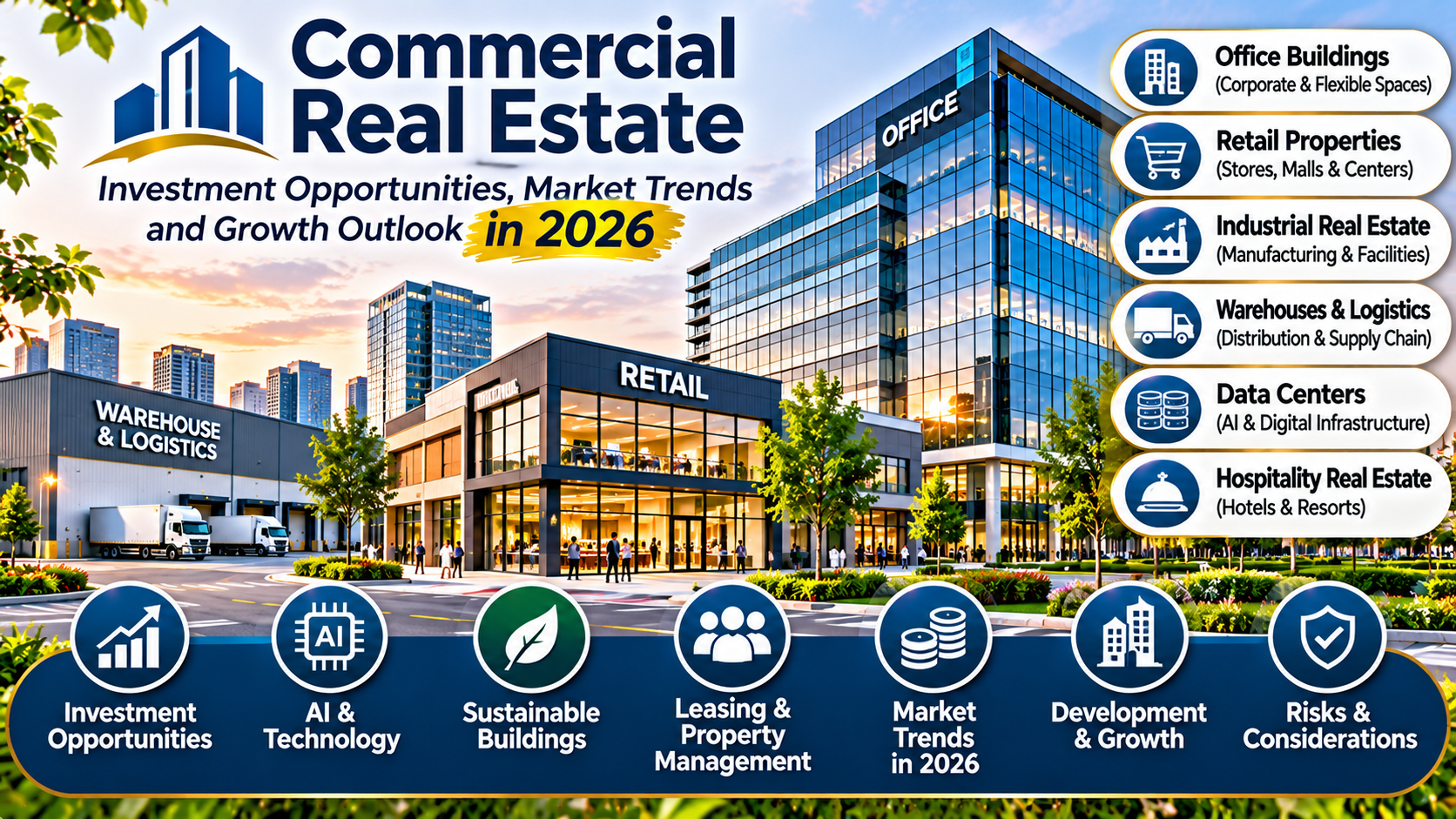
BullNext's broader Real Estate coverage also includes Commercial Real Estate and Residential Real Estate, allowing readers to explore different segments of the property industry.
Understanding the Global Real Estate Market
The global real estate market includes properties located across different countries, cities, and economic regions. Each market operates under its own financial conditions, regulations, demographics, construction standards, and property demand.
For example, a major financial center may attract demand for office buildings and premium residential developments. A manufacturing region may require industrial facilities and warehouses, while a popular tourism destination may support hotels, resorts, and vacation properties.
Several factors influence international real estate markets:
Economic growth: Expanding economies can support employment, business activity, infrastructure, and property demand.
Population changes: Population growth, migration, and urbanization can influence housing requirements and demand for community services.
Infrastructure: Roads, airports, public transportation, ports, and utilities can affect accessibility and development potential.
Employment opportunities: Locations attracting businesses and skilled workers may experience changing demand for residential and commercial properties.
Government policies: Property ownership laws, taxation, foreign investment rules, and planning regulations influence investment decisions.
Understanding these factors helps readers evaluate international markets more effectively.
Major Types of Global Properties
Global real estate includes several property categories, each serving different purposes and responding to different market conditions.
1. Residential Properties
<PRIVATE_PERSON>Residential real estate includes homes, apartments, condominiums, villas, and other properties designed for people to live in.
International residential markets are influenced by population growth, affordability, employment, migration, interest rates, and household preferences.
Popular residential property segments include:
Luxury apartments
Single-family homes
Residential communities
Condominiums
Vacation homes
Rental apartments
Affordable housing developments
Investors researching residential markets should consider rental demand, property maintenance, local regulations, financing costs, and the long-term affordability of the location.
2. Commercial Real Estate
Commercial real estate includes properties used for business and income-generating activities.
Examples include:
Office buildings
Shopping centers
Retail stores
Business parks
Corporate headquarters
Mixed-use commercial developments
The demand for commercial properties can change with business expansion, consumer spending, employment patterns, and workplace preferences.
Modern commercial developments increasingly incorporate flexible workspaces, digital infrastructure, energy-efficient systems, and shared facilities.
3. Industrial Properties
Industrial real estate supports manufacturing, production, storage, and distribution activities.
Common property types include factories, manufacturing facilities, industrial parks, and specialized production buildings.
Industrial property demand can be influenced by supply-chain changes, manufacturing investment, international trade, and transportation infrastructure.
Locations with reliable utilities, skilled labor, transportation access, and suitable industrial zoning may attract businesses seeking operational facilities.
4. Warehouses and Logistics Properties
The growth of online shopping and international distribution networks has increased the importance of logistics infrastructure.
Warehouses and distribution centers help businesses store, organize, and transport products.
Important logistics property features include:
Proximity to highways and transportation networks
Access to ports and airports
Efficient loading and unloading facilities
Modern storage systems
Reliable electricity and utilities
Space for distribution operations
Investors and businesses evaluating logistics markets should consider trade activity, transportation costs, regional demand, and competition.
5. Hospitality and Tourism Properties
Hospitality real estate includes hotels, resorts, serviced apartments, holiday properties, and tourism-related developments.
Demand can depend on tourism activity, business travel, international connectivity, local attractions, and consumer spending.
International destinations with established tourism infrastructure may attract hospitality development, although seasonal demand and operating costs can create challenges.
6. Mixed-Use Developments
Mixed-use developments combine different property functions within one project or connected area.
A development might include residential apartments, offices, retail spaces, restaurants, hotels, and recreational facilities.
These projects aim to create convenient communities where people can live, work, shop, and access services within a connected environment.
Their success depends on location, planning, transportation, tenant demand, construction quality, and effective management.
Global Property Investment Opportunities in 2026
International property investment can offer access to different economic regions and property sectors. However, opportunities vary considerably between countries and cities.
Rather than assuming that one market will outperform every other market, investors should evaluate individual locations according to their objectives and risk tolerance.
Emerging Urban Markets
Growing cities may create demand for housing, retail facilities, offices, transportation infrastructure, and community services.
Important research factors include population growth, employment opportunities, household income, infrastructure investment, and property supply.
International Business Centers
Established financial and commercial centers may attract multinational companies, professional services, and international employees.
These economic activities can support demand for offices, apartments, hotels, and commercial facilities.
Logistics and Industrial Hubs
Locations near ports, airports, highways, and manufacturing clusters may attract logistics and industrial businesses.
Investors should evaluate transportation connectivity, trade activity, industrial demand, land availability, and operating expenses.
Tourism and Hospitality Destinations
Tourism-focused regions may create opportunities for hotels, resorts, serviced apartments, and vacation developments.
However, investors should assess seasonal occupancy, local competition, operating costs, tourism infrastructure, and regulatory requirements.
Sustainable Property Developments
Energy-efficient buildings and environmentally responsible developments are becoming important subjects in international property research.
Projects incorporating efficient energy systems, water conservation, sustainable materials, and smart building technologies may appeal to tenants and businesses with environmental objectives.
Factors to Consider Before Investing in International Real Estate
Investing in property abroad requires careful preparation. Different countries have different legal systems, financial regulations, taxes, and ownership requirements.
Before considering an international property purchase, investors should evaluate the following factors.
Factor | What to Research |
|---|---|
Location | Accessibility, neighborhood quality, and infrastructure |
Market demand | Buyers, tenants, population, and business activity |
Legal requirements | Ownership rights, foreign investment rules, and documentation |
Taxation | Property taxes, transaction costs, and rental income taxation |
Currency | Exchange-rate movements and transfer costs |
Financing | Mortgage availability, interest rates, and lending conditions |
Property condition | Construction quality, maintenance, and inspections |
Management | Local property management and maintenance services |
Liquidity | Potential resale demand and selling time |
A property that appears affordable may involve additional expenses such as legal fees, taxes, insurance, maintenance, financing, and currency conversion.
Professional legal, tax, and financial advice can help investors understand these obligations before making commitments.
How Technology Is Transforming Global Properties
Technology is changing how real estate professionals research, market, purchase, develop, and manage properties.
Digital platforms make it easier to discover international listings, compare locations, communicate with agents, and explore property information remotely.
Artificial Intelligence in Real Estate
Artificial intelligence can support real estate research and operations through:
Property data analysis
Market trend identification
Automated customer communication
Predictive maintenance
Property recommendations
Administrative automation
Investment research support
AI can help organize large amounts of information, but its results should be checked against reliable data and local market expertise.
Virtual Property Tours
Virtual tours and high-quality digital presentations allow potential buyers and tenants to examine properties remotely.
These technologies can be useful for international buyers who cannot immediately travel to a property location.
However, virtual tours should complement—not replace—physical inspections and independent property verification.
Smart Property Management
Digital management systems can help property owners monitor maintenance requests, rental payments, building access, energy usage, and tenant communication.
For international property owners, reliable local management combined with digital reporting can improve visibility into property operations.
Sustainability and the Future of International Property
Sustainability is becoming an important consideration in global property development and building management.
Modern developments increasingly explore ways to reduce energy consumption, conserve water, improve indoor environments, and manage waste.
Common sustainable property features include:
Energy-efficient lighting
Solar energy systems
Water-saving fixtures
Efficient heating and cooling
Sustainable construction materials
Smart energy monitoring
Green spaces and landscaping
Waste management systems
The commercial importance of these features depends on local regulations, construction costs, energy prices, tenant preferences, and building requirements.
For developers, sustainability can be part of a broader strategy to improve building performance and respond to changing market expectations.
Global Real Estate Challenges and Risks
International property markets can offer different opportunities, but they also involve risks that should not be overlooked.
Economic Uncertainty
Changes in economic growth, employment, inflation, and consumer confidence can influence property demand and financing conditions.
Currency Fluctuations
Exchange-rate movements can affect purchase costs, rental income, loan repayments, and eventual resale proceeds for international investors.
Legal and Regulatory Differences
Property ownership rules, foreign investment restrictions, taxation, and registration requirements vary between countries.
Investors should verify applicable laws before purchasing property.
Financing Costs
Interest rates, lending requirements, deposit levels, and mortgage availability can influence investment affordability.
Vacancy and Rental Risks
A property may generate less income than expected if tenants cannot be secured or rental demand declines.
Property Management Difficulties
Managing a property from another country can create challenges involving maintenance, tenant communication, legal compliance, and financial reporting.
Working with qualified local professionals can help address these issues.
How to Research a Global Property Market
A structured research process can help investors and businesses compare international markets more effectively.
Step 1: Define the objective
Decide whether the property is intended for residential use, rental income, business operations, development, or another purpose.
Step 2: Select potential locations
Compare cities and regions according to infrastructure, employment, population trends, economic activity, and accessibility.
Step 3: Examine market fundamentals
Research property prices, rental demand, vacancy, construction activity, supply, and comparable transactions.
Step 4: Verify legal requirements
Understand ownership rights, foreign investment restrictions, property registration, taxes, and transaction procedures.
Step 5: Calculate the complete cost
Include the purchase price, taxes, legal fees, financing, insurance, maintenance, management, and currency-related expenses.
Step 6: Verify the property
Review ownership documents, property condition, building approvals, zoning, utilities, and any outstanding obligations.
Step 7: Consult local professionals
Use qualified local legal, financial, tax, and property professionals where appropriate.
Step 8: Make an informed decision
Compare the property's costs, potential benefits, risks, and suitability against the original investment objectives.
The Role of Infrastructure in Global Property Development
Infrastructure is one of the important foundations of real estate development.
Transportation networks, airports, ports, electricity, water systems, telecommunications, and public services can influence where businesses and communities develop.
For example, improved highway access may support logistics facilities, while better public transportation can increase accessibility to residential and commercial areas.
Infrastructure investment can also influence land development, construction activity, and demand for supporting services.
However, announced infrastructure projects should not automatically be treated as guaranteed increases in property values. Investors should verify project funding, timelines, approvals, and actual development progress.
Global Properties and Opportunities in Pakistan
Pakistan is an important market to consider within the broader international real estate landscape.
Its property sector includes residential housing, commercial developments, retail centers, industrial facilities, agricultural land, and infrastructure-related projects.
Major urban centers such as Karachi, Lahore, and Islamabad have different economic characteristics, property requirements, and development patterns.
Potential areas of research include:
Residential housing and apartment developments
Commercial offices and retail properties
Industrial and logistics facilities
Warehousing and distribution infrastructure
Hospitality and tourism developments
Mixed-use communities
Sustainable building projects
Investors should pay particular attention to property documentation, land ownership, development approvals, taxation, construction quality, and applicable regulations.
For overseas Pakistanis and international buyers, independent verification and qualified legal advice are especially important before transferring funds or signing agreements.
The Future of BullNext Global Properties
The international property industry will continue to evolve alongside economic development, population changes, infrastructure investment, and technological innovation.
Several themes are likely to influence future real estate discussions.
Artificial Intelligence and Data-Driven Research
AI-powered tools may make property research, market comparisons, and building management more efficient.
Smart Buildings
Connected building systems can help monitor energy consumption, security, maintenance, and operational performance.
Growth of Logistics Infrastructure
Changes in global trade, online shopping, and supply-chain management may continue to influence warehouse and distribution property requirements.
Changing Residential Preferences
Urban lifestyles, remote working, affordability, and household needs will continue to influence residential property demand.
Sustainable Development
Energy efficiency, water conservation, and environmentally responsible construction are likely to remain important development considerations.
Mixed-Use Communities
Integrated residential, commercial, retail, and recreational developments may continue attracting interest where planning, accessibility, and local demand support them.
These developments are research themes rather than guaranteed predictions of property returns. Local market conditions will remain essential.
Why BullNext Global Properties Matters to Readers
Understanding global real estate requires a broad perspective. Property markets are connected to business expansion, economic activity, population movements, technology, infrastructure, and international investment.
BullNext Global Properties provides a dedicated subject area for exploring these relationships and examining the developments influencing international property markets.
Readers can use this coverage to learn about different property categories, understand market fundamentals, explore development trends, and identify the questions that matter when researching property opportunities across borders.
The goal is not simply to compare property prices. It is to understand the economic and practical conditions that shape real estate markets.
Frequently Asked Questions
What is BullNext Global Properties?
BullNext Global Properties is a real estate coverage area focused on international property markets, developments, investment themes, and industry trends.
What types of properties are included?
The subject covers residential homes, apartments, office buildings, retail centers, industrial facilities, warehouses, logistics centers, hotels, mixed-use developments, and development land.
Why is global real estate important?
Global real estate connects property markets with economic growth, business expansion, urban development, infrastructure, population changes, and international investment.
What should investors research before buying property abroad?
Investors should examine local demand, property documentation, ownership laws, taxes, financing, currency exposure, infrastructure, property condition, and management requirements.
Can technology help with international property research?
Yes. Digital platforms, virtual tours, AI-assisted analysis, and property management systems can support research and operations. However, information should be independently verified.
Is international property investment risk-free?
No. International property investments can involve economic uncertainty, currency fluctuations, legal restrictions, vacancy, financing costs, maintenance expenses, and limited liquidity.
Why is local expertise important?
Local professionals can help explain property regulations, ownership documents, taxes, construction standards, market conditions, and neighborhood characteristics.
What is the future of global real estate?
Important themes include smart buildings, AI-powered property research, sustainable construction, logistics infrastructure, urban development, and changing residential preferences.
Conclusion
BullNext Global Properties explores the increasingly connected world of international real estate. From residential communities and commercial developments to industrial facilities, logistics centers, hospitality projects, and mixed-use properties, global real estate covers a wide range of markets and opportunities.
Understanding these markets requires more than comparing prices. Location, infrastructure, economic activity, demographics, legal requirements, financing, currency movements, technology, and sustainability all contribute to the wider property landscape.
For investors, businesses, developers, and property professionals, a combination of global research and local expertise can provide a stronger foundation for evaluating international real estate.
As cities grow, businesses expand, and technology transforms the way properties are developed and managed, BullNext Global Properties offers readers a dedicated perspective on the trends and developments shaping the future of property markets around the world.