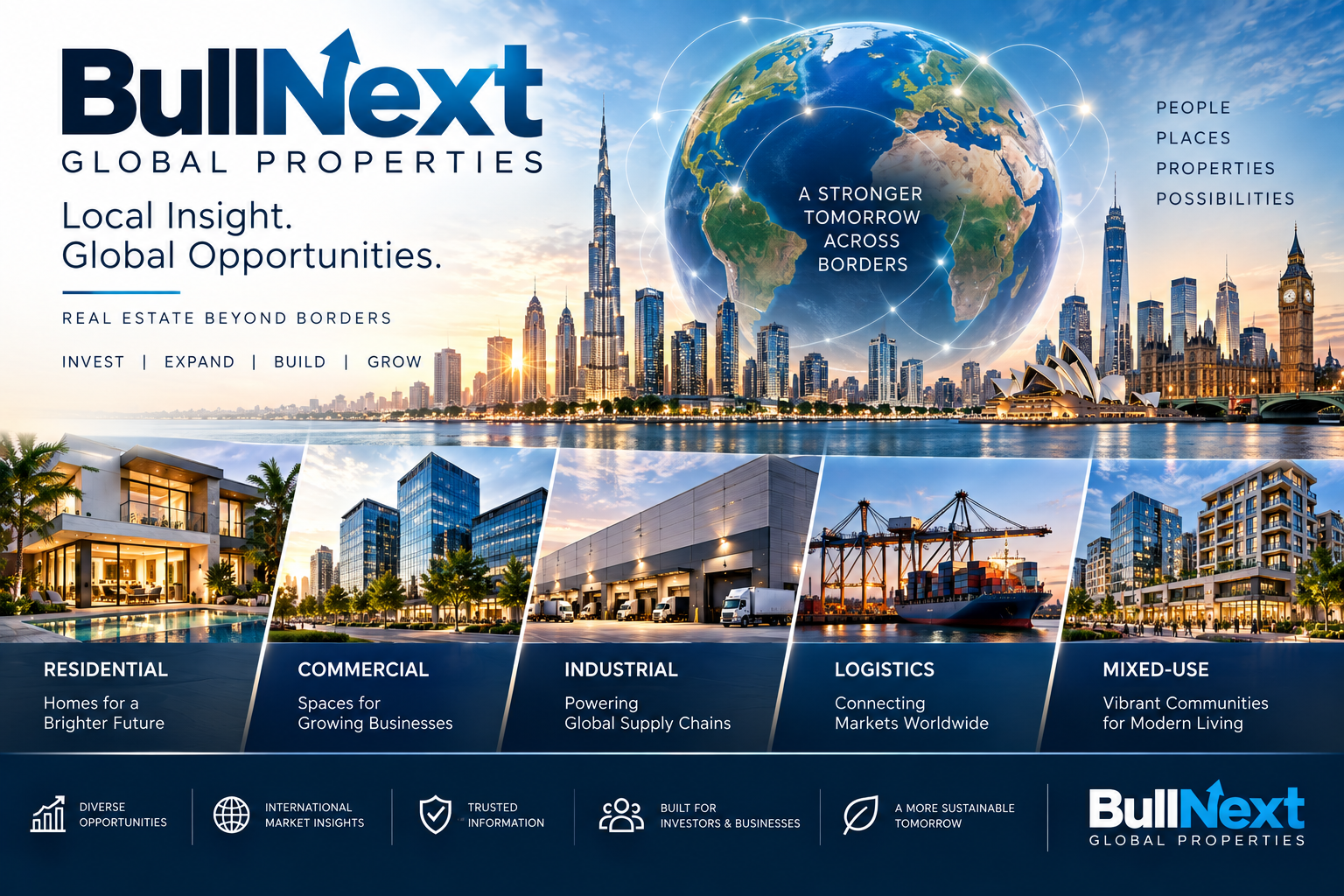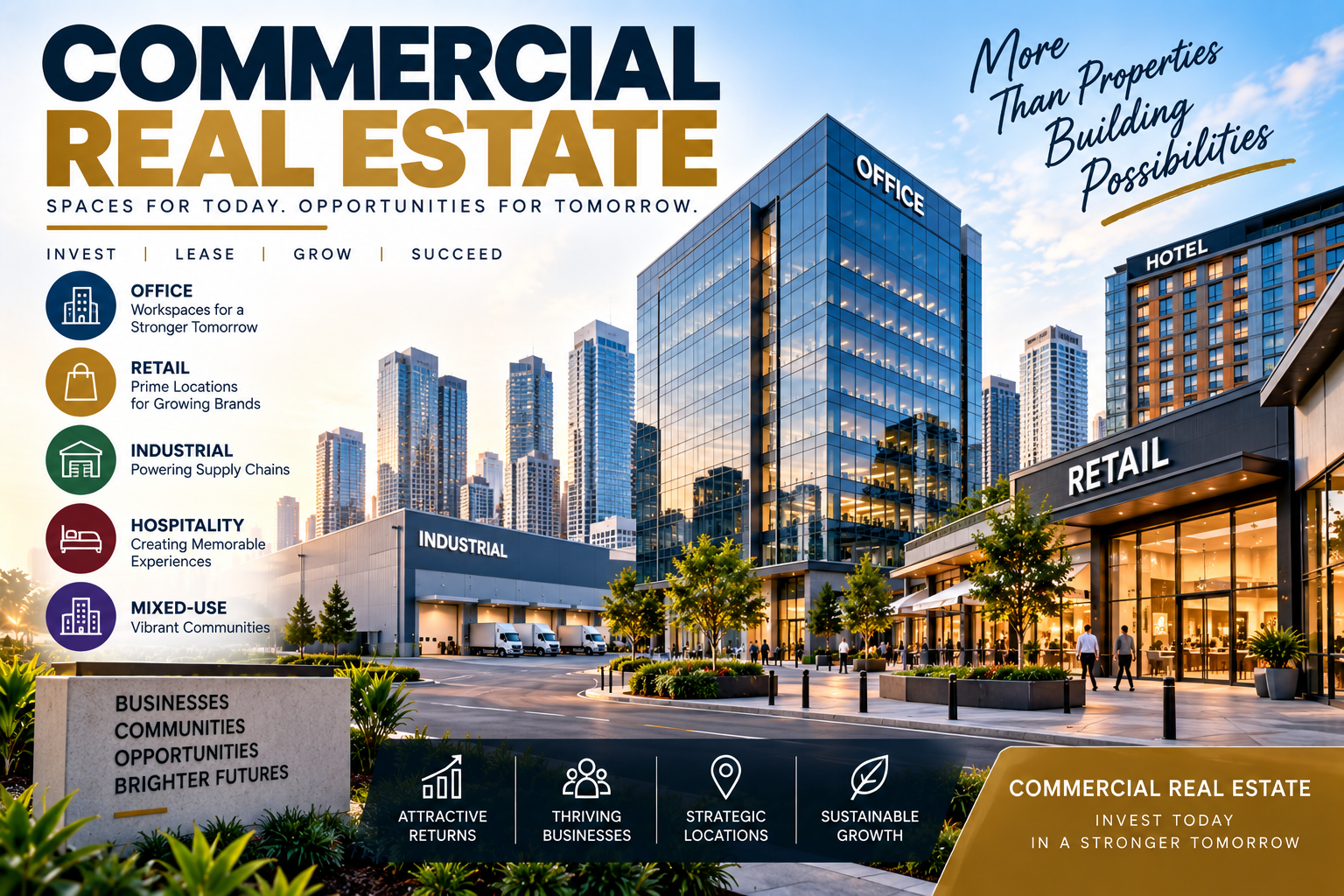

Real estate is one of the most important sectors of the global economy. It includes the properties where people live, businesses operate, products are stored, and communities develop. From residential homes and apartments to office buildings, retail centers, warehouses, and undeveloped land, real estate offers a wide range of property types and opportunities.
For many people, buying real estate is one of the largest financial decisions they will make. For investors, property can potentially provide rental income and long-term appreciation. Businesses also rely on real estate to establish offices, stores, warehouses, and other facilities.
However, the real estate market can be complex. Property prices and demand are influenced by location, interest rates, economic conditions, population growth, infrastructure, supply and demand, and changing consumer preferences. Understanding these factors can help buyers and investors make more informed decisions.
What Is Real Estate?
Real estate refers to land and permanent structures attached to that land. This can include houses, apartments, office buildings, retail spaces, factories, warehouses, hotels, and vacant land.
The real estate industry involves much more than buying and selling property. It includes property development, leasing, property management, financing, construction, valuation, marketing, and investment.
Real estate is commonly divided into four major categories: residential, commercial, industrial, and land.
Types of Real Estate
Residential Real Estate
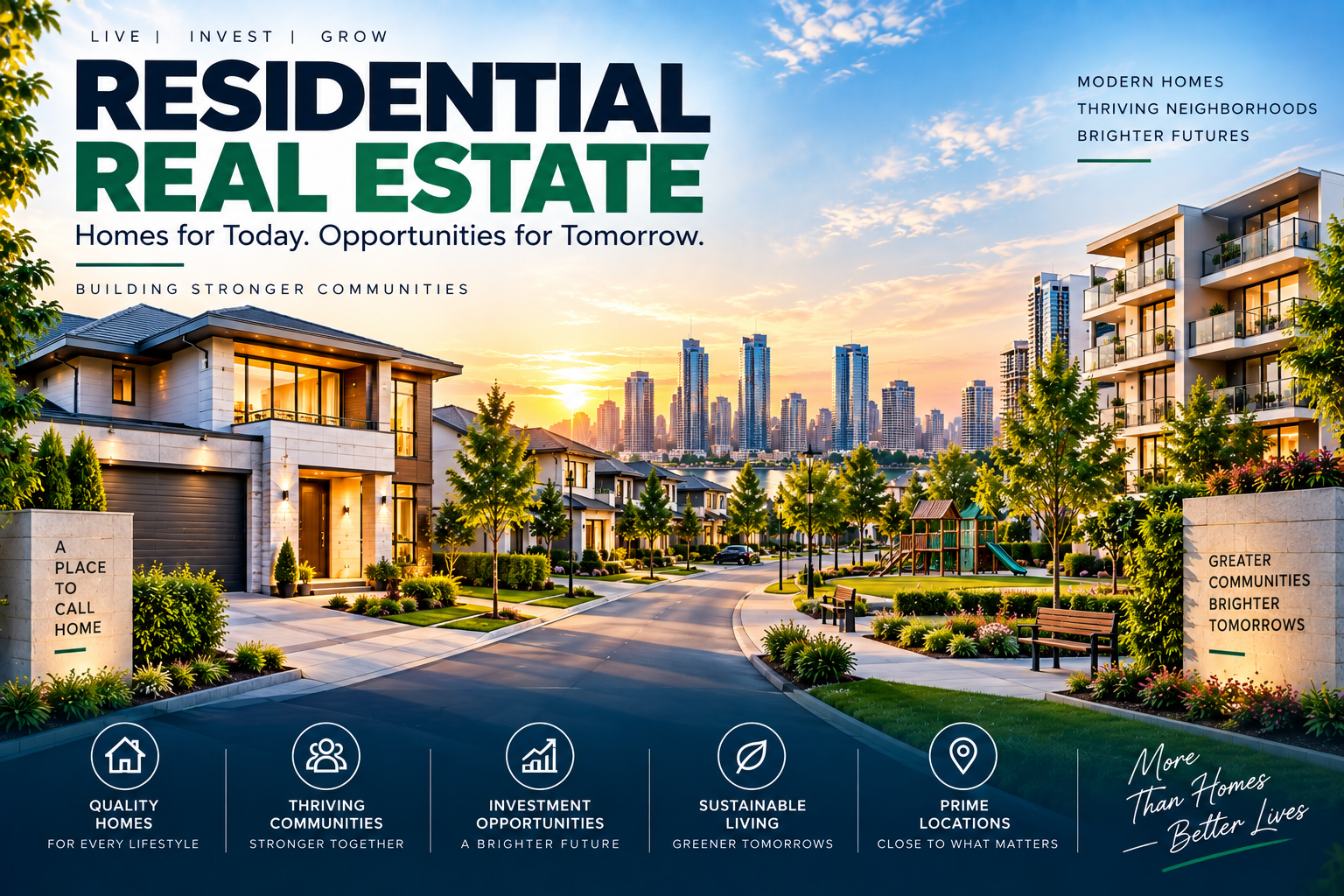
Residential real estate includes properties designed primarily for people to live in. Houses, apartments, condominiums, townhouses, and other housing units fall into this category.
People may purchase residential property for personal use or as an investment. Investors can rent properties to tenants and potentially generate regular rental income.
When evaluating residential real estate, buyers often consider location, schools, transportation, safety, property condition, amenities, and future resale potential.
Commercial Real Estate
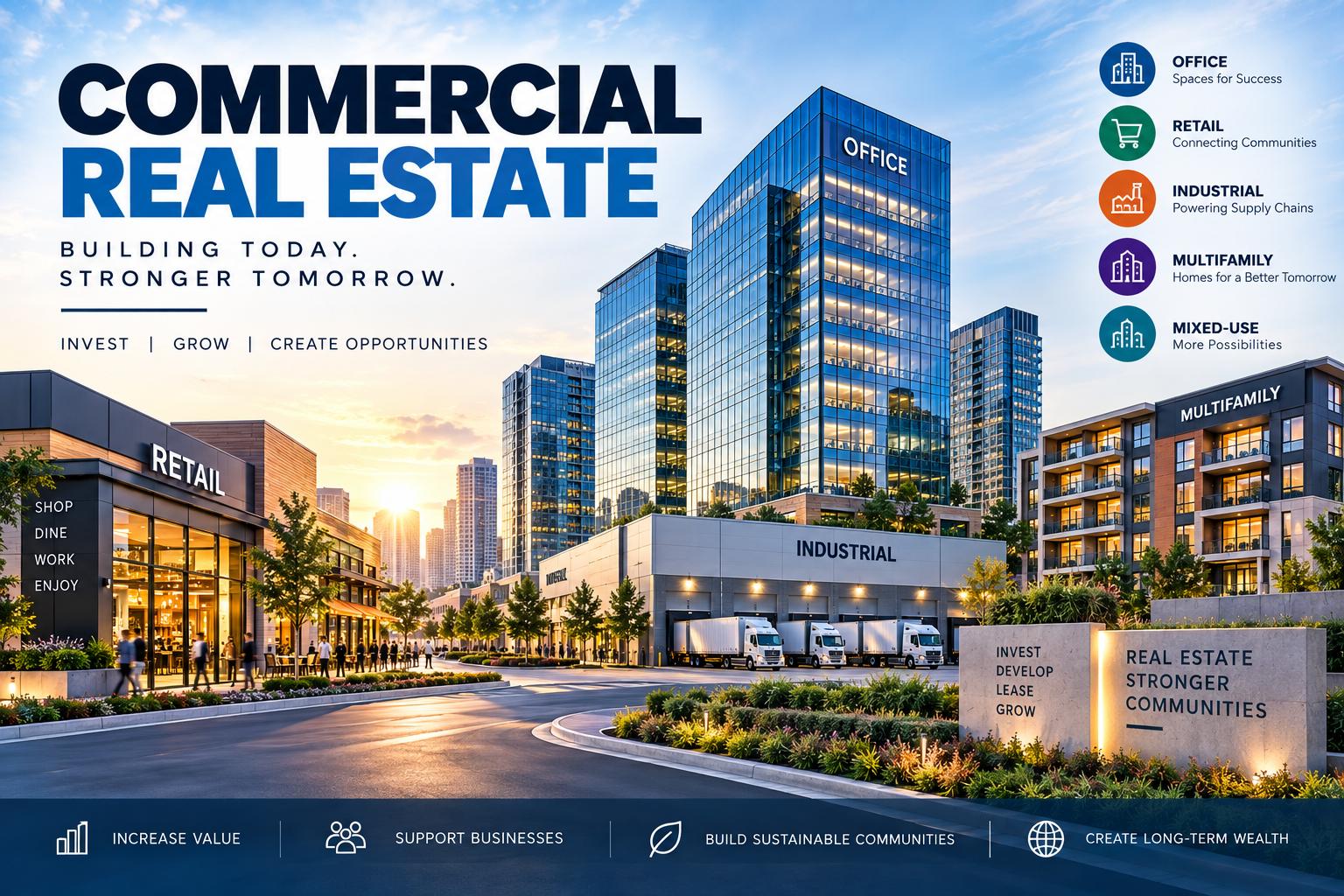
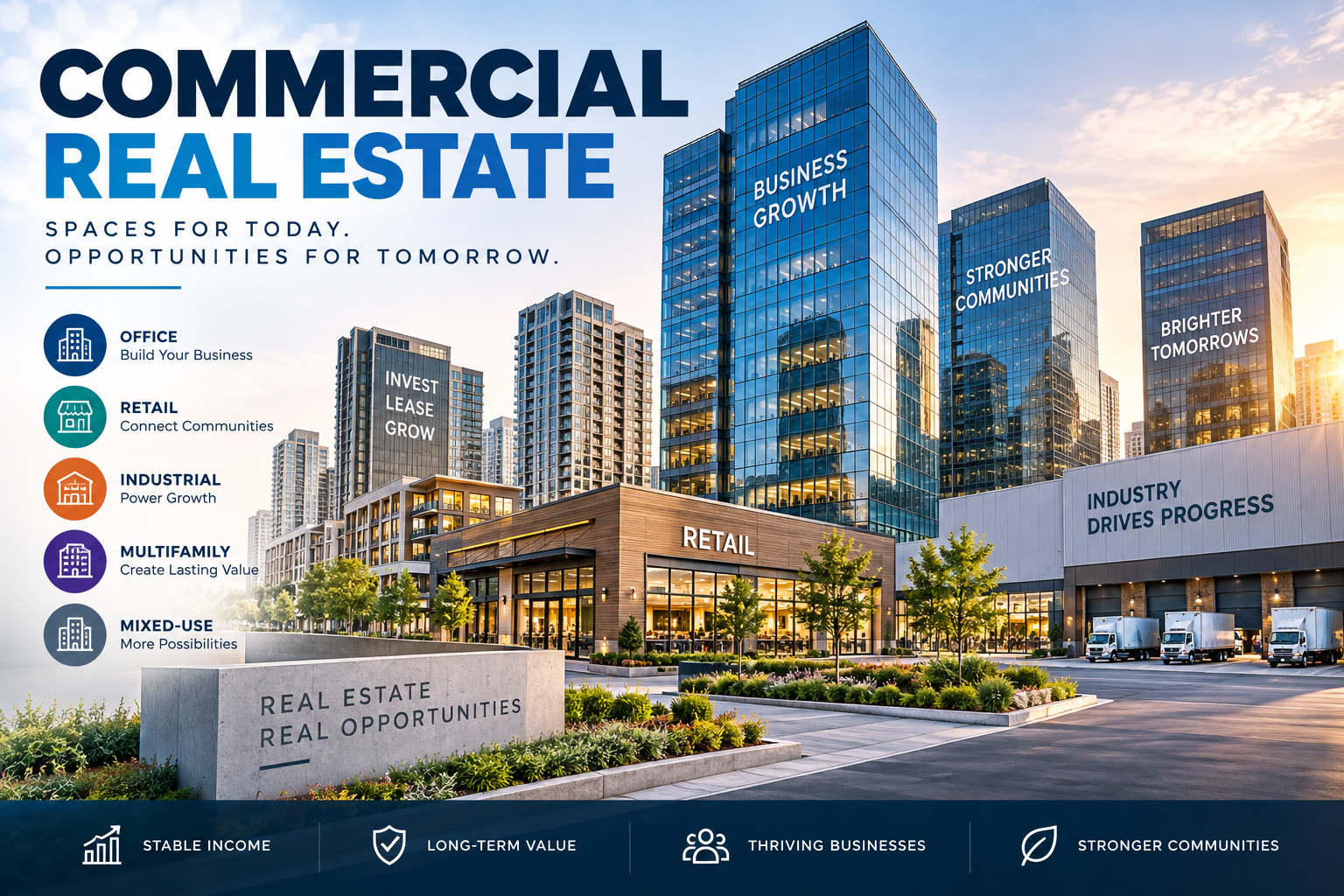
Commercial real estate consists of properties primarily used for business purposes. Office buildings, retail stores, shopping centers, restaurants, hotels, and other business properties are common examples.
Commercial real estate can be an attractive investment category because properties may generate rental income from business tenants. However, commercial transactions often involve more complex leases, financing arrangements, and operating costs.
Industrial Real Estate
Industrial real estate includes warehouses, factories, manufacturing facilities, logistics centers, and distribution properties.
The location of industrial properties is often closely connected to transportation infrastructure. Access to highways, airports, ports, railways, and major population centers can influence demand.
Land
Vacant or undeveloped land is another category of real estate. Land may be purchased for residential construction, commercial development, agriculture, or future investment.
Before purchasing land, buyers should research zoning regulations, utilities, road access, development restrictions, and future infrastructure plans.
Why Location Matters in Real Estate
Location is one of the most important factors affecting real estate.
A property can be renovated, expanded, or redesigned, but its physical location cannot be changed. Properties in convenient locations may attract stronger demand from buyers and tenants.
Important location factors can include:
Access to major roads
Public transportation
Schools and universities
Hospitals and healthcare facilities
Shopping centers and markets
Employment centers
Restaurants and entertainment
Parks and recreational areas
Neighborhood safety
Future infrastructure
Buyers should also research how the area may change in the future. New transportation systems, commercial developments, housing projects, and public facilities can influence property demand and values.
Understanding the Real Estate Market
The real estate market is influenced by supply and demand. When demand is strong and there are relatively few properties available, competition among buyers can increase.
When property inventory is high and demand is weaker, buyers may have more negotiating power.
Interest rates are another important factor. Higher borrowing costs can make mortgages less affordable and may reduce purchasing activity. Lower borrowing costs can encourage more people to enter the market.
Employment, income levels, population growth, inflation, and overall economic conditions can also affect real estate demand.
Because market conditions vary by location, buyers should focus on local market data rather than relying only on national or international trends.
Buying Real Estate
Buying real estate requires careful financial planning.
Before looking at properties, buyers should establish a realistic budget. The purchase price is only one part of the total cost of owning property.
Additional expenses may include:
Down payment
Mortgage costs
Taxes
Legal fees
Insurance
Property inspections
Repairs
Renovations
Maintenance
Utilities
Moving expenses
Understanding the complete cost can help buyers avoid purchasing a property that creates unnecessary financial pressure.
How to Choose the Right Property
The right real estate property depends on the buyer's goals.
Someone buying a family home may prioritize bedrooms, schools, transportation, and neighborhood amenities. An investor may focus more on rental demand, operating expenses, and potential appreciation.
When comparing properties, consider the property's size, layout, age, construction quality, condition, parking, security, and available amenities.
The surrounding neighborhood should also be evaluated. A property with excellent features may still be a poor choice if the location does not meet the buyer's needs.
Property Inspection and Due Diligence
A property inspection can help buyers identify problems before completing a real estate purchase.
Inspectors may examine areas such as the roof, foundation, plumbing, electrical systems, drainage, heating and cooling equipment, and general structural condition.
Buyers should also conduct legal and financial due diligence. Property ownership records, taxes, permits, boundaries, restrictions, and other relevant documents should be carefully reviewed.
Taking these steps before purchasing can reduce the possibility of unexpected problems later.
Real Estate as an Investment
Real estate investment involves purchasing property with the goal of generating income, achieving long-term appreciation, or both.
Rental properties are one of the most common forms of real estate investment. Investors purchase homes, apartments, or commercial properties and rent them to tenants.
Other investors focus on properties they believe have potential for appreciation. They may hold the property for several years before selling.
Real estate investment can provide opportunities, but it isn't guaranteed to generate profits. Property values can decline, tenants can leave, maintenance costs can increase, and financing conditions can change.
Rental Real Estate
Rental real estate can provide a potential source of recurring income.
Before purchasing a rental property, investors should estimate expected rent and compare it with expenses such as mortgage payments, taxes, insurance, repairs, maintenance, property management, and vacancy periods.
A property that generates high rental income may not necessarily be profitable if its operating expenses are also high.
Investors should therefore evaluate the property's overall cash flow rather than focusing only on its monthly rent.
Real Estate Valuation
Understanding property value is essential when buying or selling real estate.
A property's value can be influenced by location, size, condition, age, design, amenities, rental income, and comparable properties in the same area.
Comparable sales can provide useful information about the prices of similar properties that have recently sold.
Professional appraisals may also help establish an independent estimate of market value.
However, property values can change as market conditions change, so an appraisal represents an assessment rather than a guarantee of future price.
Financing a Real Estate Purchase
Many buyers use mortgages or other financing options to purchase property.
Before choosing financing, buyers should understand the interest rate, loan duration, fees, down payment requirements, and total repayment amount.
A lower monthly payment does not necessarily mean a loan is cheaper overall. Buyers should consider the total cost of financing throughout the loan term.
Maintaining an emergency fund can also help cover unexpected repairs or changes in financial circumstances.
The Role of Real Estate Professionals
Real estate transactions can involve numerous steps and documents.
Real estate agents can help buyers identify properties, arrange viewings, negotiate offers, and navigate the transaction process. Sellers may use agents to market properties, communicate with potential buyers, and negotiate offers.
Other professionals may also be involved, including property inspectors, appraisers, lawyers, mortgage professionals, accountants, architects, and property managers.
Choosing professionals with relevant local experience can help buyers and investors better understand the market and transaction process.
Technology Is Transforming Real Estate
Technology has changed how people search for and interact with real estate.
Online property platforms allow buyers to compare listings, prices, locations, photographs, and property features. Virtual tours can allow potential buyers to explore properties without immediately visiting them in person.
Real estate companies also use digital advertising, customer relationship systems, data analytics, and artificial intelligence.
Smart-home and smart-building technologies are also becoming more common. Automated security, energy management, lighting, and other connected systems can improve convenience and efficiency.
Sustainable Real Estate
Sustainability is becoming increasingly important in property development and ownership.
Energy-efficient buildings can potentially reduce operating costs while improving environmental performance.
Some properties incorporate solar energy, efficient lighting, water-saving systems, improved insulation, sustainable materials, and smart energy controls.
Sustainable features may be particularly attractive to buyers and tenants who want lower operating costs and more environmentally responsible buildings.
Common Real Estate Mistakes
Buying property without adequate research can lead to expensive mistakes.
One common mistake is focusing only on the purchase price while ignoring taxes, maintenance, repairs, insurance, and financing costs.
Another mistake is buying based entirely on emotions. A property may look attractive, but buyers should still evaluate its location, condition, legal status, and financial implications.
Assuming that real estate prices will always increase is also risky. Markets can experience periods of growth, stability, and decline.
Failing to inspect a property or verify its legal documentation can create additional problems.
How to Make Better Real Estate Decisions
Successful real estate decisions generally begin with clear goals and thorough research.
Start by deciding what you want from the property. Determine whether you are looking for a home, rental income, business space, land, or long-term investment.
Create a realistic budget and account for both initial and ongoing costs.
Research the local real estate market and compare several properties before making an offer.
Finally, review the property's physical condition, financial details, and legal documentation. When necessary, seek advice from qualified professionals.
Future Trends in Real Estate
The future of real estate will be influenced by technology, demographics, urbanization, economic conditions, sustainability, and changing lifestyles.
Digital property platforms will likely continue improving how buyers and sellers interact with the market.
Artificial intelligence and data analytics may become increasingly useful for property valuation, market research, customer service, and property management.
Sustainable construction and energy-efficient buildings may also become more important as property owners and developers look for ways to reduce operating costs and environmental impact.
Changing work patterns may continue to influence office real estate, while e-commerce and logistics growth may support demand for certain industrial properties.
Final Thoughts
Real estate provides opportunities for homeowners, investors, businesses, developers, and landlords. Whether the goal is to purchase a family home, generate rental income, establish a business location, or build a long-term investment portfolio, property decisions require careful planning.
Understanding the real estate market, researching locations, evaluating property condition, calculating total costs, reviewing legal documents, and considering future demand can help buyers make more informed choices.
There is no single property that is right for everyone. The best real estate decision is one that matches your budget, objectives, lifestyle, and long-term financial plans.
Frequently Asked Questions About Real Estate
What is real estate?
Real estate refers to land and permanent structures attached to it, including houses, apartments, offices, retail properties, warehouses, and other buildings.
What are the main types of real estate?
The main types are residential real estate, commercial real estate, industrial real estate, and land. Each category has different uses, market conditions, and investment characteristics.
Is real estate a good investment?
Real estate can potentially generate rental income and appreciate in value over time. However, it also involves risks such as market fluctuations, vacancies, maintenance costs, and financing expenses.
What factors affect real estate prices?
Location, supply and demand, interest rates, economic conditions, employment, population growth, infrastructure, property condition, and future development can all influence real estate prices.
Why is location important when buying real estate?
Location affects convenience, demand, accessibility, rental potential, and potential resale appeal. Properties near transportation, schools, healthcare, employment centers, and other amenities may attract stronger demand.
What should I check before buying a property?
Buyers should evaluate the property's price, location, condition, legal documents, taxes, financing, maintenance costs, neighborhood, and potential future demand.
Can real estate generate passive income?
Rental real estate can generate recurring rental income, but property ownership still involves responsibilities and expenses. Maintenance, vacancies, taxes, insurance, repairs, and management costs should be considered.
What is real estate appreciation?
Real estate appreciation is an increase in a property's market value over time. It can be influenced by demand, location, infrastructure, economic growth, and limited supply, but appreciation is not guaranteed.
Should I get a property inspection?
A professional property inspection is recommended before purchasing real estate because it can identify structural, electrical, plumbing, roofing, and other potential problems.
How does technology affect real estate?
Technology has made property searches, virtual tours, digital marketing, market analysis, property management, and communication more efficient. Artificial intelligence and data analytics are also increasingly used in the industry.
Can real estate prices decrease?
Yes. Real estate prices can decline due to weaker demand, increased supply, economic downturns, higher interest rates, changes in local conditions, or other market factors.
What are common mistakes in real estate investing?
Common mistakes include failing to research the market, underestimating expenses, ignoring property inspections, overlooking legal documentation, taking on excessive debt, and assuming that property prices will always rise.