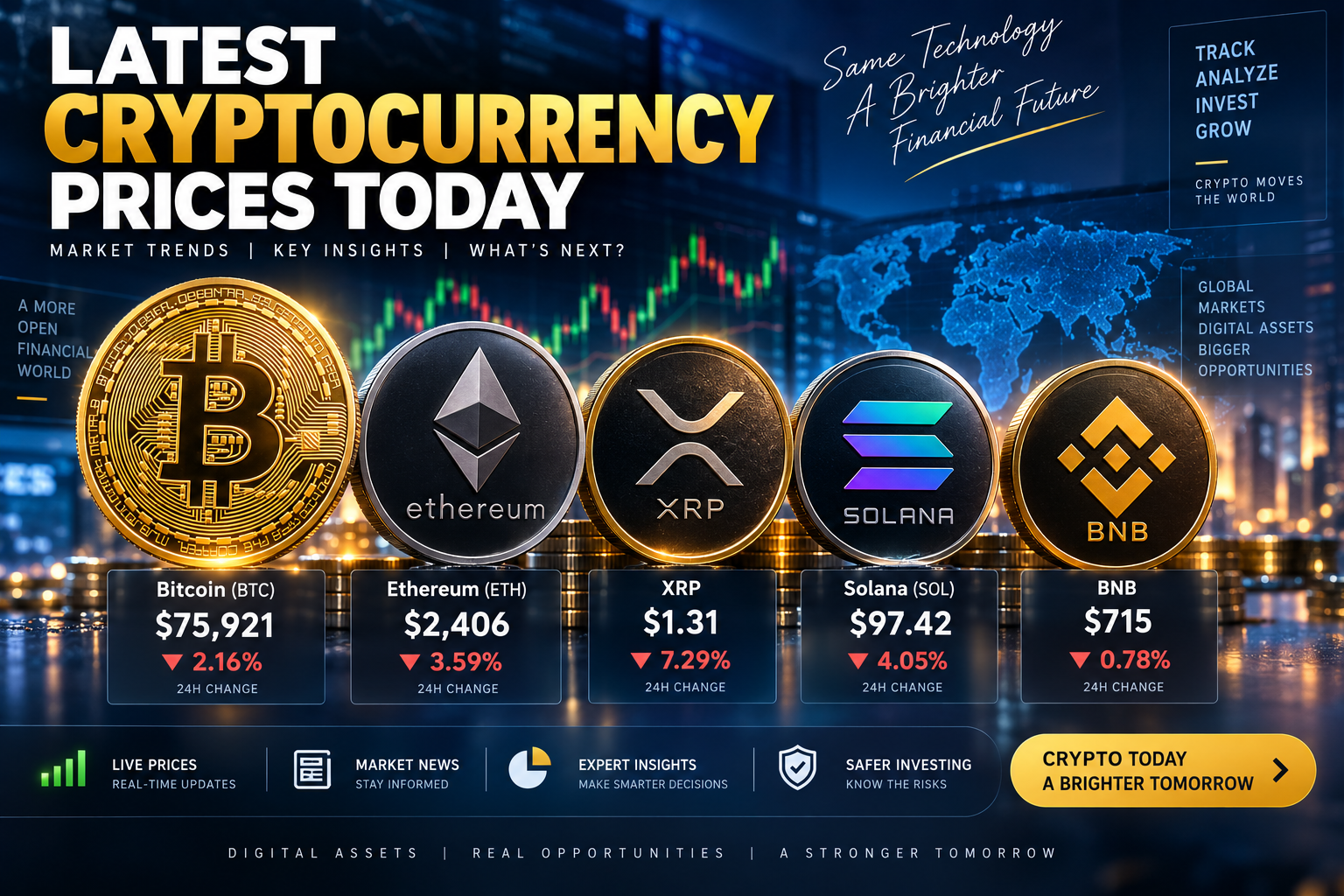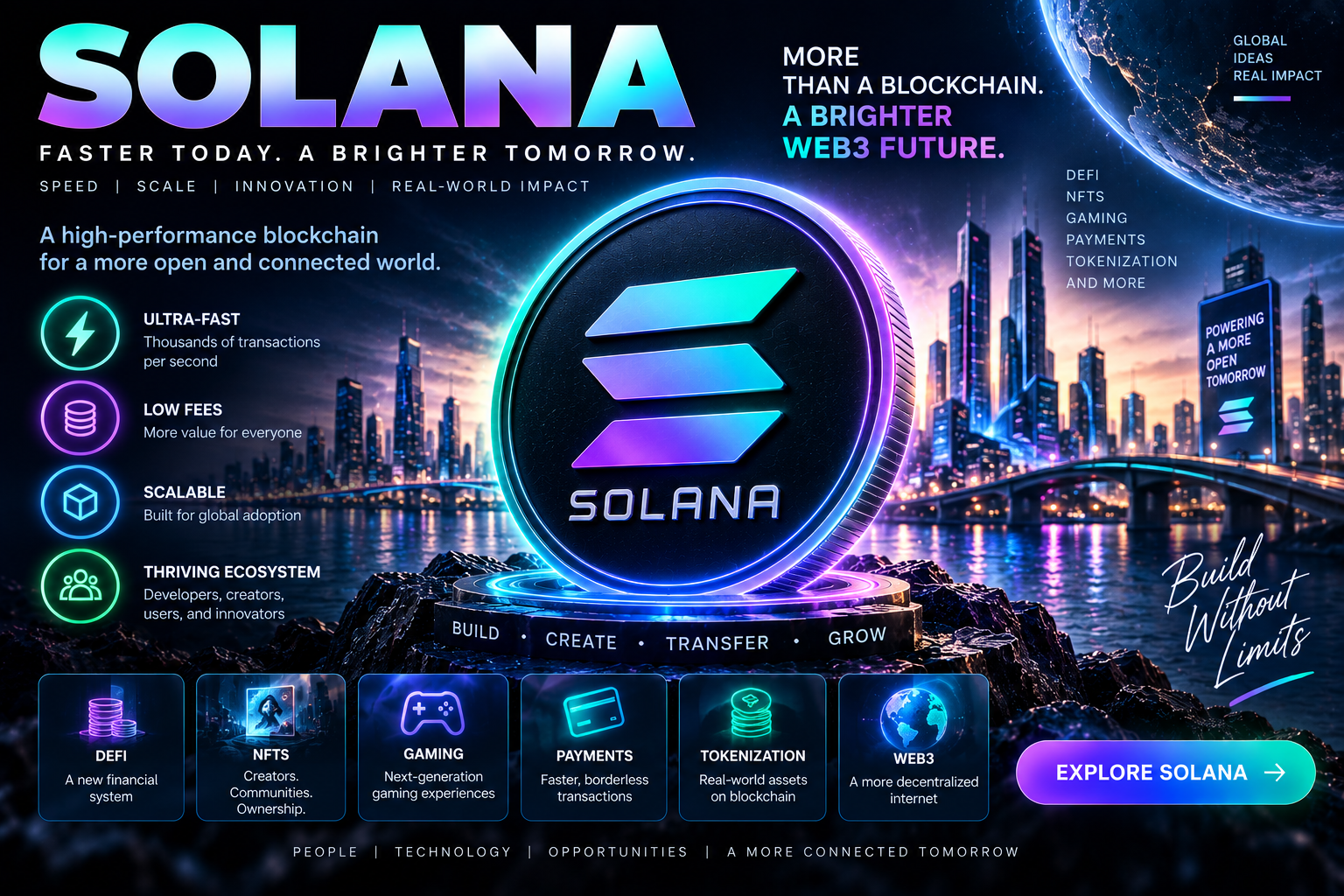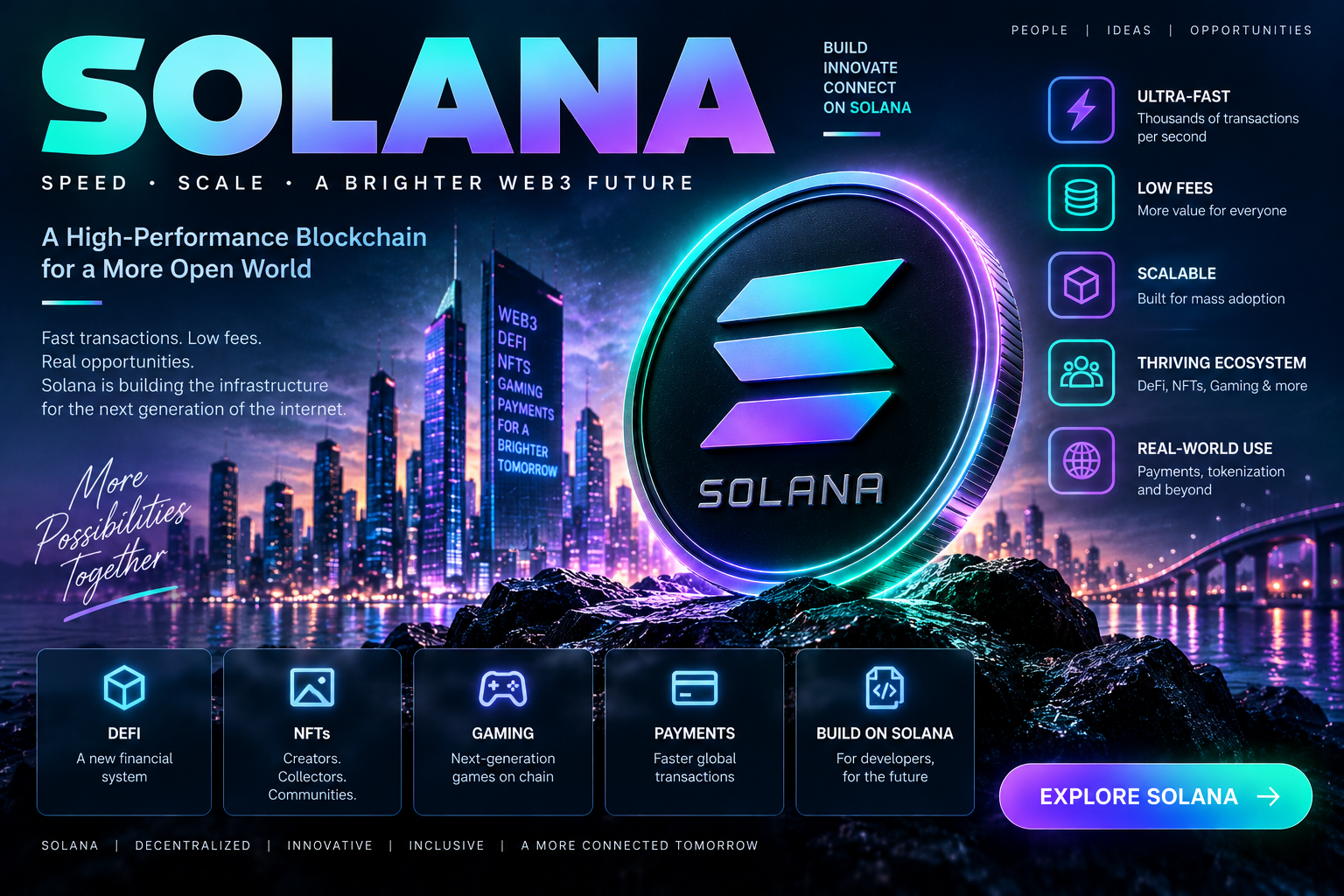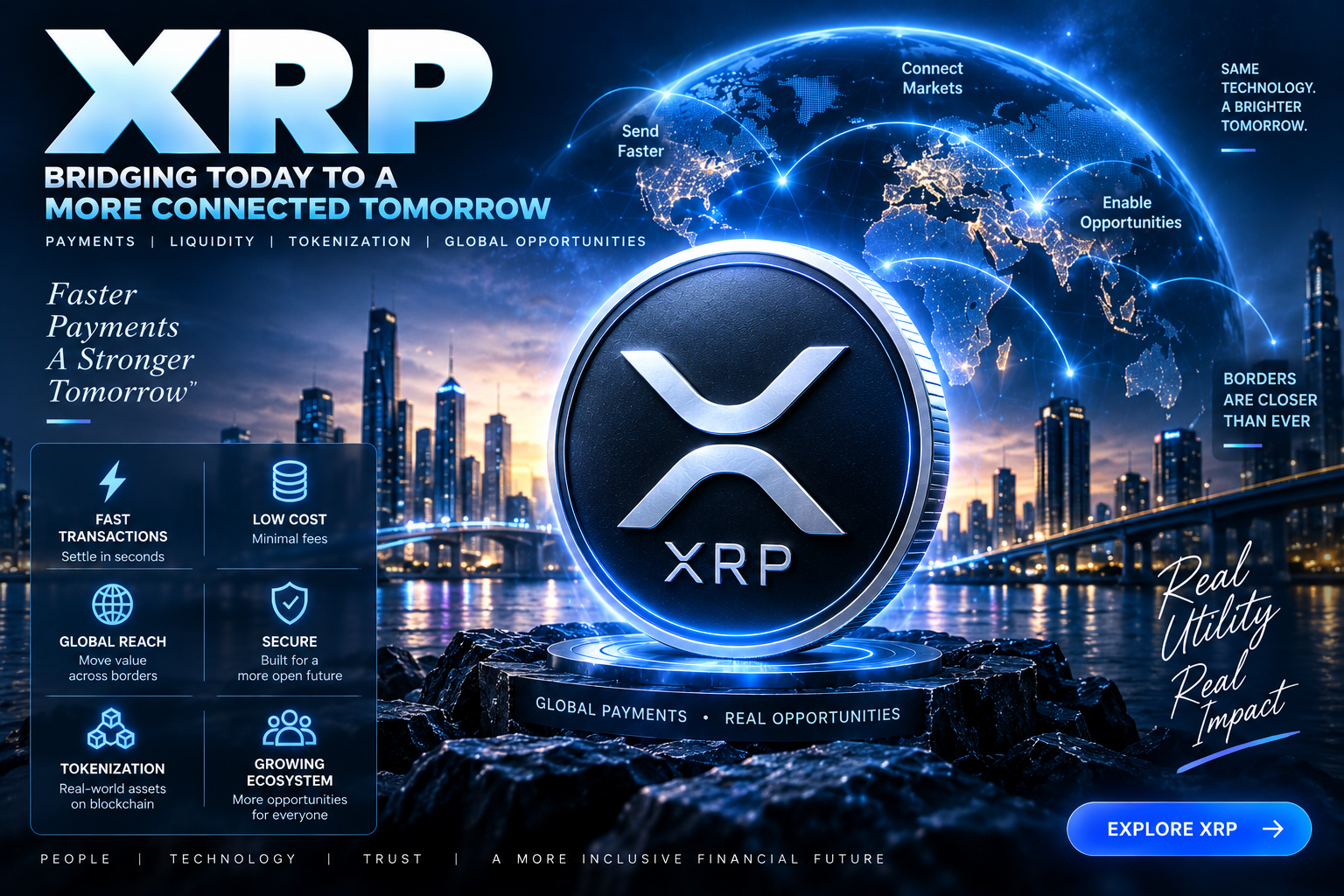
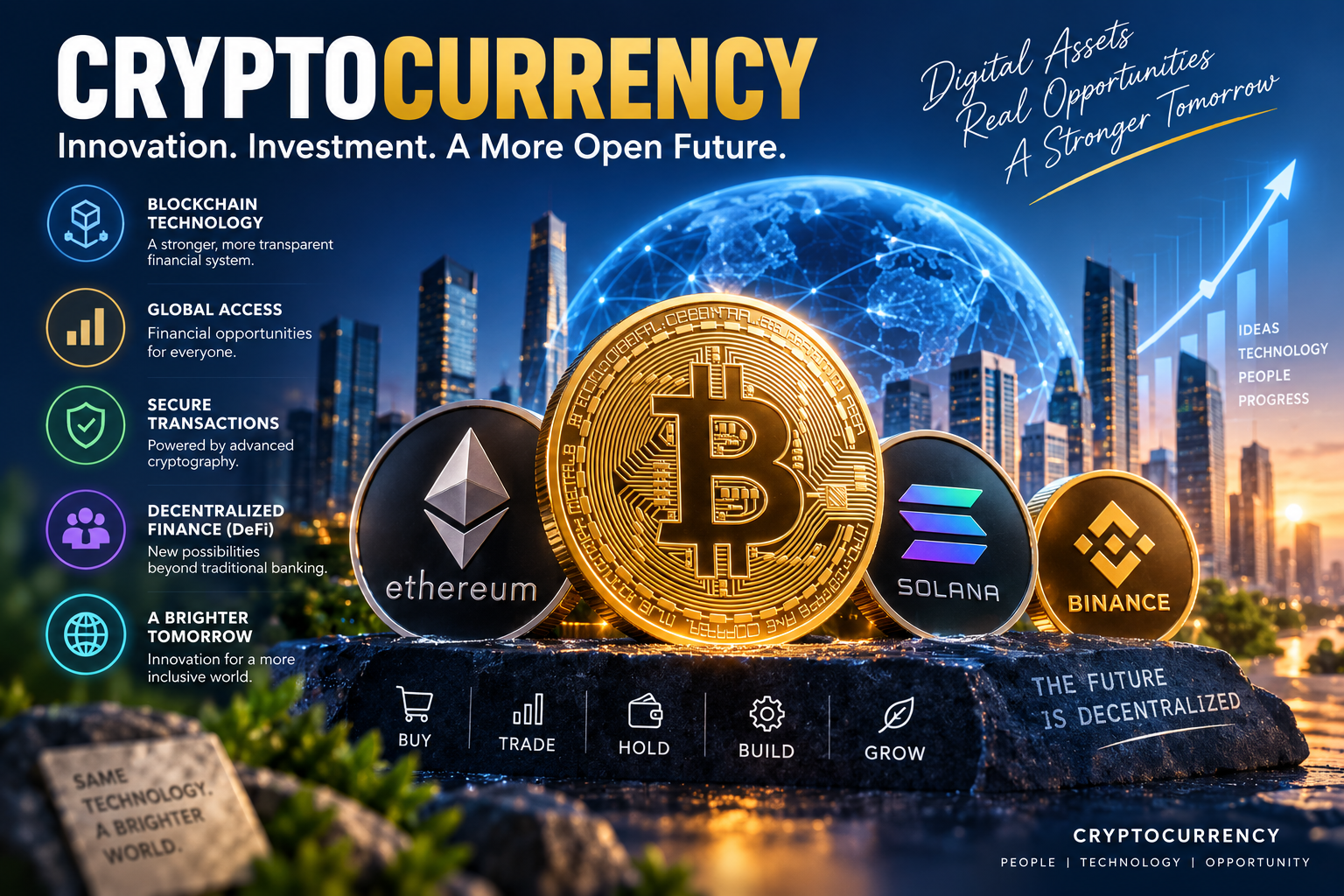
Cryptocurrency has become one of the most closely watched developments in modern finance and technology. What began with Bitcoin as an alternative form of digital money has expanded into a broad ecosystem involving blockchain networks, digital assets, stablecoins, decentralized finance, smart contracts, tokenization, and blockchain-based applications.
The cryptocurrency market operates across a global digital ecosystem, allowing users to transfer and exchange assets through blockchain networks. Unlike conventional financial systems that typically depend on banks and other centralized intermediaries, many cryptocurrency networks use distributed systems in which transactions are verified by participating computers.
The industry has also attracted businesses, developers, investors, financial institutions, and governments. At the same time, cryptocurrency remains associated with significant volatility, cybersecurity challenges, regulatory uncertainty, and technological risks.
Understanding how the cryptocurrency market works can help businesses and individuals better evaluate the opportunities and challenges surrounding digital assets.
What Is Cryptocurrency?
Cryptocurrency is a digital asset that uses cryptography and blockchain or distributed-ledger technology to record transactions and manage ownership.
Traditional currencies are issued and managed through governments and central banks. Cryptocurrencies can operate differently, depending on their design. Some use decentralized networks, while others may have different forms of governance or centralized control.
Bitcoin is the best-known example. Introduced in 2009, Bitcoin demonstrated how a digital payment network could operate without relying on a conventional central authority to maintain the transaction ledger.
Since then, thousands of other digital assets have been created. These assets can have very different purposes. Some are intended for payments, while others are designed to support applications, financial protocols, gaming ecosystems, digital services, or blockchain infrastructure.
Understanding Blockchain Technology
Blockchain is the underlying technology behind many cryptocurrencies.
A blockchain can be described as a distributed ledger that records transactions in chronological blocks. Copies of the ledger can be maintained by computers participating in the network.
When a transaction is submitted, the network verifies it according to its protocol. Valid transactions can then be grouped into a block and added to the existing chain.
One of the key features of blockchain technology is that participants can verify transaction records according to the network's rules without depending entirely on a single central database.
Different blockchain networks use different technical designs. Some prioritize decentralization, while others focus on transaction speed, scalability, privacy, interoperability, or application development.
Bitcoin's Role in the Cryptocurrency Market
Bitcoin remains central to the history and development of cryptocurrency.
Its creation introduced a system for transferring digital value through a decentralized network. Bitcoin's protocol includes rules governing transaction verification, new issuance, and network security.
The asset has subsequently become a major focus of digital-asset markets and has influenced the development of thousands of other blockchain projects.
Bitcoin's limited maximum supply is also an important feature frequently discussed by market participants. Supporters view its scarcity characteristics as part of its potential monetary appeal, while market participants continue to debate its role within the broader financial system.
Regardless of individual views, Bitcoin has played a foundational role in the development of the cryptocurrency industry.
Ethereum and Smart Contracts
Ethereum expanded the potential applications of blockchain technology by supporting programmable smart contracts.
A smart contract is software deployed on a blockchain that can automatically execute instructions when predefined conditions are met.
This functionality allows developers to create decentralized applications and financial protocols. Ethereum's ecosystem has contributed to the development of decentralized exchanges, lending protocols, digital collectibles, tokenized assets, and other blockchain-based applications.
The growth of smart-contract platforms has changed cryptocurrency from being primarily associated with digital payments to becoming a broader technology platform.
Other blockchain networks have also developed smart-contract capabilities, creating competition around transaction speed, scalability, fees, security, and developer ecosystems.
Major Categories of Digital Assets
The cryptocurrency market includes several different categories of digital assets.
Payment Cryptocurrencies
Payment-focused cryptocurrencies are designed primarily for transferring value between users.
Bitcoin is the most prominent example, although numerous other cryptocurrencies have been developed with payment-related objectives.
Stablecoins
Stablecoins are digital assets designed to maintain a relatively stable value, often by referencing a fiat currency such as the U.S. dollar.
Because traditional cryptocurrencies can experience significant price fluctuations, stablecoins are frequently used for trading, transfers, decentralized applications, and other blockchain activities.
Their growth has also attracted significant attention from financial institutions and regulators.
Utility Tokens
Utility tokens can provide access to products, services, features, or functions within a particular blockchain ecosystem.
The utility and economic structure of these tokens vary considerably from one project to another.
Governance Tokens
Some decentralized protocols issue governance tokens that allow holders to participate in certain decision-making processes.
Governance mechanisms can differ widely, and token ownership does not necessarily provide the same rights across different projects.
The Growth of Decentralized Finance
Decentralized finance, commonly known as DeFi, has become one of the most significant developments within the cryptocurrency ecosystem.
DeFi uses blockchain-based smart contracts to provide financial services without relying on traditional financial intermediaries in the same way as conventional banking systems.
DeFi applications can support activities such as decentralized trading, lending, borrowing, liquidity provision, and asset management.
One advantage of DeFi is that blockchain-based protocols can potentially operate continuously and be accessed globally, subject to network and jurisdictional limitations.
However, DeFi also introduces substantial risks. Smart-contract bugs, market volatility, liquidity problems, oracle failures, governance vulnerabilities, and malicious attacks can cause losses.
Therefore, users need to understand the specific technology and risks associated with each protocol.
Cryptocurrency and Global Payments
Digital assets may also influence the future of international payments.
Traditional cross-border transfers can involve banks, payment processors, correspondent institutions, and multiple settlement systems. Blockchain networks can offer another method for transferring digital value across borders.
Stablecoins are particularly relevant because they can combine blockchain-based transfer mechanisms with a value designed to remain relatively stable.
However, widespread cryptocurrency-based payments still depend on factors such as transaction costs, network capacity, regulatory requirements, liquidity, merchant acceptance, and user experience.
The technology may continue to evolve as companies explore faster and more efficient methods of transferring digital value.
Institutional Interest in Digital Assets
Cryptocurrency has increasingly attracted attention from the traditional financial sector.
Financial institutions and asset managers have explored cryptocurrency custody, trading, investment products, blockchain infrastructure, tokenization, and other digital-asset services.
Institutional involvement can potentially contribute to market infrastructure and broader awareness of digital assets.
At the same time, institutions must operate within applicable regulatory, compliance, risk-management, and consumer-protection frameworks.
The interaction between traditional finance and cryptocurrency is therefore becoming an important part of the industry's development.
Tokenization of Real-World Assets
Tokenization is another area receiving attention across the financial technology industry.
Tokenization involves representing ownership or rights associated with an asset in digital form on a blockchain.
Depending on the legal and technical structure, tokenization could potentially be applied to financial instruments, real estate interests, commodities, funds, or other assets.
The concept could make certain forms of ownership easier to transfer or divide into smaller digital units. However, the usefulness of tokenization depends on legal recognition, custody arrangements, market infrastructure, liquidity, and the relationship between blockchain records and real-world ownership rights.
Cryptocurrency Market Volatility
Price volatility remains one of the most recognizable characteristics of cryptocurrency markets.
Digital assets can experience large price movements due to changes in market sentiment, liquidity, macroeconomic conditions, technological developments, regulatory announcements, network activity, and broader financial-market trends.
Different cryptocurrencies can behave very differently. A price movement in Bitcoin does not necessarily mean that every other digital asset will experience the same movement.
For this reason, investors and businesses researching cryptocurrency should avoid treating the entire market as one homogeneous asset class.
Risks Associated With Cryptocurrency
The cryptocurrency market presents several important risks.
Market Risk
Cryptocurrency prices can move rapidly in either direction. Investors can lose a substantial portion of their capital if an asset declines significantly.
Cybersecurity Risk
Cryptocurrency accounts, exchanges, smart contracts, and wallets can become targets for cyberattacks.
Users should protect private keys, passwords, recovery phrases, and authentication credentials carefully.
Regulatory Risk
Cryptocurrency rules vary between countries and can change over time. Regulations can affect exchanges, taxation, custody, payments, token offerings, and business operations.
Fraud Risk
The cryptocurrency industry has experienced scams involving fake investment platforms, fraudulent tokens, impersonation, phishing, and misleading promotional campaigns.
Promises of guaranteed or unusually high returns should be treated with caution.
Technology Risk
Blockchain networks and smart contracts depend on software. Programming errors, vulnerabilities, network congestion, or design problems can create unexpected risks.
Cryptocurrency and Financial Inclusion
One potential benefit frequently associated with blockchain technology is expanded access to digital financial services.
A person with internet access and a compatible wallet can potentially interact with certain blockchain networks without opening a traditional bank account.
This could be relevant in regions where access to conventional financial infrastructure is limited.
However, access to cryptocurrency does not automatically mean access to safe or affordable financial services. Users still need internet connectivity, suitable technology, knowledge, liquidity, and protection against fraud.
Regulation and consumer education therefore remain important components of responsible digital-asset adoption.
Environmental Considerations
The environmental impact of cryptocurrency has also become part of the broader discussion surrounding blockchain technology.
The energy requirements of a blockchain depend heavily on its consensus mechanism. Proof-of-work networks require computational resources to secure the network, while proof-of-stake systems use a different approach involving validators and staked assets.
As the blockchain sector has developed, researchers and developers have explored technologies designed to improve efficiency, scalability, and network performance.
Environmental considerations can therefore vary significantly between different blockchain networks.
The Importance of Cryptocurrency Security
Security is one of the most important considerations for cryptocurrency users.
Unlike traditional banking systems, cryptocurrency transactions may not always be reversible. Sending assets to an incorrect blockchain address can result in permanent loss.
Users should carefully verify wallet addresses, use strong authentication, protect recovery phrases, and be cautious when connecting wallets to unfamiliar websites.
Businesses handling digital assets may require additional security measures, including institutional custody, access controls, transaction monitoring, and cybersecurity systems.
Security practices are particularly important because blockchain transactions can involve irreversible transfers.
How Businesses Can Use Blockchain
Companies are exploring blockchain technology for more than cryptocurrency trading.
Potential applications include digital payments, supply-chain management, identity systems, asset tokenization, automated contracts, loyalty programs, digital ownership, and record verification.
For businesses, the decision to use blockchain should be based on a specific operational need rather than simply adopting the technology because it is popular.
Factors such as cost, scalability, privacy, legal requirements, integration, security, and user experience should be evaluated before implementation.
The Future of Cryptocurrency
The future of cryptocurrency will likely depend on how successfully the industry addresses its current challenges while developing useful applications.
Stablecoins could continue to play a role in digital payments and blockchain-based financial services. Tokenization could create new forms of digital ownership and settlement. Smart-contract platforms may continue expanding their application ecosystems.
Scaling technologies could also help blockchain networks handle greater transaction volumes while improving speed and reducing costs.
Meanwhile, regulatory clarity may influence how financial institutions and businesses participate in the sector.
Artificial intelligence and blockchain could also increasingly intersect. Potential applications include automated digital services, decentralized infrastructure, identity management, data verification, and machine-to-machine transactions.
However, not every cryptocurrency project will succeed. Some networks may achieve widespread adoption, while others may lose users or become technologically outdated.
What Should Investors Consider?
Anyone researching cryptocurrency should conduct independent due diligence before purchasing a digital asset.
Important factors can include the project's purpose, technology, development activity, token supply, distribution, liquidity, security history, governance structure, and regulatory environment.
Investors should also understand their own risk tolerance and avoid committing money they cannot afford to lose.
Cryptocurrency should not be approached solely through social-media trends or short-term price movements. Understanding the underlying technology and economic structure can provide a more complete picture of a digital asset.
Conclusion
Cryptocurrency has evolved into a broad digital ecosystem that extends well beyond Bitcoin. Blockchain networks now support payments, smart contracts, decentralized finance, stablecoins, tokenization, and a growing range of digital applications.
The market offers significant opportunities for technological experimentation and financial innovation, but it also presents substantial risks. Volatility, cybersecurity threats, scams, regulatory changes, and technology-related vulnerabilities remain important considerations.
As blockchain technology continues to develop, the cryptocurrency industry may become increasingly connected with traditional finance and the wider digital economy. Its long-term development will depend on technological progress, regulatory frameworks, security improvements, practical adoption, and the ability of individual projects to deliver useful applications.
For businesses, investors, and technology users, understanding the fundamentals of cryptocurrency provides a stronger foundation for navigating an evolving digital-asset landscape.