Healthcare has traditionally focused on treating illnesses after they occur. However, modern medicine is shifting toward prevention rather than treatment. Preventive healthcare aims to reduce the risk of disease before it develops, helping people live longer, healthier, and more active lives.
In 2026, preventive healthcare has become more important than ever. Rising healthcare costs, increasing rates of chronic diseases, and growing awareness about healthy lifestyles have encouraged individuals to take greater responsibility for their well-being. Simple daily habits, regular medical screenings, and healthy lifestyle choices can significantly lower the risk of serious health conditions.
This article explores why preventive healthcare matters, its benefits, and practical steps you can take to protect your health.
What Is Preventive Healthcare?
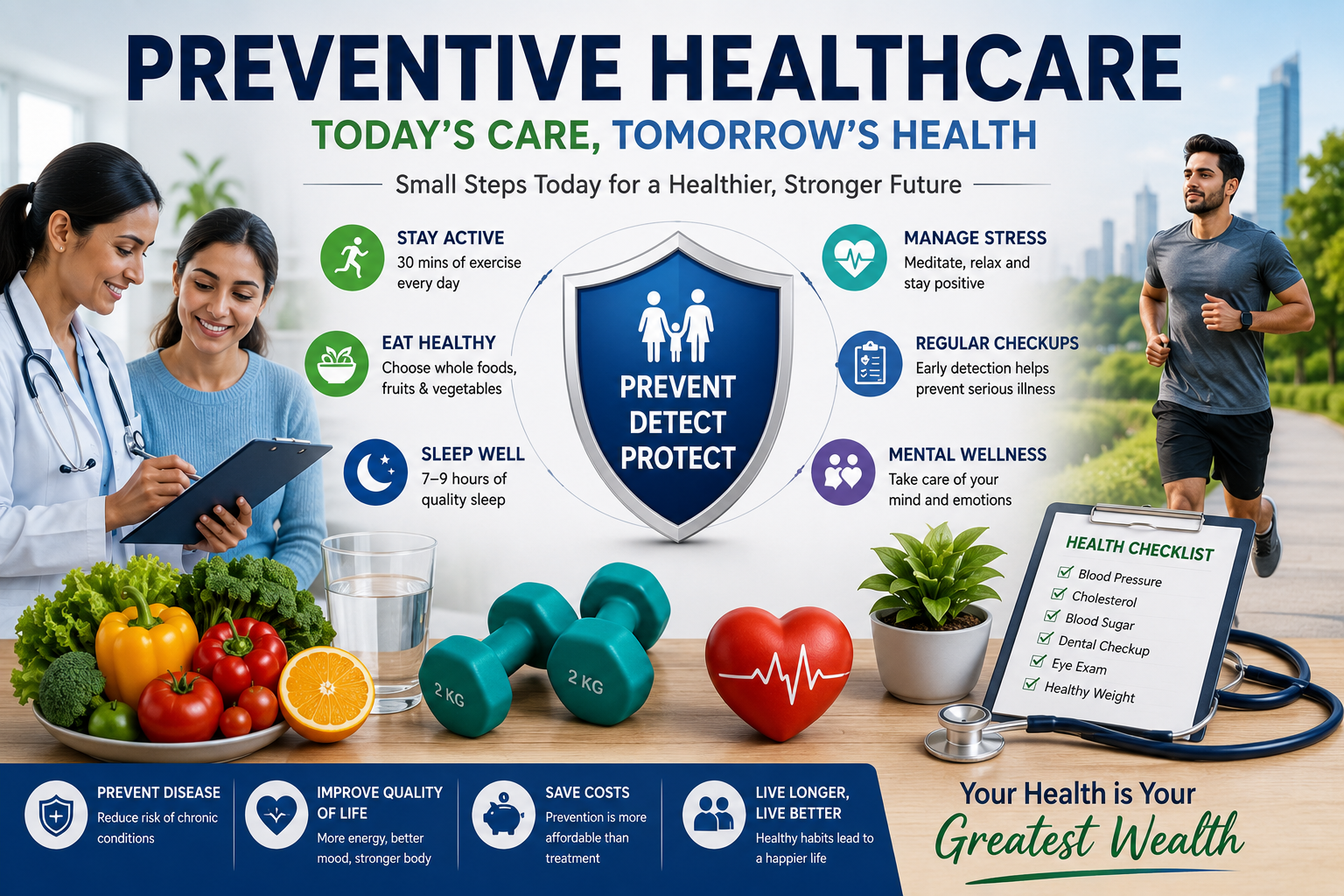
Preventive healthcare includes medical services, healthy lifestyle practices, and routine screenings designed to detect or prevent diseases before they become serious.
Instead of waiting until symptoms appear, preventive care focuses on identifying potential health risks early.
Examples include:
Annual medical checkups
Blood pressure monitoring
Blood sugar testing
Cholesterol screening
Vaccinations
Dental checkups
Eye examinations
Cancer screenings
Preventive care also includes healthy habits like balanced nutrition, regular exercise, quality sleep, and stress management.
Why Preventive Healthcare Matters
Many chronic diseases develop slowly over several years.
Conditions such as diabetes, heart disease, obesity, and high blood pressure often show few symptoms during their early stages.
Regular health screenings allow doctors to identify these conditions before complications occur.
Early diagnosis often leads to:
More effective treatment
Lower healthcare costs
Better quality of life
Reduced risk of complications
Prevention is often easier and less expensive than treating advanced illness.
Eat a Balanced Diet
Nutrition is one of the foundations of preventive healthcare.
A healthy diet supplies the body with essential nutrients needed for proper function.
Choose foods such as:
Fresh vegetables
Fruits
Whole grains
Lean proteins
Healthy fats
Nuts and seeds
Try to reduce:
Sugary drinks
Highly processed foods
Excess salt
Saturated fats
A balanced diet supports heart health, strengthens immunity, and reduces the risk of chronic diseases.
Stay Physically Active
Regular exercise benefits both physical and mental health.
Aim for at least 150 minutes of moderate-intensity physical activity each week.
Examples include:
Walking
Cycling
Swimming
Jogging
Strength training
Yoga
Exercise helps:
Maintain healthy weight
Improve heart function
Strengthen bones
Reduce stress
Improve sleep
Boost mood
Even small amounts of daily movement make a difference.
Prioritize Quality Sleep
Sleep allows the body to repair itself and maintain healthy brain function.
Adults generally need 7–9 hours of sleep each night.
Poor sleep has been linked to:
Obesity
Diabetes
Heart disease
Depression
Weakened immune function
Creating a consistent bedtime routine and limiting screen time before sleep can improve sleep quality.
Manage Stress Effectively
Long-term stress affects nearly every organ in the body.
Healthy stress-management techniques include:
Meditation
Deep breathing
Reading
Spending time outdoors
Talking with family and friends
Practicing gratitude
Managing stress improves emotional well-being while reducing the risk of high blood pressure and heart disease.
Maintain a Healthy Weight
Maintaining a healthy weight reduces the likelihood of developing many chronic conditions.
Healthy weight management depends on:
Balanced nutrition
Regular exercise
Adequate sleep
Portion control
Consistent healthy habits
Crash diets are rarely sustainable.
Instead, focus on gradual lifestyle improvements.
Stay Hydrated
Water supports nearly every function in the body.
Proper hydration helps:
Regulate body temperature
Improve digestion
Support kidney function
Maintain healthy skin
Improve concentration
Most adults benefit from drinking water consistently throughout the day, adjusting intake based on activity level and climate.
Avoid Harmful Habits
Preventive healthcare also involves reducing behaviors that increase disease risk.
Examples include:
Avoiding tobacco products
Limiting alcohol consumption
Practicing safe driving
Protecting skin from excessive sun exposure
These simple precautions contribute significantly to long-term health.
Regular Medical Screenings
Routine health checkups allow doctors to detect problems before symptoms develop.
Common preventive screenings include:
Blood pressure checks
Blood sugar tests
Cholesterol testing
Vision exams
Dental examinations
Cancer screenings based on age and risk
Following your healthcare provider's recommendations can improve early detection and treatment outcomes.
Protect Your Mental Health
Mental health is an essential part of overall wellness.
Healthy habits include:
Maintaining social relationships
Practicing mindfulness
Taking breaks from work
Seeking professional support when needed
Making time for hobbies
Good mental health improves resilience, productivity, and overall quality of life.
Technology and Preventive Healthcare
Technology has made preventive healthcare more accessible.
Modern tools include:
Fitness trackers
Smartwatches
Health monitoring apps
Telemedicine services
AI-powered health assessments
These tools help people monitor activity levels, sleep, heart rate, and other wellness indicators.
However, technology should complement—not replace—professional medical care.
Benefits of Preventive Healthcare
Adopting preventive healthcare habits can provide numerous long-term benefits:
Lower risk of chronic disease
Better physical fitness
Stronger immune system
Improved mental health
Increased energy
Better sleep
Lower healthcare expenses
Longer life expectancy
Higher quality of life
These benefits accumulate through consistent healthy choices over time.
Common Mistakes to Avoid
Many people delay preventive care because they:
Skip annual checkups
Ignore minor symptoms
Eat highly processed foods regularly
Spend long hours sitting
Sleep too little
Avoid exercise
Ignore mental health
Recognizing these habits allows individuals to make positive lifestyle changes before health problems develop.
The Future of Preventive Healthcare
Preventive healthcare continues to evolve with advances in artificial intelligence, wearable technology, personalized medicine, and digital health platforms.
Healthcare providers increasingly focus on predicting disease risk and encouraging healthier lifestyles before illness develops.
As medical technology advances, prevention will remain one of the most effective ways to improve public health.
Conclusion
Preventive healthcare is one of the most valuable investments you can make in your future. By eating nutritious foods, staying active, getting enough sleep, managing stress, attending regular health screenings, and maintaining healthy daily habits, you can significantly reduce the risk of many chronic diseases.
Small, consistent lifestyle changes often have the greatest long-term impact. Prevention not only improves quality of life but also helps individuals enjoy greater independence, productivity, and well-being throughout every stage of life.
FAQs
What is preventive healthcare?
Preventive healthcare includes medical checkups, screenings, vaccinations, and healthy lifestyle habits designed to prevent diseases or detect them early.
Why is preventive healthcare important?
It helps reduce the risk of chronic diseases, lowers healthcare costs, improves quality of life, and increases the chances of successful treatment through early detection.
How often should adults have health checkups?
The frequency depends on age, medical history, and risk factors. Many adults benefit from an annual checkup, but your healthcare provider can recommend a schedule that's appropriate for you.
Can healthy habits really prevent disease?
Healthy habits such as eating a balanced diet, exercising regularly, sleeping well, and avoiding tobacco can significantly reduce the risk of many chronic conditions.
Is preventive healthcare only for older adults?
No. Preventive healthcare is important for people of all ages. Building healthy habits early in life supports better long-term health and can reduce the likelihood of future health problems.