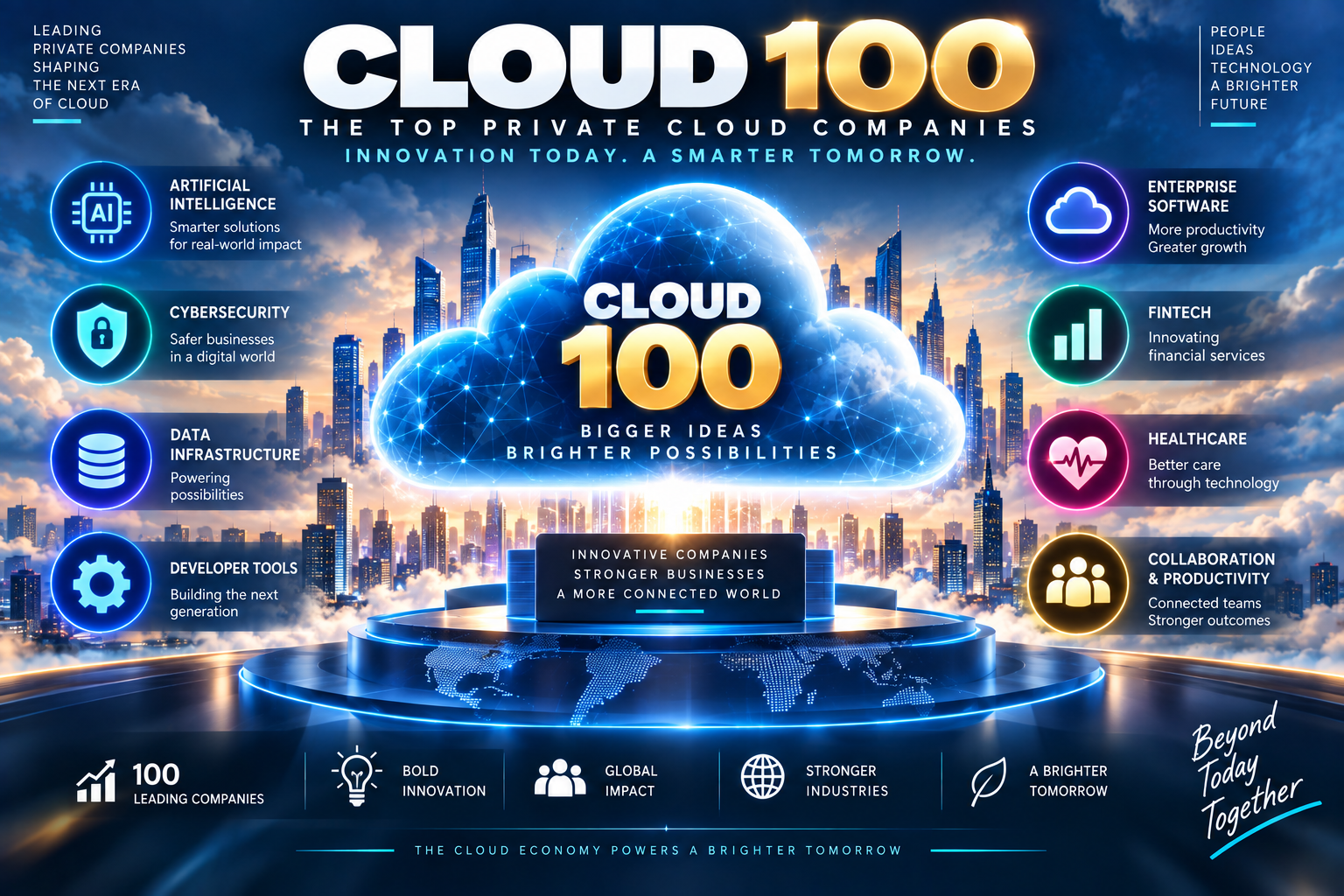
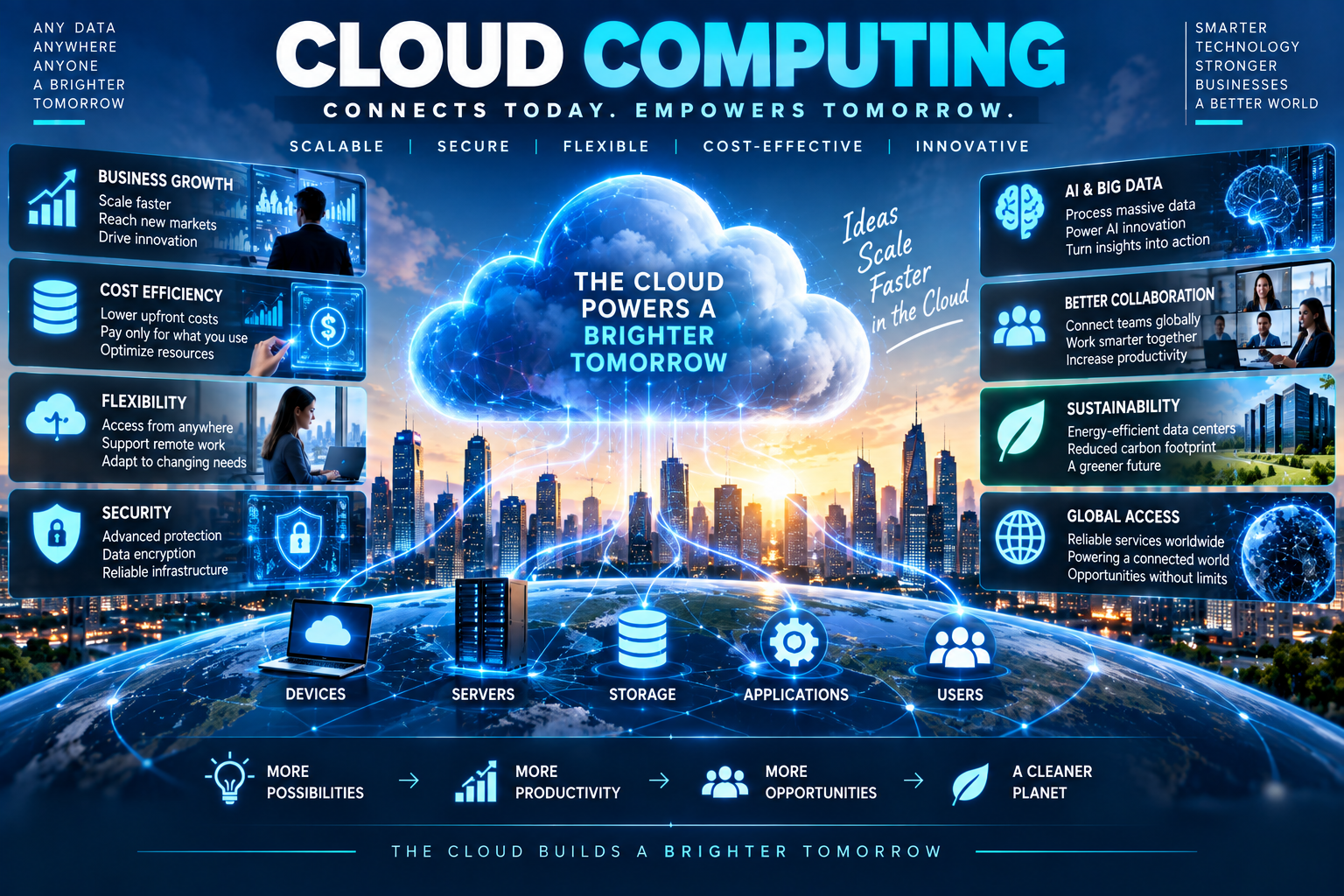
Cloud computing has become one of the most important technologies powering the modern digital economy. From businesses and government organizations to startups, schools, and individual consumers, millions of people rely on cloud services every day.
Whether it is storing photos online, using web-based business software, streaming entertainment, hosting a website, or analyzing large amounts of data, cloud computing makes it possible to access computing resources without owning and maintaining all of the underlying physical infrastructure.
The growth of artificial intelligence, Big Data, remote work, digital applications, and connected devices is making cloud infrastructure even more important. Organizations are increasingly moving workloads to cloud environments to improve scalability, flexibility, accessibility, and operational efficiency.
What Is Cloud Computing?
Cloud computing is the delivery of computing resources over the internet.
Instead of purchasing and maintaining physical servers, organizations can access computing power, storage, databases, networking, applications, and other services through cloud platforms.
A company, for example, may need additional computing resources during a busy period. With cloud computing, it can often increase capacity without purchasing and installing a large number of physical servers.
Cloud services can be accessed from different locations and devices, depending on the service and security configuration.
This flexibility has changed how organizations build and operate digital systems.
How Does Cloud Computing Work?
Cloud computing relies on large networks of physical data centers containing servers, storage systems, networking equipment, and other infrastructure.
Cloud providers operate this infrastructure and make computing resources available to customers through software and network connections.
Virtualization is one of the technologies that makes cloud computing possible. It allows physical computing resources to be divided into virtual environments that can be allocated to different workloads.
Cloud platforms also use automation and software management systems to allocate resources, monitor performance, and scale services.
Users generally interact with cloud services through web interfaces, applications, command-line tools, or APIs.
Why Is Cloud Computing Important?
One of the biggest advantages of cloud computing is flexibility.
Traditional IT infrastructure can require organizations to estimate future computing requirements and purchase hardware in advance. Cloud services can allow organizations to increase or decrease resources as demand changes.
Cloud computing can also reduce the need for businesses to manage every aspect of physical infrastructure themselves.
For startups, this can be particularly valuable because they can access sophisticated computing capabilities without building a large data center.
Cloud services can also support collaboration. Employees in different locations can access authorized applications and information through internet-connected devices.
Types of Cloud Computing
Cloud computing can be divided into several major service models.
Infrastructure as a Service
Infrastructure as a Service, or IaaS, provides fundamental computing resources such as virtual machines, storage, and networking.
Businesses can use these resources to build and operate their own applications and systems.
IaaS provides flexibility while allowing organizations to maintain greater control over their software environments.
Platform as a Service
Platform as a Service, or PaaS, provides development environments and tools that allow developers to build and deploy applications without managing all of the underlying infrastructure.
This can help development teams focus more on software rather than physical servers and infrastructure management.
Software as a Service
Software as a Service, or SaaS, provides applications through the internet.
Users typically access SaaS applications through a web browser or dedicated application.
Examples can include email platforms, collaboration software, customer relationship management systems, accounting tools, and productivity applications.
SaaS has become one of the most common forms of cloud computing for businesses and consumers.
Public, Private, and Hybrid Cloud
Cloud environments can also be categorized according to how infrastructure is deployed.
Public Cloud
Public cloud services are provided through shared infrastructure operated by a cloud provider.
Organizations can access computing resources without owning the physical infrastructure.
Private Cloud
A private cloud environment is dedicated to a specific organization.
It can provide greater control over infrastructure and may be useful for organizations with particular security, regulatory, or operational requirements.
Hybrid Cloud
Hybrid cloud combines private and public cloud environments.
Businesses can use different environments for different workloads and connect them when necessary.
Hybrid strategies can provide flexibility while allowing organizations to maintain control over particularly sensitive systems.
Cloud Computing for Businesses
Businesses across industries use cloud computing to support digital operations.
A company may use cloud services for email, data storage, websites, applications, databases, analytics, cybersecurity, and collaboration.
Cloud infrastructure can help businesses launch digital products more quickly because they do not necessarily need to build physical infrastructure before deploying applications.
Cloud services can also support international operations. Applications can be deployed across different geographic regions depending on business requirements and cloud architecture.
Cloud and Artificial Intelligence
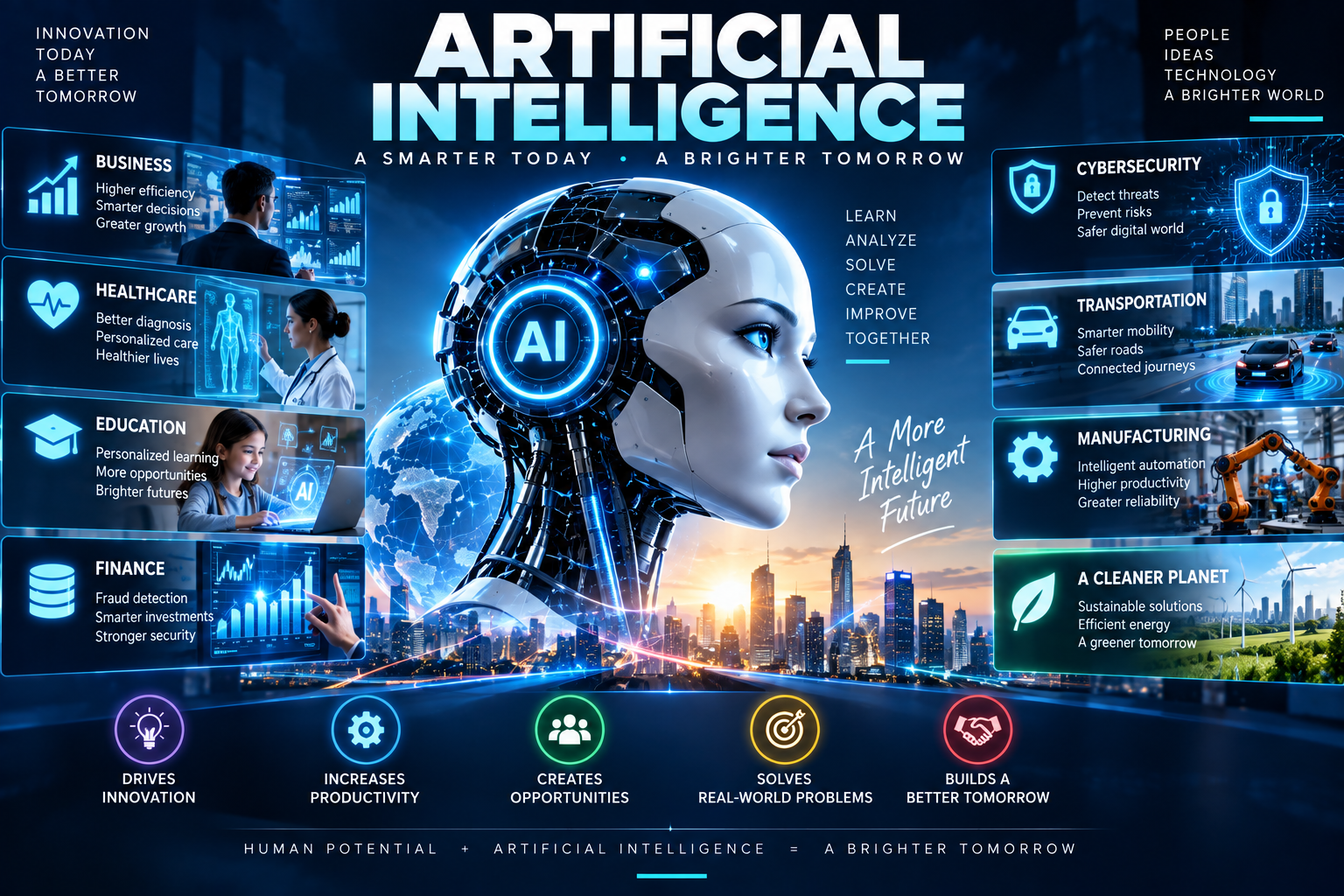
The relationship between cloud computing and artificial intelligence is becoming increasingly important.
AI systems can require significant computing power and large amounts of data.
Cloud infrastructure can provide scalable computing resources that organizations can use for AI development, training, deployment, and data processing.
Businesses that do not own specialized hardware can potentially access powerful computing resources through cloud platforms.
This has helped make advanced AI capabilities more accessible to organizations of different sizes.
Cloud and Big Data
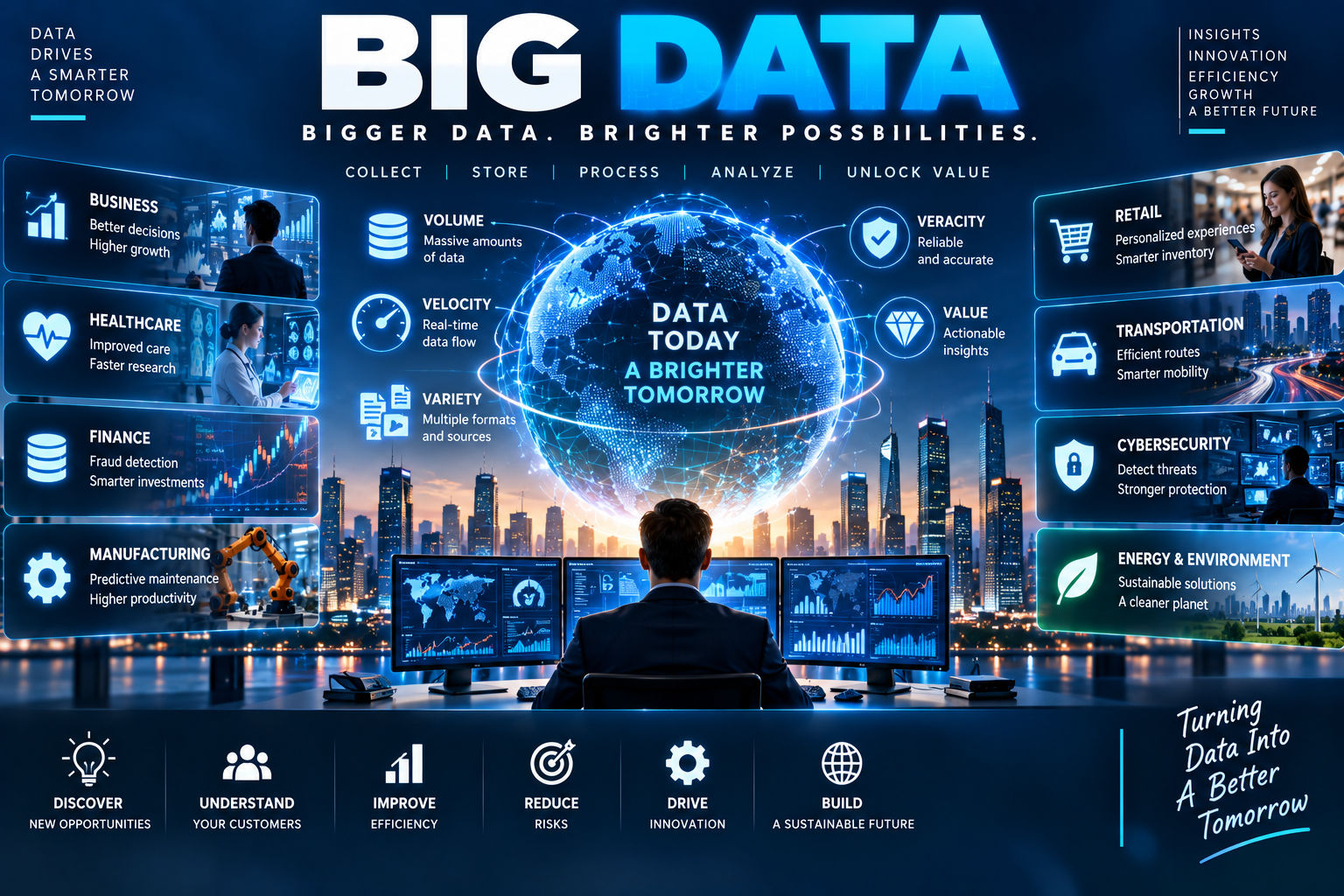
Big Data also depends heavily on cloud computing.
Organizations may generate and collect enormous quantities of information from customers, applications, sensors, transactions, and digital platforms.
Cloud storage and computing services can provide scalable infrastructure for storing and analyzing these datasets.
Cloud-based analytics tools can help businesses process large quantities of information without building all of the required infrastructure themselves.
The combination of cloud computing, Big Data, and AI is becoming an important foundation for modern digital transformation.
Cloud Computing in Healthcare
Healthcare organizations use cloud technologies for a variety of applications.
Cloud infrastructure can support data storage, collaboration, administrative systems, research, analytics, and digital health applications.
Researchers can use cloud computing to process large datasets and collaborate across institutions.
However, healthcare organizations need strong security and privacy controls because medical information is highly sensitive.
Access management, encryption, monitoring, compliance, and data governance are essential components of responsible cloud adoption in healthcare.
Cloud Computing in Finance
Financial institutions rely heavily on digital infrastructure.
Cloud technologies can support applications involving customer service, analytics, risk management, financial operations, and software development.
Cloud computing can also help financial organizations scale certain digital services more efficiently.
However, financial institutions face strict security and regulatory requirements. Cloud environments therefore need strong controls for access, monitoring, encryption, and data management.
Cloud Computing in Education
Cloud technology has transformed education by making digital resources more accessible.
Schools, universities, and training organizations can use cloud-based applications for online classes, collaboration, document sharing, communication, and learning management.
Students can access authorized resources from different devices and locations.
Cloud-based platforms can also help educational institutions manage large numbers of users without maintaining all infrastructure locally.
Cloud Security
Security is one of the most important considerations in cloud computing.
Moving systems to the cloud does not automatically make them secure. Organizations still need to manage access, applications, data, devices, and user behavior.
Cloud security can involve:
Identity and access management
Multi-factor authentication
Data encryption
Network security
Security monitoring
Backup and recovery
Vulnerability management
Security policies
Employee training
Organizations should clearly understand which security responsibilities belong to the cloud provider and which remain their own responsibility.
Benefits of Cloud Computing
Cloud computing offers several potential benefits.
Scalability
Businesses can increase or decrease computing resources based on demand.
Flexibility
Employees and systems can access cloud services from different locations when properly configured.
Cost Efficiency
Organizations can reduce the need for large upfront investments in physical infrastructure, although cloud costs still need careful management.
Speed
Cloud infrastructure can allow organizations to deploy resources and applications faster.
Collaboration
Cloud-based applications can make it easier for teams to share information and work together.
Innovation
Developers can experiment with new technologies and services without necessarily building all infrastructure from scratch.
Challenges of Cloud Computing
Cloud computing also creates challenges that organizations must consider.
Cost Management
Cloud services can become expensive if resources are poorly managed or unnecessary services remain active.
Security Risks
Misconfigured systems, weak credentials, and inadequate access controls can create vulnerabilities.
Downtime
Although cloud providers typically design systems for high availability, service interruptions can still occur.
Vendor Lock-In
Moving applications and data between cloud providers can sometimes be complicated.
Compliance
Organizations operating in regulated industries may need to ensure that cloud environments meet specific legal and regulatory requirements.
Data Management
Businesses need clear policies for storing, accessing, backing up, and deleting information.
Cloud Computing and Remote Work
The growth of remote and hybrid work has increased the importance of cloud technologies.
Employees can use cloud-based collaboration platforms to communicate, share documents, manage projects, and access business applications.
This can allow companies to operate with geographically distributed teams.
However, remote access also creates additional security considerations. Organizations should use appropriate identity management, device security, authentication, and access policies.
Edge Computing and the Cloud
Cloud computing is increasingly being combined with edge computing.
Edge computing involves processing certain information closer to where it is generated rather than sending everything to a centralized cloud environment.
This can be useful for applications requiring rapid responses, such as industrial systems, connected vehicles, smart infrastructure, and Internet of Things devices.
Cloud and edge computing are not necessarily competing technologies. They can work together, with some processing occurring at the edge and other workloads handled in cloud environments.
The Future of Cloud Computing
The future of cloud computing will likely be shaped by AI, automation, edge computing, cybersecurity, and increasingly specialized infrastructure.
AI workloads may drive demand for advanced computing resources.
Cloud platforms may also become more automated, allowing organizations to manage infrastructure using intelligent systems.
Serverless computing and managed services can reduce the amount of infrastructure that developers need to manage directly.
Cloud environments may also become more distributed as businesses combine centralized cloud systems with edge infrastructure.
Security and data governance will remain major priorities as more critical business processes move to cloud platforms.
How Businesses Can Adopt Cloud Computing
Businesses should begin by identifying their objectives.
Instead of moving everything to the cloud without a strategy, organizations should evaluate which workloads would benefit most.
They should consider performance, security, costs, compliance, data requirements, and integration with existing systems.
A phased approach can reduce risk. Organizations can begin with suitable applications, measure results, and gradually expand cloud adoption.
Employee training is also important. Teams need to understand how to use cloud services securely and efficiently.
Conclusion
Cloud computing has become a fundamental part of the digital economy.
It allows organizations to access computing resources, storage, applications, and infrastructure through flexible internet-based services.
From startups and small businesses to large enterprises, cloud technology can support innovation, scalability, collaboration, data analysis, and digital transformation.
The combination of cloud computing with artificial intelligence, Big Data, automation, and edge computing is creating new possibilities across industries.
However, successful cloud adoption requires more than simply moving systems online. Businesses need effective security, data governance, cost management, reliable architecture, and skilled teams.
As digital services continue to expand, cloud computing will remain a critical foundation for how organizations build, operate, and scale technology in the future.
Frequently Asked Questions About Cloud Computing
1. What is cloud computing?
Cloud computing is the delivery of computing resources such as storage, servers, databases, applications, and networking through internet-based services.
2. What are the main types of cloud computing?
The major service models are Infrastructure as a Service, Platform as a Service, and Software as a Service. Cloud environments can also be public, private, or hybrid.
3. What are the benefits of cloud computing?
Key benefits include scalability, flexibility, faster deployment, easier collaboration, reduced infrastructure requirements, and access to advanced computing services.
4. Is cloud computing secure?
Cloud computing can be secure when properly configured and managed. Organizations still need strong authentication, access controls, encryption, monitoring, backups, and security policies.
5. What is a public cloud?
A public cloud provides computing services through infrastructure operated by a cloud provider and shared among multiple customers.
6. What is a private cloud?
A private cloud is a cloud environment dedicated to a particular organization and can provide greater control over infrastructure and data.
7. What is hybrid cloud?
Hybrid cloud combines public and private cloud environments, allowing organizations to use different environments for different workloads.
8. How does cloud computing support AI?
Cloud platforms can provide scalable computing power, storage, and specialized infrastructure needed to develop, train, and deploy AI systems.
9. Is cloud computing useful for small businesses?
Yes. Small businesses can use cloud services to access software, storage, computing resources, collaboration tools, and other capabilities without maintaining extensive physical infrastructure.
10. What is the future of cloud computing?
Cloud computing is likely to become increasingly connected with AI, automation, edge computing, serverless technologies, and advanced cybersecurity as organizations continue their digital transformation.