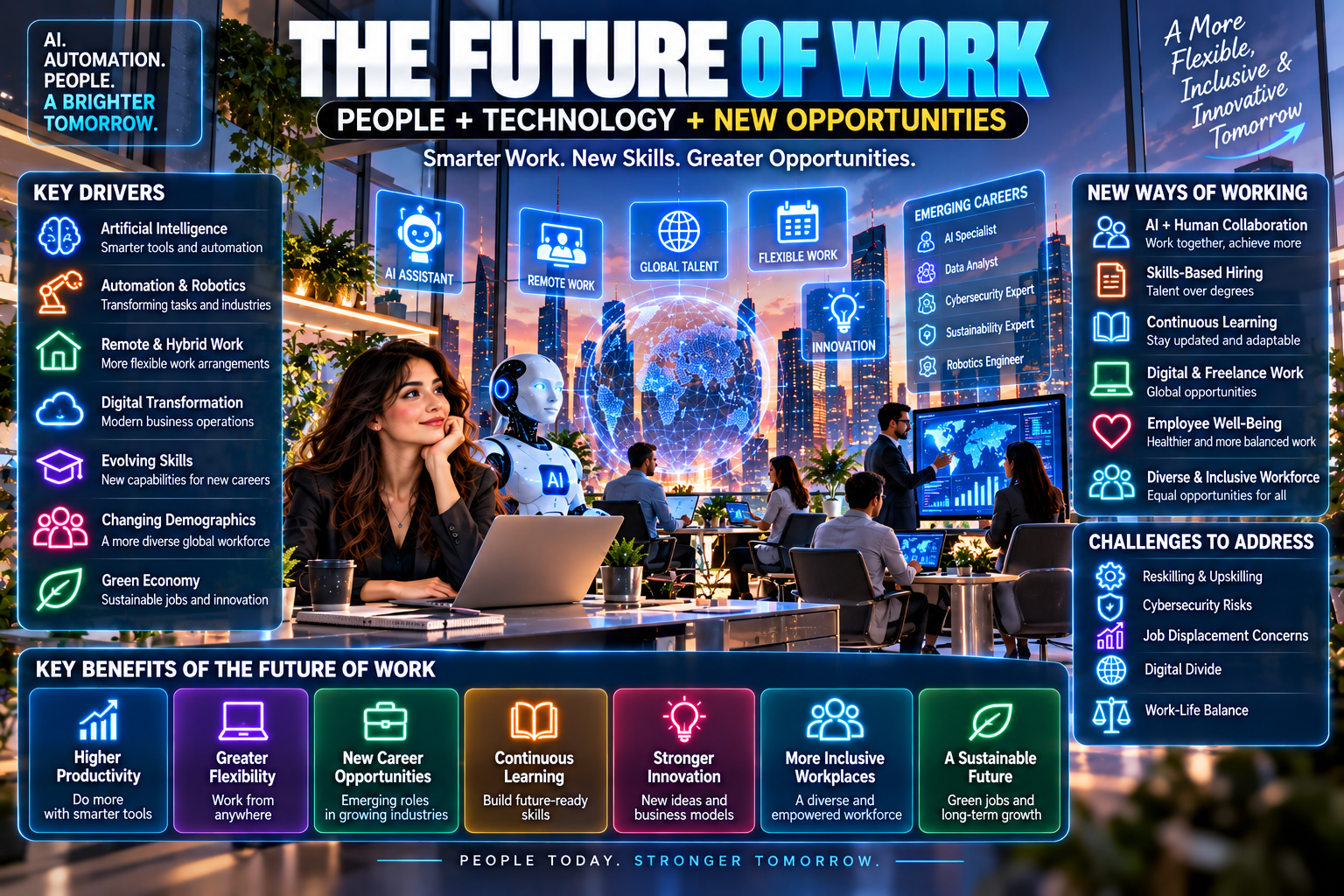
The future of work is being reshaped by artificial intelligence, automation, digital transformation, demographic change, new business models, flexible working arrangements, and changing skill requirements.
Technology is not simply changing the tools employees use. It is changing the tasks people perform, how teams collaborate, how companies hire and train workers, and how organizations create value.
Artificial intelligence has become one of the most important forces behind this transformation. At the same time, human skills such as analytical thinking, creativity, resilience, leadership, collaboration, and lifelong learning remain important.
The World Economic Forum's Future of Jobs Report 2025 projects that by 2030, global labour-market trends could create 170 million jobs while displacing 92 million, resulting in a net increase of 78 million jobs. These figures are projections based on employer expectations and macroeconomic trends, not guarantees of future employment outcomes.
The International Labour Organization also reports that one in four workers worldwide are in occupations with some degree of exposure to generative AI, while emphasizing that transformation of jobs is generally more likely than complete replacement because human input remains necessary for many tasks.
What Is the Future of Work?
The future of work describes how employment, workplaces, skills, careers, and business models are expected to evolve as technology and society change.
It includes developments such as:
Artificial intelligence
Generative AI
AI agents
Automation
Robotics
Remote work
Hybrid work
Digital collaboration
Flexible employment
Skills-based hiring
Continuous learning
Digital entrepreneurship
Workforce analytics
New technology careers
Human-AI collaboration
The future of work is therefore not simply about whether machines will replace people.
It is also about which tasks machines can perform, which tasks humans will continue to perform, and how people and technology can work together.
Why Is the Future of Work Changing?
Several major forces are reshaping employment.
Artificial Intelligence
AI can analyze information, generate content, summarize documents, write software, support customer service, identify patterns, and automate certain tasks.
As these capabilities improve, organizations are redesigning workflows around AI.
Automation
Automation allows companies to perform repetitive tasks with software, robotics, and intelligent systems.
Automation can affect manufacturing, logistics, finance, customer service, administration, and many other areas.
Digital Transformation
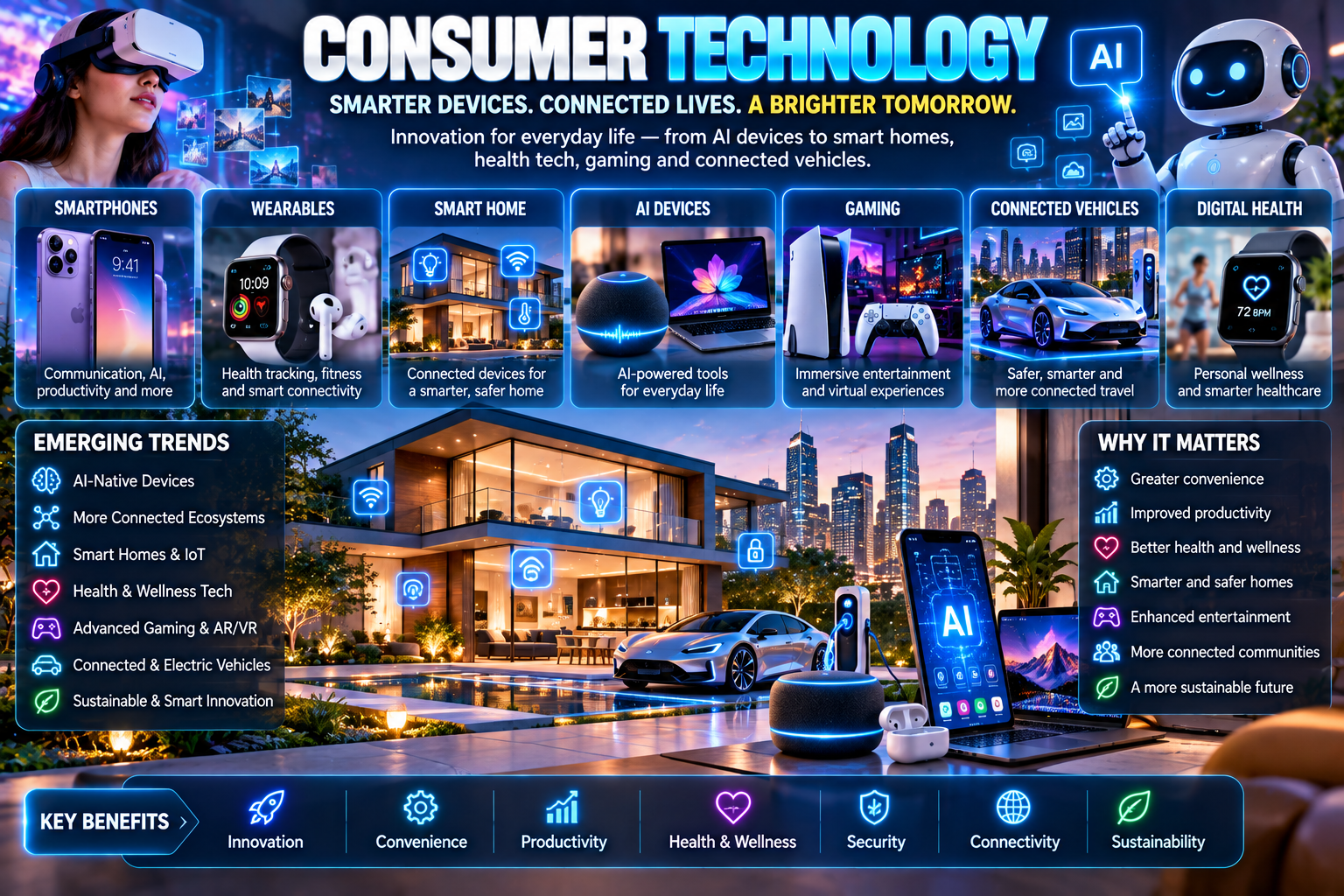
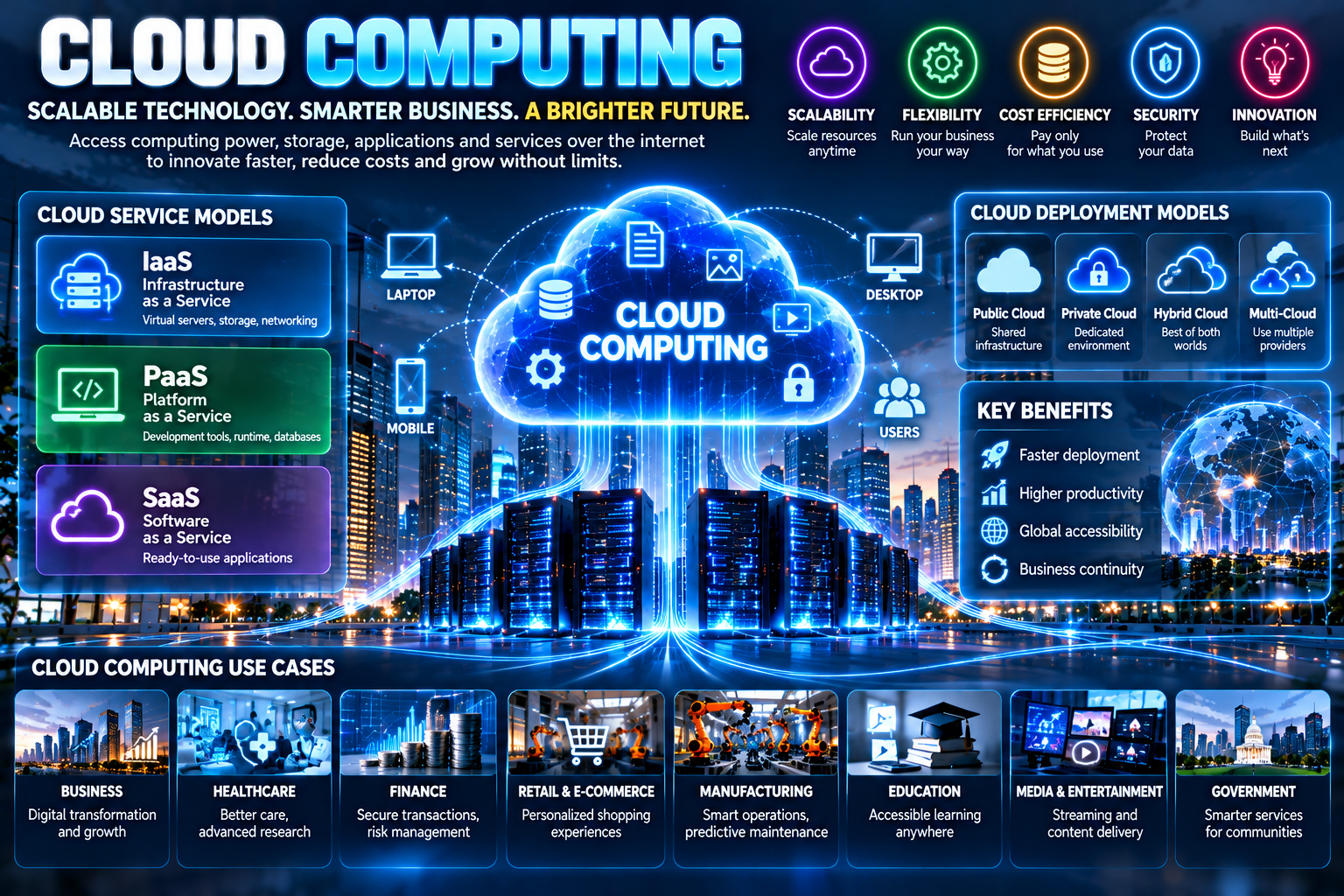
Businesses are moving operations toward cloud platforms, digital applications, analytics, AI, cybersecurity, and connected systems.
This creates demand for workers who can operate and manage digital technologies.
Demographic Change
Changing population structures can influence labour supply, healthcare needs, retirement patterns, migration, and demand for different occupations.
Green Transition
The shift toward renewable energy, energy efficiency, electric vehicles, and sustainable infrastructure is creating new roles and changing existing ones.
The World Economic Forum identifies technological change, demographic shifts, economic conditions, the green transition, and geoeconomic developments among the major forces expected to shape employment through 2030.
Artificial Intelligence and the Future of Work
AI is likely to be one of the defining technologies of the modern workplace.
Companies can use AI for:
Data analysis
Customer service
Marketing
Software development
Research
Financial analysis
Cybersecurity
Content creation
Administrative work
Forecasting
Document processing
Knowledge management
Generative AI can assist workers by producing drafts, summarizing information, answering questions, generating code, and helping employees work with large volumes of information.
However, AI's impact will differ across occupations.
The ILO's 2025 research finds that clerical occupations have the highest exposure to generative AI, while exposure has also increased in some highly digitized professional and technical occupations as AI capabilities expand.
This means the future of work will involve not only new jobs but also changes to existing jobs.
AI Will Change Tasks, Not Just Jobs
A job is usually made up of many different tasks.
For example, a marketing manager may:
Analyze customer data
Write reports
Develop campaigns
Attend meetings
Coordinate teams
Communicate with clients
Review creative materials
AI might automate some of these tasks while supporting others.
The employee may therefore continue performing the role while using AI to complete certain activities faster.
This distinction is important because discussions about AI and employment can be misleading if they treat entire occupations as either "automated" or "not automated."
The ILO's research specifically emphasizes task-level exposure and concludes that most jobs exposed to generative AI are more likely to be transformed than eliminated entirely.
AI Agents and the Next Workplace
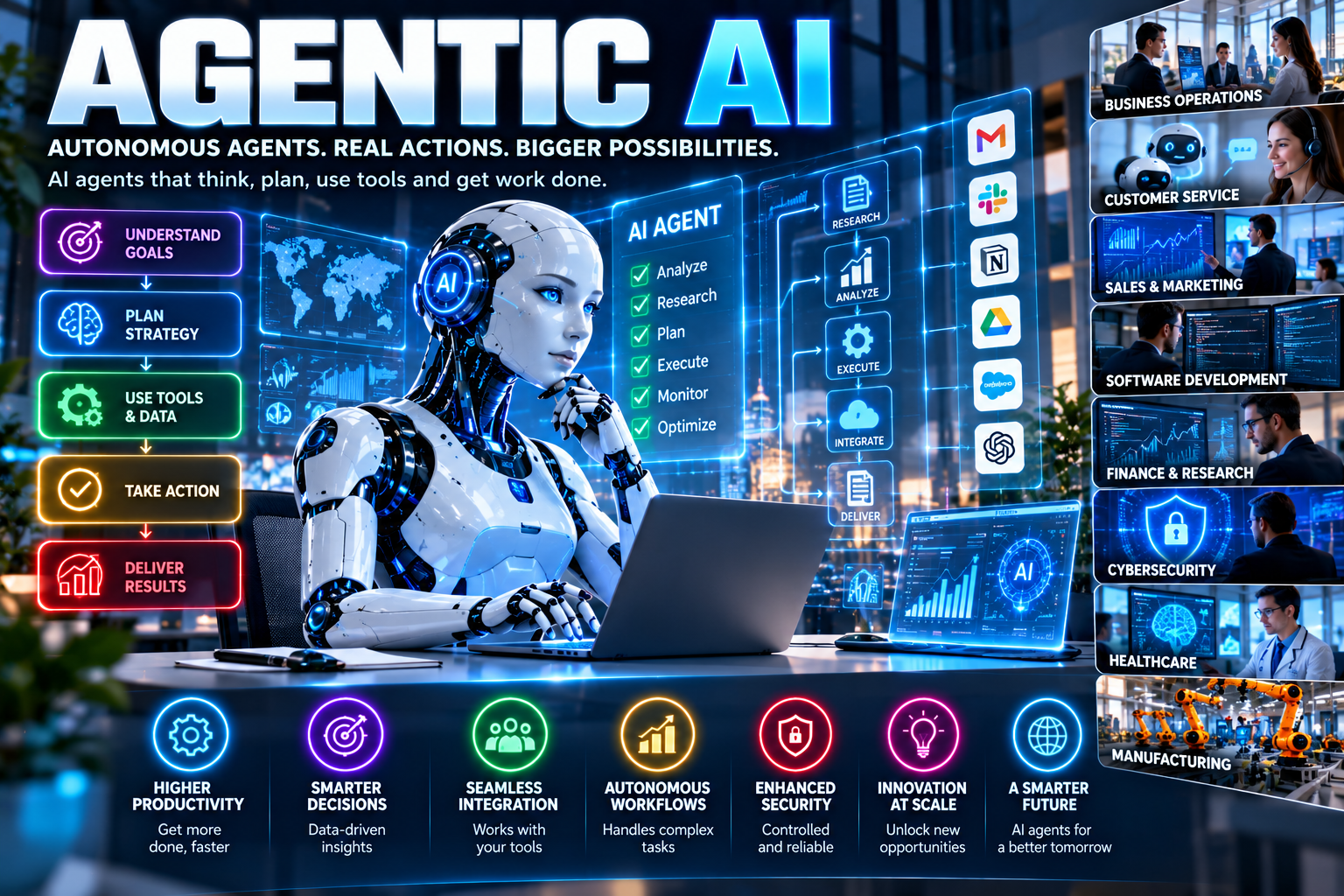
The next stage of AI may involve AI agents capable of performing multi-step workflows.
Instead of simply answering a question, an AI agent could potentially:
Receive a business objective
Search relevant information
Analyze data
Interact with software
Complete several tasks
Produce a result
Escalate important decisions to a human
Potential applications include:
AI research assistants
Customer-service agents
Sales assistants
Software development agents
Financial-analysis agents
IT support agents
Marketing assistants
Procurement systems
Cybersecurity systems
This could change how teams organize work.
Employees may increasingly become supervisors, reviewers, decision-makers, and collaborators with intelligent systems.
However, organizations will need appropriate security, access controls, monitoring, and human oversight when AI systems can interact with business applications.
The Rise of Human-AI Collaboration
The future workplace is likely to contain a combination of human and machine capabilities.
AI is particularly useful for activities involving:
Large-scale data processing
Pattern recognition
Repetitive tasks
Information retrieval
Content generation
Forecasting
Classification
Humans remain important for:
Leadership
Judgment
Empathy
Negotiation
Creativity
Complex decision-making
Relationship building
Ethical reasoning
Strategic thinking
This creates a model of human-AI collaboration rather than a simple competition between workers and machines.
The OECD's 2026 research on skills in the AI age similarly describes AI as a technology capable of increasing productivity and creating opportunities while also creating risks of displacement and changing skill requirements.
Skills for the Future of Work
One of the biggest changes in the future workplace will be the importance of continuous learning.
According to the World Economic Forum, employers expect approximately 39% of workers' existing skill sets to be transformed or become outdated between 2025 and 2030.
The fastest-growing skills include:
AI and Big Data
Networks and cybersecurity
Technology literacy
Creative thinking
Resilience
Flexibility
Agility
Curiosity
Lifelong learning
Leadership
Analytical thinking
This demonstrates an important trend: technology skills and human skills are increasingly complementary.
Technical Skills
Workers in many industries will benefit from understanding technologies such as:
Artificial intelligence
Data analytics
Cloud computing
Cybersecurity
Automation
Digital platforms
Software tools
Data visualization
Digital collaboration
Not everyone needs to become a software engineer.
A financial professional may need AI and data literacy without becoming an AI researcher.
A marketer may need to understand AI-powered analytics and automation without becoming a machine-learning engineer.
A healthcare professional may need digital-health skills without becoming a programmer.
Human Skills
Technology does not eliminate the importance of human capabilities.
Important human skills include:
Analytical Thinking
Employees need to evaluate information and make sound decisions.
Creative Thinking
Innovation requires people who can generate new ideas and approaches.
Communication
Workers increasingly need to communicate across digital and physical environments.
Collaboration
Teams may include employees, contractors, AI systems, and automated processes.
Leadership
Leaders need to guide organizations through technological change.
Resilience
Employees need to adapt to changing tools, responsibilities, and market conditions.
The World Economic Forum identifies analytical thinking as a leading core skill while also highlighting creativity, resilience, flexibility, agility, leadership, and lifelong learning among skills expected to grow in importance.
Remote and Hybrid Work
The workplace is becoming more flexible in many industries.
Remote and hybrid work can allow employees to work from different locations while using:
Video conferencing
Cloud applications
Messaging platforms
Project-management systems
Digital documents
Virtual collaboration tools
This can expand access to talent beyond traditional geographic boundaries.
However, remote work also creates challenges involving:
Communication
Employee engagement
Cybersecurity
Management
Collaboration
Work-life boundaries
Company culture
Organizations therefore need deliberate approaches to flexible work rather than assuming technology alone will solve workplace challenges.
The Digital Workplace
The digital workplace combines technology, employees, data, and workflows.
A modern employee may use:
Cloud software
AI assistants
Digital dashboards
Collaboration platforms
Customer-management systems
Automated workflows
Enterprise search
Digital communication tools
These systems can reduce administrative work and make information more accessible.
The workplace of the future may therefore become increasingly software-driven.
New Jobs Created by Technology
Technological transformation creates demand for new roles.
The World Economic Forum's 2025 report identifies roles such as big data specialists, fintech engineers, and AI and machine-learning specialists among the fastest-growing jobs in percentage terms. Software and application developers and security management specialists also appear among the fastest-growing roles.
Other emerging or expanding areas include:
AI product management
AI governance
AI safety
Data engineering
Cloud architecture
Cybersecurity
Robotics
Automation
Renewable energy
Digital healthcare
Technology consulting
Sustainability technology
AI training and evaluation
Technology can also increase demand for roles outside the technology sector.
For example, healthcare, education, logistics, construction, agriculture, and energy can all incorporate digital tools while continuing to require specialized human workers.
Jobs That May Face Greater Automation Pressure
Some tasks are easier to automate than others.
Activities involving highly repetitive, predictable, and structured processes can be more suitable for automation.
Examples may include:
Data entry
Basic document processing
Routine administrative tasks
Repetitive calculations
Simple scheduling
Standardized customer queries
The World Economic Forum expects several clerical and administrative roles to decline in absolute numbers by 2030, including data-entry-related and some cashier, banking, and administrative roles.
This does not mean every worker in these occupations will lose employment. Actual outcomes depend on technology adoption, business decisions, economic conditions, regulation, and how workers transition into new or redesigned roles.
Reskilling and Upskilling
Reskilling means learning skills for a substantially different role.
Upskilling means developing additional skills for an existing or related role.
Both will become increasingly important.
The World Economic Forum estimates that, in a representative workforce of 100 people, 59 would need training by 2030 under employer expectations. It also reports that 85% of surveyed employers plan to prioritize workforce upskilling.
Organizations can support employees through:
Online courses
Internal training
Mentorship
Professional certifications
AI literacy programs
Digital skills workshops
Cross-functional projects
Apprenticeships
Career-transition programs
Skills-Based Hiring
The future of work may place greater emphasis on what people can do rather than only what qualifications they possess.
Skills-based hiring can involve assessing:
Technical abilities
Practical experience
Problem-solving
Communication
Portfolio work
Certifications
Demonstrated competencies
The World Economic Forum reports that work experience remains the most common assessment method expected by employers, while skills assessments are also increasingly used.
This can create opportunities for workers who develop skills through alternative education pathways, professional training, freelancing, projects, or practical experience.
The Future of Freelancing and the Creator Economy
Digital platforms have made it easier for people to provide services independently.
Freelancers can work in:
Graphic design
Writing
Marketing
Programming
Consulting
Video production
Translation
Data analysis
Virtual assistance
Social media management
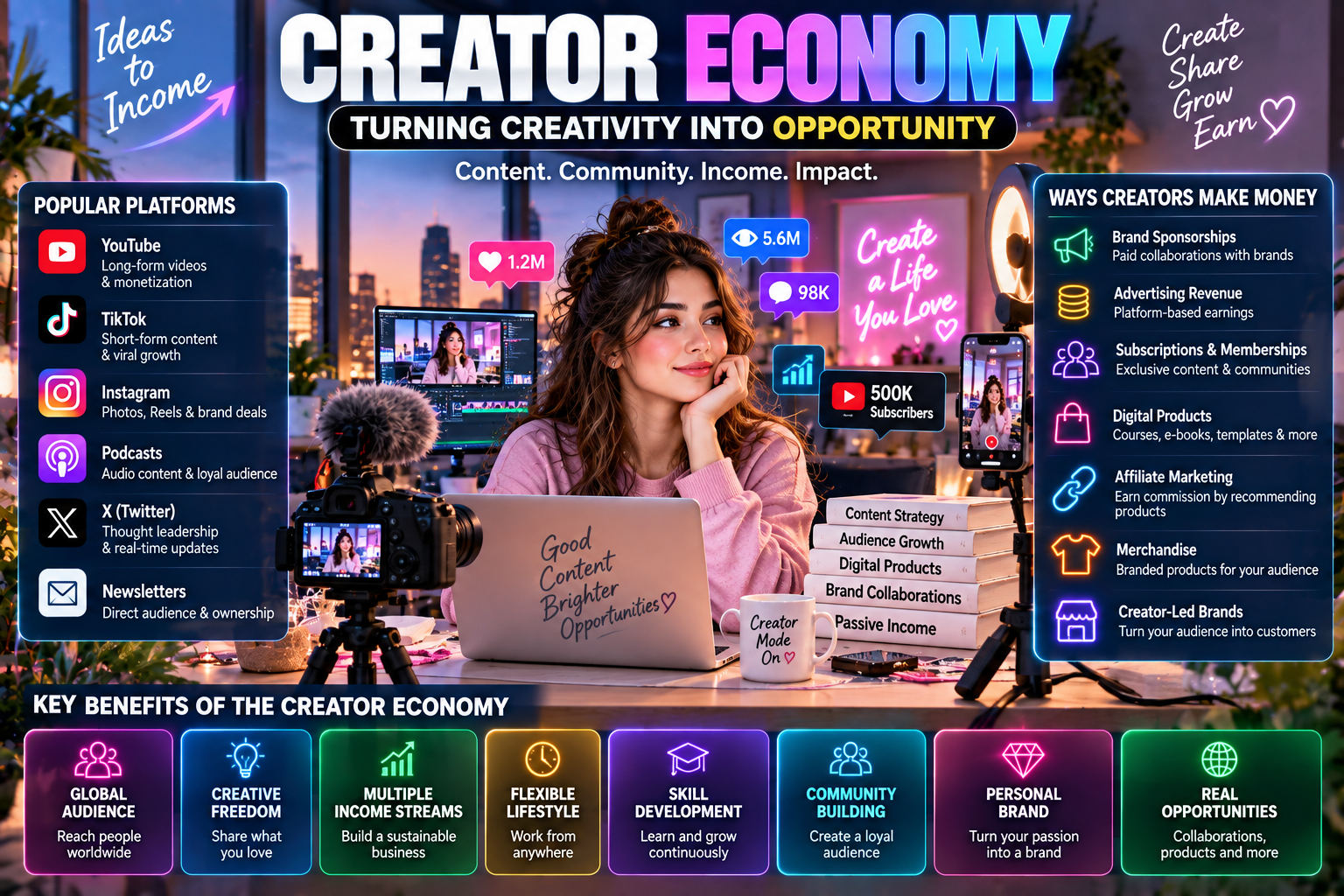
The creator economy is also creating new forms of digital entrepreneurship.
Creators can generate revenue through:
Advertising
Sponsorships
Subscriptions
Affiliate marketing
Digital products
E-commerce
Online courses
Membership communities
AI tools are also lowering the technical barriers to content creation and digital business.
Automation and Productivity
Automation can allow employees to spend less time on repetitive processes.
For example, an organization could automate:
Data collection → Data processing → Report generation → Employee review
Instead of:
Manual data collection → Manual spreadsheet work → Manual report creation
This can potentially improve productivity.
However, productivity gains depend on implementation quality.
Poorly designed automation can create new problems, including incorrect data, unnecessary complexity, or increased monitoring of employees.
The ILO's 2026 review of empirical evidence finds that productivity gains from generative AI are real in some settings but remain uneven, while large-scale job displacement has so far been limited. It also identifies concerns involving inequality, younger workers, worker autonomy, and job quality.
Employee Well-Being in the Future Workplace
Technology should not be evaluated only through productivity metrics.
Employee well-being is also important.
Potential benefits include:
Flexible work
Reduced repetitive tasks
Better collaboration
Faster access to information
Automation of administrative work
Potential challenges include:
Digital overload
Constant notifications
Excessive monitoring
Reduced autonomy
Work-life boundary problems
Stress from rapid technological change
Organizations need policies that balance technology adoption with employee well-being.
The World Economic Forum reports that 64% of surveyed employers identify employee health and well-being as an important strategy for increasing talent availability.
Cybersecurity and the Future of Work
As work becomes increasingly digital, cybersecurity becomes a core workplace requirement.
Remote workers, cloud systems, mobile devices, AI applications, and connected platforms can expand an organization's digital attack surface.
Future workers will therefore need basic cybersecurity awareness.
Important practices include:
Strong passwords
Multi-factor authentication
Secure devices
Phishing awareness
Data protection
Secure cloud access
Software updates
Appropriate AI usage
Cybersecurity will also create new employment opportunities as organizations require specialists to protect increasingly complex digital environments.
The Future of Work in Different Industries
Healthcare
Healthcare will increasingly combine human expertise with digital health platforms, AI-assisted analysis, telemedicine, remote monitoring, and administrative automation.
Human judgment and patient relationships will remain central.
Finance
Financial institutions are using AI, automation, digital banking, cybersecurity, analytics, and algorithmic systems.
Workers increasingly need a combination of financial knowledge and technology literacy.
Manufacturing
Robotics, industrial IoT, AI, predictive maintenance, and automation are changing production environments.
Workers may increasingly supervise intelligent machines and manage technology-enabled production systems.
Education
Teachers are likely to use digital learning platforms, AI tools, educational analytics, and personalized learning systems.
Human teaching, mentoring, and social interaction remain important.
Retail
Retail jobs are being reshaped by e-commerce, automated inventory, digital payments, recommendation systems, and AI customer service.
Transportation
Automation, electric vehicles, logistics software, route optimization, and connected vehicles are changing transportation and delivery work.
Energy
The transition toward renewable energy, energy storage, smart grids, and electric transportation is creating demand for new technical and engineering skills.
How Businesses Can Prepare for the Future of Work
Organizations can prepare through a structured workforce strategy.
1. Identify Future Skills
Determine which capabilities will become more important.
2. Audit Existing Skills
Understand what employees can already do.
3. Build Learning Programs
Create accessible opportunities for continuous development.
4. Introduce AI Responsibly
Identify tasks where AI can assist employees while maintaining appropriate human oversight.
5. Redesign Jobs
Instead of focusing only on eliminating tasks, organizations can redesign roles around human strengths and technology capabilities.
6. Improve Digital Infrastructure
Employees need reliable technology to work effectively.
7. Protect Workers and Data
Cybersecurity, privacy, and responsible technology practices should be integrated into workplace transformation.
8. Measure Outcomes
Organizations should track:
Productivity
Employee engagement
Training completion
Skill development
Customer satisfaction
Innovation
Employee retention
Technology adoption
How Workers Can Prepare for the Future of Work
Individuals can build resilience by developing a combination of technical and human skills.
Learn AI Literacy
Understand what AI can and cannot do.
Develop Digital Skills
Become comfortable with cloud software, analytics, collaboration platforms, and digital tools.
Strengthen Human Skills
Develop communication, creativity, analytical thinking, leadership, and collaboration.
Build a Learning Habit
Technology changes continuously, so learning should not stop after formal education.
Create a Portfolio
Projects can demonstrate practical capabilities to potential employers.
Understand Your Industry
Technology affects different sectors differently. Workers should monitor how digital transformation is changing their particular field.
Learn to Work With AI
Instead of viewing AI only as a competitor, understand how it can be used as a productivity tool.
What Will the Workplace of the Future Look Like?
The future workplace may combine:
Humans + AI + Automation + Data + Digital Platforms + Flexible Work
Employees may use AI assistants throughout the day.
Managers may receive real-time business insights.
Routine administrative work may become increasingly automated.
Teams may collaborate across countries and time zones.
Organizations may hire based increasingly on skills and practical capabilities.
Training may become continuous rather than occasional.
Workplaces may also become more personalized, data-driven, and technology-enabled.
But technology will not determine the future of work on its own.
Business decisions, education systems, labour policies, worker preferences, economic conditions, and social choices will also influence how these technologies affect employment.
Final Thoughts
The future of work is not simply a story about humans versus machines.
It is a story about how work itself is changing.
Artificial intelligence and automation will reshape tasks. Cloud computing and digital platforms will support flexible work. Data and analytics will influence decisions. Robotics will change physical workplaces. Cybersecurity will become increasingly important. At the same time, human capabilities such as creativity, judgment, leadership, communication, resilience, and empathy will continue to matter.
Current research points toward substantial workforce transformation rather than a single universal outcome. The World Economic Forum projects significant job creation and displacement by 2030, while the ILO's research suggests that generative AI will more often transform jobs than eliminate them entirely.
The key challenge will be ensuring that workers and organizations can adapt.
For businesses, that means investing in technology and people.
For workers, it means developing both digital literacy and human capabilities.
For education systems, it means creating opportunities for continuous learning.
The future of work will ultimately depend not only on what technology can do, but on how people and organizations choose to use it.
Frequently Asked Questions
What is the future of work?
The future of work describes how technology, AI, automation, flexible work, demographic change, new business models, and evolving skills are changing jobs and workplaces.
Will AI replace human workers?
AI can automate some tasks and change the responsibilities associated with many jobs. Current ILO research suggests that transformation of jobs is generally more likely than complete replacement, although impacts vary significantly by occupation and region.
What skills will be important in the future?
AI and Big Data, cybersecurity, technological literacy, analytical thinking, creativity, resilience, flexibility, leadership, collaboration, and lifelong learning are among the skills expected to become increasingly important.
Is remote work part of the future of work?
Remote and hybrid work are important components of workplace transformation, particularly for digitally enabled occupations. Their adoption varies by industry, occupation, geography, and employer.
What are the fastest-growing technology jobs?
The World Economic Forum's 2025 report identifies big data specialists, fintech engineers, AI and machine-learning specialists, software developers, and security management specialists among the fastest-growing roles in percentage terms.
What is reskilling?
Reskilling means developing skills that enable a worker to move into a substantially different role.
What is upskilling?
Upskilling means developing additional capabilities that help a worker perform an existing or related role.
Why is lifelong learning important?
Because technology and job requirements are changing continuously, workers may need to update their skills throughout their careers rather than relying only on skills acquired during formal education.
How can companies prepare for the future of work?
Companies can invest in employee training, AI literacy, digital infrastructure, cybersecurity, skills-based hiring, job redesign, flexible work practices, and responsible technology adoption.
What is human-AI collaboration?
Human-AI collaboration involves combining AI capabilities such as analysis, automation, and information processing with human capabilities such as judgment, creativity, leadership, communication, and decision-making.