Starting a business does not always require a large investment, an expensive office, or a team of employees. Many entrepreneurs begin with a simple idea, a basic set of tools, and a clear understanding of what customers need.
The challenge is not necessarily finding a large amount of money. It is learning how to use the money available wisely, avoid unnecessary expenses, and build a business that can generate revenue sustainably.
For example, someone with experience in writing, graphic design, bookkeeping, tutoring, or digital marketing may be able to start offering services with little more than a computer, an internet connection, and time. Someone interested in selling physical products can begin by researching demand and testing a small selection rather than purchasing large quantities of inventory immediately.
However, starting with limited money also requires careful planning. Spending too much before making the first sale, choosing an untested idea, or ignoring operating expenses can quickly create financial pressure.
This guide explains how to start a small business with limited money, choose a suitable business idea, estimate startup costs, find customers, and grow gradually without taking unnecessary financial risks.
1. Identify a Business Idea That Requires Little Investment
The first step is choosing a business model that fits your available budget, skills, and resources.
Some businesses require expensive equipment, inventory, licenses, or commercial premises. Others can begin with a small initial investment and expand as revenue increases.
When evaluating business ideas, consider three questions:
What skills, knowledge, or resources do you already have?
What problem can you solve for a specific group of customers?
Can you test whether people will pay for your solution without making a large upfront investment?
A business idea is more attractive when you can test it inexpensively and reach potential customers without spending heavily on advertising.
Service-Based Businesses
Service-based businesses are often suitable for entrepreneurs with limited funds because they may not require physical inventory.
Examples include:
Freelance writing: Businesses need website content, blog posts, product descriptions, and marketing materials.
Graphic design: Designers can create social media graphics, presentations, logos, and promotional materials.
Virtual assistance: Virtual assistants help businesses with scheduling, email management, research, customer support, and administrative tasks.
Tutoring: People with knowledge of a subject can offer individual or group lessons online or in person.
Social media management: Small businesses may need help creating content, planning posts, and communicating with customers.
Bookkeeping support: People with appropriate training can assist small businesses with organizing transactions and maintaining financial records.
The cost of starting depends on your existing equipment, skills, software requirements, and any applicable professional or legal requirements.
Online Businesses
Online business models can reduce the need for a physical location, although they still involve costs and competition.
Potential options include:
Selling digital templates, guides, or educational resources.
Creating a niche website supported by advertising or affiliate marketing.
Offering online consulting or specialized services.
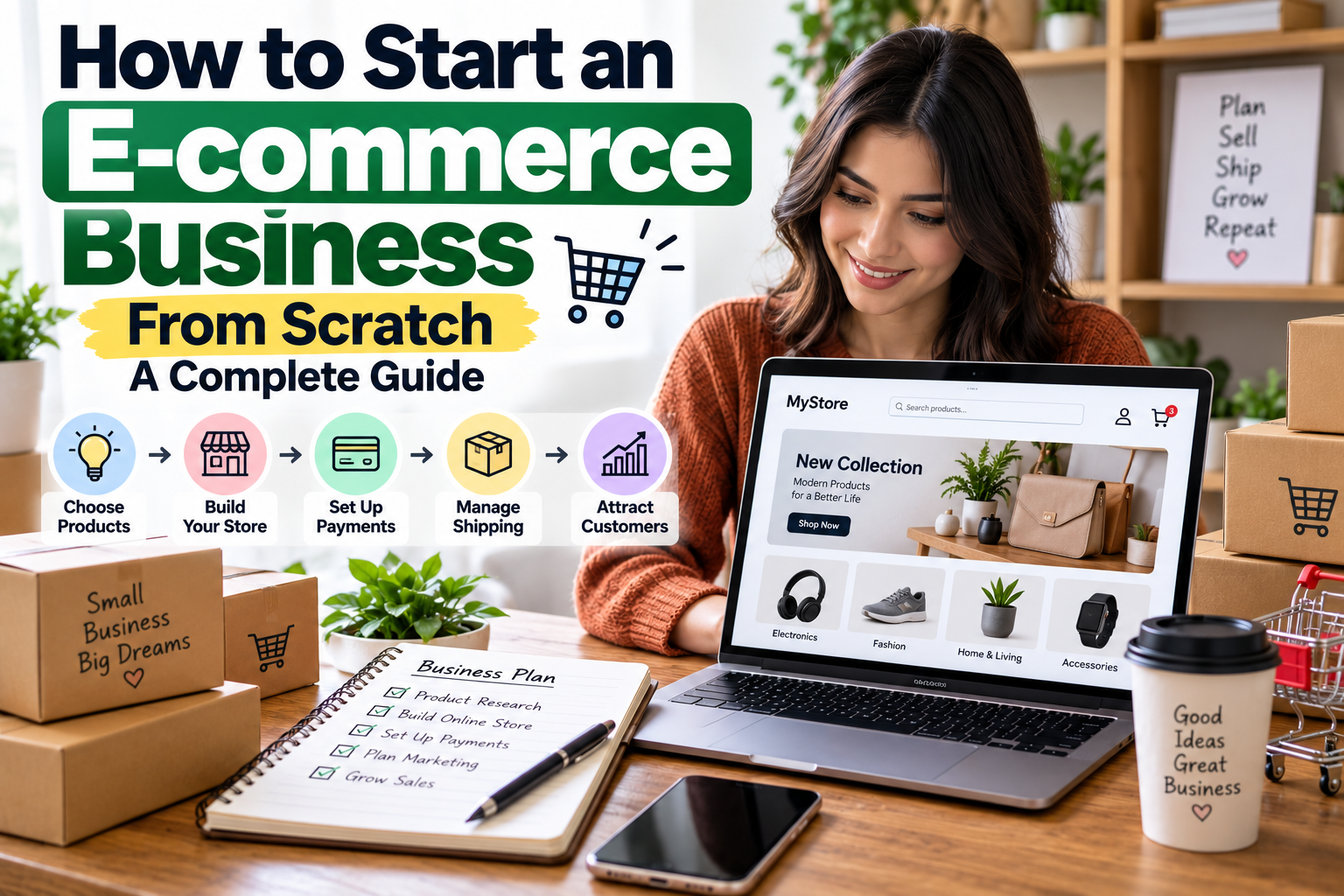
Building an online store with a carefully tested product range.
Selling original designs or print-on-demand products.
Not every online business produces immediate income. Websites may take time to attract search traffic, and e-commerce businesses must account for payment fees, returns, fulfillment, and customer acquisition.
Choose a model based on realistic demand rather than promises of quick profits.
2. Research the Market Before Spending Money
A common mistake is investing in a business idea before confirming that customers actually want the product or service.
Market research helps you understand potential customers, competing businesses, pricing, and unmet needs.
You do not necessarily need an expensive research report to get started.
Identify Your Target Customers
Describe the people or businesses most likely to purchase your offering.
For example, if you plan to provide social media management, your potential customers might be local restaurants, independent retailers, consultants, or small online brands.
A clearly defined audience makes it easier to develop an appropriate offer and identify where to find customers.
Study Your Competitors
Review businesses offering similar products or services.
Look at their prices, customer reviews, website content, service packages, delivery times, and marketing methods.
Customer reviews can be particularly useful because they may reveal recurring complaints, such as slow delivery, confusing pricing, or poor communication.
Use these observations to identify ways to provide better value. Avoid simply copying a competitor's brand, content, or products.
Test Demand Before Launching
You can test demand by speaking with potential customers, sharing a sample of your work, offering a small pilot service, or creating a simple landing page describing your offer.
For a product business, you might collect expressions of interest before committing to a large inventory purchase, while following applicable consumer protection and pre-order requirements.
The goal is to gather evidence before making substantial financial commitments.
3. Create a Simple Business Plan
A business plan does not have to be a lengthy document. When funds are limited, a concise plan can help you focus on the most important decisions.
Your initial plan should explain what you will sell, who will buy it, how you will reach customers, and how the business will cover its costs.
Include the following elements.
Business Concept
Describe your product or service in one or two sentences.
For example: "I will provide affordable website content services to small e-commerce businesses that need help improving their product pages."
Target Market
Identify your ideal customers, their needs, and the problems your business will solve.
Revenue Model
Explain how you will earn money.
You might charge per project, per hour, per product, through a monthly subscription, or through a commission arrangement.
Startup Costs
List the expenses required before you can begin operating.
These might include registration, equipment, software, a domain name, packaging, initial inventory, or professional services.
Marketing Strategy
Choose a few realistic ways to reach potential customers. These could include direct outreach, professional networking, useful website content, social media, referrals, or online marketplaces.
Financial Goals
Estimate how many sales you need to cover your expenses and when you expect the business to become financially sustainable.
Treat these figures as planning estimates rather than guaranteed outcomes.
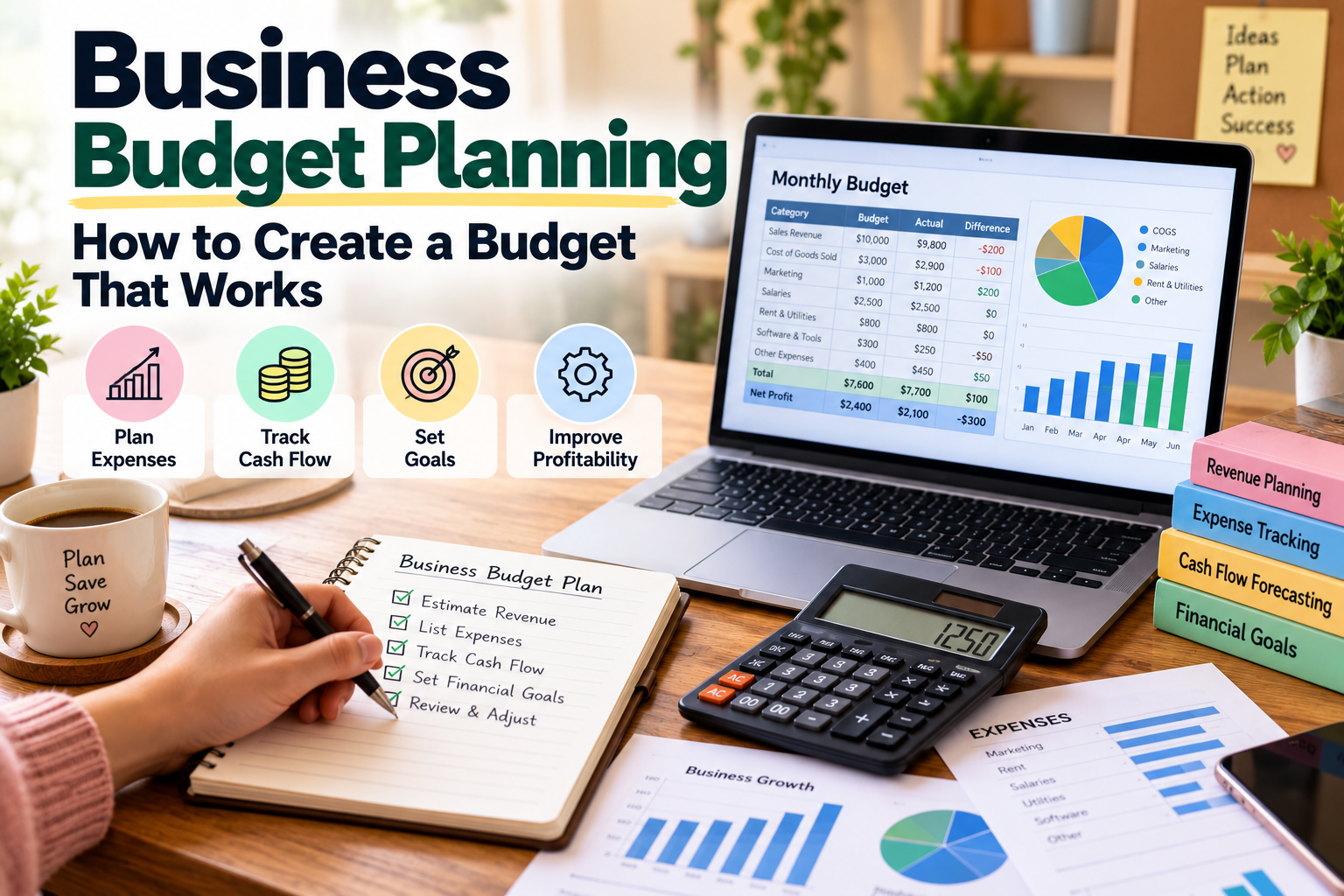
4. Calculate Your Startup Costs
Before spending money, separate essential startup expenses from optional purchases.
Essential expenses are those required to operate legally, deliver the product or service, and accept payments. Optional expenses may include premium branding, expensive office furniture, advanced software, or a large advertising campaign.
For a service business, a basic budget might include:
Expense | Example budget |
|---|---|
Domain and basic website setup | $30–$100 |
Essential software and tools | $0–$50 |
Initial marketing | $20–$100 |
Registration and administrative costs | Varies by location |
Emergency reserve | Based on expected expenses |
These are illustrative planning ranges, not universal prices. Actual costs depend on your location, business model, and existing resources.
A service provider who already owns a suitable computer may need very little additional equipment. A business selling physical products may need to budget for inventory, packaging, shipping, storage, and returns.
Understand Fixed and Variable Costs
Fixed costs generally remain relatively stable over a given period. Examples may include certain software subscriptions, insurance premiums, and rent.
Variable costs change with sales or production. Examples include product costs, packaging, transaction fees, and shipping expenses.
Understanding both categories helps you estimate how much revenue the business needs to cover its expenses.
For instance, a business may generate sales but still lose money if each transaction costs more to fulfill than the revenue it produces.
Keep an Emergency Reserve
Avoid spending every available dollar on the launch.
Unexpected costs can arise from equipment repairs, delayed customer payments, returns, supplier problems, or changes in demand.
A reserve can provide flexibility while you learn how the business performs. The appropriate amount depends on your financial situation and operating costs.
5. Start Small and Validate Your Offer
Once you have chosen a business idea and estimated the costs, launch the simplest version that can deliver genuine value.
This approach is sometimes called a minimum viable product or a pilot service.
For example, instead of developing a complete online course with dozens of lessons, you could first offer a small workshop and collect feedback from participants.
Instead of buying hundreds of products for an online store, you could test a limited selection and measure customer interest.
A freelance designer could begin with a small number of clearly defined service packages rather than offering every possible design service.
The objective is to learn from real customers while limiting financial exposure.
Collect Customer Feedback
After delivering your first product or service, ask customers what they found useful, what could be improved, and whether they would recommend the business.
Look for recurring patterns rather than changing your entire business strategy in response to a single comment.
Customer feedback can help you improve pricing, product quality, delivery processes, and the overall customer experience.
6. Choose an Affordable Way to Register Your Business
Business registration requirements depend on your location, business structure, industry, and planned activities.
Some entrepreneurs begin as sole proprietors where legally permitted, while others need or prefer to form a separate legal entity.
Before choosing a structure, investigate the applicable rules for:
Business name registration.
Tax identification and reporting.
Required licenses or permits.
Business bank accounts and payment processing.
Consumer protection and privacy obligations.
Insurance and industry-specific regulations.
A separate legal entity may offer certain liability protections, but it also can involve formation fees, reporting duties, and ongoing compliance costs.
Do not assume that every business requires an expensive company structure from day one, or that operating without registration is always permitted.
If you intend to sell internationally, check the requirements in both your home country and the target market. Payment providers and online marketplaces may impose additional verification requirements.
7. Build a Basic Online Presence
A business does not always need an expensive website at launch, but customers should have a reliable way to understand your offer and contact you.
Start with the tools appropriate for your business.
Create a Professional Business Profile
Use consistent business information, clear descriptions, and relevant contact details.
For service businesses, a portfolio showing examples of your work can help potential clients assess your capabilities.
For product businesses, use accurate descriptions, clear images, transparent prices, and straightforward policies.
Consider a Simple Website
A basic website can include:
A homepage explaining your offer.
A product or service page.
Contact information.
Frequently asked questions.
Relevant terms, privacy information, and customer policies.
A simple website with useful information is often more valuable at the beginning than an expensive design with little substance.
Use Social Media Strategically
Choose platforms where your target customers are active.
A business selling professional services might benefit from networking on LinkedIn, while a visually oriented product business may find image-focused platforms more useful.
Publish content that answers customer questions, demonstrates expertise, or shows how your product solves a problem.
You do not need to maintain a presence on every platform. Consistency and relevance are more important than spreading limited resources across too many channels.
8. Find Your First Customers Without Spending Too Much
Finding customers is one of the most important challenges for a new business.
You can begin with methods that rely more on effort and relevance than on a large advertising budget.
Use Your Existing Network
Tell relevant contacts what you offer and explain the type of customer you can help.
Personal recommendations can lead to initial conversations, although you should avoid pressuring friends or family to purchase something they do not need.
Contact Potential Customers Directly
Research businesses or individuals who are likely to benefit from your service.
Send concise, personalized messages explaining the problem you can solve. Avoid sending generic mass messages or making unsupported claims about the results you can deliver.
Publish Helpful Content
Create articles, tutorials, short videos, or practical guides that answer common customer questions.
For example, a bookkeeping service could publish an explanation of basic expense tracking. A website designer could share a checklist for improving website usability.
Useful content can support trust and bring visitors to your website over time, although organic traffic is not guaranteed and can take months to develop.
Encourage Referrals
After completing a project successfully, ask satisfied customers whether they know others who might benefit from your services.
Make the referral process simple and continue providing good service.
Test Paid Advertising Carefully
Paid advertising can help a business reach potential customers, but spending heavily before understanding conversion rates can be risky.
Begin with a small test budget only when you have a clear offer, an appropriate landing page, and a way to measure results.
Track the cost of acquiring customers and compare it with the profit generated from their purchases.
9. Manage Your Money From the Beginning
Good financial habits are important even when the business is small.
Keep clear records of sales, expenses, invoices, refunds, and payments. Where appropriate, separate business transactions from personal spending.
A dedicated business bank account can simplify recordkeeping and reconciliation, subject to the requirements of your jurisdiction and financial institution.
Track Revenue and Expenses
Record transactions consistently and review the information regularly.
At a minimum, monitor:
Total sales revenue.
Direct product or service costs.
Operating expenses.
Outstanding customer payments.
Taxes and other obligations.
Available cash.
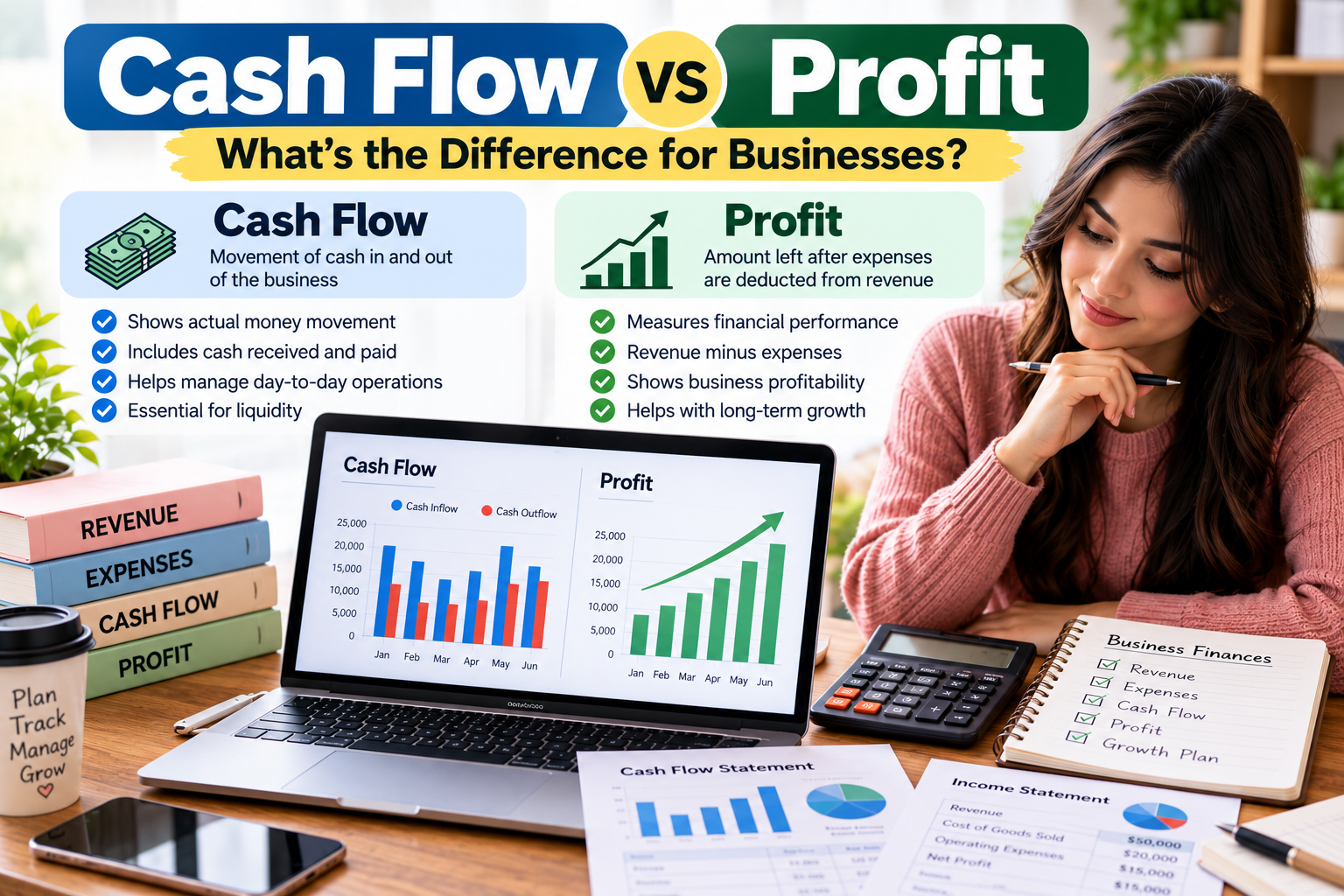
Revenue alone does not show whether a business is financially healthy. You need to understand both profitability and cash flow.
Avoid Unnecessary Debt
Borrowing can help finance a business, but it also introduces repayment obligations and potentially interest costs.
Before taking on debt, estimate whether the business can reasonably afford the payments under different sales scenarios.
Be cautious of high-cost financing and avoid borrowing based solely on optimistic sales projections.
Reinvest Carefully
When the business starts generating revenue, you may choose to reinvest in better tools, marketing, inventory, or additional capacity.
Prioritize investments that address a clear business need and have a reasonable expected benefit.
Avoid increasing spending simply because the business has made a few successful sales.
10. Understand When Your Business Can Break Even
The break-even point is the level of sales at which total revenue equals total costs, leaving neither a profit nor a loss under the assumptions used.
Understanding break-even can help you set realistic sales targets.
The basic formula is:
Break-Even Units = Fixed Costs ÷ (Selling Price per Unit − Variable Cost per Unit)
Suppose a small business sells a product for $50 per unit.
Its variable cost per unit is $30, and its monthly fixed costs are $400.
Contribution per unit = $50 − $30 = $20.
Break-even units = $400 ÷ $20 = 20 units.
The business must sell 20 units per month to cover the $400 in fixed costs under these assumptions.
This calculation excludes other factors not included in the example. Real businesses should also account for applicable taxes, payment fees, returns, product mix, and other relevant costs.
For service businesses, a similar calculation can help determine how many projects or billable hours are needed to cover monthly expenses.
11. Common Mistakes to Avoid When Starting With Limited Money
A limited budget makes it especially important to avoid expenses that do not contribute meaningfully to the business.
Spending Too Much Before the First Sale
Expensive branding, large inventory purchases, and advanced software may be unnecessary before you have validated customer demand.
Start with essential tools and expand when there is a clear reason to do so.
Choosing a Business Only Because It Is Trending
A popular business model is not automatically a good fit for your skills, budget, or market.
Research the competition, startup costs, and likely customer demand before committing money.
Underpricing Products or Services
Charging too little may attract customers initially but leave insufficient money to cover costs.
Calculate your expenses and consider the value you provide before setting prices.
Ignoring Marketing
Even a useful product needs a way to reach potential customers.
Set aside time and, where possible, a modest budget for customer research, outreach, referrals, and relevant content.
Expecting Immediate Profit
A business may require time to attract customers and develop a reliable sales process.
Plan for uncertainty and avoid assuming that revenue will increase every month.
Failing to Keep Financial Records
Poor recordkeeping makes it difficult to understand profitability, prepare tax information, or identify unnecessary expenses.
Maintain accurate records from the beginning.
12. How to Grow Your Business Gradually
Once you have validated your offer and started generating sales, focus on building a repeatable process.
First, identify which products or services generate the strongest contribution to profitability.
Second, improve delivery so that customers receive consistent quality without unnecessary work or costs.
Third, collect feedback and use it to improve the offer.
Fourth, develop a reliable method for attracting new customers, such as referrals, search traffic, professional networking, or targeted advertising.
Finally, reinvest in areas that address actual constraints. If demand is strong but delivery is slow, better tools or additional support may help. If visitors reach your website but do not purchase, improving the offer or checkout process may be more useful than increasing advertising spending.
Growth should be based on evidence. Expanding too quickly can increase expenses and complexity before the business has a stable financial foundation.
Conclusion
Starting a small business with limited money is possible when you choose an appropriate business model, understand customer needs, and manage expenses carefully.
Begin with skills and resources you already have. Research the market before making major purchases, create a simple business plan, and test your offer with real customers.
Keep accurate financial records, calculate your break-even point, and choose affordable ways to reach potential buyers. As the business develops, reinvest selectively and expand when demand and financial results support the decision.
There is no guaranteed formula for business success, and low startup costs do not eliminate risk. However, starting small can help you learn, adapt, and make better decisions without committing more money than necessary.
The most important first step is to identify a real customer problem and determine whether you can solve it in a way that people are willing to pay for.
Frequently Asked Questions (FAQs)
1. Can I start a small business with very little money?
Yes. Some service-based and online businesses can begin with limited funds, particularly when you already have the necessary equipment and skills. However, registration, software, marketing, and other costs may still apply.
2. What is the cheapest business to start?
Freelance writing, virtual assistance, tutoring, graphic design, and certain consulting services can have relatively low startup costs. The cheapest option for you depends on your existing skills, equipment, location, and legal requirements.
3. How do I start a business with no money?
Starting with absolutely no money can be difficult, but you may be able to reduce upfront costs by offering a service using existing resources, finding your first customers through direct outreach, and reinvesting initial earnings. Some expenses may still be unavoidable.
4. What business can I start from home?
Possible options include freelance services, online tutoring, consulting, digital products, virtual assistance, and certain e-commerce models. Check local rules, zoning requirements, and any industry-specific regulations that apply to home-based businesses.
5. Do I need a business plan to start a small business?
A formal business plan is not always required, but a simple plan is useful. It should identify your customers, offer, startup costs, pricing, marketing strategy, and financial goals.
6. How do I find customers for a new business?
You can use personal and professional networks, targeted outreach, referrals, online marketplaces, helpful website content, and relevant social media platforms. The best method depends on your target audience and business model.
7. Should I take a loan to start a business?
Not necessarily. Consider whether you can test the idea with fewer resources first. If you are considering a loan, calculate repayment obligations, interest costs, and whether the business can afford payments if sales are lower than expected.
8. How much should I spend on marketing when starting?
There is no universal amount. Begin with affordable methods that let you measure results, such as direct outreach, referrals, or useful content. Test paid advertising cautiously and increase spending only when the results justify it.
9. When will my small business become profitable?
The timeline varies by industry, pricing, costs, demand, and customer acquisition. Some businesses earn revenue quickly, while others take months or longer to cover their costs. Prepare realistic estimates rather than relying on guaranteed timelines.
10. How can I calculate the break-even point?
Divide fixed costs by the contribution per unit, calculated as selling price minus variable cost per unit.
For example, if fixed costs are $400 per month and each sale contributes $20 toward those costs, the business needs 20 sales to break even under those assumptions.
11. Is an online business cheaper than a traditional business?
An online business may avoid some expenses associated with a physical location, but it can still involve website costs, inventory, payment fees, advertising, fulfillment, software, and customer service. Compare the full costs of each business model before deciding.
12. What should I do first when starting a business?
Start by identifying a customer problem you can solve, researching demand, and estimating the minimum costs required to deliver your offer. Then test the idea with potential customers before making substantial investments.