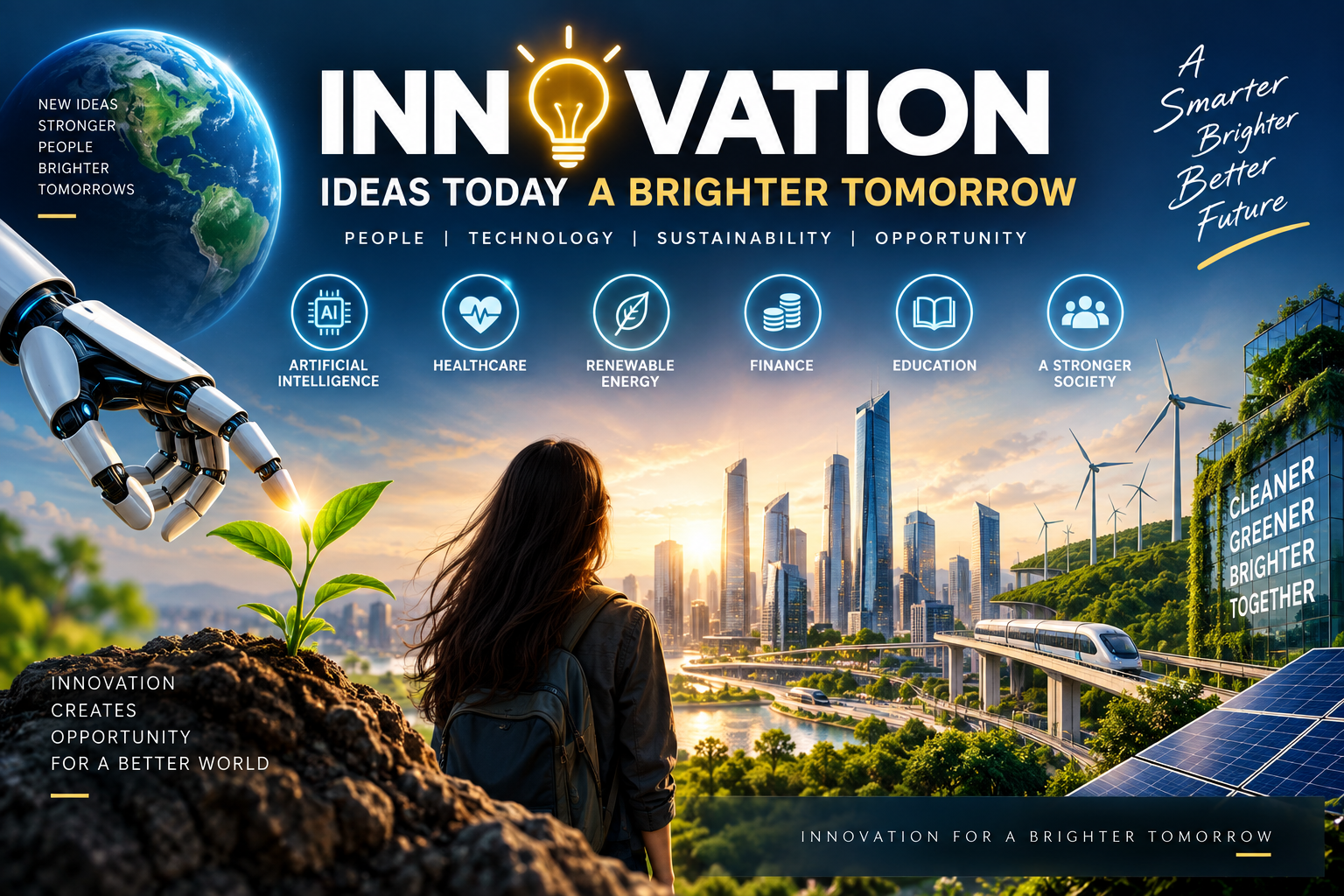
Innovation has become one of the most important forces shaping the modern world. From artificial intelligence and renewable energy to biotechnology, smart devices, digital finance, and advanced manufacturing, innovation is changing how people live, work, communicate, and solve problems.
For businesses, innovation is no longer simply a way to gain a competitive advantage. It has become essential for long-term growth and survival. Companies that continuously improve their products, services, processes, and customer experiences are better positioned to respond to changing markets and consumer expectations.
For individuals and societies, innovation can create new opportunities, improve productivity, reduce costs, and address some of the world's most difficult challenges.
What Is Innovation?
Innovation is the process of developing and applying new or improved ideas, products, services, technologies, or methods that create value.
Innovation does not always mean inventing something that has never existed before. Sometimes, it involves improving an existing product or finding a more efficient way to solve a familiar problem.
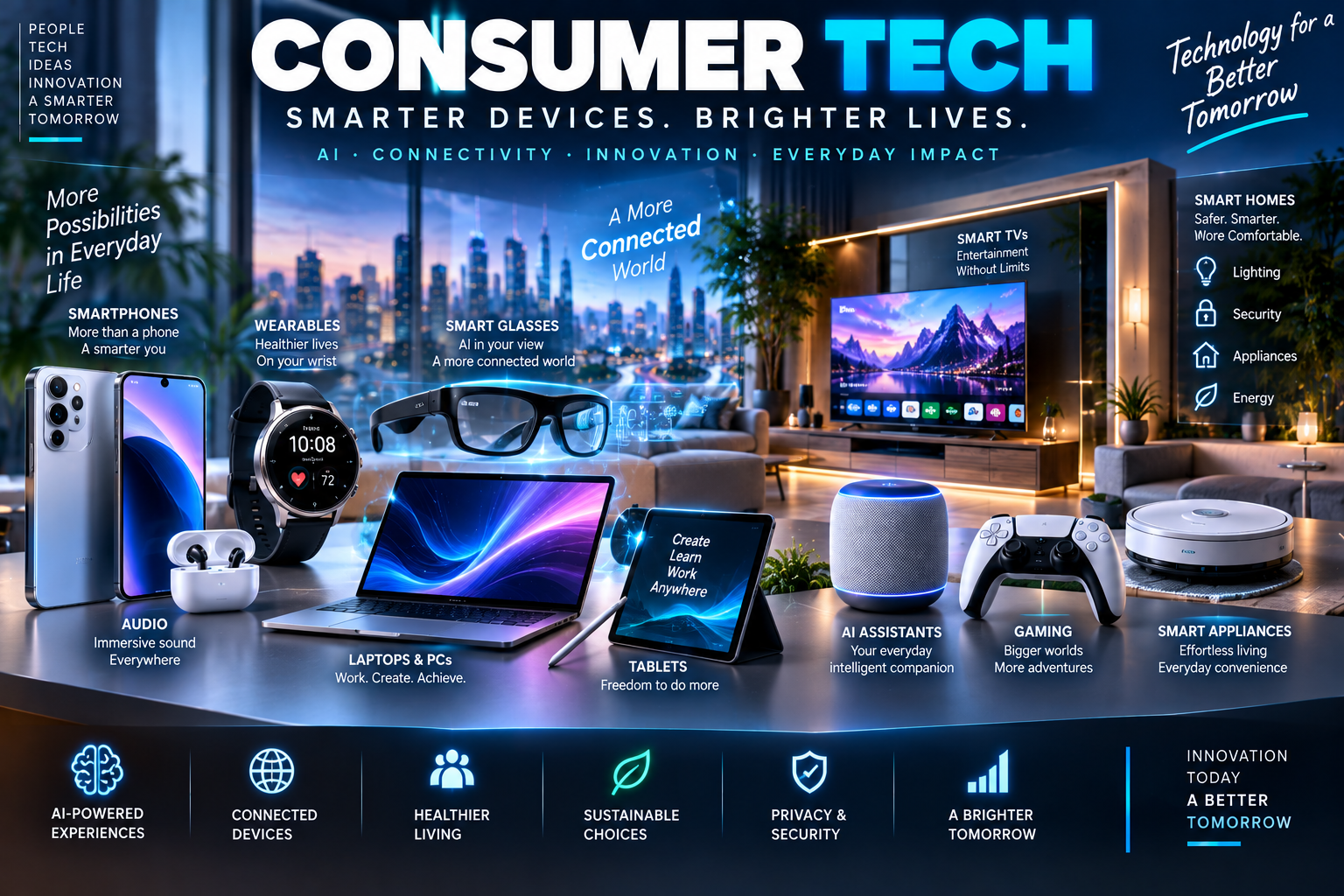
For example, smartphones did not simply introduce mobile communication. They combined communication, photography, computing, entertainment, navigation, banking, and many other functions into a single device.
Innovation can therefore be understood as turning ideas into practical solutions that have a meaningful impact.
Why Is Innovation Important?
Innovation plays a central role in economic growth and social development. It helps organizations become more efficient while creating new products and services for consumers.
One of the biggest benefits of innovation is increased productivity. New technologies can automate repetitive tasks, reduce errors, and allow employees to focus on more valuable activities.
Innovation can also help companies reduce costs. Better manufacturing techniques, cloud computing, automation, and data-driven decision-making can make operations faster and more efficient.
Another important benefit is improved customer experience. Businesses can use innovative technologies to offer faster services, personalized recommendations, digital payments, and convenient online experiences.
Innovation is also essential for solving global challenges. Technologies related to clean energy, water management, agriculture, healthcare, and climate adaptation could play an important role in building a more sustainable future.
Major Types of Innovation
Innovation takes many different forms. Understanding these categories helps explain how organizations and societies create progress.
1. Product Innovation
Product innovation involves creating a new product or improving an existing one.
Examples include electric vehicles, smartwatches, advanced medical devices, and more efficient household appliances.
A successful product innovation usually addresses a specific consumer need or improves the experience of using an existing product.
2. Process Innovation
Process innovation focuses on improving the way something is produced or delivered.
Factories, for example, can use robotics and automation to increase production speed and consistency. Businesses can also use software to automate accounting, customer support, inventory management, and other administrative activities.
Process innovation can reduce costs while improving quality.
3. Business Model Innovation
Sometimes innovation changes not the product itself, but the way a company creates and earns value.
Subscription services are a good example. Instead of purchasing a product once, customers may pay a recurring monthly or annual fee for continued access.
Digital platforms, marketplaces, and software-as-a-service businesses have also transformed traditional business models.
4. Technological Innovation
Technological innovation involves using new technologies to create better solutions.
Artificial intelligence, robotics, blockchain, biotechnology, advanced computing, and renewable energy are examples of technological areas driving major changes.
Technology often acts as an accelerator, allowing ideas that were previously expensive or impossible to become practical.
5. Social Innovation
Social innovation focuses on solving social and community problems.
Examples include new approaches to education, healthcare access, financial inclusion, affordable housing, and community development.
Social innovation demonstrates that innovation is not limited to technology or business.
Artificial Intelligence and the Next Era of Innovation
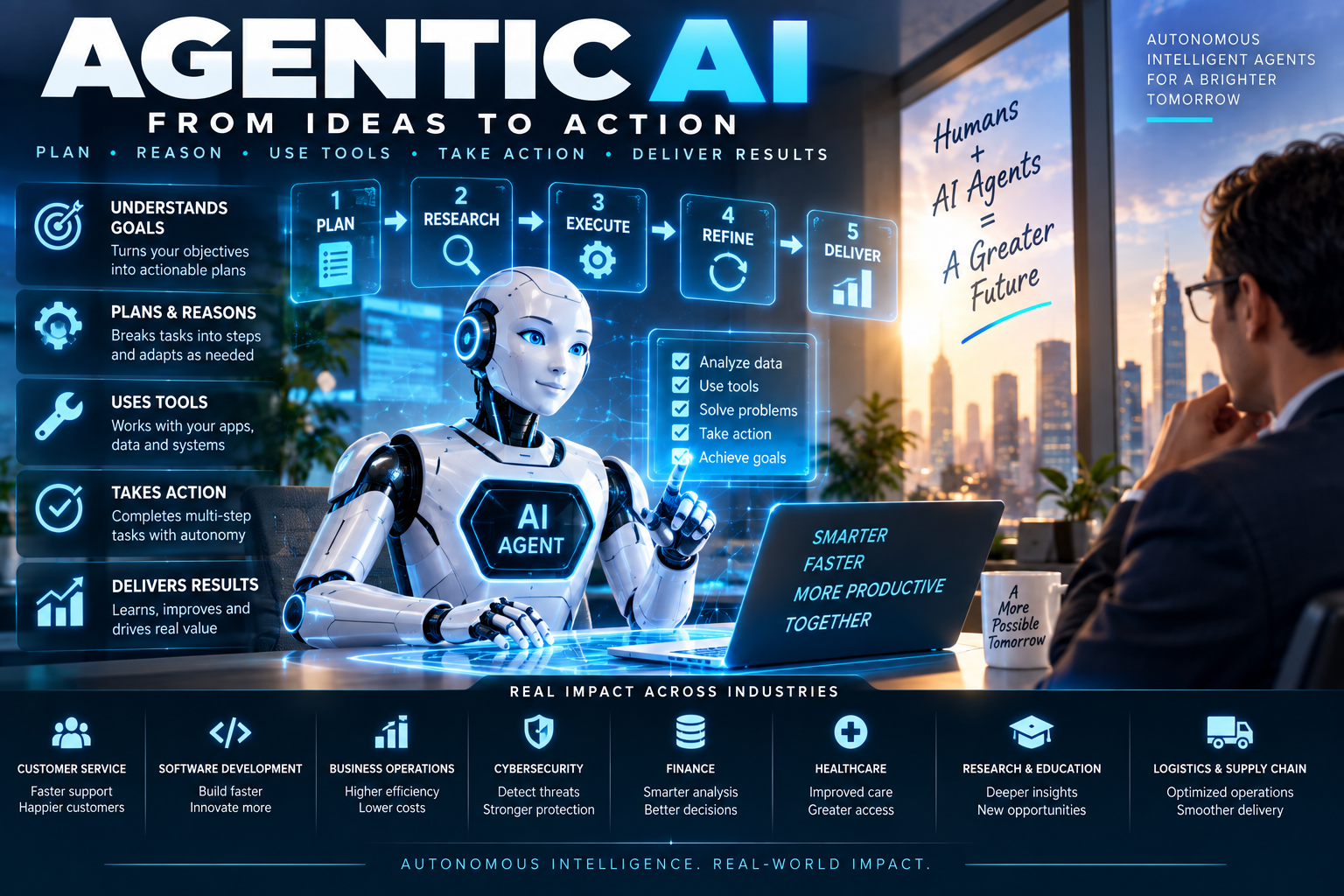
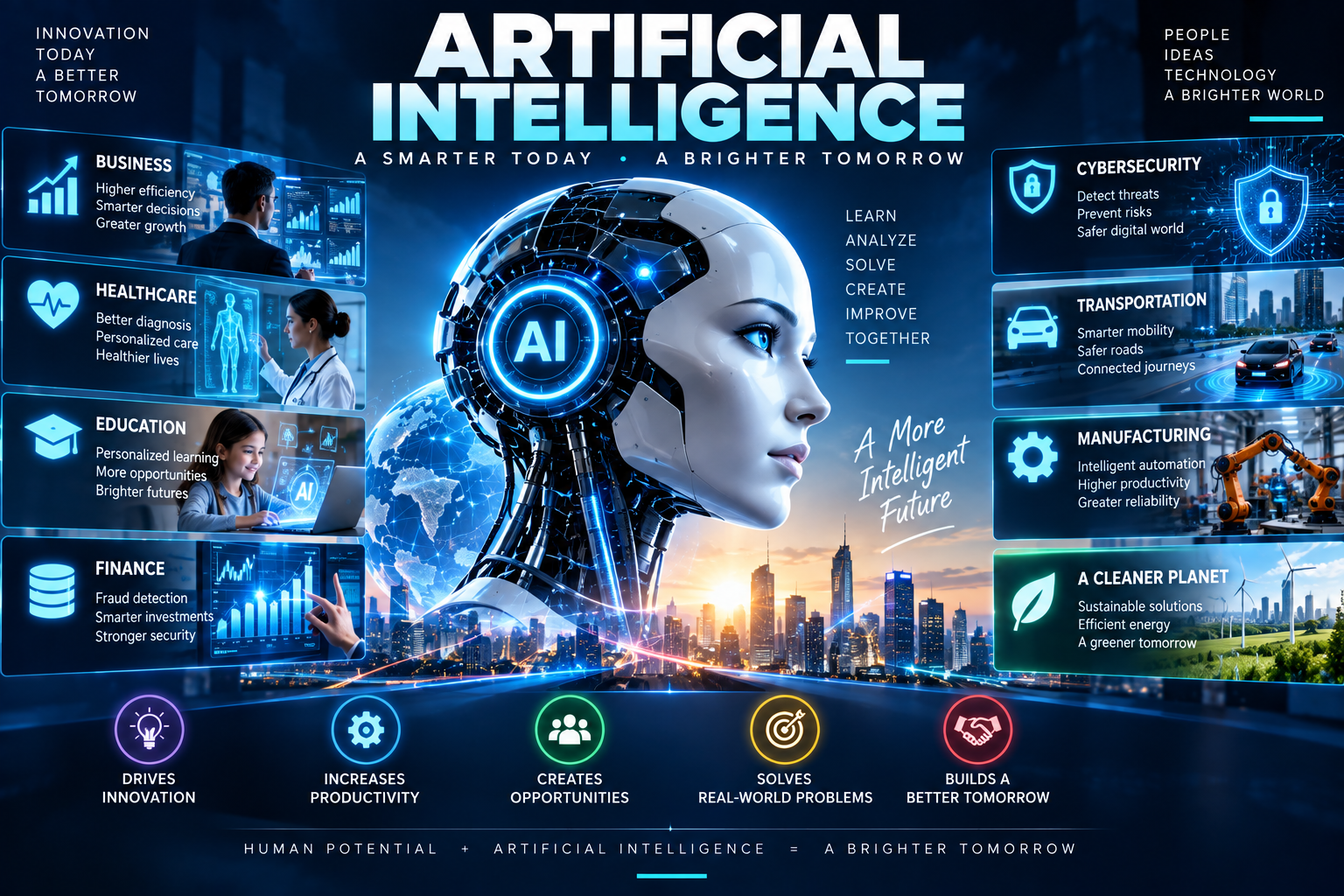
Artificial intelligence is one of the most significant technological developments of the current era.
AI systems can analyze enormous quantities of information, identify patterns, generate content, assist with decision-making, and automate a wide variety of tasks.
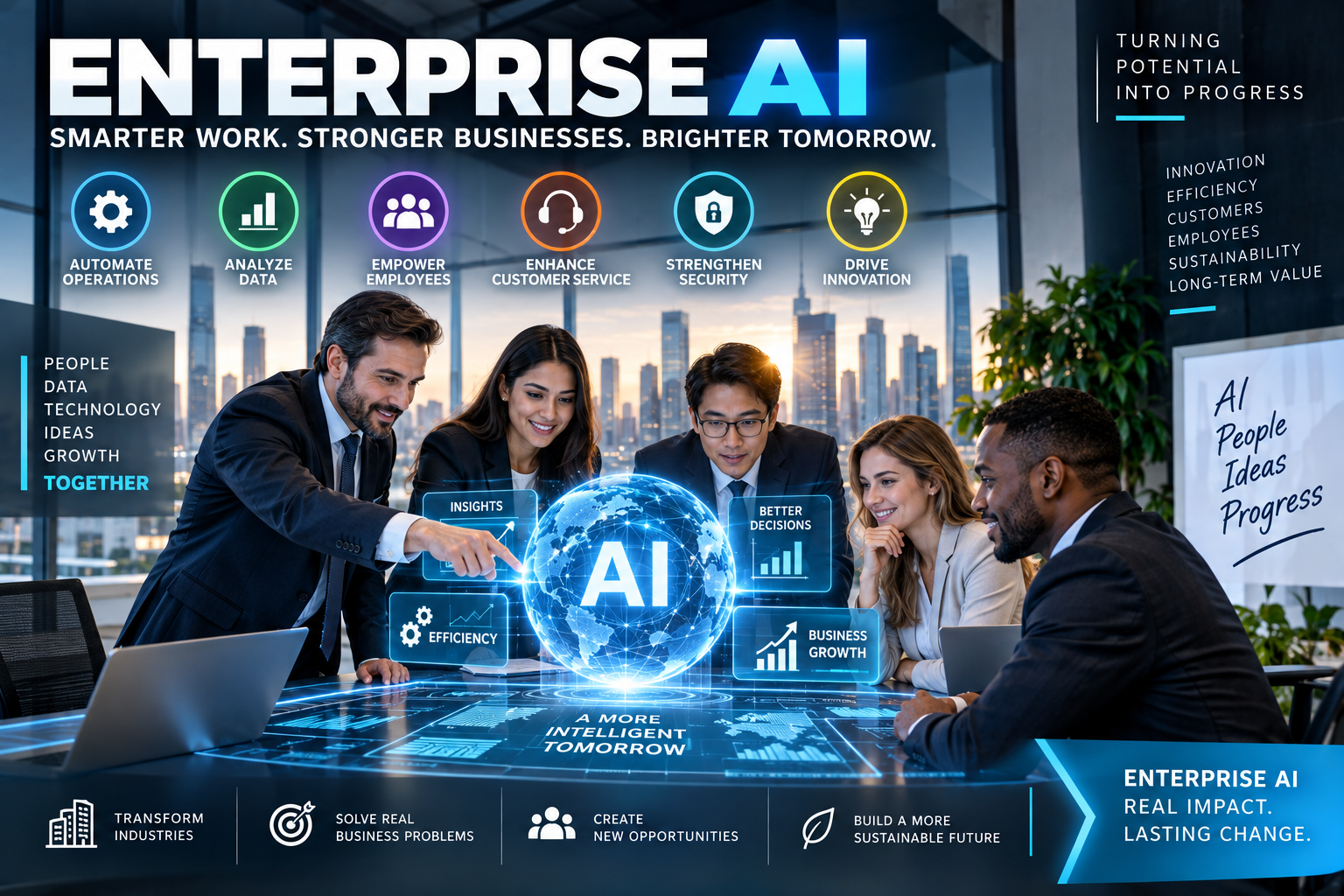
Businesses are increasingly exploring AI for customer service, marketing, software development, financial analysis, research, logistics, and operational management.
Generative AI has also expanded the possibilities for individuals and organizations. People can use AI tools to generate text, images, software code, ideas, presentations, and other forms of digital content.
However, AI innovation also creates challenges. Organizations must consider privacy, cybersecurity, misinformation, employment disruption, intellectual property, bias, and responsible use.
The future of AI innovation will therefore depend not only on technological capabilities but also on effective governance and responsible implementation.
Innovation in Healthcare
Healthcare is another sector experiencing rapid innovation.
Artificial intelligence can help researchers analyze medical information and accelerate the development of new treatments. Digital health platforms can make healthcare services more accessible, while wearable devices can provide people with information about activity, sleep, heart rate, and other measurements.
Biotechnology is also opening new possibilities in areas such as genetic research, personalized medicine, and disease treatment.
Robotic technologies can assist medical professionals in performing increasingly precise procedures.
The long-term goal of healthcare innovation is not simply to introduce advanced technology but to improve outcomes, increase accessibility, reduce costs, and make healthcare more efficient.
Renewable Energy and Sustainable Innovation
The transition toward cleaner energy is driving innovation across the global economy.
Solar panels, wind turbines, batteries, electric vehicles, smart electricity grids, and energy-efficient buildings are examples of technologies contributing to a more sustainable energy system.
Battery technology is particularly important because energy storage can help address the intermittent nature of renewable power.
Innovation is also occurring beyond energy production. Companies are developing new approaches to recycling, sustainable packaging, water conservation, agriculture, construction, and transportation.
Sustainable innovation can help businesses reduce environmental impact while creating new markets and economic opportunities.
Innovation in Finance
The financial industry has undergone significant technological change.
Digital banking, mobile payments, online investment platforms, automated financial services, and financial technology companies have changed how people manage money.
Fintech innovation can make financial services faster and more accessible. In developing markets, mobile financial services can help people access payments and other financial products without relying entirely on traditional banking infrastructure.
Blockchain and digital asset technologies are also exploring alternative approaches to payments, ownership, and financial transactions.
At the same time, financial innovation requires strong attention to security, regulation, fraud prevention, and consumer protection.
Innovation in Education
Education is increasingly being transformed by digital technology.
Online learning platforms allow students to access educational resources from almost anywhere. Interactive tools, virtual classrooms, digital textbooks, and AI-powered learning assistants can provide additional support to teachers and students.
One important opportunity is personalized learning. Technology can potentially help students learn at different speeds and receive material suited to their individual needs.
However, technology should complement rather than automatically replace teachers. Human guidance, critical thinking, creativity, communication, and social development remain essential parts of education.
The Role of Startups in Innovation
Startups often play an important role in innovation because they can experiment quickly and challenge established industries.
A small company may identify an underserved customer group and develop a new solution without the organizational complexity of a large corporation.
Many successful startups begin with a simple question: "Can this problem be solved better?"
However, innovation does not guarantee success. Startups must understand their customers, manage finances, build strong teams, test their ideas, and adapt when the market provides new information.
The most successful innovative companies often combine creativity with disciplined execution.
Challenges of Innovation
Although innovation creates many opportunities, it also introduces risks.
One challenge is cost. Research, development, testing, and implementation can require significant investment.
Another challenge is resistance to change. Employees, customers, and organizations may be comfortable with existing systems and reluctant to adopt unfamiliar technologies.
Cybersecurity is another major concern. As organizations become more digital, the potential impact of cyberattacks can increase.
Ethical questions are also becoming increasingly important. Technologies such as AI, biotechnology, surveillance systems, and automation can have significant consequences for individuals and society.
Innovation therefore needs responsible planning. The goal should not simply be to develop something new but to develop something useful, safe, sustainable, and beneficial.
How Businesses Can Build an Innovative Culture
Organizations can encourage innovation by creating an environment where employees are comfortable sharing ideas and experimenting with new approaches.
Leadership plays a critical role. Managers should support creativity while also establishing clear goals and accountability.
Companies can also use customer feedback to identify opportunities for improvement. Customers often reveal problems that internal teams may overlook.
Experimentation is another important element. Rather than investing heavily in an untested idea, businesses can create prototypes, conduct small trials, measure results, and improve the concept.
Collaboration between departments can also encourage innovation. Marketing, engineering, finance, design, and operations teams may see the same problem from different perspectives.
The Future of Innovation
The future of innovation will likely be shaped by the convergence of multiple technologies.
Artificial intelligence may work alongside robotics, biotechnology, advanced materials, cloud computing, and connected devices. This combination could create solutions that are difficult to imagine using any single technology independently.
Automation may change the nature of many jobs, while new industries and professions emerge around emerging technologies.
Healthcare could become increasingly personalized. Energy systems could become more decentralized and renewable. Education could become more flexible and personalized. Businesses could use real-time data and AI to make faster decisions.
However, technological progress alone will not determine the future.
Education, regulation, ethics, infrastructure, investment, and public trust will all influence how innovation affects society.
The most valuable innovations are likely to be those that combine technological progress with real human needs.
Conclusion
Innovation is much more than the creation of new technology. It is the process of turning ideas into solutions that create meaningful value.
From artificial intelligence and healthcare to renewable energy, finance, education, and business, innovation is transforming industries around the world.
For businesses, continuous innovation can improve competitiveness and efficiency. For consumers, it can provide better products and services. For society, it can help address complex challenges and create new opportunities.
The future will belong not necessarily to those who create the most technology, but to those who understand how to use innovation responsibly and effectively.
As technology continues to evolve, the ability to adapt, experiment, learn, and improve will become increasingly important. Innovation will remain one of the strongest forces shaping the economy and society in the years ahead.
Frequently Asked Questions About Innovation
1. What is innovation in simple words?
Innovation means creating a new idea or improving an existing idea, product, service, or process to provide greater value or solve a problem more effectively.
2. Why is innovation important?
Innovation is important because it can improve productivity, reduce costs, create new products and services, increase competitiveness, and help solve social and environmental challenges.
3. What are the main types of innovation?
Major types include product innovation, process innovation, business model innovation, technological innovation, and social innovation.
4. Is innovation the same as invention?
No. An invention is the creation of something new, while innovation involves successfully applying a new or improved idea to create value. An invention can become an innovation when it is effectively implemented and adopted.
5. How does technology support innovation?
Technology provides tools that can make new ideas possible, faster, cheaper, and more scalable. AI, cloud computing, robotics, biotechnology, and advanced manufacturing are examples.
6. How can a business become more innovative?
Businesses can encourage innovation by listening to customers, supporting employee ideas, experimenting with new solutions, investing in research and development, and creating a culture that accepts calculated risks and learns from failure.
7. What is sustainable innovation?
Sustainable innovation involves developing products, services, technologies, or processes that create value while reducing environmental impact or supporting long-term social and economic sustainability.
8. How does artificial intelligence contribute to innovation?
AI can automate tasks, analyze large datasets, identify patterns, generate content, support research, improve decision-making, and help businesses develop new products and services.
9. Can small businesses innovate?
Yes. Innovation is not limited to large corporations. Small businesses can innovate by improving customer service, introducing new products, adopting digital tools, changing business models, or finding more efficient ways to operate.
10. What will innovation look like in the future?
Future innovation is likely to involve greater integration of AI, robotics, biotechnology, renewable energy, advanced computing, and connected technologies. Human needs, sustainability, safety, and responsible technology use will also play increasingly important roles.