Leadership is changing. In today's business environment, leaders must navigate artificial intelligence, economic uncertainty, changing customer expectations, digital transformation, talent competition, and increasingly complex markets.
The traditional idea of a leader simply giving instructions is no longer enough. Modern leadership is about setting direction, developing people, making informed decisions, communicating clearly, and creating an organization that can adapt.
Whether someone is a CEO, manager, entrepreneur, or emerging executive, effective leadership strategies can help turn a group of employees into a high-performing team.
What Are Leadership Strategies?
Leadership strategies are the approaches leaders use to guide people and organizations toward specific goals.
A strong leadership strategy typically combines:
Clear vision
Effective communication
Employee development
Strategic decision-making
Accountability
Collaboration
Innovation
Adaptability
Emotional intelligence
The best strategy depends on the organization.
A startup may need speed and experimentation.
A large corporation may need coordination and risk management.
A growing company may need stronger processes and leadership development.
There is no single leadership model that works for every situation.
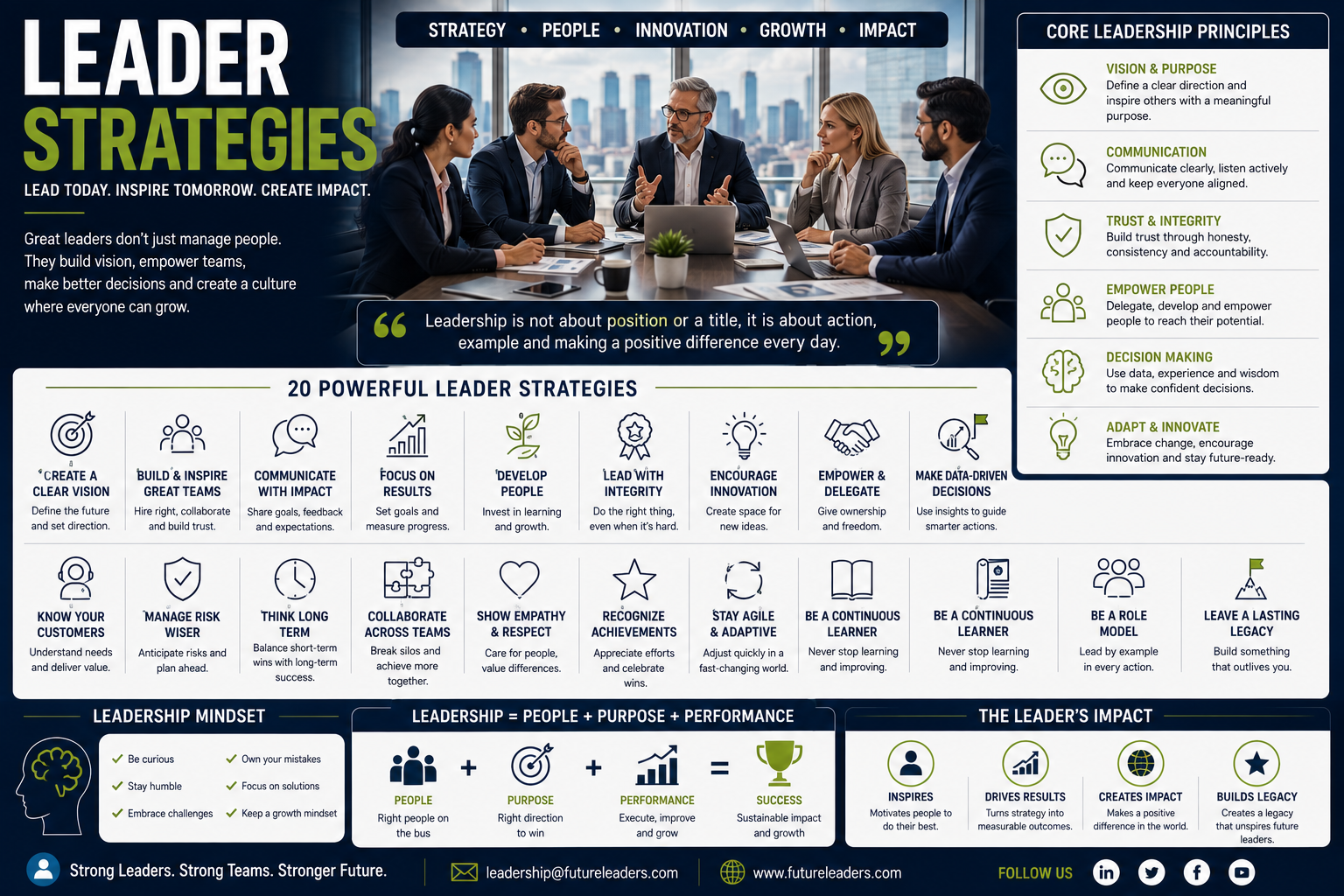
1. Create a Clear Vision
One of the most important responsibilities of a leader is defining where the organization is going.
Employees need to understand:
What are we trying to achieve?
Why does it matter?
What does success look like?
A clear vision helps people connect their daily work to larger objectives.
For example, instead of telling a team to "increase sales," a leader might establish a more meaningful goal:
"Become the most trusted digital service provider in our target market over the next three years."
This provides direction beyond a single quarterly target.
2. Communicate With Purpose
Good leadership depends on communication.
Leaders communicate with employees, customers, investors, partners, and other stakeholders.
Effective communication should be:
Clear
Honest
Consistent
Timely
Relevant
Leaders should also listen.
Communication isn't simply about speaking.
Employees often have valuable information about customers, processes, and problems that executives may not see from the top of the organization.
A leader who listens can discover issues earlier and make better decisions.
3. Build Trust
Trust is one of the foundations of effective leadership.
Employees need confidence that their leaders will:
Keep commitments
Communicate honestly
Treat people fairly
Accept responsibility
Make decisions consistently
Trust isn't created through a single speech.
It is built through repeated behavior.
When leaders say one thing and consistently do another, trust declines.
When leaders act consistently with their stated values, credibility grows.
4. Develop People
Strong leaders don't simply manage employees.
They develop them.
This means identifying strengths, improving weaknesses, providing feedback, and creating opportunities for growth.
Leadership development can include:
Mentoring
Coaching
Training
Stretch assignments
Cross-functional projects
Leadership programs
Employees who see opportunities for development may be more likely to remain engaged and committed to the organization.
5. Delegate Effectively
Some leaders try to control every decision.
This can create bottlenecks.
Effective delegation means giving people responsibility while maintaining appropriate accountability.
A leader can define:
The objective
The authority
The resources
The deadline
The expected outcome
Then allow the employee to determine how to achieve it.
Delegation helps develop future leaders and allows executives to focus on higher-level strategic issues.
6. Make Data-Informed Decisions
Modern leaders have access to more information than ever.
Business leaders can analyze:
Sales data
Customer behavior
Financial performance
Employee trends
Market research
Operational metrics
Competitor activity
Data can improve decision-making, but leaders shouldn't become dependent on dashboards alone.
Numbers need context.
A decline in sales might be caused by pricing, competition, seasonality, product quality, or changing customer preferences.
Strong leaders combine data with experience and judgment.
7. Embrace Artificial Intelligence
AI is becoming a major leadership issue.
Executives need to determine where AI can improve productivity and where human involvement remains essential.
Potential applications include:
Customer service
Data analysis
Marketing
Financial forecasting
Document processing
Software development
Research
Workflow automation
Leaders shouldn't adopt AI simply because competitors are using it.
They should ask:
What problem will this solve?
How will we measure the benefit?
What risks could it introduce?
How will employees use it?
This creates a more practical approach to AI adoption.
8. Build Human-AI Collaboration
AI doesn't necessarily mean replacing employees.
In many situations, the better strategy is to combine human capabilities with AI capabilities.
AI can process information quickly.
People can provide:
Judgment
Creativity
Empathy
Leadership
Negotiation
Context
A strong leader determines which tasks should be automated and which should remain human-centered.
The future workplace may increasingly involve employees working alongside AI systems rather than simply using traditional software.
9. Encourage Innovation
Organizations that stop experimenting can eventually fall behind.
Leaders can encourage innovation by creating environments where employees are allowed to test ideas responsibly.
This doesn't mean every experiment will succeed.
Failure can provide useful information when it is controlled and understood.
Leaders can ask:
What did we learn?
What should we change?
What should we try next?
A culture of experimentation can help organizations discover new products, services, and processes.
10. Create Psychological Safety
Employees should feel comfortable raising concerns and sharing ideas.
If people believe they will be punished for disagreeing with leadership, important information may never reach decision-makers.
Psychological safety doesn't mean eliminating accountability.
It means creating an environment where employees can:
Ask questions
Admit mistakes
Challenge assumptions
Offer ideas
Raise concerns
Leaders can improve this by responding constructively to disagreement.
11. Focus on Customer Needs
Leadership shouldn't become disconnected from customers.
Executives should regularly understand:
What customers want
Why they buy
Why they leave
What problems they experience
What competitors offer
How expectations are changing
Customer feedback can reveal opportunities for innovation.
A company may believe its product is excellent while customers struggle with a completely different problem.
Strong leaders create systems that keep customer insights connected to strategic decisions.
12. Develop a Resilient Organization
Unexpected events can disrupt even successful businesses.
Examples include:
Economic downturns
Cybersecurity incidents
Supply-chain disruptions
New competitors
Regulatory changes
Technology shifts
Leaders should prepare for uncertainty before it happens.
This can involve scenario planning, financial reserves, backup systems, diversified suppliers, cybersecurity measures, and crisis-response plans.
Resilience isn't about predicting every crisis.
It's about building an organization capable of responding when conditions change.
13. Think Long Term
Quarterly performance matters, but leaders also need to think beyond the next reporting period.
Long-term leadership involves considering:
Where will the industry be in five years?
What technologies could disrupt our business?
Which skills will employees need?
What will customers expect?
Where should we invest today?
Short-term decisions should support long-term objectives whenever possible.
14. Build Cross-Functional Leadership
Modern business problems rarely belong to one department.
AI adoption, for example, may involve:
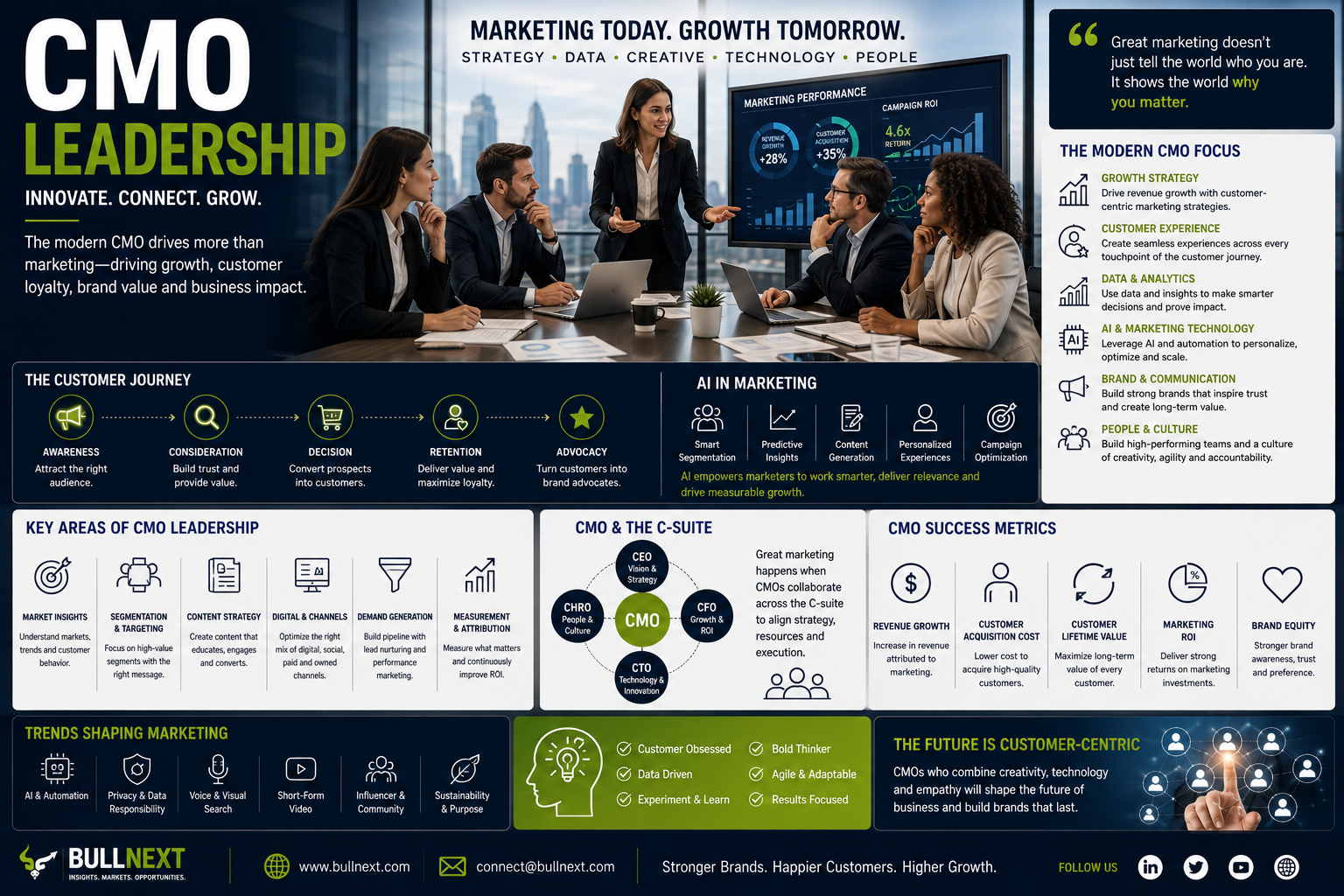
CEO → Strategy
CFO → Investment
CTO → Technology
CISO → Security
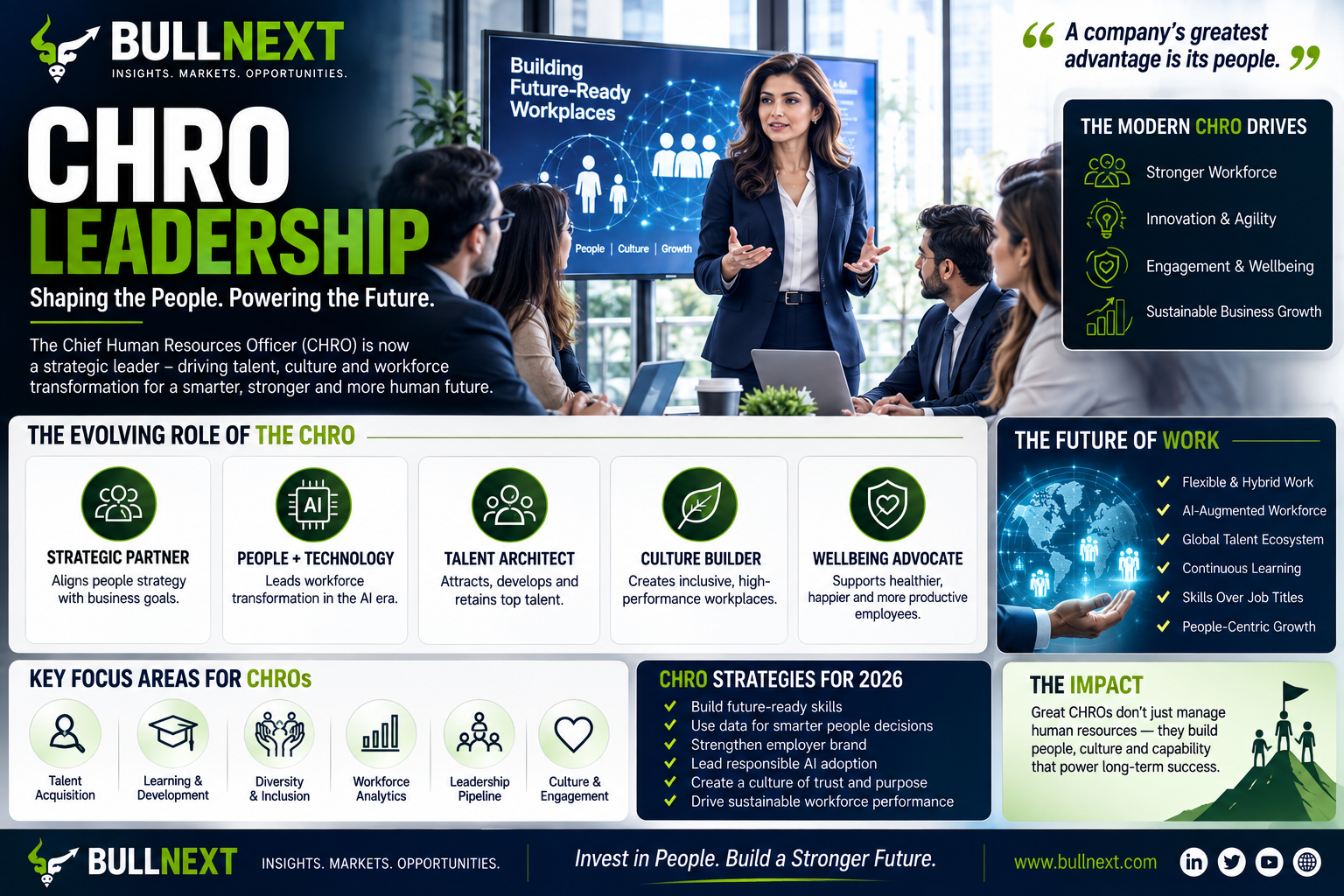
CHRO → Workforce
CMO → Customer Experience
COO → Operations
Strong leadership encourages these executives and departments to collaborate.
Breaking down organizational silos can improve decision-making and execution.
15. Recognize Employee Contributions
Recognition can have a meaningful effect on workplace culture.
Leaders can recognize:
Excellent performance
Innovation
Collaboration
Customer service
Problem-solving
Leadership
Recognition doesn't always need to be financial.
A genuine acknowledgment from a senior leader can make employees feel valued.
16. Lead Through Change
Change is unavoidable.
Companies may introduce new technology, restructure teams, enter new markets, acquire competitors, or change their strategy.
Employees can resist change when they don't understand why it is happening.
Leaders should explain:
What is changing?
Why is it changing?
How will it affect employees?
What support will be available?
What does success look like?
Clear communication can make organizational change easier to manage.
17. Develop Future Leaders
Organizations should not depend entirely on a few senior executives.
Strong leaders build leadership pipelines.
Potential future leaders can be identified through:
Performance
Initiative
Communication
Problem-solving
Collaboration
Adaptability
Once identified, emerging leaders can receive mentorship and opportunities to manage projects or teams.
This creates organizational continuity.
18. Use Leadership Networks
Leaders don't have to solve every problem alone.
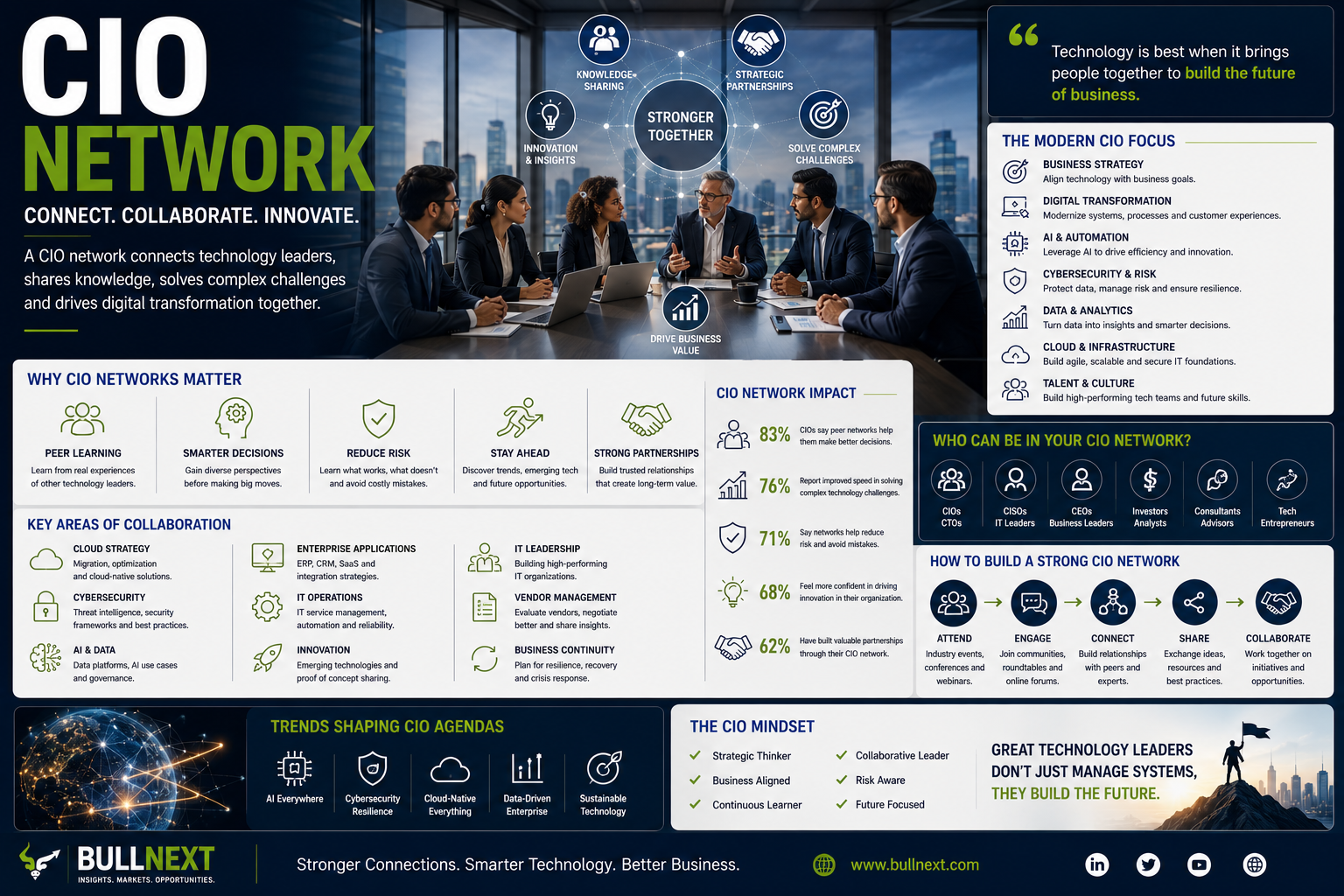
Executive networks can connect leaders with:
Other CEOs
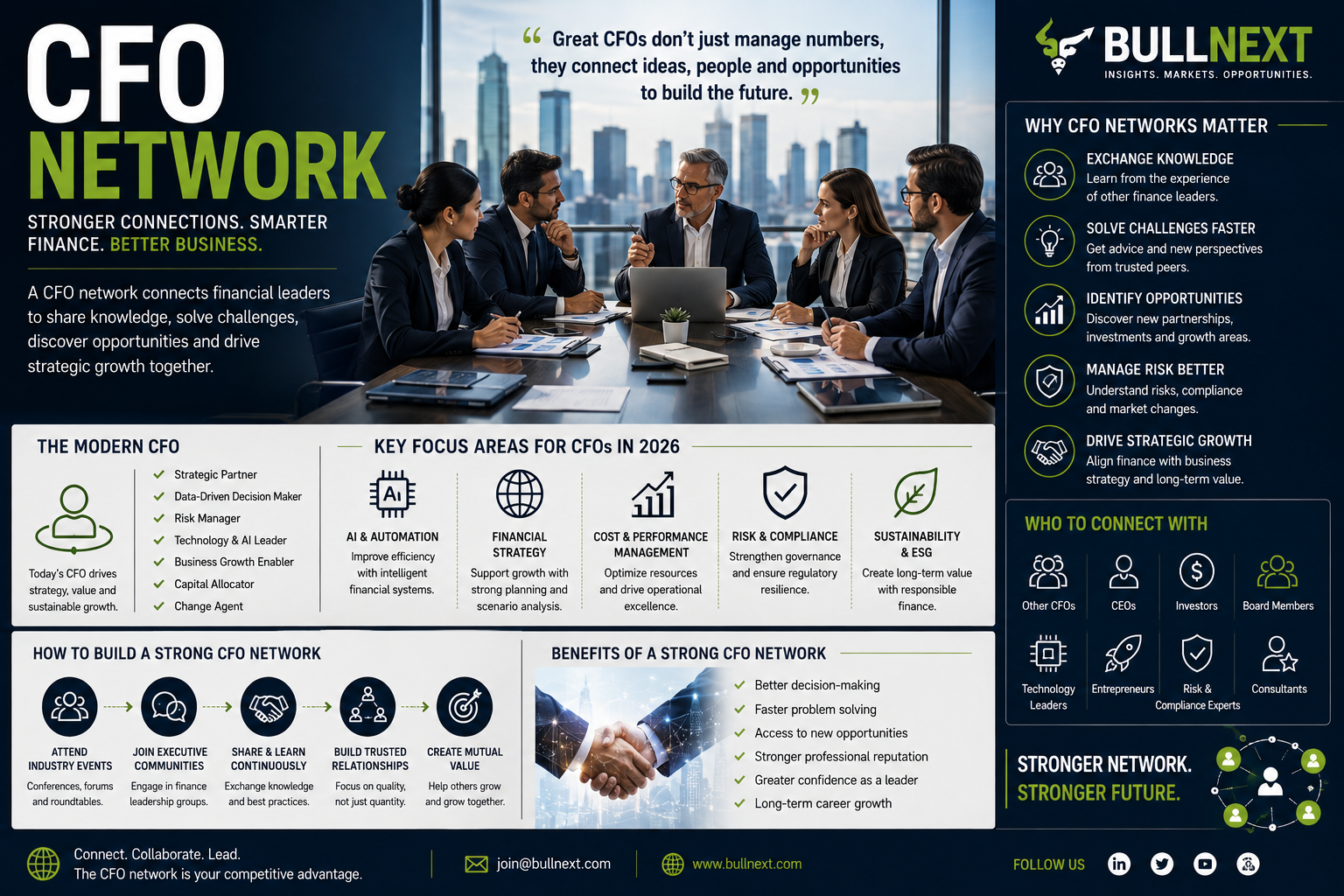
CFOs
CIOs
CTOs
CMOs
CHROs
Entrepreneurs
Investors
Advisors
These relationships can provide practical advice and different perspectives.
A trusted network can become particularly valuable during major decisions or periods of uncertainty.
19. Practice Emotional Intelligence
Technical skills are important, but leadership also depends on understanding people.
Emotional intelligence includes:
Self-awareness
Empathy
Self-control
Social awareness
Relationship management
Leaders with strong emotional intelligence can often handle difficult conversations more effectively and build stronger relationships with their teams.
20. Measure Leadership Success
Leadership should ultimately produce results.
Organizations can measure areas such as:
Employee retention
Productivity
Customer satisfaction
Revenue growth
Innovation
Employee engagement
Leadership development
Operational performance
Metrics shouldn't replace human judgment, but they can help leaders understand whether strategies are producing the intended results.
Leadership Strategies for 2026
Several themes are likely to remain particularly important for modern leaders:
AI Adoption
Understand where AI can create measurable value.
Workforce Development
Invest in skills that employees will need in an increasingly digital economy.
Data-Driven Management
Use evidence to support important decisions.
Customer-Centric Leadership
Keep customer needs connected to strategy.
Organizational Agility
Create companies capable of responding quickly to change.
Responsible Innovation
Experiment with new technology while managing risks.
Human-Centered Culture
Remember that successful organizations depend on people as well as technology.
The Modern Leader's Mindset
A strong leader doesn't need to know everything.
Instead, effective leaders know how to:
Ask good questions.
Find reliable information.
Listen to experts.
Build capable teams.
Make decisions.
Accept responsibility.
Learn from mistakes.
Adapt when circumstances change.
This mindset becomes increasingly valuable as technology and markets evolve.
Final Thoughts
Leadership in 2026 requires a combination of strategy, technology, communication, people development, adaptability, and emotional intelligence.
The strongest leaders don't simply tell people what to do.
They create clarity.
They build trust.
They develop talent.
They encourage innovation.
They use data intelligently.
They adopt technology responsibly.
And they prepare their organizations for a future that cannot be predicted perfectly.
Artificial intelligence may transform how businesses operate, but leadership will remain fundamentally human.
Technology can process information.
People provide judgment.
Technology can automate tasks.
People create relationships.
Technology can identify patterns.
Leaders decide what those patterns mean.
The future belongs to organizations whose leaders can bring these capabilities together.
Great leadership isn't about having every answer. It's about building a team and organization capable of finding the right answers together.