
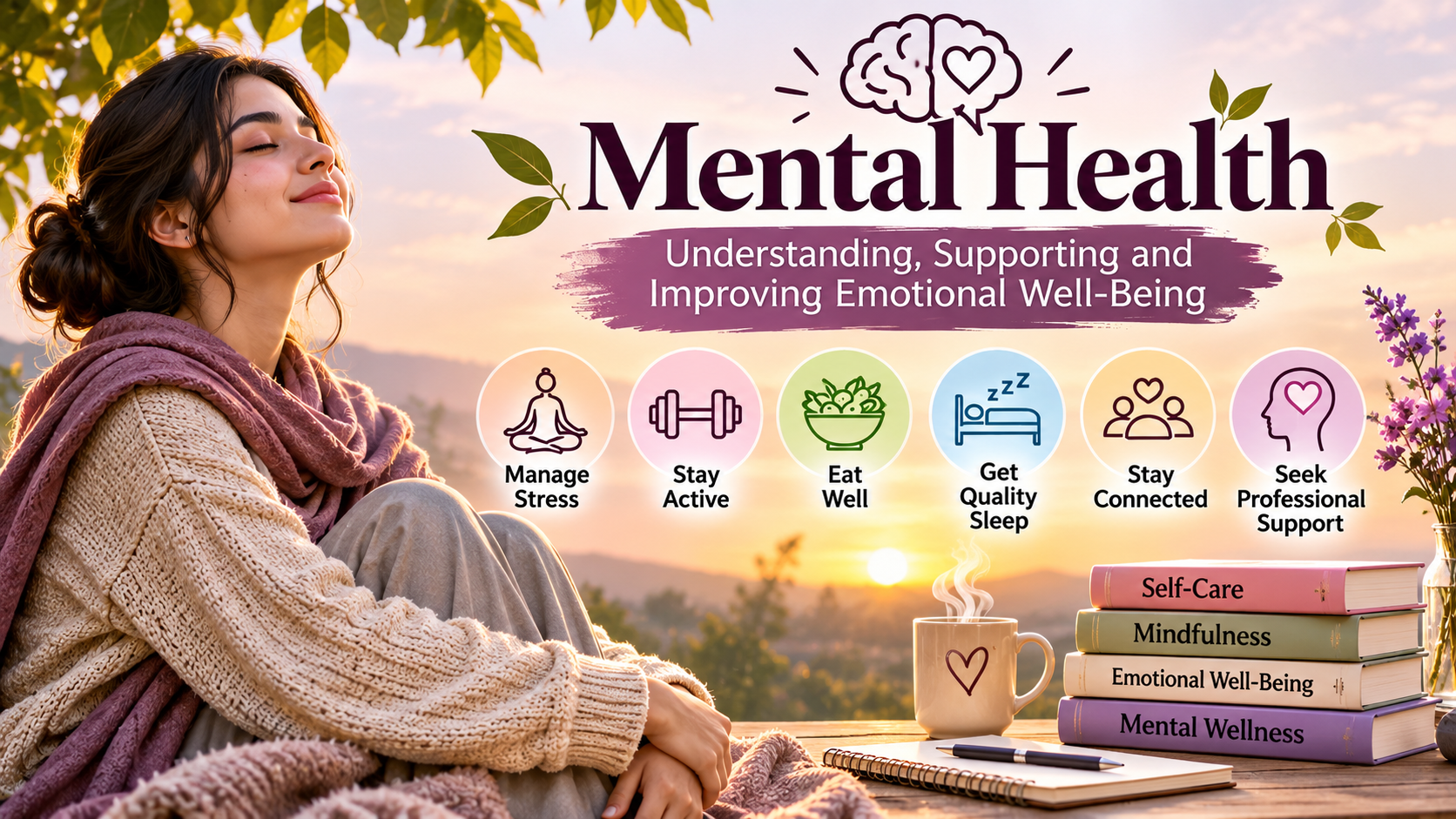
Mental health is an essential part of overall health and well-being. It influences how people think, feel, behave, communicate, make decisions, and respond to everyday challenges. Just as physical health requires attention and care, mental health also needs consistent support and understanding.
In today's fast-paced world, mental health has become an increasingly important topic. Work pressure, financial difficulties, family responsibilities, social expectations, academic stress, and excessive use of digital technology can affect emotional well-being. People of all ages and backgrounds may experience mental health challenges, regardless of their education, profession, or financial situation.
Despite growing awareness, mental health is still misunderstood in many communities. Some individuals hesitate to discuss emotional difficulties because of social stigma, fear of judgment, or a lack of knowledge about available support. Others may not recognize the early signs of mental health concerns and continue struggling without professional guidance.
Mental health is not simply the absence of mental illness. It also involves emotional resilience, healthy relationships, self-awareness, effective stress management, and the ability to participate in everyday life.
Understanding mental health can help individuals recognize challenges, develop healthier habits, and seek appropriate support when needed. This article explores the importance of mental health, common mental health conditions, contributing factors, warning signs, effective coping strategies, professional treatment options, and practical ways to support emotional well-being.
1. What Is Mental Health?
Mental health refers to a person's psychological, emotional, and social well-being. It affects how individuals understand themselves, interact with others, manage emotions, and respond to different situations.
Good mental health does not mean feeling happy all the time. Everyone experiences sadness, frustration, disappointment, worry, and stress. These emotions are normal parts of human life.
Healthy mental well-being means having the ability to recognize emotions, cope with ordinary difficulties, maintain meaningful relationships, and seek help when challenges become overwhelming.
Mental health can change throughout life. Personal experiences, environmental circumstances, physical health, genetics, and social relationships can all influence psychological well-being.
Important Components of Mental Health
Emotional Well-Being: The ability to understand, express, and manage emotions in healthy ways.
Psychological Well-Being: Having a sense of purpose, self-awareness, confidence, and the ability to manage everyday challenges.
Social Well-Being: Developing supportive relationships, communicating effectively, and feeling connected to other people.
Mental Resilience: The ability to adapt to difficult experiences and gradually recover from setbacks with appropriate support.
These components work together to influence overall quality of life.
2. Why Is Mental Health Important?
Mental health affects almost every aspect of everyday life. It influences personal relationships, workplace performance, education, decision-making, physical health, and overall happiness.
When mental well-being is supported, people may find it easier to manage responsibilities, communicate effectively, and participate in activities that give their lives meaning.
Benefits of Maintaining Good Mental Health
Better Emotional Regulation
Understanding emotions can help individuals respond thoughtfully instead of reacting impulsively during stressful situations.
Improved Relationships
Healthy mental well-being can support communication, empathy, trust, and stronger personal connections.
Increased Productivity
Mental wellness supports concentration, motivation, planning, and decision-making.
Better Stress Management
People who develop healthy coping strategies may find it easier to manage everyday pressures.
Improved Physical Well-Being
Mental and physical health are closely connected. Prolonged psychological distress can affect sleep, appetite, energy levels, and other aspects of physical health.
Greater Quality of Life
Emotional stability, social support, and a sense of purpose can contribute to a more fulfilling life.
Mental health should therefore be treated as an important part of general healthcare rather than an issue that only matters when someone develops a mental illness.
3. Common Mental Health Conditions
Mental health conditions can affect thoughts, emotions, behavior, and everyday functioning. They vary in severity, duration, and symptoms. Some conditions may develop gradually, while others can become noticeable following difficult experiences or changes in health.
Understanding common conditions can help reduce misconceptions and encourage people to seek appropriate care.
Depression
Depression is a mental health condition that can involve persistent sadness, loss of interest, reduced energy, and difficulties with everyday activities.
Common symptoms may include:
Persistent sadness or emptiness.
Loss of interest in previously enjoyable activities.
Changes in sleep patterns.
Changes in appetite or weight.
Difficulty concentrating.
Feelings of worthlessness or excessive guilt.
Low energy and motivation.
Thoughts of death or suicide.
Depression is more than temporary sadness. It can affect work, education, relationships, and daily functioning.
Treatment may involve psychotherapy, medication, or a combination of approaches depending on individual circumstances.
Anxiety Disorders
Anxiety is a natural response to perceived danger or uncertainty. However, when excessive fear and worry become persistent and interfere with daily life, they may indicate an anxiety disorder.
Common symptoms include:
Excessive worrying.
Restlessness.
Difficulty concentrating.
Muscle tension.
Irritability.
Sleep disturbances.
Rapid heartbeat.
Avoidance of certain situations.
Anxiety disorders include generalized anxiety disorder, panic disorder, social anxiety disorder, and specific phobias.
Professional assessment can help determine the most appropriate treatment.
Bipolar Disorder
Bipolar disorder is a mental health condition involving significant changes in mood, energy, and activity levels.
People may experience depressive episodes and periods of mania or hypomania. These episodes are different from ordinary changes in mood.
Symptoms during manic episodes may include unusually elevated or irritable mood, increased energy, reduced need for sleep, rapid speech, and impulsive decisions.
Bipolar disorder requires professional assessment and ongoing management.
Post-Traumatic Stress Disorder (PTSD)
Post-traumatic stress disorder can develop after experiencing or witnessing a traumatic event.
Symptoms may include:
Unwanted memories of the event.
Nightmares.
Avoidance of reminders.
Increased alertness.
Emotional distress.
Difficulty sleeping.
Not everyone who experiences trauma develops PTSD. Professional support can help people process traumatic experiences and manage symptoms.
Eating Disorders
Eating disorders involve persistent disturbances in eating behaviors and thoughts about food, body weight, or body image.
Examples include anorexia nervosa, bulimia nervosa, and binge-eating disorder.
These conditions can affect both mental and physical health and require appropriate professional care.
4. Common Causes and Risk Factors Affecting Mental Health
Mental health conditions usually develop through a combination of biological, psychological, and environmental factors. There is rarely one explanation that applies to everyone.
Understanding these influences can help individuals identify potential stressors and recognize when additional support may be useful.
Biological Factors
Genetics, brain development, hormonal changes, neurological processes, and certain physical illnesses can influence mental health.
A family history of certain mental health conditions may increase vulnerability, although it does not mean someone will necessarily develop the same condition.
Psychological Factors
Personal experiences, childhood adversity, low self-esteem, unresolved emotional difficulties, and exposure to trauma may affect psychological well-being.
Environmental Factors
Living conditions, financial insecurity, unemployment, discrimination, unsafe environments, and limited access to healthcare can contribute to psychological distress.
Social Factors
Loneliness, family conflict, relationship difficulties, bullying, and a lack of emotional support can negatively affect mental health.
Lifestyle Factors
Poor sleep, excessive alcohol consumption, substance use, physical inactivity, and chronic stress may contribute to mental health difficulties.
It is important to remember that mental health conditions are not personal failures. They can affect anyone, and experiencing them does not make a person weak.
5. Signs and Symptoms of Poor Mental Health
Recognizing changes in emotional well-being can help people seek support earlier.
Mental health symptoms differ from person to person. Some changes may be temporary responses to stressful events, while persistent or severe symptoms may require professional assessment.
Emotional Warning Signs
Persistent sadness or hopelessness.
Excessive fear or worry.
Frequent irritability.
Feelings of helplessness.
Loss of interest in daily activities.
Emotional numbness.
Behavioral Warning Signs
Withdrawing from family and friends.
Avoiding responsibilities.
Significant changes in daily routines.
Increased use of alcohol or other substances.
Difficulty maintaining personal relationships.
Noticeable changes in eating or sleeping habits.
Physical Warning Signs
Mental health difficulties can also be associated with physical symptoms, including:
Persistent fatigue.
Headaches.
Muscle tension.
Sleep disturbances.
Changes in appetite.
Unexplained physical discomfort.
These symptoms can have many causes, including physical medical conditions. A healthcare professional can help determine what may be contributing to them.
6. The Connection Between Mental Health and Physical Health
Mental and physical health are closely interconnected. Each can influence the other through biological processes, behavior, and everyday lifestyle choices.
For example, prolonged stress may contribute to sleep disturbances and changes in appetite. Similarly, living with a chronic physical illness may increase the likelihood of experiencing emotional distress.
How Mental Health Can Affect the Body
Sleep: Anxiety and depression can interfere with falling asleep, staying asleep, or maintaining a consistent sleep schedule.
Heart Health: Long-term stress and associated lifestyle changes may contribute to cardiovascular risk.
Digestion: Psychological stress can influence digestive function and may worsen symptoms in people with certain gastrointestinal conditions.
Immune Function: Prolonged stress and insufficient sleep can affect normal immune regulation.
Energy Levels: Emotional difficulties may contribute to fatigue and reduced motivation.
How Physical Health Influences Mental Well-Being
Chronic pain, hormonal changes, neurological conditions, nutritional deficiencies, and other medical issues can affect mood and emotional well-being.
This connection highlights the importance of treating health as a whole rather than separating physical and mental concerns.
7. Effective Ways to Improve Mental Health Naturally
Healthy lifestyle habits can support emotional well-being and complement professional treatment. However, natural approaches should not replace necessary medical or psychological care.
Practice Regular Physical Activity
Exercise can support mood, sleep, and stress management. Walking, swimming, cycling, yoga, and other enjoyable activities are useful options.
Start with manageable goals and gradually increase activity according to your abilities.
Maintain a Balanced Diet
A varied diet provides nutrients that support normal brain and body functions.
Include fruits, vegetables, whole grains, protein-rich foods, healthy fats, and adequate fluids.
Avoid relying on restrictive diets or unverified supplements to manage mental health symptoms.
Prioritize Quality Sleep
Sleep supports emotional regulation, memory, and concentration.
Try to maintain regular sleeping and waking times, reduce stimulating activities before bedtime, and create a comfortable sleeping environment.
Practice Mindfulness
Mindfulness encourages people to pay attention to the present moment.
Deep breathing, meditation, gentle stretching, and mindful walking may help some individuals manage everyday stress.
Spend Time Outdoors
Spending time in natural environments can encourage relaxation, movement, and social interaction.
A short walk in a park or time in a garden may provide a useful break from daily pressures.
Maintain Social Connections
Healthy relationships can provide emotional support and reduce feelings of isolation.
Talking with trusted friends, relatives, or supportive community members may help people feel understood.
8. The Importance of Stress Management
Stress is a natural response to situations that require attention, adaptation, or action. Short-term stress can sometimes motivate individuals to solve problems and meet responsibilities.
However, persistent or overwhelming stress can negatively affect emotional and physical well-being.
Common Sources of Stress
Workplace pressure.
Academic responsibilities.
Financial difficulties.
Family disagreements.
Relationship problems.
Major life changes.
Health concerns.
Social expectations.
Practical Stress Management Techniques
Organize Daily Responsibilities
Breaking large tasks into smaller steps can make responsibilities feel more manageable.
Set Realistic Goals
Avoid placing unnecessary pressure on yourself to complete everything perfectly.
Take Regular Breaks
Short breaks can help restore concentration and reduce mental exhaustion.
Practice Relaxation
Deep breathing, meditation, and gentle physical activity may help reduce tension.
Learn to Set Boundaries
It is important to recognize personal limits and communicate them respectfully.
Seek Support
Talking with trusted people or consulting a mental health professional can help when stress becomes difficult to manage.
9. Mental Health Challenges Among Teenagers and Young Adults
Adolescence and early adulthood involve major physical, emotional, educational, and social changes. These transitions can create unique mental health challenges.
Young people may experience academic pressure, social comparison, bullying, identity-related concerns, relationship difficulties, and uncertainty about their future.
Common Challenges
Academic Stress: Examinations, assignments, and expectations about future careers can create pressure.
Social Media Pressure: Comparing appearance, achievements, and lifestyles with others online may affect confidence and self-esteem.
Bullying: Repeated harassment, exclusion, or online abuse can cause emotional distress.
Relationship Difficulties: Friendship problems, family conflict, and romantic relationships may affect emotional stability.
How Young People Can Protect Their Mental Well-Being
Maintain healthy friendships.
Talk openly with trusted adults.
Develop realistic academic goals.
Take breaks from social media.
Participate in enjoyable activities.
Maintain regular sleep and exercise routines.
Seek professional help when difficulties persist.
Parents, teachers, and caregivers can contribute by creating supportive environments where young people feel comfortable discussing emotional challenges.
10. Mental Health in the Workplace
Workplace mental health is an important part of employee well-being and organizational performance.
Long working hours, excessive workloads, poor management, job insecurity, discrimination, and limited work-life balance can contribute to workplace stress.
Common Workplace Mental Health Problems
Employees may experience burnout, anxiety, emotional exhaustion, low motivation, and difficulty concentrating.
Burnout is associated with chronic workplace stress that has not been successfully managed. It can involve exhaustion, increased mental distance from work, and reduced professional effectiveness.
Ways to Support Workplace Mental Health
Maintain Work-Life Balance
Set reasonable boundaries between professional responsibilities and personal time.
Take Breaks
Regular breaks can reduce fatigue and help maintain concentration.
Create Supportive Work Environments
Organizations should encourage respectful communication, fair workloads, and access to appropriate support.
Promote Open Communication
Employees should feel able to discuss workplace concerns without fear of unfair treatment.
Encourage Professional Support
Employers can improve access to counseling services and employee assistance programs.
A mentally healthy workplace benefits employees, employers, and organizations as a whole.
11. The Impact of Social Media on Mental Health
Social media has changed how people communicate, access information, and maintain relationships. While digital platforms offer many benefits, excessive or unhealthy use can create challenges.
Potential Negative Effects
Increased social comparison.
Exposure to cyberbullying.
Reduced concentration.
Sleep disruption.
Feelings of inadequacy.
Information overload.
Reduced face-to-face interaction.
The effects of social media vary depending on the individual, platform, content, and patterns of use.
How to Develop Healthier Digital Habits
Set reasonable screen-time boundaries.
Avoid unnecessary phone use before bedtime.
Unfollow accounts that consistently create distress.
Spend more time on offline activities.
Prioritize real-world relationships.
Avoid comparing personal achievements with carefully selected online content.
Technology can be useful when used intentionally and in moderation.
12. Professional Mental Health Treatment and Support
Lifestyle improvements can support mental wellness, but some mental health conditions require professional treatment.
Seeking assistance is not a sign of weakness. It is an important healthcare decision.
Psychotherapy
Psychotherapy involves working with a trained mental health professional to understand thoughts, emotions, and behaviors.
Cognitive behavioral therapy (CBT) is one commonly used approach. It helps individuals identify unhelpful thinking patterns and develop healthier responses.
Other approaches may include interpersonal therapy, trauma-focused therapies, and supportive psychotherapy.
Medication
Certain mental health conditions may benefit from prescribed medication.
Antidepressants, mood stabilizers, and other psychiatric medicines may be recommended depending on the diagnosis and individual circumstances.
Medication should only be started, adjusted, or stopped under appropriate medical supervision.
Psychiatric Assessment
Psychiatrists are medical doctors who specialize in mental health. They can assess symptoms, identify possible conditions, recommend treatment, and monitor medication when appropriate.
Counseling and Support Groups
Counseling can help people work through emotional difficulties, relationship challenges, and stressful life events.
Support groups can also provide opportunities to connect with people who have similar experiences.
13. How Families and Friends Can Support Someone Experiencing Mental Health Difficulties
Family members and friends can play an important role in supporting people experiencing emotional or psychological difficulties.
However, supporting someone does not mean trying to diagnose or treat their condition.
Helpful Ways to Offer Support
Listen Without Judgment
Allow people to discuss their feelings without interrupting, criticizing, or minimizing their experiences.
Show Understanding
Avoid statements that suggest someone should simply stop feeling sad or anxious.
Encourage Professional Help
Offer practical support when someone wants to contact a healthcare professional.
Stay Connected
Regular communication can help reduce feelings of loneliness.
Respect Privacy
Do not share another person's personal mental health information without permission, except where immediate safety concerns require appropriate intervention.
Recognize Your Own Limits
Supporting someone can be emotionally demanding. Caregivers and family members also need rest and support.
14. Mental Health Awareness and the Importance of Ending Stigma
Mental health stigma refers to negative attitudes, stereotypes, and discrimination directed toward people experiencing psychological difficulties.
Stigma can discourage individuals from discussing their symptoms or seeking treatment.
In some communities, mental illness is misunderstood as a personal weakness, lack of discipline, or failure to cope with life. These misconceptions can create unnecessary shame and isolation.
How Society Can Improve Mental Health Awareness
Encourage open conversations about emotional well-being.
Share accurate mental health information.
Challenge harmful stereotypes.
Promote access to professional services.
Support mental health education in schools and workplaces.
Treat people experiencing mental health conditions with dignity and respect.
Mental health awareness is not only an individual responsibility. Families, educational institutions, employers, healthcare systems, and communities all have a role to play.
15. Developing a Healthy Daily Mental Wellness Routine
A consistent routine can help people create structure and incorporate healthy habits into everyday life.
A mental wellness routine does not need to be complicated. Small, achievable activities can provide opportunities for rest, reflection, and emotional balance.
Morning Habits
Wake up at a consistent time.
Spend a few minutes stretching or walking.
Eat a nutritious breakfast.
Avoid immediately checking stressful notifications.
Set realistic goals for the day.
Afternoon Habits
Take short breaks from work or study.
Eat balanced meals.
Stay hydrated.
Communicate with supportive people.
Spend some time outdoors when possible.
Evening Habits
Reduce unnecessary screen time.
Reflect on the day's positive experiences.
Participate in a relaxing activity.
Prepare for the following day.
Maintain a consistent bedtime.
Weekly Mental Wellness Activities
Consider making time for hobbies, social connections, exercise, relaxation, and activities that provide a sense of achievement.
These routines are not a replacement for professional treatment, but they can complement a broader approach to mental wellness.
16. When Should You Seek Professional Mental Health Help?
Everyone experiences difficult emotions occasionally. However, professional support may be important when emotional or psychological symptoms become persistent, severe, or disruptive.
Consider consulting a qualified professional if you experience:
Persistent sadness or hopelessness.
Severe or frequent anxiety.
Significant changes in sleep or appetite.
Difficulty completing everyday responsibilities.
Withdrawal from family and friends.
Increasing reliance on alcohol or other substances.
Unexplained emotional or behavioral changes.
Thoughts of self-harm or suicide.
If someone is at immediate risk of harming themselves or another person, seek urgent help through local emergency services or the nearest emergency department. Stay with the person if it is safe to do so, and help them access immediate support.
Early professional assistance can make it easier to understand symptoms and identify appropriate treatment options.
17. The Future of Mental Healthcare
Mental healthcare continues to evolve through research, technology, and changing approaches to treatment.
New developments are creating additional opportunities to improve access to support and increase public awareness.
Digital Mental Health Services
Online counseling and teletherapy allow some individuals to access qualified professionals remotely.
These services can be especially useful for people who have difficulty traveling or accessing local services.
Mental Health Applications
Digital applications may offer guided relaxation, meditation, mood tracking, and educational resources.
However, applications should not be considered substitutes for professional diagnosis or treatment.
Artificial Intelligence in Mental Healthcare
Artificial intelligence is being explored for administrative support, research, information analysis, and certain digital mental wellness applications.
AI tools may provide general educational information, but they cannot reliably replace a qualified mental health professional.
Greater Public Awareness
Schools, workplaces, healthcare organizations, and governments are increasingly recognizing the importance of mental health education and accessible services.
Continued investment in research, prevention, and professional care will be important for improving mental healthcare in the future.
Conclusion
Mental health is a fundamental part of overall well-being. It influences how people think, feel, communicate, maintain relationships, and respond to life's challenges.
Supporting mental wellness requires a balanced approach that includes healthy lifestyle habits, emotional awareness, supportive relationships, stress management, and access to appropriate healthcare.
Recognizing the signs of mental health difficulties is an important first step toward getting help. Whether someone is experiencing stress, anxiety, depression, or another psychological challenge, professional support can provide valuable guidance and treatment.
Society also has an important responsibility to create environments where mental health can be discussed openly and without judgment.
Ultimately, taking care of mental health is not a luxury. It is an essential part of living a healthier, more balanced, and fulfilling life.