
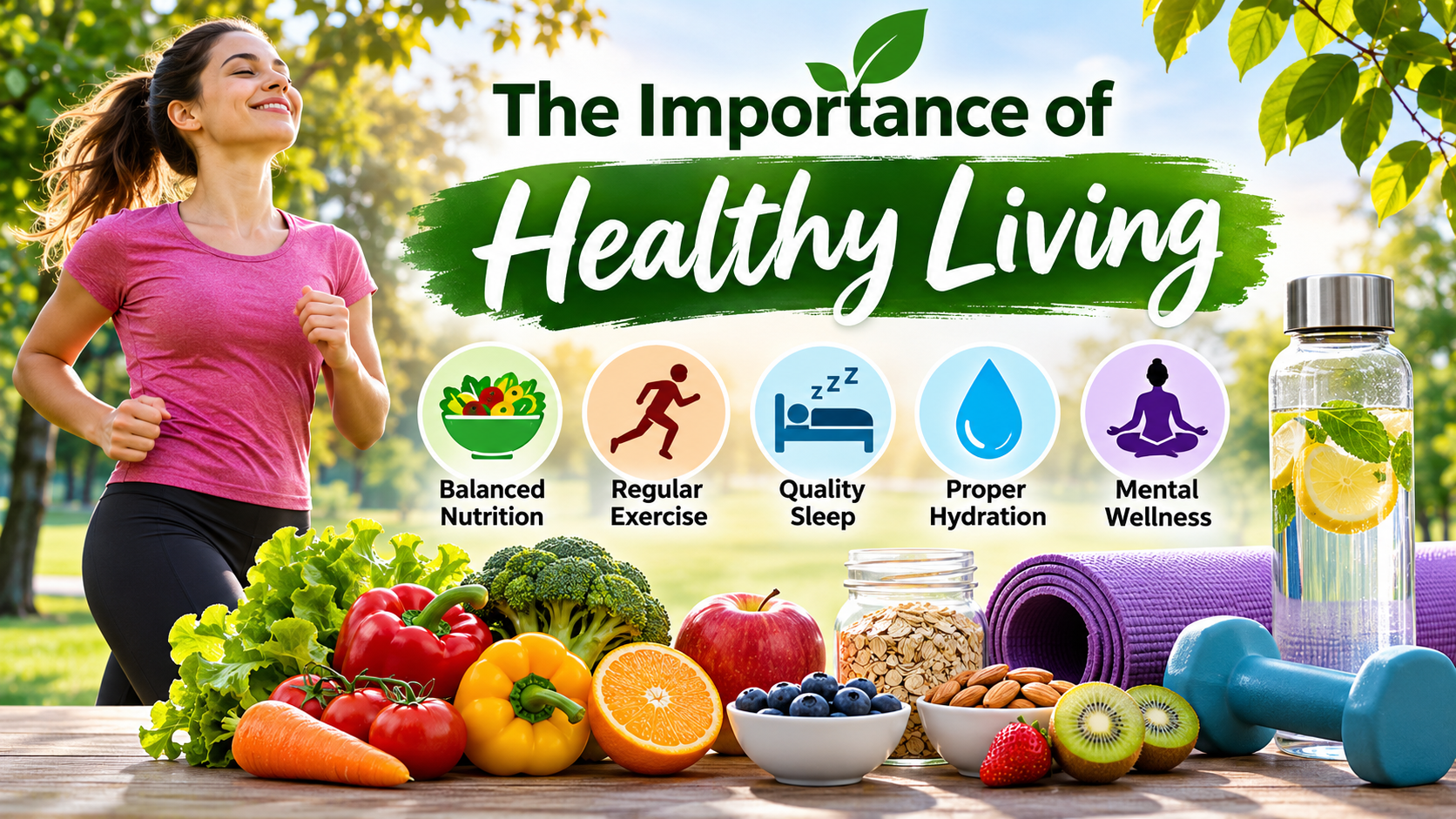
Health is one of the most valuable assets a person can have. It influences how we think, feel, work, communicate, and experience everyday life. While many people focus on their careers, financial goals, and personal achievements, maintaining good health is equally important for building a successful and fulfilling lifestyle.
Healthy living is not about following extreme diets, spending hours in the gym, or completely changing your daily routine overnight. Instead, it involves making consistent and practical choices that support physical, mental, and emotional well-being. Eating nutritious foods, staying physically active, getting enough sleep, managing stress, and attending regular health checkups are some of the most important habits that contribute to long-term wellness.
Modern lifestyles have introduced several health challenges. Long working hours, excessive screen time, processed foods, irregular sleeping schedules, and limited physical activity can negatively affect overall health. These habits may increase the risk of conditions such as obesity, type 2 diabetes, cardiovascular disease, and certain mental health problems.
The good news is that small lifestyle improvements can make a meaningful difference. Understanding the foundations of healthy living allows individuals to make informed decisions and develop routines that support their well-being.
This article explores the importance of healthy living, essential daily habits, nutrition, exercise, mental wellness, preventive healthcare, and practical strategies for maintaining a healthier lifestyle.
1. Understanding the Meaning of Healthy Living
Healthy living refers to a lifestyle that supports the body's physical functions, mental health, and emotional balance. It involves a combination of healthy behaviors rather than relying on one particular activity or dietary approach.
A healthy lifestyle generally includes:
Eating a balanced and nutritious diet.
Participating in regular physical activity.
Maintaining a consistent sleep schedule.
Drinking sufficient water.
Managing stress effectively.
Avoiding tobacco and limiting harmful substances.
Maintaining healthy social relationships.
Scheduling preventive medical examinations.
Healthy living does not mean that individuals must follow perfect routines every day. Occasional unhealthy meals, missed workouts, or changes in sleeping schedules do not automatically make someone unhealthy. The most important factor is maintaining positive habits consistently over time.
A balanced lifestyle should also reflect individual needs. Age, physical condition, medical history, activity level, and personal circumstances can influence which health habits are most appropriate.
2. The Importance of a Balanced Diet
Nutrition plays a fundamental role in maintaining good health. The human body requires different nutrients to produce energy, repair tissues, support immunity, regulate hormones, and maintain healthy organs.
A balanced diet provides essential nutrients in appropriate amounts and helps reduce the risk of nutritional deficiencies.
Essential Nutrients for the Human Body
Proteins
Protein supports muscle development, tissue repair, immune function, and the production of enzymes and hormones. Good protein sources include eggs, fish, beans, lentils, dairy products, nuts, and lean meats.
Carbohydrates
Carbohydrates are an important energy source. Whole grains, fruits, vegetables, and legumes provide carbohydrates along with fiber and other valuable nutrients.
Healthy Fats
Healthy fats support brain function, hormone production, and the absorption of certain vitamins. Sources include olive oil, avocados, nuts, seeds, and oily fish.
Vitamins and Minerals
Vitamins and minerals support numerous bodily processes. For example, vitamin C supports normal immune function, calcium contributes to bone health, and iron helps transport oxygen through the blood.
Dietary Fiber
Fiber supports digestive health, helps regulate bowel movements, and can contribute to healthier cholesterol and blood glucose levels. Whole grains, vegetables, fruits, beans, and seeds are excellent sources.
Why Processed Foods Should Be Limited
Highly processed foods frequently contain excessive amounts of sodium, added sugars, and unhealthy fats. Regularly consuming large quantities may contribute to weight gain and increase the risk of certain chronic diseases.
People do not necessarily need to eliminate every processed food. Instead, they should prioritize minimally processed ingredients and make nutritious meals the foundation of their diet.
3. The Role of Physical Activity in Maintaining Good Health
Physical activity is one of the most effective ways to improve overall health. Regular movement strengthens muscles, supports cardiovascular health, improves flexibility, and helps maintain a healthy body weight.
A sedentary lifestyle, which involves spending long periods sitting or lying down, can negatively affect physical well-being. Office workers, students, and people who spend many hours using computers may be particularly vulnerable to inactivity.
Benefits of Regular Exercise
1. Improves Heart Health
Physical activity strengthens the heart and improves circulation. Activities such as brisk walking, swimming, cycling, and jogging can support cardiovascular fitness.
2. Supports Weight Management
Exercise helps the body use energy and maintain a healthy balance between calories consumed and calories burned.
3. Strengthens Muscles and Bones
Resistance exercises, walking, and other weight-bearing activities help maintain muscle strength and bone health.
4. Improves Mental Health
Exercise can help reduce stress, improve mood, and support better sleep. Physical activity also stimulates the release of chemicals in the brain associated with positive feelings.
5. Increases Energy Levels
Regular movement can improve physical endurance and make everyday activities easier.
How Much Exercise Do Adults Need?
The World Health Organization recommends that most adults aim for:
150–300 minutes of moderate-intensity aerobic activity each week, or
75–150 minutes of vigorous-intensity aerobic activity each week.
Muscle-strengthening activities involving major muscle groups at least twice weekly.
People who are new to exercise should begin gradually. Even a 10–15-minute walk can be a useful starting point.
Best time of day to walk: Morning vs evening explained | Walks4all
Cara Memulai Kembali Rutinitas Olahraga Setelah Libur Lebaran, Anti Mager - Minim Risiko Cedera - KapanLagi.com
This One Workout Habit Could Add Years To Your Life, Study Finds
9
4. Why Quality Sleep Is Essential for Good Health
Sleep is not simply a period of rest. It is an important biological process that allows the body and brain to recover and perform essential functions.
During sleep, the body supports tissue repair, immune regulation, memory processing, and hormonal balance.
Adults generally need at least seven hours of sleep each night, although individual requirements can vary.
Health Benefits of Proper Sleep
Supports memory and concentration.
Helps regulate appetite and metabolism.
Supports immune system function.
Improves emotional regulation.
Promotes physical recovery.
Contributes to cardiovascular health.
Common Causes of Poor Sleep
Several lifestyle factors can interfere with sleep quality, including:
Excessive screen time before bedtime.
Drinking caffeine late in the day.
Irregular sleeping schedules.
Stress and anxiety.
Heavy meals shortly before sleeping.
Excessive noise or uncomfortable room temperatures.
Practical Tips for Better Sleep
Establishing a consistent sleeping routine can improve sleep quality. Try going to bed and waking up at approximately the same time every day.
Keep your bedroom dark, quiet, and comfortable. Avoid stimulating activities before bedtime and reduce exposure to bright screens in the evening.
If sleep problems continue for several weeks or significantly affect daily activities, consider consulting a healthcare professional.
5. Staying Hydrated: Why Water Matters
Water is essential for almost every major function in the human body. It helps regulate body temperature, transport nutrients, support digestion, and remove waste products.
Dehydration occurs when the body loses more fluid than it takes in. It can cause headaches, tiredness, dizziness, dry mouth, and reduced concentration.
Benefits of Drinking Enough Water
Supports Digestion: Water helps maintain normal digestive processes and supports regular bowel movements.
Regulates Body Temperature: Sweating helps cool the body, particularly during physical activity and hot weather.
Supports Kidney Function: Adequate hydration helps the kidneys remove waste through urine.
Maintains Physical Performance: Dehydration can negatively affect endurance, strength, and exercise performance.
Supports Brain Function: Insufficient fluid intake may contribute to headaches and difficulty concentrating.
How Much Water Should You Drink?
Fluid requirements vary depending on age, activity level, climate, diet, pregnancy, and medical conditions.
There is no single daily amount suitable for everyone. A practical approach is to drink regularly throughout the day and increase fluid intake during hot weather or exercise.
Water is generally the best everyday beverage. Fruits, vegetables, soups, and other foods also contribute to total fluid intake.
People with medical conditions requiring fluid restrictions should follow their healthcare professional's advice.
6. Mental Health and Emotional Well-Being
Good health involves more than physical fitness. Mental and emotional well-being are equally important because they influence how people think, respond to challenges, maintain relationships, and make decisions.
Stress, anxiety, loneliness, and prolonged emotional difficulties can affect everyday life. They may also influence sleep, appetite, concentration, and physical health.
Understanding the Importance of Mental Health
Mental health affects:
Emotional stability.
Decision-making abilities.
Relationships and communication.
Productivity and concentration.
Motivation and confidence.
Overall quality of life.
Mental health challenges can affect anyone, regardless of age, profession, financial circumstances, or background.
Effective Ways to Support Mental Wellness
Practice Mindfulness
Mindfulness involves paying attention to the present moment without unnecessary judgment. Deep breathing, meditation, and mindful walking can help some people manage everyday stress.
Maintain Social Connections
Healthy relationships provide emotional support and help people feel connected. Spending time with family, friends, and supportive communities can improve emotional well-being.
Take Breaks
Continuous work without adequate rest can contribute to exhaustion. Short breaks throughout the day can help restore concentration.
Stay Physically Active
Walking, yoga, cycling, and other forms of physical activity may help improve mood and reduce stress.
Seek Professional Support
If anxiety, depression, or emotional distress begins affecting everyday life, professional mental health support can be valuable. Seeking help is a positive step toward recovery.
7. Building a Strong Immune System
The immune system is the body's natural defense network against harmful microorganisms and certain diseases. It consists of cells, tissues, organs, and biological processes that work together to identify and respond to potential threats.
Although no food, supplement, or lifestyle habit can guarantee protection against illness, maintaining healthy habits supports normal immune function.
Important Factors That Support Immune Health
Nutritious Food
A varied diet containing fruits, vegetables, whole grains, proteins, and healthy fats provides nutrients needed for normal immune function.
Adequate Sleep
Sleep supports immune regulation. Consistently insufficient sleep can negatively affect the body's immune responses.
Regular Exercise
Moderate physical activity supports overall health and may contribute to healthy immune function.
Stress Management
Long-term stress can affect immune regulation. Relaxation, social support, and appropriate professional care can help manage stress.
Vaccination
Recommended vaccinations help protect against specific infectious diseases. People should discuss appropriate vaccinations with qualified healthcare professionals.
Can Supplements Improve Immunity?
Supplements may be useful when a person has a confirmed nutritional deficiency or a specific medical need. However, taking large amounts of vitamins or minerals does not automatically improve immunity.
Some supplements can interact with medications or cause harmful effects when taken excessively. It is best to seek medical advice before starting regular supplementation.
8. Preventive Healthcare and Regular Medical Checkups
Preventive healthcare focuses on identifying potential health problems before they become serious. Regular health examinations can help individuals understand their health status and manage risk factors.
Many health conditions develop gradually and may not produce noticeable symptoms during their early stages.
Important Preventive Health Measures
Blood Pressure Monitoring
High blood pressure can increase the risk of heart disease, stroke, and kidney problems. Regular monitoring helps identify elevated readings.
Blood Glucose Testing
Blood glucose testing can help detect diabetes and prediabetes. Testing recommendations depend on individual risk factors and medical history.
Cholesterol Testing
Cholesterol tests provide information about blood fats and cardiovascular risk.
Dental Checkups
Regular dental examinations help identify cavities, gum disease, and other oral health problems.
Eye Examinations
Routine eye examinations can identify vision problems and certain eye conditions.
Cancer Screening
Some screening tests can identify cancers or precancerous changes before symptoms appear. Recommended screening depends on age, sex, family history, and other risk factors.
Why Early Detection Matters
Early detection can make certain conditions easier to manage and may improve treatment outcomes.
Individuals should discuss suitable screening schedules with healthcare professionals rather than relying on unnecessary tests or self-diagnosis.
9. Maintaining a Healthy Weight
Maintaining a healthy weight can support mobility, cardiovascular health, metabolic function, and overall well-being.
However, healthy weight is not determined by appearance alone. Body composition, muscle mass, medical history, age, and other factors also matter.
Healthy Weight Management Strategies
Eat Balanced Meals
Include vegetables, fruits, whole grains, protein sources, and healthy fats in daily meals.
Control Portion Sizes
Pay attention to hunger and fullness signals rather than eating automatically or following unnecessarily restrictive rules.
Stay Active
Combine aerobic exercise with strength training to support cardiovascular fitness and muscle health.
Avoid Extreme Dieting
Very restrictive diets may cause nutritional deficiencies and are often difficult to maintain.
Focus on Long-Term Habits
Sustainable lifestyle changes are generally more beneficial than rapid weight-loss approaches.
People with unexplained weight changes or difficulties managing their weight should consider professional medical advice.
10. The Impact of Lifestyle Choices on Long-Term Health
Everyday habits can influence health outcomes over time. Certain behaviors increase the risk of chronic diseases, while healthier alternatives can help reduce preventable health risks.
Avoid Smoking and Tobacco Products
Smoking damages the lungs and blood vessels and increases the risk of several cancers, heart disease, stroke, and respiratory conditions.
Avoiding tobacco is one of the most important steps a person can take to protect long-term health.
Limit Alcohol Consumption
Alcohol can affect the liver, brain, heart, and other organs. It is associated with several health risks, including certain cancers. Not drinking alcohol is the lowest-risk option.
Reduce Excessive Screen Time
Spending excessive time using digital devices can contribute to physical inactivity, eye discomfort, poor posture, and disrupted sleep.
Taking regular breaks, adjusting screen brightness, and maintaining an ergonomic workspace can help.
Spend Time Outdoors
Outdoor activities can encourage physical movement, relaxation, and social interaction. Safe exposure to natural daylight also helps regulate the body's sleep-wake cycle.
11. Healthy Eating Habits for Everyday Life
Healthy eating does not need to be expensive or complicated. Simple meals prepared using accessible ingredients can provide essential nutrients.
For example, a balanced daily eating pattern might include:
Meal | Healthy food choices |
|---|---|
Breakfast | Eggs, whole-grain bread, fruit |
Morning snack | Yogurt or a handful of nuts |
Lunch | Lentils, vegetables, whole-grain roti |
Afternoon snack | Fresh fruit |
Dinner | Fish, beans, vegetables, or lean protein |
The exact meal plan should reflect individual nutritional needs, preferences, and medical circumstances.
Healthy Foods to Include in Your Diet
Leafy vegetables: Spinach, kale, and other leafy greens provide vitamins, minerals, and fiber.
Fresh fruits: Apples, oranges, berries, and bananas provide vitamins and beneficial plant compounds.
Whole grains: Oats, brown rice, and whole-wheat bread provide fiber and energy.
Nuts and seeds: Almonds, walnuts, chia seeds, and flaxseeds contain healthy fats and other nutrients.
Protein-rich foods: Eggs, fish, beans, lentils, and dairy products support tissue repair and muscle maintenance.
12. How to Develop a Healthy Daily Routine
A healthy lifestyle becomes easier to maintain when positive habits are incorporated into everyday activities.
Instead of attempting to change everything immediately, start with a few manageable improvements.
Morning Routine
Wake up at a consistent time.
Drink water.
Eat a nutritious breakfast.
Spend some time outdoors or walking.
Plan important tasks for the day.
Afternoon Routine
Eat a balanced lunch.
Take short breaks from work.
Avoid sitting continuously for extended periods.
Drink water regularly.
Include light physical activity.
Evening Routine
Eat a balanced dinner.
Reduce unnecessary screen time.
Spend time with family or friends.
Practice relaxation techniques.
Prepare for a consistent bedtime.
Weekly Health Goals
Consider setting realistic weekly targets:
Complete regular physical activity.
Prepare nutritious meals at home.
Spend time on mental wellness.
Maintain social connections.
Review personal health goals.
Schedule necessary medical appointments.
Consistency is more important than perfection. A routine that fits your lifestyle is more likely to become a lasting habit.
13. Healthy Living for Different Age Groups
Health requirements change throughout life. Different age groups benefit from different approaches to nutrition, exercise, preventive care, and sleep.
Children and Teenagers
Young people need balanced nutrition, adequate sleep, physical activity, and supportive environments for healthy development.
Parents and caregivers should encourage outdoor activities, healthy meals, regular sleep schedules, and limited recreational screen time.
Adults
Adults benefit from regular exercise, balanced nutrition, preventive health examinations, and stress management.
Maintaining healthy habits during adulthood can help reduce the risk of chronic conditions later in life.
Older Adults
Older adults should focus on maintaining muscle strength, balance, bone health, and mobility.
Regular walking, appropriate strength exercises, nutritious meals, and preventive healthcare can support independence and quality of life.
Exercise programs should be adapted to individual abilities and medical conditions.
14. Common Healthy Living Mistakes to Avoid
Even people who are interested in health and fitness can develop habits that negatively affect their well-being.
Some common mistakes include:
Skipping Meals Regularly: Missing meals may make it harder to meet nutritional needs and maintain consistent eating habits.
Following Unverified Health Advice: Social media trends and unproven remedies can lead to harmful decisions.
Taking Supplements Without Guidance: Excessive supplementation may cause side effects or medication interactions.
Ignoring Warning Signs: Persistent pain, unexplained fatigue, unusual weight changes, and other concerning symptoms should not be ignored.
Exercising Without Recovery: Rest and recovery are important parts of a balanced fitness routine.
Expecting Immediate Results: Healthy lifestyle changes usually require time and consistency.
The most effective approach is to focus on evidence-based habits and seek qualified medical guidance when necessary.
15. The Future of Health and Wellness: Technology and Modern Healthcare
Technology is changing how people understand, monitor, and manage their health. Digital healthcare services, wearable devices, and health applications are making health information more accessible.
Wearable Health Devices
Smartwatches and fitness trackers can monitor physical activity, heart rate, sleep patterns, and other measurements. These devices can encourage people to become more active and recognize changes in their routines.
However, wearable devices are not substitutes for professional medical examinations or diagnostic equipment.
Telemedicine
Telemedicine allows patients to consult healthcare professionals remotely through video calls and digital platforms. It can improve access to healthcare, particularly for people living in remote areas.
Artificial Intelligence in Healthcare
Artificial intelligence is increasingly being used to support medical imaging, clinical research, healthcare administration, and patient monitoring.
Although AI can help healthcare professionals analyze information, medical decisions still require appropriate clinical judgment and professional oversight.
Personalized Healthcare
Modern healthcare increasingly considers individual risk factors, medical history, lifestyle, and genetic information when developing treatment and prevention strategies.
These developments may help improve healthcare delivery and encourage more informed health decisions.
16. Practical Ways to Start Living a Healthier Life Today
Making lifestyle changes can seem challenging, especially when people have busy schedules. However, healthy living does not require expensive equipment, complicated diets, or major financial investments.
Here are ten practical steps anyone can consider:
Start your day with a nutritious breakfast.
Include fruits and vegetables in your meals.
Walk for at least 20–30 minutes when possible.
Drink water regularly throughout the day.
Maintain a consistent sleeping schedule.
Take breaks during long working hours.
Reduce sugary drinks and highly processed foods.
Spend quality time with family and friends.
Avoid tobacco and other harmful substances.
Visit healthcare professionals for appropriate preventive checkups.
The key is to begin with achievable goals and gradually build a routine that supports long-term well-being.
Conclusion
Healthy living is a lifelong commitment that involves making informed decisions about nutrition, physical activity, sleep, mental wellness, and preventive healthcare. These factors work together to support the body's natural functions and improve overall quality of life.
A healthier lifestyle does not require perfection. Small improvements, such as walking regularly, eating balanced meals, drinking enough water, and maintaining a consistent sleep schedule, can contribute to meaningful long-term benefits.
As modern lifestyles continue to change, prioritizing health has become increasingly important. Individuals who invest in their physical and mental well-being can build healthier routines and become better prepared to manage everyday challenges.
Ultimately, good health is not achieved through one major decision. It develops through consistent habits, awareness, and a willingness to make positive changes every day.
Frequently Asked Questions (FAQs)
1. What is the meaning of healthy living?
Healthy living means following habits that support physical, mental, and emotional well-being. It includes eating nutritious foods, exercising regularly, sleeping adequately, managing stress, and maintaining preventive healthcare.
2. What are the five most important habits for good health?
Five important habits include eating a balanced diet, participating in regular physical activity, getting sufficient sleep, staying hydrated, and managing stress effectively.
3. How much exercise should adults do daily?
Adults should aim for 150–300 minutes of moderate-intensity aerobic activity each week or 75–150 minutes of vigorous activity. Strength training should also be included at least twice weekly.
4. Why is drinking water important for health?
Water supports digestion, regulates body temperature, transports nutrients, maintains normal kidney function, and helps prevent dehydration.
5. How many hours of sleep do adults need?
Most adults need at least seven hours of sleep each night. Consistent sleep schedules and comfortable sleeping environments can improve sleep quality.
6. Which foods are best for maintaining good health?
Fruits, vegetables, whole grains, legumes, nuts, seeds, fish, eggs, and other nutritious protein sources can contribute to a balanced diet.
7. How can I improve my immune system naturally?
You can support normal immune function by eating a varied diet, getting adequate sleep, exercising regularly, managing stress, and staying up to date with recommended vaccinations.
8. Can walking improve overall health?
Yes. Regular walking can improve cardiovascular fitness, support weight management, strengthen muscles, and contribute to mental well-being.
9. What are the effects of an unhealthy lifestyle?
An unhealthy lifestyle may increase the risk of obesity, type 2 diabetes, cardiovascular disease, high blood pressure, certain cancers, and mental health difficulties.
10. How can I reduce stress naturally?
Regular physical activity, mindfulness, deep breathing, adequate sleep, social connections, and time for enjoyable activities can help manage everyday stress.
11. Why are regular medical checkups important?
Medical checkups help identify potential health problems, assess risk factors, monitor existing conditions, and support early treatment when necessary.
12. What is the best time to exercise?
The best time to exercise is the time that fits comfortably into your schedule and allows you to remain consistent. Morning, afternoon, and evening exercise can all provide health benefits.
13. Is a healthy lifestyle expensive?
No. Healthy living can be affordable. Walking, home-cooked meals, seasonal vegetables, lentils, beans, and adequate sleep are accessible ways to support health.
14. How long does it take to develop healthy habits?
The time required varies between individuals. Some habits may become easier within a few weeks, while others require several months of consistent practice.
15. What is the difference between physical health and mental health?
Physical health relates to the body's condition and functioning, while mental health involves emotional, psychological, and social well-being. Both are interconnected and equally important.