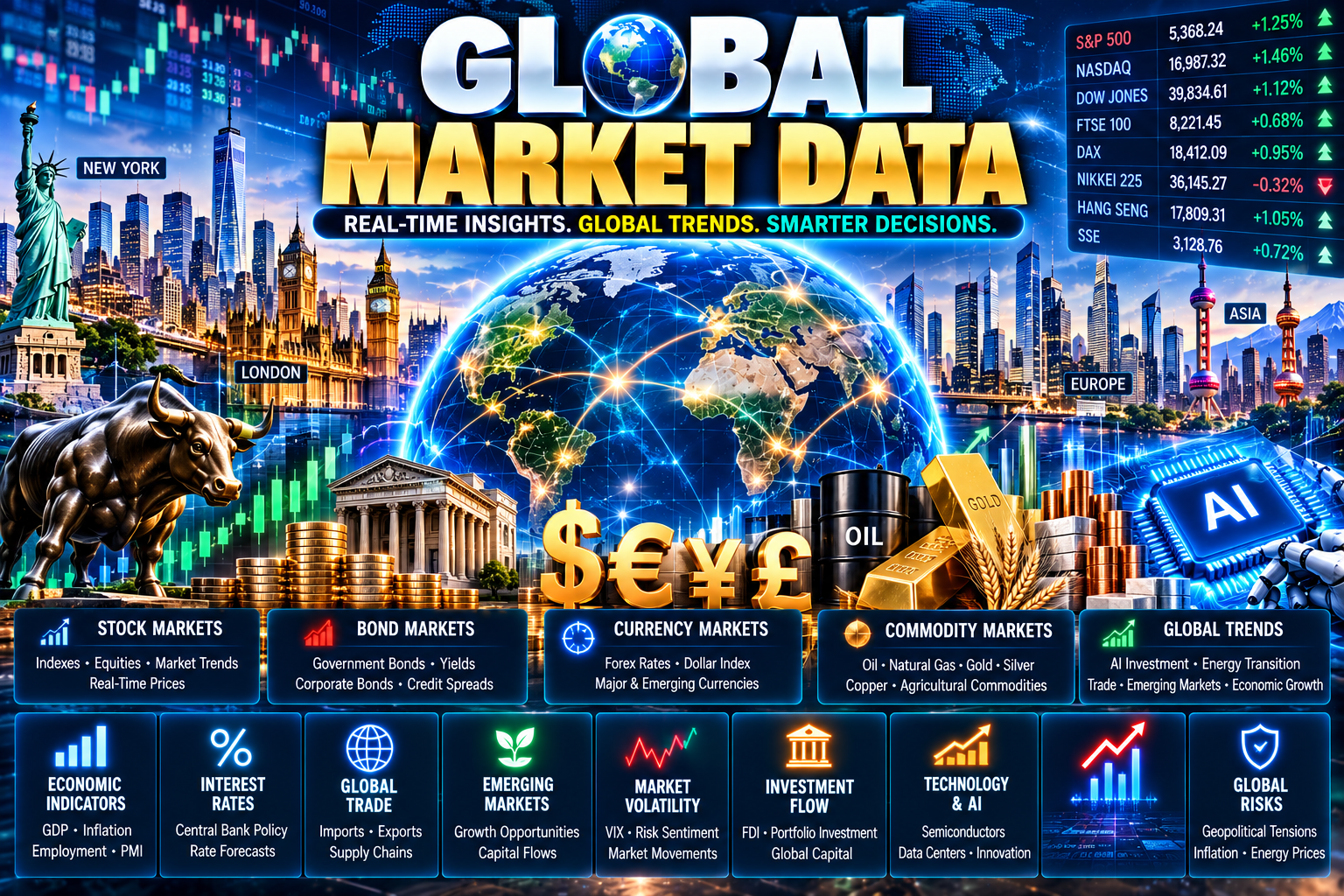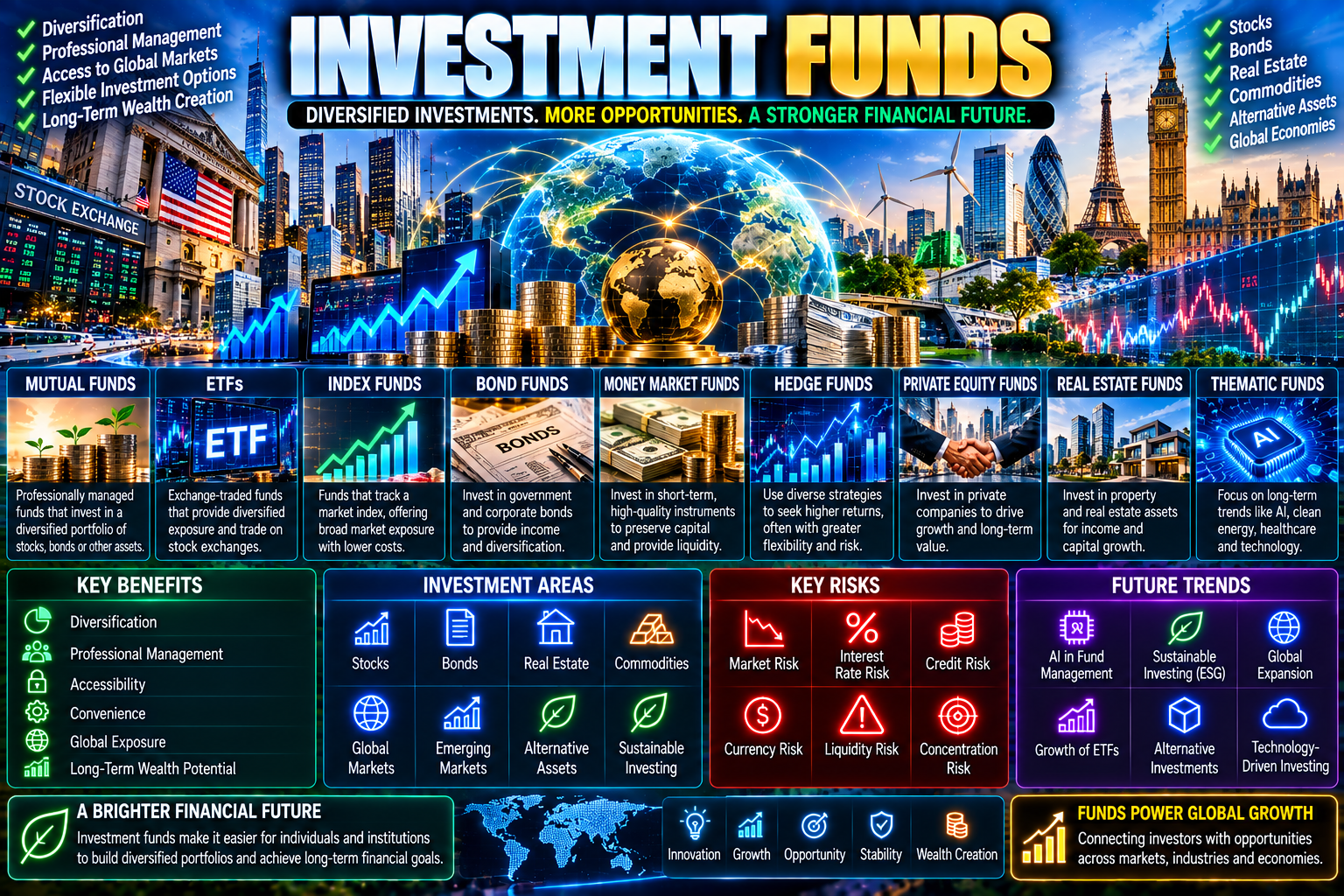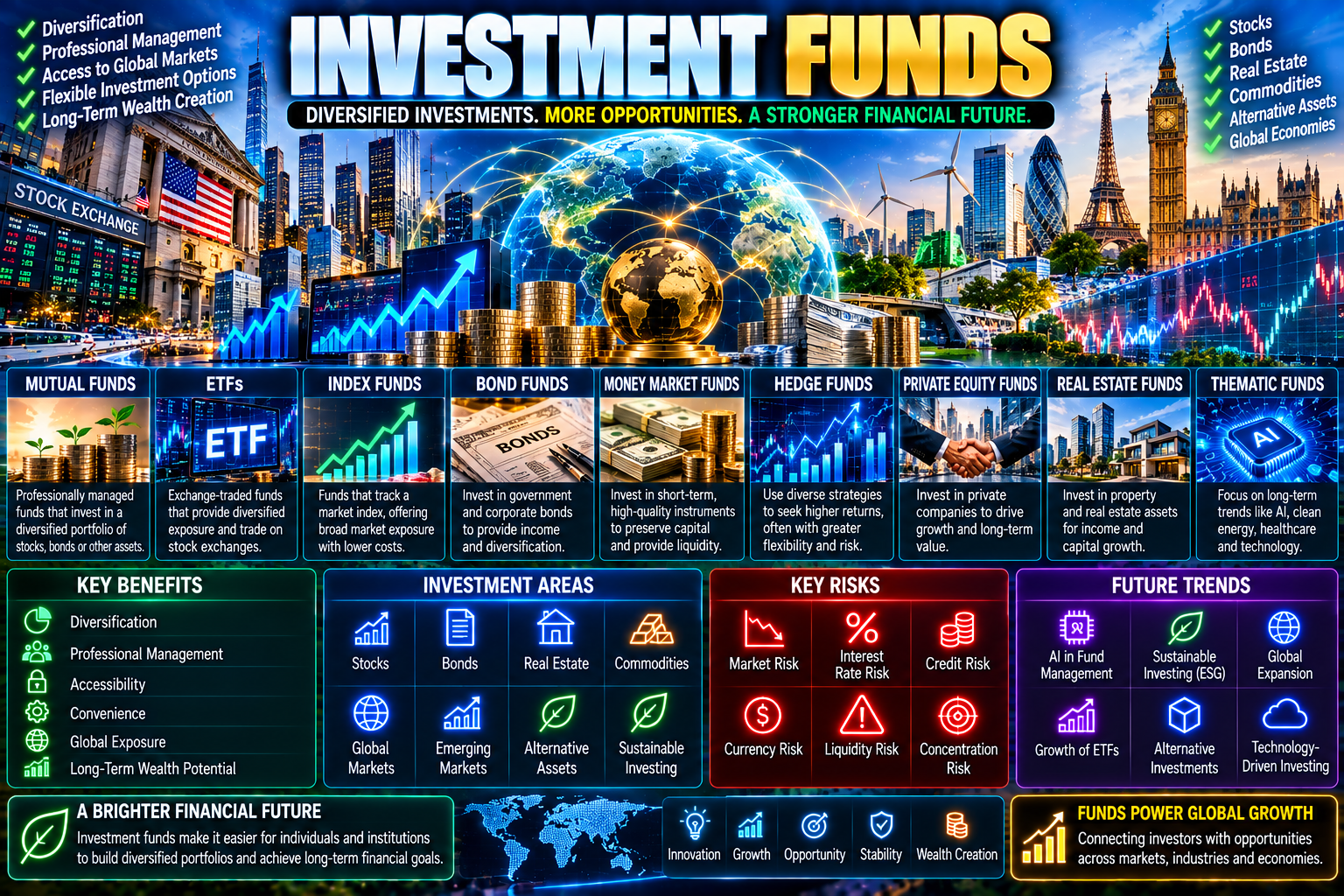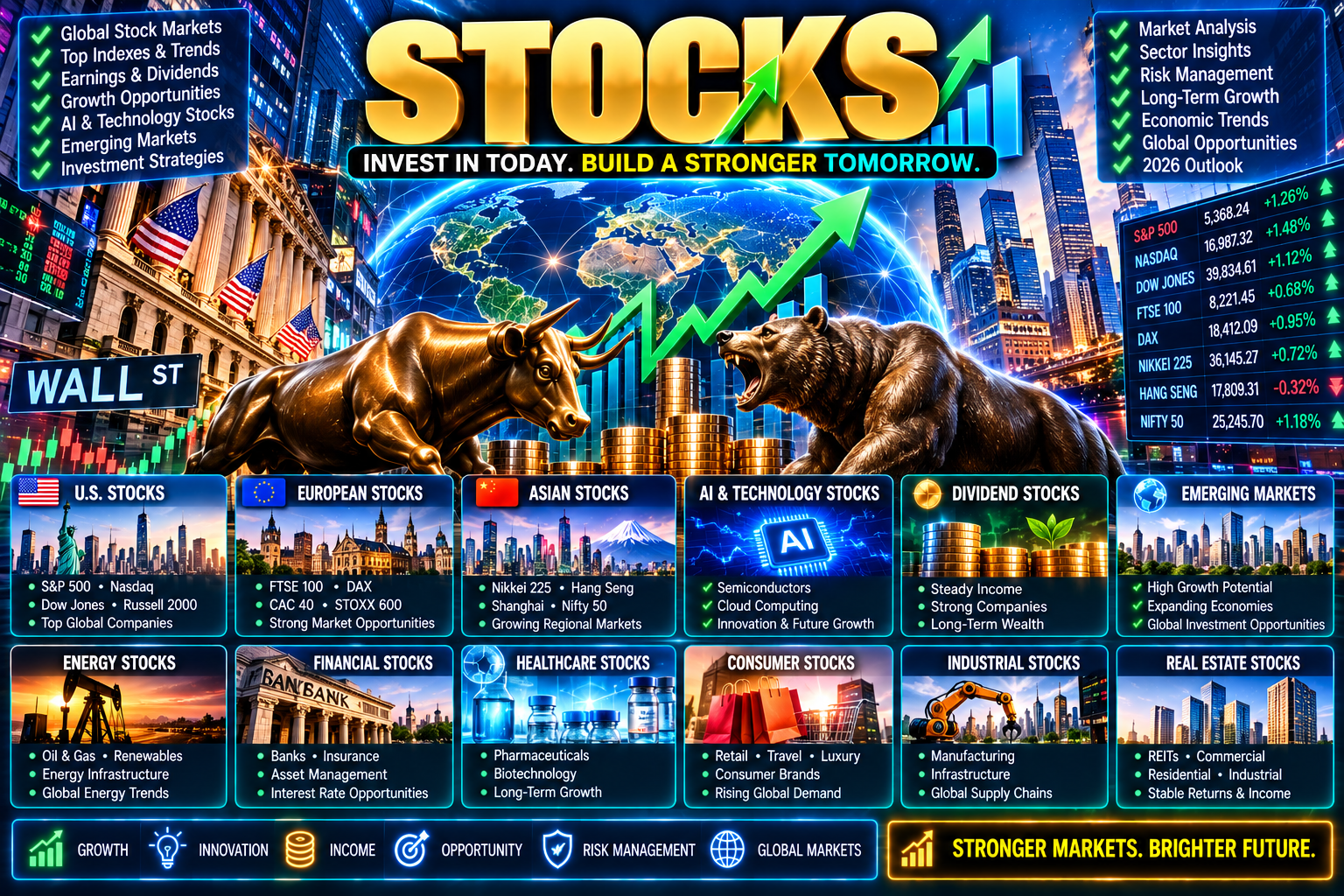
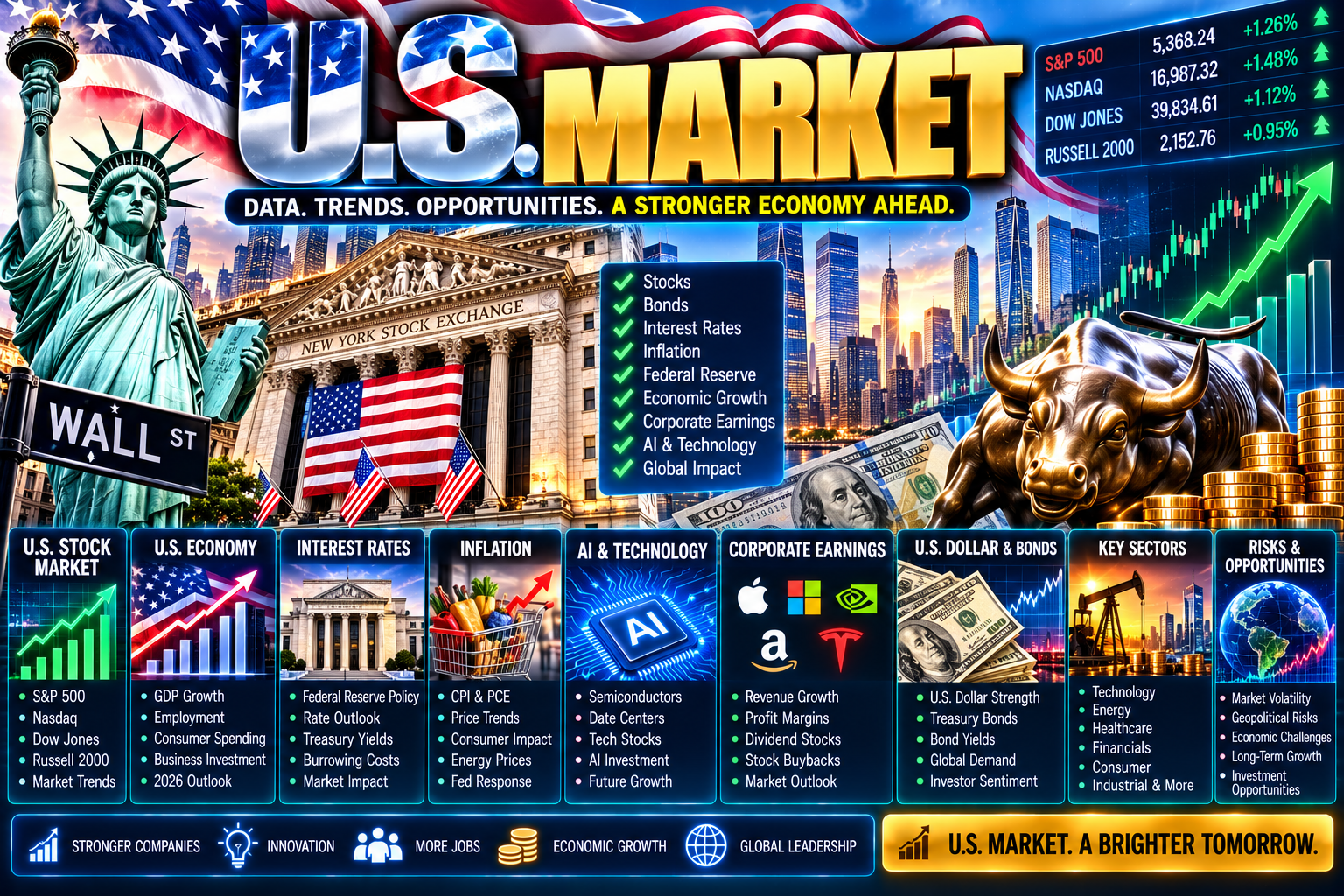
The U.S. market is one of the most important financial and economic systems in the world. It includes the U.S. stock market, bond market, banking system, currency, commodities, housing market, consumer economy, and a wide range of industries.
Because the United States has a large economy and deep financial markets, changes in U.S. economic conditions can influence markets around the world. Movements in Treasury yields, the U.S. dollar, technology stocks, consumer spending, inflation, and Federal Reserve policy can affect investors and businesses far beyond the United States.
In 2026, the U.S. market is being shaped by several competing forces. Corporate earnings and artificial intelligence investment are supporting equities, while higher energy prices, inflation, elevated Treasury yields, and changing monetary-policy expectations are creating additional uncertainty.
The Federal Reserve's September 2026 projections put median real GDP growth at 2.3% for 2026, with PCE inflation at 3.7% and the unemployment rate at 4.1%. The median projected federal-funds rate for year-end 2026 was 4.1%.
What Is the U.S. Market?
The U.S. market refers broadly to the collection of financial markets and economic activity within the United States.
Major components include:
U.S. stock markets
Treasury and corporate bond markets
Foreign-exchange markets
Commodity markets
Banking and credit markets
Real estate
Consumer spending
Manufacturing
Technology
Energy
Healthcare
Financial services
Retail
Industrial production
The market is influenced by economic growth, corporate earnings, interest rates, inflation, employment, government policy, consumer confidence, international trade, and global investment flows.
U.S. Stock Market
The U.S. stock market is the world's largest and includes thousands of publicly traded companies.
Two of the most important exchanges are the New York Stock Exchange and Nasdaq.
Major U.S. indexes include:
S&P 500
Nasdaq Composite
Dow Jones Industrial Average
Russell 2000
Nasdaq-100
S&P MidCap 400
S&P SmallCap 600
The S&P 500 is one of the most widely followed benchmarks because it represents a broad group of large U.S. companies across multiple industries.
The Nasdaq is particularly associated with technology and growth-oriented companies.
The Russell 2000 provides exposure to smaller U.S. companies.
U.S. Market Performance in 2026
U.S. equities have remained supported by corporate earnings and strong investment in technology and artificial intelligence.
Morgan Stanley reported in September 2026 that strong earnings, AI investment, and broader market participation had supported the U.S. equity rally, while higher interest rates, oil prices, and consumer pressures remained risks.
The market environment is therefore not being driven by a single factor.
Investors are simultaneously watching:
Corporate earnings
AI investment
Treasury yields
Inflation
Federal Reserve policy
Energy prices
Consumer spending
Employment
Economic growth
U.S. Economy in 2026
The U.S. economy continues to expand, although the pace of growth has moderated.
According to the Bureau of Economic Analysis, real U.S. GDP increased at an annualized rate of 1.5% in the second quarter of 2026, following 2.1% growth in the first quarter. Consumer spending, exports, and investment contributed to second-quarter growth, while government spending declined.
The Federal Reserve's September projections were somewhat stronger, with its median estimate for 2026 real GDP growth at 2.3%.
Differences between quarterly data and annual forecasts are normal because forecasts incorporate expectations for future quarters.
U.S. Inflation
Inflation remains one of the most important variables for the U.S. market.
The Consumer Price Index increased 0.4% in August 2026, while prices were 3.4% higher than a year earlier, according to the U.S. Bureau of Labor Statistics. Core CPI, excluding food and energy, increased 0.3% in August and was up 2.4% year over year.
Gasoline was an important contributor to the monthly increase, with gasoline prices rising 3.9% in August.
Inflation matters to financial markets because it influences:
Federal Reserve policy
Treasury yields
Mortgage rates
Consumer purchasing power
Corporate costs
Stock valuations
Bond prices
Currency markets
Federal Reserve and the U.S. Market
The Federal Reserve plays a central role in U.S. financial markets.
Its monetary-policy decisions influence the federal-funds rate and financial conditions.
The Federal Reserve monitors:
Inflation
Employment
Economic growth
Consumer spending
Financial conditions
Credit markets
The September 2026 Federal Reserve projections showed a median federal-funds-rate projection of 4.1% at the end of 2026, followed by 4.1% in 2027, 3.9% in 2028 and 3.6% in 2029. These are individual policymakers' projections rather than guaranteed future rates.
Changes in expectations about Federal Reserve policy can quickly affect stocks, bonds, currencies, and commodities.
U.S. Treasury Market
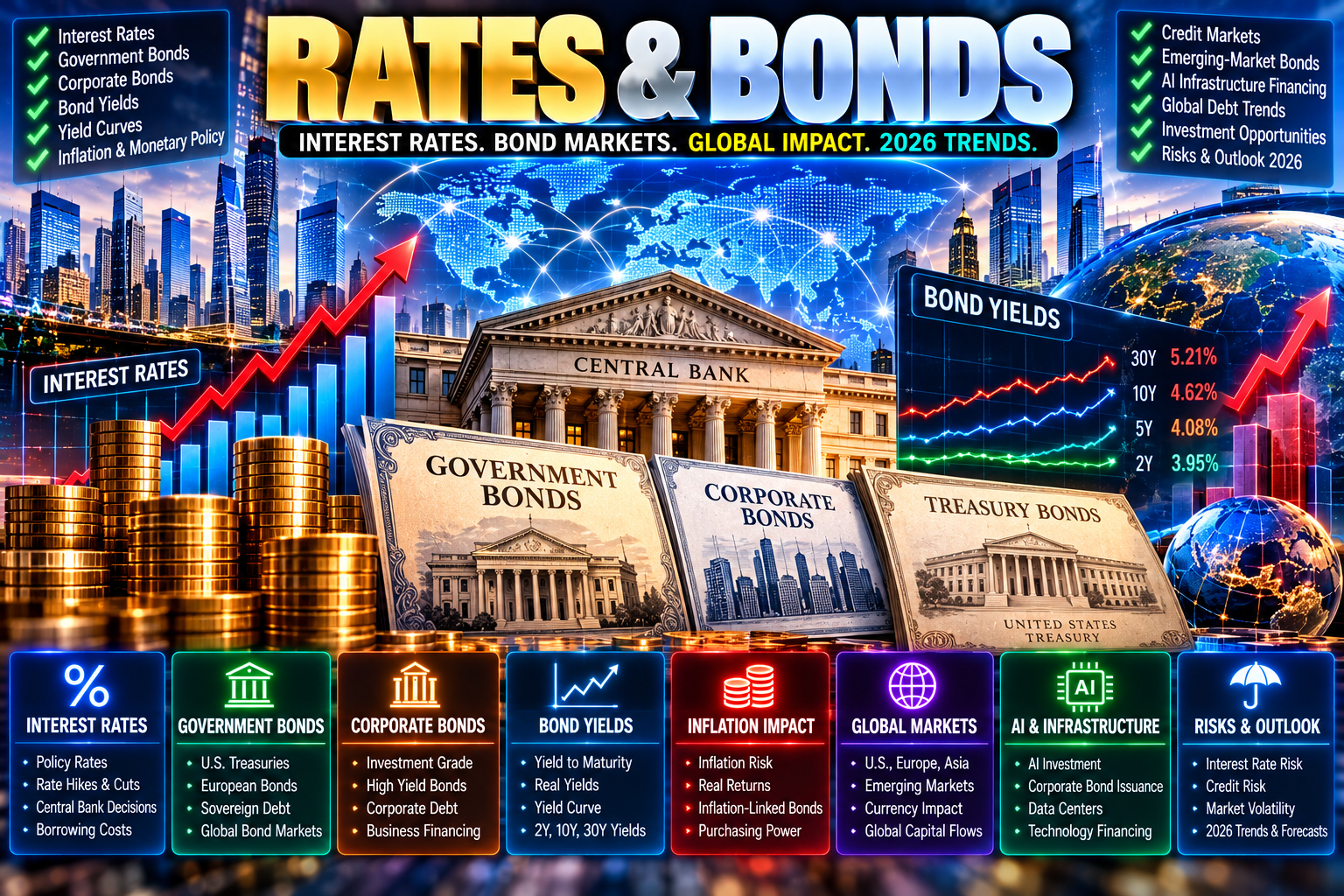
The U.S. Treasury market is one of the most important bond markets in the world.
Major Treasury securities include:
Treasury bills
2-year Treasury notes
5-year Treasury notes
10-year Treasury notes
30-year Treasury bonds
The 10-year Treasury yield is especially important because it serves as a benchmark for many other borrowing rates.
In late September 2026, the 10-year Treasury yield moved above 5%, reaching levels not seen since 2007 amid concerns about inflation, energy prices, and interest rates.
Higher Treasury yields can affect:
Mortgage rates
Corporate borrowing
Stock valuations
Government financing
Bond prices
Currency markets
U.S. Dollar
The U.S. dollar is central to the American and global financial systems.
The dollar is widely used for:
International trade
Commodity pricing
Cross-border investment
Foreign-exchange reserves
Global debt issuance
Changes in the dollar can influence multinational companies because companies with international operations convert foreign revenue into U.S. dollars.
A stronger dollar can also affect commodity prices and emerging-market economies that have dollar-denominated debt.
U.S. Technology Market
Technology is one of the most important components of the U.S. market.
Major technology-related industries include:
Semiconductors
Cloud computing
Artificial intelligence
Software
Cybersecurity
Data centers
Digital advertising
E-commerce
Fintech
Enterprise technology
Artificial intelligence has become a major source of investment.
Companies are spending heavily on:
AI chips
Data centers
Cloud infrastructure
Networking
Power systems
AI software
Enterprise AI
Reuters reported in September 2026 that the AI infrastructure investment cycle was contributing significantly to U.S. economic growth and corporate earnings.
AI and U.S. Stocks
AI has become one of the defining themes of the U.S. equity market.
The impact extends beyond software companies.
AI investment affects:
Semiconductors → Data centers → Cloud computing → Electricity demand → Networking → Construction → Industrial equipment
This creates a broad economic chain.
However, AI investment also creates valuation questions. Companies must eventually generate sufficient revenue and productivity gains to justify large capital expenditures.
The OECD has similarly identified AI-related activity as an important source of investment, production, and trade while noting that expectations around AI investment and returns could create financial-market risks.
U.S. Consumer Market
Consumer spending represents a major part of U.S. economic activity.
Important consumer categories include:
Retail
Food
Travel
Restaurants
Automobiles
Housing
Entertainment
Healthcare
Financial services
Consumer spending is influenced by:
Employment
Wages
Inflation
Household wealth
Interest rates
Credit availability
Consumer confidence
The U.S. market therefore closely watches employment and wage data.
According to the BLS, the U.S. unemployment rate was 4.1% in August 2026, while payroll employment increased by 162,000.
U.S. Financial Sector
The financial sector includes:
Banks
Insurance companies
Asset managers
Brokerage firms
Payment companies
Fintech companies
Banks are particularly sensitive to interest rates and the yield curve.
Higher rates can increase lending rates, but they can also increase funding costs and credit risks.
Financial institutions also monitor consumer debt, commercial real estate, corporate defaults, and liquidity conditions.
U.S. Healthcare Market
Healthcare is another major component of the U.S. economy and stock market.
It includes:
Pharmaceuticals
Biotechnology
Medical devices
Healthcare providers
Health insurance
Diagnostics
Health technology
Long-term trends such as aging populations, medical innovation, biotechnology development, and healthcare spending continue to influence the sector.
U.S. Energy Market
The U.S. market includes oil, natural gas, electricity, renewable energy, nuclear power, and related infrastructure.
Energy prices influence both inflation and corporate costs.
Higher oil prices can benefit some producers while increasing costs for:
Airlines
Transportation
Manufacturers
Logistics companies
Consumers
In September 2026, higher oil prices linked to geopolitical developments were contributing to renewed inflation concerns and pressure on Treasury markets.
U.S. Housing Market
Housing is another major part of the U.S. market.
Key housing indicators include:
Home prices
Mortgage rates
Housing starts
Building permits
Existing-home sales
New-home sales
Mortgage applications
Higher interest rates generally increase mortgage costs, potentially reducing affordability and housing demand.
Because housing affects construction, banking, consumer spending, employment, and household wealth, it has broad economic effects.
U.S. Small-Cap Market
Small-cap stocks represent smaller publicly traded companies.
The Russell 2000 is one of the best-known benchmarks for this segment.
Small-cap companies can be particularly sensitive to:
Domestic economic growth
Credit conditions
Interest rates
Consumer demand
Bank lending
They may also benefit disproportionately from stronger domestic economic activity.
U.S. Corporate Earnings
Corporate earnings are one of the most important drivers of stock prices.
Investors examine:
Revenue growth
Earnings per share
Operating margins
Free cash flow
Debt
Capital expenditures
Buybacks
Dividend growth
Management guidance
Reuters reported in September 2026 that S&P 500 companies were experiencing strong profit growth, with AI infrastructure investment playing a significant role in the current economic and market environment.
U.S. Market Sectors
The U.S. stock market can be divided into major sectors.
Sector | Major Drivers |
|---|---|
Technology | AI, software, semiconductors, cloud |
Financials | Interest rates, lending, credit |
Healthcare | Innovation, demographics, healthcare spending |
Energy | Oil, gas, electricity, energy transition |
Industrials | Manufacturing, infrastructure, capital spending |
Consumer Discretionary | Household income and consumer demand |
Consumer Staples | Essential consumer spending |
Utilities | Electricity demand and infrastructure |
Real Estate | Property prices, rents, interest rates |
Communication Services | Advertising, media, digital platforms |
Materials | Commodities, construction, manufacturing |
U.S. Market and Interest Rates
Interest rates influence virtually every part of the U.S. market.
Higher rates can:
Increase borrowing costs
Pressure housing demand
Increase government debt-service costs
Reduce some stock valuations
Increase bond yields
Strengthen the dollar under some conditions
Lower rates can have the opposite effects, although the actual outcome depends on why rates are changing.
For example, falling rates caused by lower inflation can support financial markets, while falling rates caused by a severe recession can coincide with declining corporate earnings.
U.S. Market Volatility
Market volatility can increase when investors receive unexpected information.
Common volatility catalysts include:
Inflation reports
Employment reports
Federal Reserve meetings
Corporate earnings
Oil-price movements
Geopolitical developments
Trade announcements
Treasury auctions
Late September 2026 has demonstrated this sensitivity, with higher Treasury yields and energy prices creating pressure on equities while strong technology earnings and AI investment provided support.
Key U.S. Market Indicators
Investors following the U.S. market commonly monitor:
S&P 500
Nasdaq Composite
Dow Jones
Russell 2000
10-year Treasury yield
2-year Treasury yield
U.S. dollar
CPI
PCE inflation
GDP
Unemployment rate
Nonfarm payrolls
Retail sales
Consumer confidence
ISM manufacturing
PMI
Corporate earnings
Oil prices
Gold prices
These indicators provide different perspectives on the economy and financial markets.
Major U.S. Market Trends in 2026
Artificial Intelligence
AI remains one of the largest sources of technology investment and market attention.
Elevated Treasury Yields
Long-term Treasury yields have risen substantially, increasing borrowing costs and influencing equity valuations.
Persistent Inflation
Inflation remains above the Federal Reserve's long-term 2% goal, with August CPI at 3.4% year over year.
Resilient Employment
The unemployment rate remained at 4.1% in August, while payroll employment increased.
Moderate Economic Growth
U.S. GDP increased 1.5% at an annualized rate in Q2 2026, according to the BEA's second estimate.
Energy-Driven Risks
Higher energy prices can increase inflation and put pressure on both consumers and financial markets.
Risks Facing the U.S. Market
The U.S. market faces several important risks.
Inflation Risk
Persistent inflation could keep monetary policy restrictive for longer.
Interest-Rate Risk
Higher Treasury yields can pressure borrowing and asset valuations.
Economic Growth Risk
Slower consumer spending or business investment could reduce corporate earnings.
Valuation Risk
Some sectors may trade at high valuations relative to historical measures.
Geopolitical Risk
International conflicts can affect energy prices, supply chains, trade, and investor sentiment.
AI Investment Risk
If AI investment produces weaker-than-expected financial returns, companies with high AI-related valuations could face pressure.
Credit Risk
Higher borrowing costs can increase stress for heavily indebted consumers and companies.
Future of the U.S. Market
The future direction of the U.S. market will depend on the interaction between economic growth, inflation, monetary policy, corporate earnings, technology investment, energy prices, and financial conditions.
The Federal Reserve's September 2026 projections show continued positive growth alongside inflation that is expected to remain above 2% in 2026 before moving closer to the central bank's longer-run objective.
AI could remain an important source of productivity and capital investment, but its long-term market impact will depend on how effectively companies convert infrastructure spending into revenue and productivity.
At the same time, Treasury yields and energy prices will remain important variables for the cost of capital and inflation expectations.
Conclusion
The U.S. market is a complex ecosystem connecting stocks, bonds, currencies, commodities, companies, consumers, banks, and government institutions.
In 2026, the market is being shaped by strong technology and AI investment, corporate earnings, inflation, Treasury yields, employment, consumer spending, and energy prices.
Current data show a U.S. economy that continues to grow, with Q2 real GDP increasing at a 1.5% annualized rate, August unemployment at 4.1%, and headline CPI inflation at 3.4% year over year.
For anyone following U.S. financial markets, the most useful approach is to monitor several indicators together rather than focusing on a single stock index or economic statistic.
Frequently Asked Questions
What is the U.S. market?
The U.S. market includes the country's stock, bond, currency, commodity, banking, housing, and broader economic markets.
What is the main U.S. stock-market index?
The S&P 500 is one of the most widely followed U.S. equity benchmarks and represents a broad group of large companies.
What affects the U.S. market?
Interest rates, inflation, economic growth, corporate earnings, employment, consumer spending, energy prices, technology investment, and geopolitical developments all influence the U.S. market.
What is the Federal Reserve's role?
The Federal Reserve conducts monetary policy and influences short-term interest rates and financial conditions.
Why are Treasury yields important?
Treasury yields influence government borrowing costs and serve as benchmarks for mortgages, corporate debt, and other financial assets.
How important is AI to the U.S. market?
AI has become a major source of investment in semiconductors, data centers, cloud computing, software, networking, and electricity infrastructure.
What is the current U.S. inflation rate?
The August 2026 CPI report showed prices were 3.4% higher than a year earlier, while monthly CPI increased 0.4%.
What is the U.S. unemployment rate?
The unemployment rate was 4.1% in August 2026, according to the Bureau of Labor Statistics.
How fast is the U.S. economy growing?
Real GDP increased at an annualized rate of 1.5% in the second quarter of 2026 according to the BEA's second estimate.
What are the biggest U.S. market trends in 2026?
Key trends include AI investment, corporate earnings growth, elevated Treasury yields, persistent inflation, energy-market volatility, and changing expectations for Federal Reserve policy.