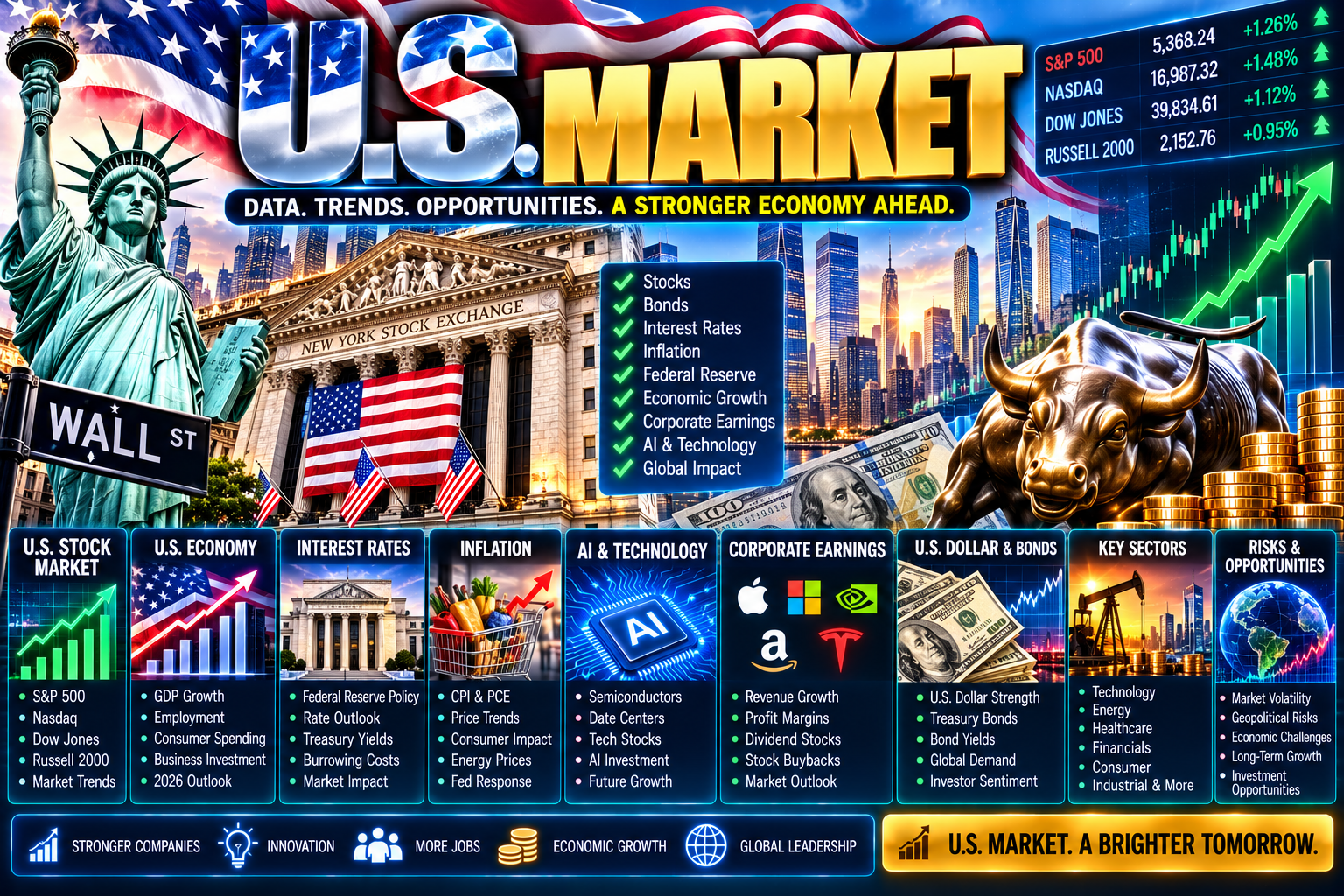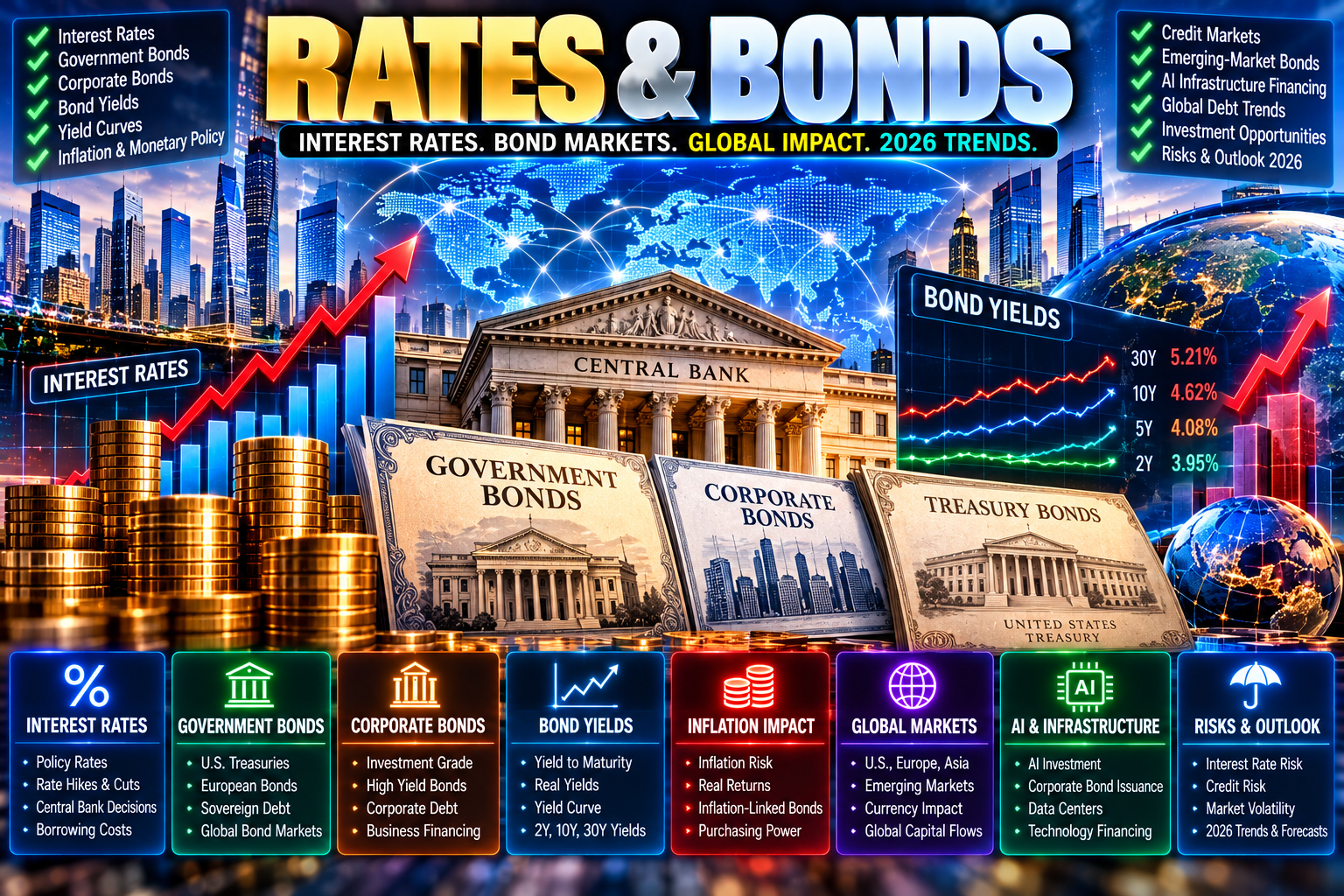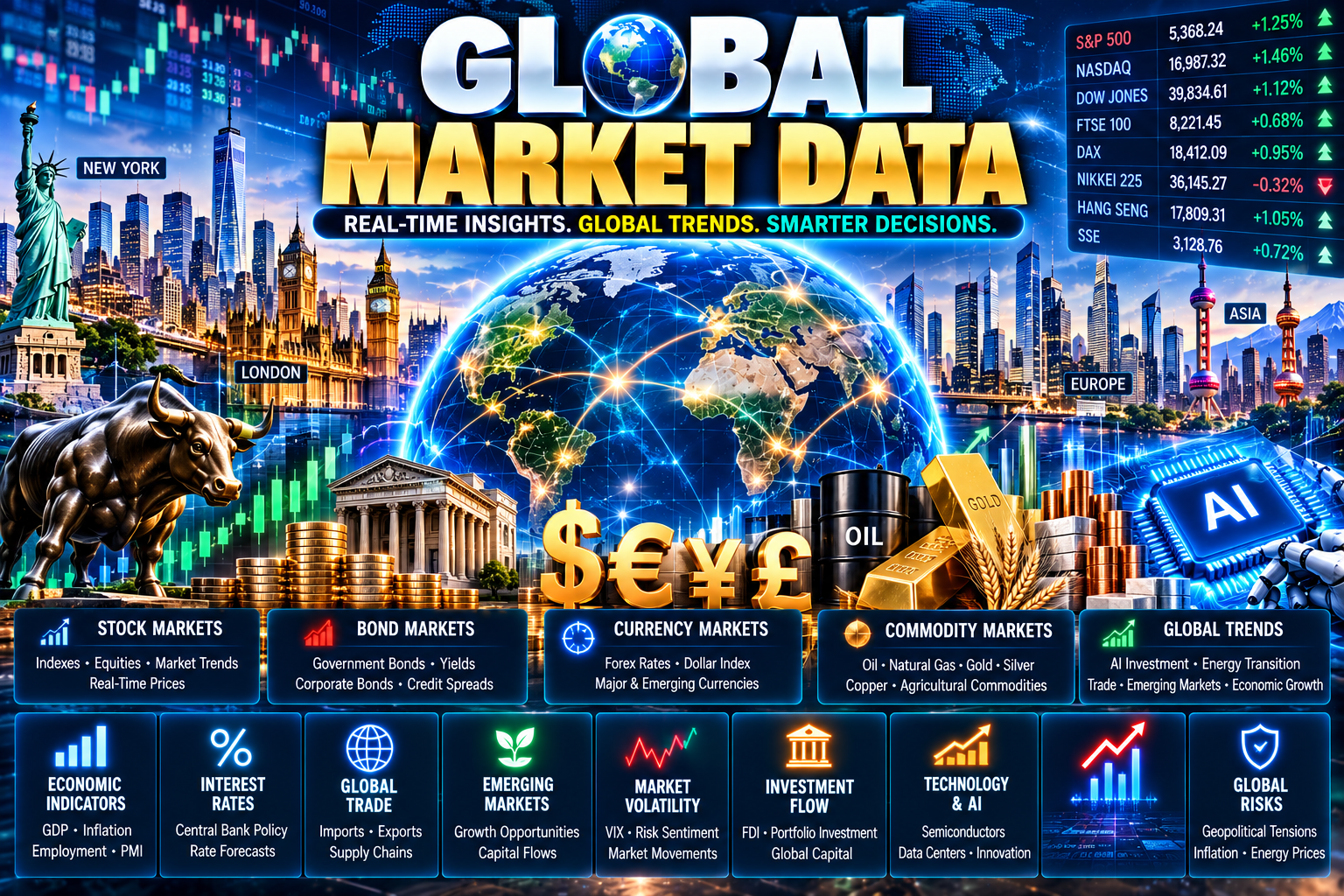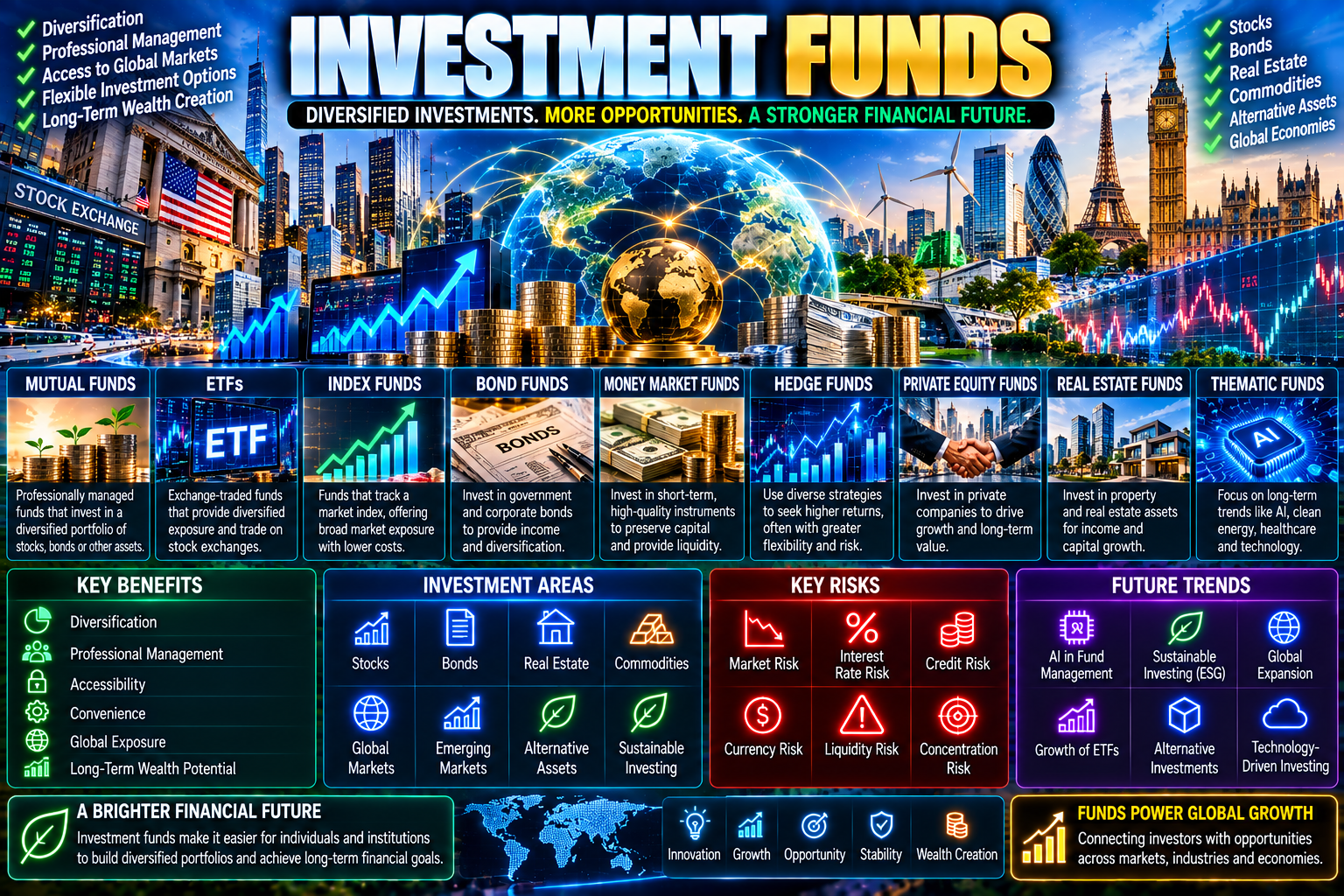
Econ World represents the interconnected economic landscape shaping countries, businesses, consumers, financial markets, trade, technology, energy, and investment around the globe.
The global economy in 2026 is being influenced by several major forces at once. Artificial intelligence is supporting investment and productivity in some economies, while energy disruptions, geopolitical tensions, inflation, interest rates, trade policies, and government debt are creating new challenges.
Current major forecasts differ because they use different assumptions and publication dates. The IMF projects global growth of 3.0% in 2026 and 3.4% in 2027, while the OECD's September 2026 outlook projects 2.9% growth in 2026 and 3.0% in 2027. The World Bank's June 2026 forecast is more cautious, at 2.5% growth in 2026 and 2.8% in 2027.
What Is Econ World?
Econ World can be understood as the broad global economic environment in which countries and markets interact.
It includes:
Global economic growth
International trade
Financial markets
Banking
Investment
Inflation
Interest rates
Currencies
Commodities
Employment
Technology
Energy
Manufacturing
Consumer spending
Government finances
Emerging markets
These areas are closely connected.
For example, an increase in oil prices can raise transportation and manufacturing costs, which can contribute to higher inflation. Higher inflation can influence central-bank interest rates, which can then affect currencies, bonds, stocks, businesses, and consumers.
The Global Economy in 2026
The global economy has remained more resilient than some earlier scenarios suggested, but growth is uneven.
The IMF says global growth is projected at 3.0% in 2026, increasing to 3.4% in 2027. It identifies AI-related demand as an important source of momentum while warning that geopolitical and financial-market risks remain.
The OECD's September 2026 outlook projects global growth of 2.9% in 2026 and 3.0% in 2027. It says AI investment is supporting production, trade, and growth, while higher energy prices, inflation, and interest rates are creating headwinds.
The World Bank's June 2026 outlook projected global growth at 2.5% in 2026, describing the outlook as particularly challenging for developing economies.
These differences show why economic forecasts should be viewed as estimates based on specific assumptions rather than guaranteed outcomes.
Major Economic Regions
United States
The United States remains a major center of global consumption, finance, technology, investment, and innovation.
Its economy has a significant influence on:
Global stock markets
The U.S. dollar
Interest rates
Technology investment
International trade
Commodity demand
Global capital flows
The OECD projects U.S. GDP growth of 2.2% in 2026 and 2.1% in 2027, with AI-related investment supporting activity while consumer spending moderates.
Europe
Europe remains an important economic and financial region.
Major European industries include:
Manufacturing
Automobiles
Pharmaceuticals
Financial services
Luxury goods
Energy
Industrial technology
Aerospace
The OECD projects euro-area GDP growth of approximately 1.0% in both 2026 and 2027.
Energy prices, competitiveness, trade, defense investment, and technology are important factors influencing Europe's economic outlook.
China
China remains central to global manufacturing, trade, technology, commodities, and supply chains.
The OECD projects Chinese economic growth of 4.5% in 2026 and 4.2% in 2027.
China's economic performance can influence:
Commodity exporters
Asian economies
Global manufacturers
Shipping
Technology supply chains
International consumer markets
India
India is one of the fastest-growing major economies and an increasingly important participant in global manufacturing and technology.
Its economic drivers include:
Domestic consumption
Services
Manufacturing
Infrastructure
Digital payments
Technology
Foreign investment
India's expanding role in global supply-chain diversification is also increasing its importance to international businesses.
Emerging Markets
Emerging economies across Asia, Latin America, Africa, the Middle East, and Europe represent a significant part of global economic activity.
They are important because of:
Large populations
Manufacturing
Natural resources
Young workforces
Growing consumer markets
Infrastructure development
Digital adoption
However, many emerging economies are more exposed to currency volatility, commodity prices, external financing conditions, and geopolitical shocks.
Global Trade
International trade is one of the foundations of Econ World.
Countries trade goods and services because they have different resources, technologies, skills, production costs, and consumer markets.
Major global trade categories include:
Energy
Electronics
Automobiles
Machinery
Agricultural products
Pharmaceuticals
Chemicals
Financial services
Software
Business services
Trade also creates extensive international supply chains.
A single product can involve raw materials from one country, components from several economies, assembly in another country, and consumers across the world.
Supply-Chain Transformation
Global companies are increasingly focused on supply-chain resilience.
Businesses are considering:
Multiple manufacturing locations
Regional production
Alternative suppliers
Strategic inventories
Local sourcing
Transportation diversification
Trade policies and geopolitical tensions are accelerating some of these changes.
The OECD reports that tariffs and export restrictions are contributing to policy uncertainty and supply disruptions in 2026.
Inflation in Econ World
Inflation is one of the most important economic indicators.
When prices rise rapidly, household purchasing power can decline and business costs can increase.
Inflation affects:
Consumer spending
Wages
Interest rates
Bond markets
Stock valuations
Currencies
Government finances
The IMF projects global headline inflation at 4.7% in 2026, with inflation expected to decline to approximately 3.9% in 2027.
The OECD expects G20 headline inflation to reach 4.1% in 2026 before declining to 3.6% in 2027.
Energy and food prices are particularly important contributors to current inflation pressures.
Interest Rates and Central Banks
Central banks influence economic activity through monetary policy.
When inflation rises, central banks can increase interest rates to reduce demand and inflationary pressure.
When economic activity weakens and inflation falls, central banks may reduce rates to support borrowing and investment.
Interest rates affect:
Mortgages
Business loans
Government debt
Corporate bonds
Stock valuations
Currency markets
Consumer spending
Investment
Long-term government bond yields have also become an important issue. The OECD says long-term sovereign borrowing costs have risen to levels not seen in many economies for 15 years or more, increasing fiscal pressures.
Global Financial Markets
Financial markets connect capital with businesses, governments, and investors.
The major global financial markets include:
Stock Markets
Companies raise capital through equity markets while investors trade shares.
Bond Markets
Governments and corporations issue debt to finance spending and investment.
Foreign Exchange
Currency markets allow international businesses and investors to exchange currencies.
Commodity Markets
Oil, natural gas, metals, agriculture, and other commodities are traded globally.
Private Markets
Private equity, venture capital, private credit, and infrastructure funds provide capital outside traditional public markets.
Together, these markets form an important part of Econ World.
The U.S. Dollar and Global Finance
The U.S. dollar plays an important role in international finance.
It is widely used for:
International trade
Foreign-exchange transactions
Commodity pricing
Global debt
Central-bank reserves
Cross-border investment
Changes in the dollar can therefore affect emerging markets, commodities, debt markets, and global capital flows.
A stronger dollar can make dollar-denominated debt more expensive for borrowers whose revenues are primarily in local currencies.
Commodities and Econ World
Commodities are essential to global economic activity.
Major commodities include:
Oil
Natural gas
Gold
Copper
Iron ore
Lithium
Wheat
Corn
Coffee
Fertilizers
Commodity prices affect inflation, manufacturing, transportation, agriculture, and consumer prices.
The 2026 energy shock demonstrates how geopolitical events can move from regional conflicts into global economic conditions. The World Bank says the Middle East conflict sharply increased energy prices and contributed to higher inflation and weaker global growth expectations.
Artificial Intelligence and Econ World
Artificial intelligence has become one of the defining economic themes of 2026.
AI is driving investment in:
Semiconductors
Data centers
Cloud computing
Software
Robotics
Networking
Electricity generation
Digital infrastructure
The IMF says AI-driven demand is supporting countries integrated into global technology value chains.
The OECD also identifies strong AI-related investment as an important factor supporting global production, trade, and economic activity.
AI and Productivity
The econ world impact of AI could extend beyond the technology sector.
Potential applications include:
Manufacturing automation
Healthcare
Financial analysis
Agriculture
Logistics
Education
Customer service
Software development
Scientific research
Higher productivity could allow companies to produce more output with fewer resources.
However, the economic benefits depend on investment, infrastructure, skilled workers, electricity availability, and successful business adoption.
Energy and the Global Economy
Energy remains fundamental to economic activity.
Oil and gas influence:
Transportation
Manufacturing
Electricity
Agriculture
Logistics
Consumer prices
Renewable energy is also becoming increasingly important.
Major investment areas include:
Solar
Wind
Nuclear power
Battery storage
Electricity grids
Electric vehicles
Green hydrogen
Energy efficiency
The OECD reports that the 2026 energy shock has been partly cushioned by inventory releases, alternative supply, additional production outside the Gulf, and lower oil demand.
Emerging Markets and Econ World
Emerging markets are increasingly important to global economic growth.
Asia in particular contains several major manufacturing and consumer economies.
Emerging markets benefit from:
Urbanization
Growing middle classes
Digital finance
Manufacturing
Infrastructure
Foreign investment
Technology adoption
However, developing economies also face substantial challenges.
The World Bank says weak growth has made it harder for developing economies to close income gaps with advanced economies and identifies higher energy prices, debt, and geopolitical risks as important challenges.
Global Debt
Debt is an important component of the global economy.
Governments borrow to finance:
Infrastructure
Healthcare
Education
Defense
Public services
Economic support
Businesses borrow to finance:
Expansion
Acquisitions
Technology
Equipment
Working capital
Debt can support productive investment, but high borrowing costs can increase financial pressure.
Higher long-term interest rates are therefore particularly important for highly indebted governments and companies.
Global Investment
Capital moves across borders through multiple channels.
Foreign Direct Investment
Companies build factories, offices, data centers, and other operations in foreign markets.
Portfolio Investment
Investors purchase international stocks, bonds, ETFs, and other securities.
Private Equity
Private-equity firms invest in companies and seek to increase their value.
Venture Capital
Venture capital provides financing to startups and emerging technologies.
Infrastructure Investment
Large investors increasingly finance energy, transportation, telecommunications, and digital infrastructure.
These investment flows connect national economies and contribute to global growth.
Geopolitics and Econ World
Geopolitics has become increasingly important to economic decision-making.
Economic effects can occur through:
Trade restrictions
Tariffs
Sanctions
Energy disruptions
Export controls
Shipping disruptions
Foreign-investment restrictions
Technology controls
Businesses increasingly consider geopolitical resilience when deciding where to manufacture, source components, invest capital, and build infrastructure.
Major Economic Risks in 2026
Energy Shock
Extended energy disruptions could increase inflation and reduce economic growth.
Geopolitical Conflict
Conflicts can disrupt trade, investment, energy supplies, and transportation.
Trade Fragmentation
Higher tariffs and export restrictions can increase costs and reduce trade efficiency.
Financial Repricing
Changes in interest rates or investor expectations can cause volatility across stocks, bonds, currencies, and credit markets.
Debt Pressures
Higher borrowing costs can create challenges for governments and corporations.
AI Investment Risk
If AI-related investments generate lower-than-expected returns, financial markets could reassess technology valuations and investment plans. Both the IMF and OECD identify this as a potential downside risk.
Climate and Weather Risks
Extreme weather can affect agriculture, infrastructure, insurance, food prices, and supply chains.
Major Econ World Trends for 2026
1. AI-Driven Investment
Artificial intelligence is increasing demand for computing infrastructure, semiconductors, energy, and software.
2. Energy Security
Countries are diversifying energy sources and investing in resilient infrastructure.
3. Supply-Chain Diversification
Companies are balancing cost efficiency with resilience and geopolitical considerations.
4. Emerging-Market Expansion
Developing economies continue to play an important role in manufacturing, consumption, and investment.
5. Digital Finance
Digital payments, fintech, mobile banking, and tokenized financial products are changing financial markets.
6. Infrastructure Investment
Transport, energy, telecommunications, and data centers require significant investment.
7. Sustainable Investment
Renewable energy, clean technology, and climate infrastructure remain important investment themes.
8. Changing Global Trade
Trade relationships are increasingly influenced by national security, industrial policy, tariffs, and strategic competition.
Future of Econ World
The global economic system is likely to become increasingly shaped by technology and structural changes.
AI Economy
Artificial intelligence could become a major source of productivity and investment.
Digital Finance
Digital payments, fintech, tokenization, and automated financial services could transform how capital moves.
Energy Transition
The shift toward cleaner energy will reshape commodity demand, industrial production, transportation, and infrastructure.
Demographic Change
Aging populations in some economies and younger populations in others will influence labor markets, consumption, healthcare, and government spending.
Regionalization
Globalization is unlikely to disappear, but supply chains may become more regional and strategically diversified.
Emerging Economies
Developing economies are expected to remain important sources of labor, production, consumers, resources, and economic growth.
Conclusion
Econ World represents the interconnected economic system that links countries, companies, consumers, financial markets, technology, energy, and international trade.
In 2026, the global economy is experiencing a combination of resilience and uncertainty. AI investment is supporting production and trade, while energy shocks, geopolitical tensions, inflation, higher borrowing costs, and trade-policy changes are creating significant challenges.
The IMF forecasts global growth of 3.0% in 2026 and 3.4% in 2027, while the OECD forecasts 2.9% and 3.0%. The World Bank's June forecast is more cautious at 2.5% and 2.8%.
The future of Econ World will depend on how economies respond to technological change, energy transformation, demographic shifts, geopolitical developments, debt pressures, and changing global trade patterns.
For businesses and investors, understanding these connections is increasingly important because economic developments rarely remain isolated within one country or market.
Frequently Asked Questions About Econ World
What is Econ World?
Econ World refers broadly to the interconnected global economic environment, including countries, markets, businesses, consumers, trade, investment, finance, technology, and resources.
What is the global economic outlook for 2026?
Major institutions have different forecasts. The IMF projects 3.0% global growth, the OECD 2.9%, and the World Bank's June forecast 2.5% for 2026.
What drives the global economy?
Major drivers include consumer spending, business investment, international trade, government spending, technology, productivity, energy, commodities, and financial conditions.
Why is AI important to Econ World?
AI is driving investment in semiconductors, data centers, cloud computing, software, energy, and digital infrastructure while potentially increasing productivity across many industries.
How does inflation affect the global economy?
Inflation reduces purchasing power and can lead central banks to maintain or increase interest rates, affecting borrowing, investment, currencies, bonds, and stock markets.
Why are energy prices important?
Energy is required for transportation, manufacturing, agriculture, electricity, and many other economic activities. Higher energy prices can therefore affect inflation and economic growth.
What are the biggest risks to the global economy?
Major risks include prolonged energy disruptions, geopolitical conflict, trade fragmentation, high debt, financial-market repricing, persistent inflation, climate shocks, and weaker-than-expected returns from AI investment.
What is the future of Econ World?
Major long-term themes include AI, digital finance, renewable energy, infrastructure, demographic change, emerging markets, supply-chain diversification, and changing patterns of global trade.